TB Oil Seal: Structure, Applications, Materials and Selection Guide
Introduction
In the realm of mechanical engineering and fluid power, rotary shaft seals are foundational components that dictate the reliability of rotating machinery. Whether securing bearing lubrication in a high-speed electric motor or preventing gear oil loss in a heavy-duty industrial transmission, the correct specification of a rotary seal directly impacts equipment uptime.
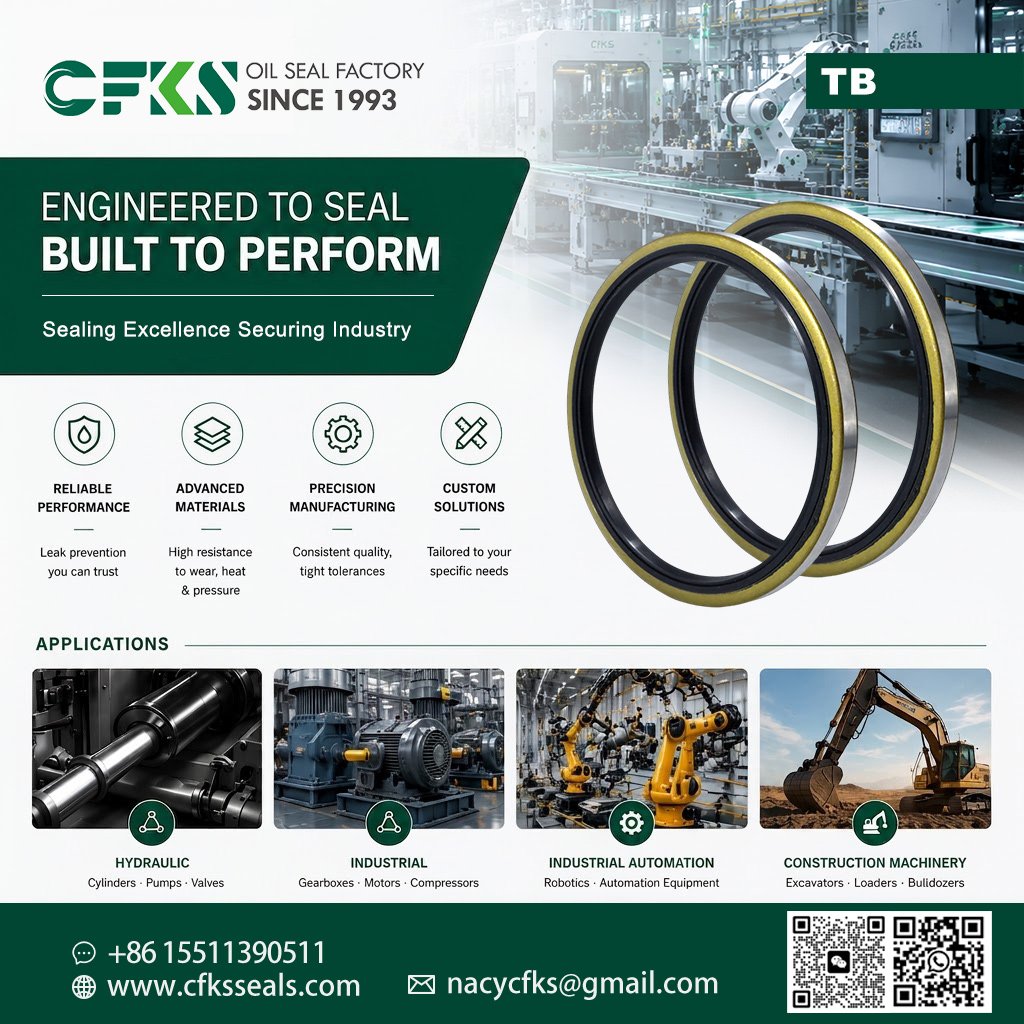
Among the various sealing profiles available in the industrial market, the TB oil seal stands out as a highly rigid, metal-cased solution. Designed for precise interference fits within rigid housing bores, the TB profile offers unique mechanical advantages in specific operating environments. As modern machinery evolves toward greater efficiency and automation in 2026, understanding the precise engineering mechanics of TB oil seals is essential for mechanical engineers, maintenance professionals, and OEM purchasing managers.
This comprehensive technical guide explores the structural design, elastohydrodynamic working principles, material selection, and application engineering of TB oil seals, providing a clear framework for optimizing industrial sealing reliability.
What Is a TB Oil Seal?
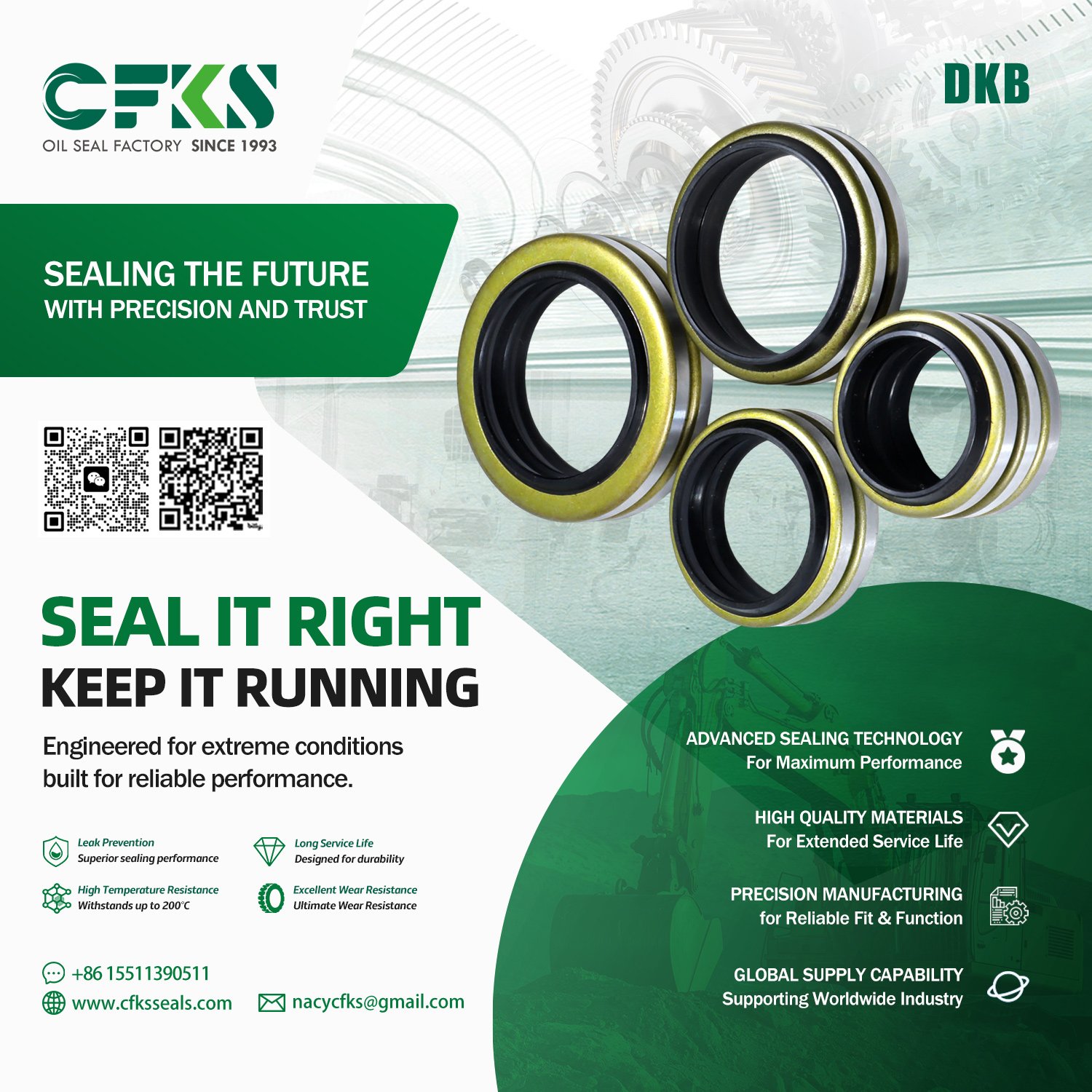
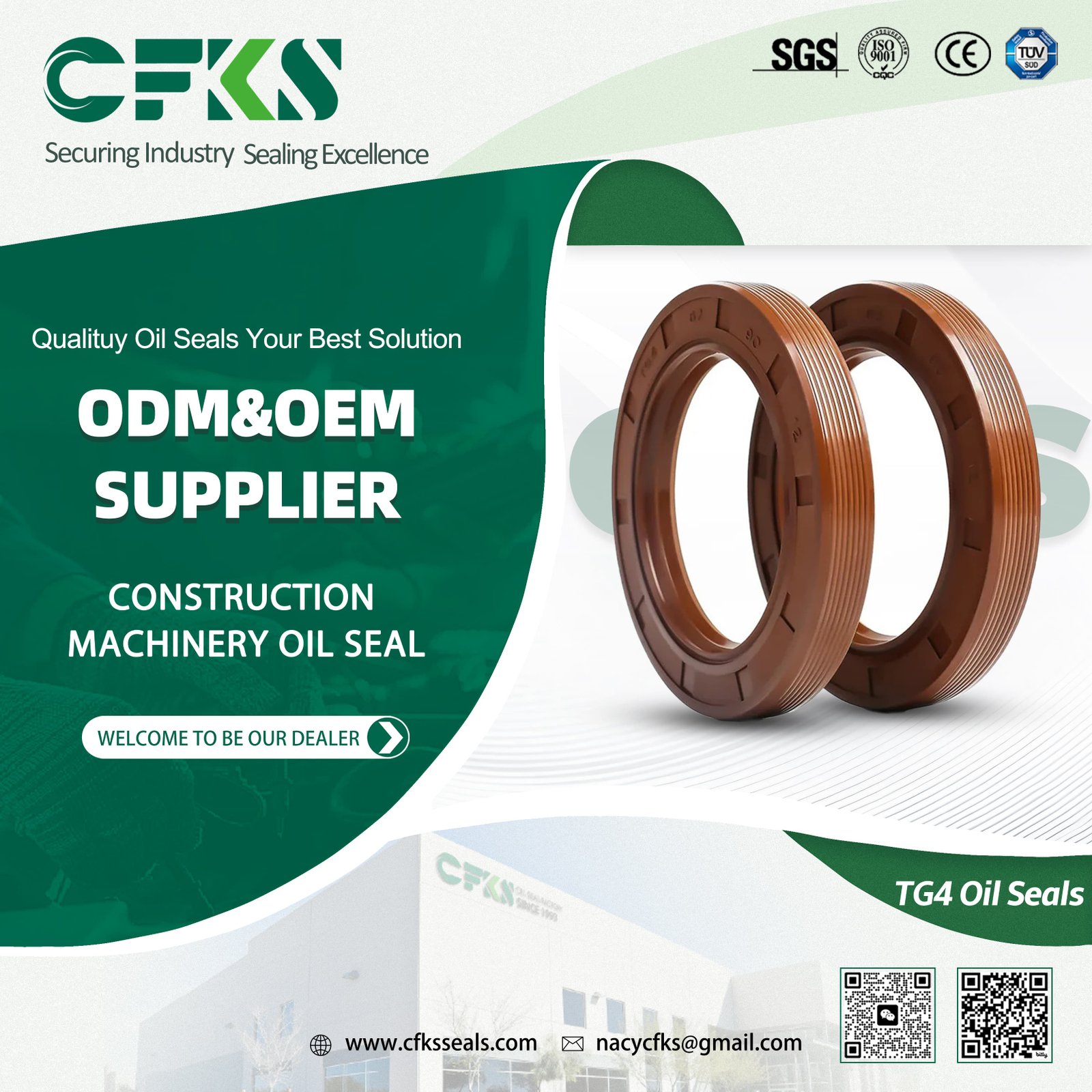
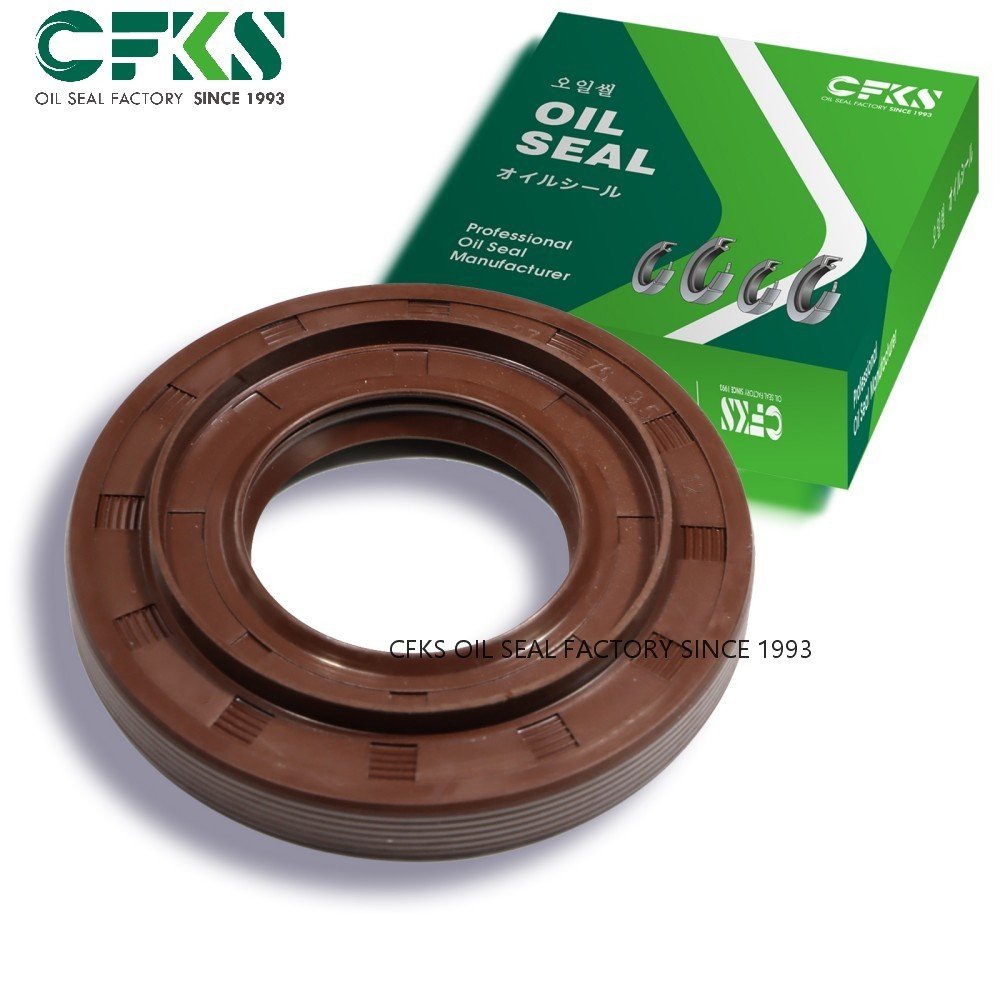
A TB oil seal is a specialized rotary shaft lip seal characterized primarily by its exposed metal outer case. It is designed to be press-fitted into a stationary housing bore while its elastomeric sealing lip maintains dynamic contact with a rotating shaft.
While nomenclature can vary across international standards (such as JIS, DIN, and ISO 6194), the “TB” designation universally indicates a metal case oil seal. The structure typically integrates a rigid outer metal shell, an elastomer sealing element bonded to the inner metal surface, a primary sealing lip, and a garter spring.
It is important to clarify that the presence and configuration of auxiliary lips (such as a secondary dust lip) depend entirely on the specific profile and manufacturer design. Some manufacturers define TB as a single-lip metal-cased seal, while others (such as NOK) utilize the TB designation for a metal-cased seal equipped with an auxiliary dust lip. Regardless of the internal lip geometry, the defining characteristic of a TB rotary shaft seal remains its exposed metal outside diameter (OD).
The rigid metal case provides exceptional dimensional stability and structural rigidity during installation, ensuring an exact, highly concentric fit when installed in rigid cast iron or steel housings.
Structure and Components of a TB Oil Seal
The reliability of a TB type oil seal is the result of its composite engineering, blending the structural strength of metallurgy with the dynamic flexibility of advanced polymers.
Metal Case (Outer Shell)
The exposed metal case serves as the structural skeleton of the seal. It is typically precision-stamped from cold-rolled carbon steel or stainless steel. When press-fitted into a housing bore, the metal-to-metal interference fit ensures exceptional retention force and exact axial alignment.
Elastomer Sealing Element
Bonded securely to the internal diameter of the metal case, the elastomeric element forms the functional core of the seal. This polymer is engineered to withstand thermal degradation, chemical attack, and mechanical wear.
Primary Sealing Lip
The primary sealing lip features an acute, precision-trimmed angle that interfaces directly with the rotating shaft. This lip is responsible for maintaining the radial sealing force necessary to retain internal lubricants while allowing a microscopic fluid film to exist at the contact zone.
Garter Spring
Elastomers naturally experience stress relaxation and thermal expansion over time. The helically wound metallic garter spring is seated in a groove directly behind the primary sealing lip. It compensates for these physical changes, providing a continuous, uniform radial load to keep the lip in optimal contact with the shaft.
Secondary Dust Lip (Where Applicable)
Depending on the specific manufacturer’s design, a TB seal may feature a secondary, non-spring-loaded dust lip facing the external environment. This lip helps exclude ambient dirt, dust, and moisture from reaching the primary sealing interface.
How Does a TB Oil Seal Work?
The fundamental working principle of a rotary shaft oil seal relies on elastohydrodynamic lubrication.
When the shaft is stationary, the primary lip and garter spring create a static radial force that blocks fluid passage. However, when the shaft begins to rotate, the dynamic sealing mechanism activates. The radial force, combined with the microscopic surface roughness of the shaft and the elastomer, draws a microscopic layer of lubricant under the sealing edge.
This lubrication film—typically only 1 to 3 micrometers thick—is critical. It slightly lifts the sealing lip off the shaft, minimizing dry friction and preventing thermal destruction of the elastomer. On the air side of the lip, surface tension forms a meniscus. As the shaft rotates, fluid shear forces and the engineered geometry of the lip create a “pumping effect,” pushing any escaping oil back into the fluid reservoir.
Successful rotary sealing is a delicate engineering balance between leakage control, friction, heat, wear, and lubrication. An oil seal does not create a completely dry contact; rather, it manages the microscopic fluid film to minimize friction while preventing bulk leakage.
TB Oil Seal Materials
The performance and longevity of an industrial oil seal depend heavily on the correct specification of both the elastomer and the metal hardware.
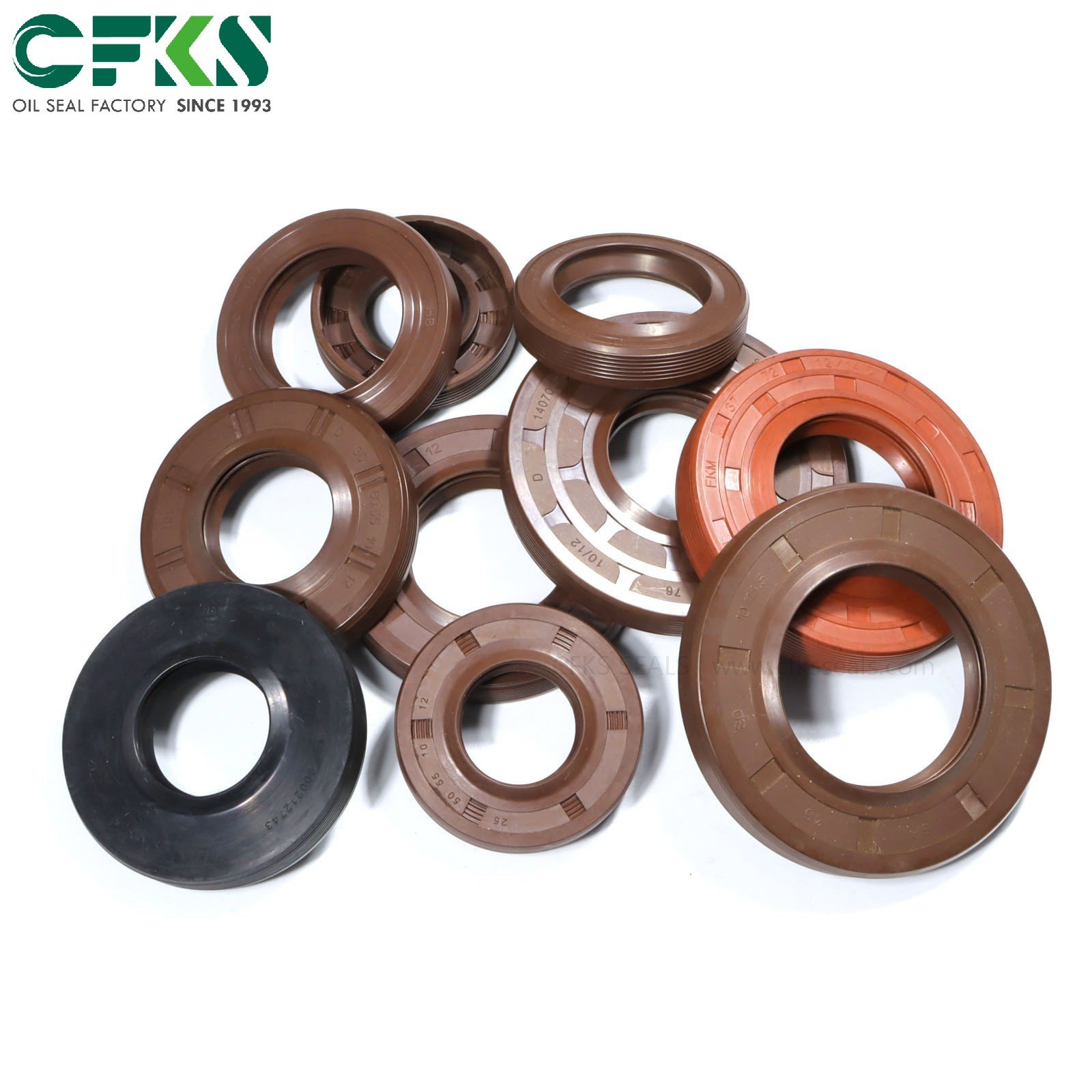
Elastomer Sealing Materials
NBR (Nitrile Butadiene Rubber)
-
Characteristics: Excellent resistance to mineral-based oils and greases, good mechanical abrasion resistance, and highly cost-effective.
-
Limitations: Generally limited to moderate temperatures (typically up to 100°C) and susceptible to ozone and UV degradation.
-
Typical Applications: Standard industrial gearboxes, electric motors, and general machinery operating with mineral oils.
FKM / FPM (Fluoroelastomer)
-
Characteristics: Delivers exceptional high-temperature capability (often up to 200°C) and robust chemical resistance against synthetic lubricants, aggressive additives, and aliphatic hydrocarbons.
-
Limitations: Higher cost and reduced flexibility at extreme low temperatures.
-
Typical Applications: High-speed electric motors, industrial pumps handling synthetic fluids, and demanding automotive environments.
HNBR (Hydrogenated Nitrile Butadiene Rubber)
-
Characteristics: Offers improved heat and aging resistance compared to standard NBR, combined with outstanding mechanical wear properties.
-
Typical Applications: Heavy-duty mobile machinery and high-pressure industrial environments requiring high tensile strength.
ACM (Polyacrylate Rubber)
-
Characteristics: Provides excellent resistance to hot oils and extreme-pressure (EP) gear additives.
-
Typical Applications: Automotive gearboxes, transmissions, and differential systems.
Hardware Materials
-
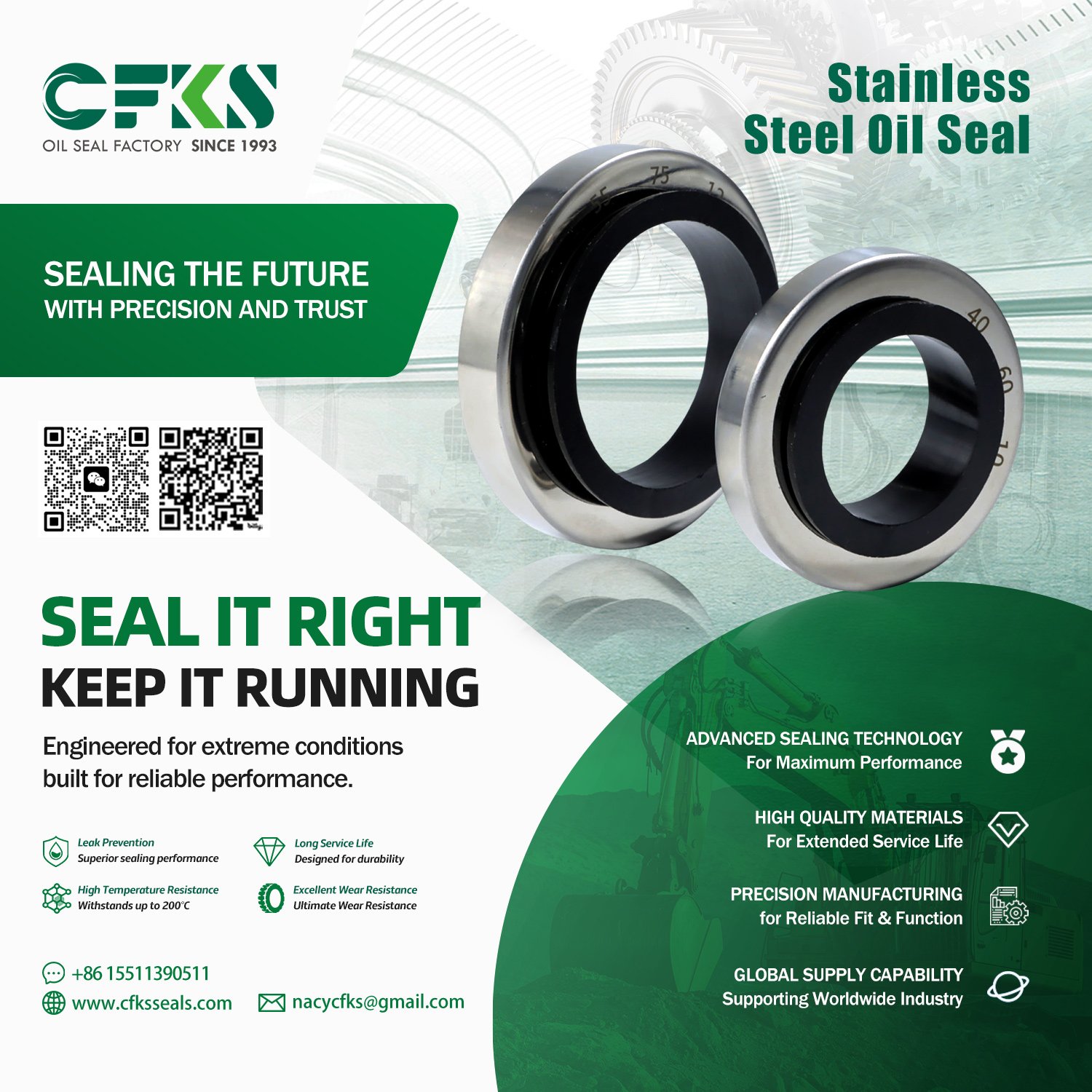
Metal Case: Standard TB seals utilize cold-rolled carbon steel (SPCC) treated with anti-corrosion fluids. For applications exposed to water, marine environments, or chemical washdowns, the metal case should be specified as stainless steel (e.g., SUS304 or SUS316).
-
Garter Spring: Standard springs are manufactured from high-carbon spring steel. In corrosive environments, stainless steel springs are mandatory to prevent rust-induced spring failure and subsequent loss of radial lip force.
TB vs. TC vs. Other Oil Seal Profiles
To ensure correct application, engineers must differentiate the TB profile from other common rotary shaft seals. Profile selection depends on housing design, contamination level, shaft conditions, assembly requirements, and the application environment.
| Parameter | TB Oil Seal | TC Oil Seal | SB Oil Seal | SC Oil Seal |
| Outer Case Structure | Exposed Metal | Rubber-Covered | Exposed Metal | Rubber-Covered |
| Housing Sealing | Metal-to-Metal interference | Rubber-to-Metal interference | Metal-to-Metal | Rubber-to-Metal |
| Primary Sealing Lip | Single (Spring-loaded) | Single (Spring-loaded) | Single (Spring-loaded) | Single (Spring-loaded) |
| Dust Lip (Auxiliary) | Depends on manufacturer norm | Yes (Double Lip) | No (Typically) | No (Typically) |
| Installation Characteristics | High rigidity, requires precise bore | Conforms to minor bore imperfections | High rigidity | Conforms to bore imperfections |
| Housing Material Suitability | Best for rigid Cast Iron/Steel | Ideal for Aluminum or alloy housings | Best for Cast Iron/Steel | Ideal for Aluminum |
Engineering Note: Because a TB seal features a metal OD, it has a different coefficient of thermal expansion than an aluminum housing. If a metal-cased seal is installed in an aluminum housing subject to high heat, the housing may expand faster than the seal, leading to OD leakage. In such cases, a rubber-covered TC seal is often preferred.
TB Oil Seal Applications
TB shaft seals are deployed across a vast array of industrial and mobile equipment where robust housing retention is prioritized.
Electric Motors
Electric motors require low-friction seals to prevent bearing grease loss and protect internal windings from contamination. TB seals are frequently used due to their precise, rigid fit in cast-iron motor end-shields. The compact design aids in overall motor size reduction, though high-speed thermal considerations often dictate the use of FKM elastomers.
Pumps
In industrial fluid handling, TB seals retain bearing lubricants and provide secondary defense against fluid ingress. Material compatibility with the operating media is paramount, especially in chemical or high-temperature processing pumps.
Gearboxes and Transmissions
Industrial and automotive gearboxes endure long operating periods and high torque loads. The metal case of a TB seal ensures it remains securely seated despite intense mechanical vibrations, effectively retaining EP gear oils.
Construction and Agricultural Machinery
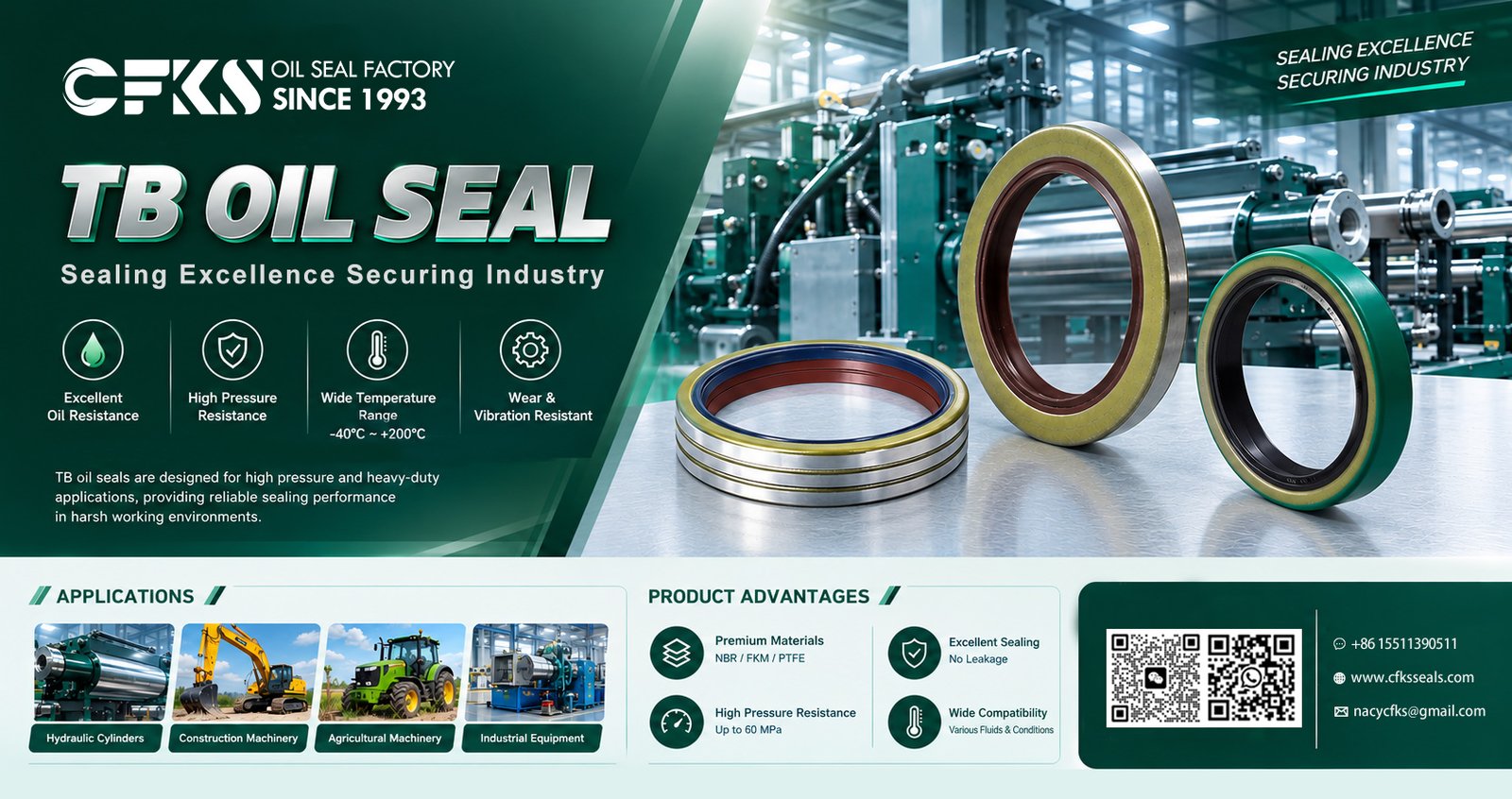
Tractors, excavators, and loaders operate in environments heavily contaminated with dust, dirt, sand, and mud. While TB seals are utilized in enclosed internal gearboxes or protected axles, external applications exposed to heavy mud may require specialized auxiliary exclusion devices (such as V-rings) or heavier TC profiles to protect the primary lip.
TB Oil Seals and 2026 Industrial Trends
The application of industrial shaft seals is rapidly evolving alongside modern engineering trends.
Equipment Reliability and Predictive Maintenance
Seal failure leads directly to lubricant leakage, bearing contamination, and catastrophic equipment downtime. As industries shift from reactive to predictive maintenance, the demand for highly reliable, condition-matched TB seals has surged. A correctly specified seal ensures that equipment reaches its scheduled maintenance intervals without unexpected fluid loss.
Energy Efficiency and Low Friction
Modern rotating equipment faces strict energy efficiency mandates. Frictional drag from a rotary seal consumes parasitic power and generates heat. Seal manufacturers are optimizing lip geometries and utilizing advanced elastomers to reduce radial load and torque friction, thereby lowering heat generation and improving the overall energy efficiency of the machine.
Electrification and High-Speed Rotating Equipment
The electrification of drivetrains (e-axles) introduces new sealing challenges. Electric motors operate at rotational speeds significantly higher than traditional combustion engines, generating intense thermal loads in compact installation spaces. TB seals applied in these environments require precision-ground shafts and specialized low-friction FKM materials to survive high surface velocities without thermal degradation.
Smart Manufacturing and Total Cost of Ownership
In automated manufacturing, the Total Cost of Ownership (TCO) is heavily influenced by maintenance intervals and replacement frequency. Specifying a premium TB seal with optimal material compatibility reduces lubricant consumption, minimizes labor replacement costs, and ensures maximum uptime for continuous production lines.
Sustainability
Reliable sealing technology is inherently sustainable. By preventing lubricant leakage, extending the service life of internal bearings, and reducing the frequency of replacement parts, high-quality oil seals minimize environmental fluid contamination and reduce industrial waste.
TB Oil Seal Failure Modes
A thorough understanding of failure modes allows engineers to troubleshoot and optimize sealing systems.
-
Lip Wear:
-
Causes: Excessive shaft speed, lack of lubrication (dry running), rough shaft surface finish, or abrasive contamination.
-
Symptoms: Progressive oil leakage and an audible squeal from the shaft interface.
-
-
Lip Hardening or Cracking:
-
Causes: Operating temperatures exceeding the elastomer’s thermal limit, chemical incompatibility with the lubricant, or natural aging.
-
Symptoms: The lip loses its elastic memory, becoming brittle and allowing fluid to bypass.
-
-
Oil Leakage (Immediate or Premature):
-
Causes: Damaged lip during installation, shaft misalignment, excessive dynamic runout, incorrect seal orientation, or pressure spikes beyond the seal’s design capability.
-
-
Spring Problems:
-
Causes: The spring may dislodge due to improper assembly (hammering the seal) or lose its preload due to severe chemical corrosion.
-
-
Shaft Groove / Wear Track:
-
Causes: Prolonged operation, especially in the presence of abrasive contaminants trapped under the lip, can machine a wear groove into the rotating shaft, eventually causing severe leakage that a new seal cannot fix.
-
Shaft and Housing Requirements
The sealing system consists of the seal, the shaft, and the housing. The mating components are just as critical as the TB rotary seal itself.
-
Shaft Diameter and Tolerance: Must comply with ISO/DIN standards (e.g., h11 tolerance).
-
Shaft Hardness: The dynamic running surface should typically be hardened (minimum 45 HRC) to prevent the elastomer lip from wearing a groove into the metal.
-
Surface Roughness: The dynamic surface must be plunge-ground to a specific roughness (typically Ra 0.2 to 0.8 µm). Machining leads (spiral grooves) must be completely avoided, as they will mechanically pump oil past the seal lip.
-
Housing Bore: Because a TB seal has a metal OD, the housing bore requires stricter machining tolerances (e.g., H8) and a smoother surface finish than what is required for a rubber-covered TC seal.
-
Concentricity and Runout: High dynamic runout forces the sealing lip to cycle rapidly. If the runout exceeds the elastomer’s flexibility, the fluid film breaks, causing dynamic leakage.
TB Oil Seal Installation Guide
Correct installation is vital. Even a perfectly specified seal will fail if damaged during assembly.
-
Verify Dimensions and Direction: Confirm the seal dimensions match the hardware. Ensure the primary lip faces the fluid to be contained.
-
Inspect the Shaft and Housing: Ensure surfaces are clean and free of burrs, sharp edges, or corrosion.
-
Use Proper Chamfers: The shaft should have a 15° to 30° lead-in chamfer to safely guide the seal lip.
-
Protect the Lip: If installing over splines or keyways, use an installation sleeve or tape to protect the delicate sealing edge.
-
Pre-Lubricate: Apply a thin film of the system lubricant to the seal lip prior to installation to prevent dry-running on startup.
-
Press Evenly: Use a dedicated installation mandrel that applies even force to the outer edge of the metal case. Never strike the seal directly with a hammer, as this will distort the metal case and misalign the lip.
-
Verify Depth: Ensure the seal is pressed squarely to the correct installation depth without cocking or tilting.
TB Oil Seal Selection Guide
Engineers should evaluate the following parameters before specifying a TB oil seal manufacturer or profile:
-
Dimensions: Shaft diameter, housing bore, and seal width.
-
Operating Speeds: Calculate both RPM and circumferential surface speed (m/s) to assess thermal generation.
-
Temperature: Determine both the ambient environment and the localized frictional heat at the seal lip.
-
Lubricant Type: Cross-reference the system oil chemistry against elastomer compatibility (NBR vs. FKM).
-
Housing Material: Ensure the metal-cased TB seal is compatible with the thermal expansion rate of the housing (best for cast iron/steel).
-
Contamination: If dust or water is present, confirm if the specific TB profile includes a dust lip, or if a TC profile is more appropriate.
Important Technical Warning
A standard rotary shaft oil seal should not automatically be treated as a high-pressure seal. Conventional TB oil seals are designed for non-pressurized or very low-pressure environments (typically < 0.05 MPa / 0.5 bar).
If the application involves significant internal pressure, the flexible primary lip will deform, pressing a large surface area against the shaft. This drastically increases friction, generates extreme heat, and leads to immediate seal blowout or thermal destruction. High-pressure applications require specifically engineered pressure-rated rotary profiles (such as TCV or BABSL profiles).
Why Choose CFKS for Industrial Sealing Solutions?
As a globally recognized industrial sealing brand, CFKS provides high-quality rotary shaft sealing solutions engineered for the most demanding applications.
Our application-oriented engineering approach ensures that every CFKS oil seal—including our comprehensive range of TB profiles—is manufactured with rigorous dimensional consistency and premium material science. We offer extensive elastomer options (NBR, FKM, HNBR) paired with precision-stamped metal cases, ensuring optimal fluid retention, reduced friction, and exceptional durability.
With a commitment to consistent manufacturing quality and robust global B2B support, CFKS partners with machinery manufacturers, gear-drive engineers, and industrial distributors to deliver sealing reliability that optimizes Total Cost of Ownership.
Conclusion
The TB oil seal is a masterclass in mechanical rigidity and dynamic fluid control. By leveraging a metal outer case for precise housing retention and advanced elastomers for microscopic fluid management, TB seals protect the internal workings of electric motors, pumps, and industrial gearboxes worldwide. Understanding the limits of elastohydrodynamic lubrication, recognizing the critical nature of shaft surface finishes, and matching materials to operating conditions are the keys to eliminating premature failure.
Are you engineering a new high-speed drivetrain, upgrading a heavy-duty industrial pump, or sourcing reliable components for your MRO distribution network?
Contact CFKS today for expert TB oil seal selection, material consultation, and dedicated B2B application engineering support to secure the reliability of your rotating equipment.
FAQ
What is a TB oil seal?
A TB oil seal is a rotary shaft lip seal characterized by an exposed metal outer case, an elastomeric primary sealing lip, and a garter spring. It is designed to be press-fitted into rigid housing bores to retain lubricants.
What is the difference between TB and TC oil seals?
The primary difference is the outer diameter. A TB seal has an exposed metal case, providing high rigidity and a metal-to-metal fit. A TC seal has a rubber-covered outer case, which conforms better to minor housing imperfections and accommodates the thermal expansion of aluminum housings.
What are TB oil seals used for?
They are widely used in electric motors, industrial pumps, gearboxes, and transmissions where a rigid, secure fit within a cast iron or steel housing is required to retain lubricants.
What materials are available for TB oil seals?
Common elastomer materials include NBR for standard mineral oils and moderate temperatures, and FKM for high temperatures and synthetic lubricants. The metal case is typically carbon steel, with stainless steel available for corrosive environments.
Can TB oil seals be used in electric motors?
Yes, they are frequently used in electric motors due to their compact, rigid design. However, high-speed motor applications often require low-friction FKM materials to manage elevated thermal loads.
Can TB oil seals be used in gearboxes?
Yes. TB oil seals are highly effective at retaining gear oil in industrial and automotive gearboxes, provided the housing bore is machined to the appropriate tight tolerances.
What causes TB oil seal leakage?
Leakage is typically caused by lip wear (from rough shafts or dry running), elastomer hardening (from excessive heat), a damaged lip during improper installation, or a worn groove machined into the rotating shaft.
How do I choose the correct TB oil seal?
Selection must be based on shaft diameter, housing bore dimensions, rotational speed, operating temperature, the specific lubricant chemistry, and the housing material.
How can I extend TB oil seal service life?
Ensure the shaft is plunge-ground to the correct surface finish and hardness, pre-lubricate the seal prior to installation, use proper press tools to prevent metal case distortion, and select an elastomer (like FKM) if operating temperatures are high.
Can CFKS provide customized TB oil seals?
Yes, CFKS provides OEM and ODM support for customized sealing solutions, allowing for tailored dimensions, specific material formulations, and application-specific lip geometries for global B2B clients.
Share this article
Latest articles
September 17, 2026
September 17, 2026
September 17, 2026
September 17, 2026