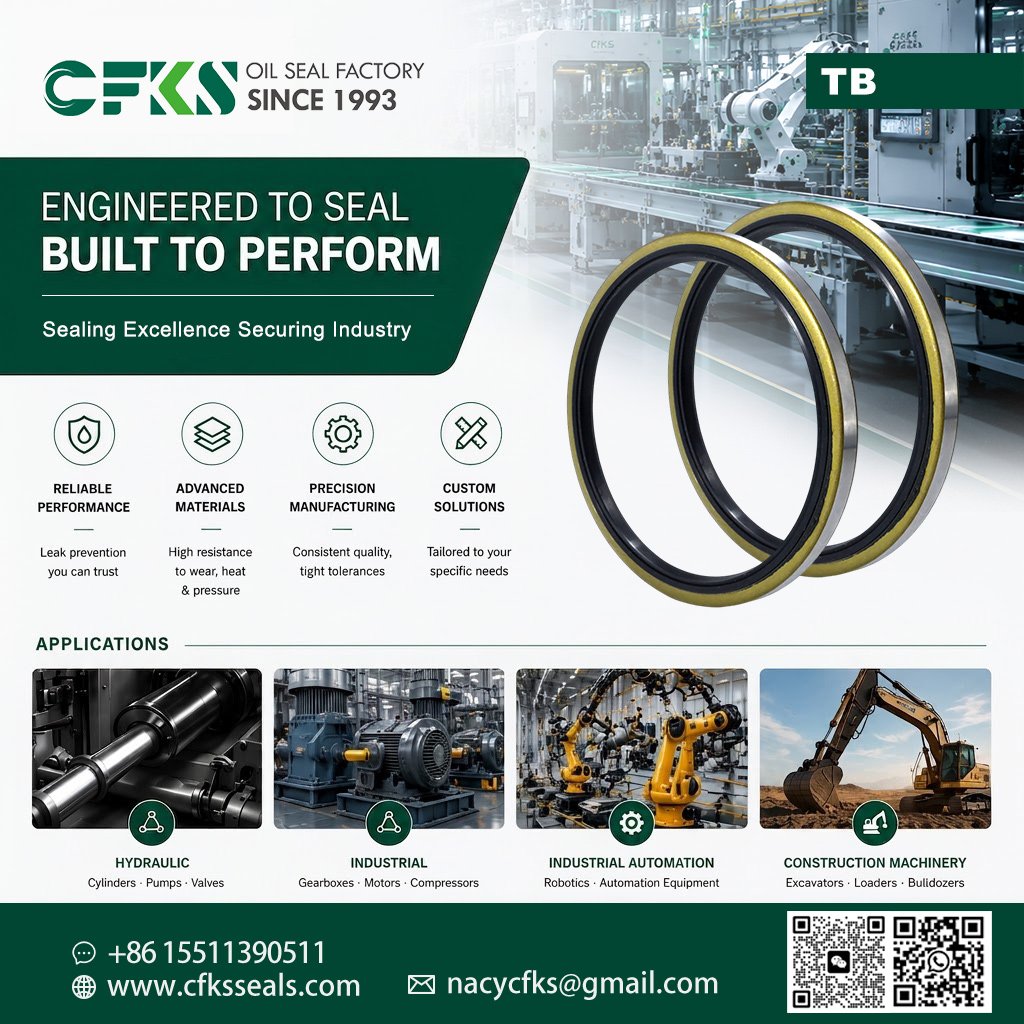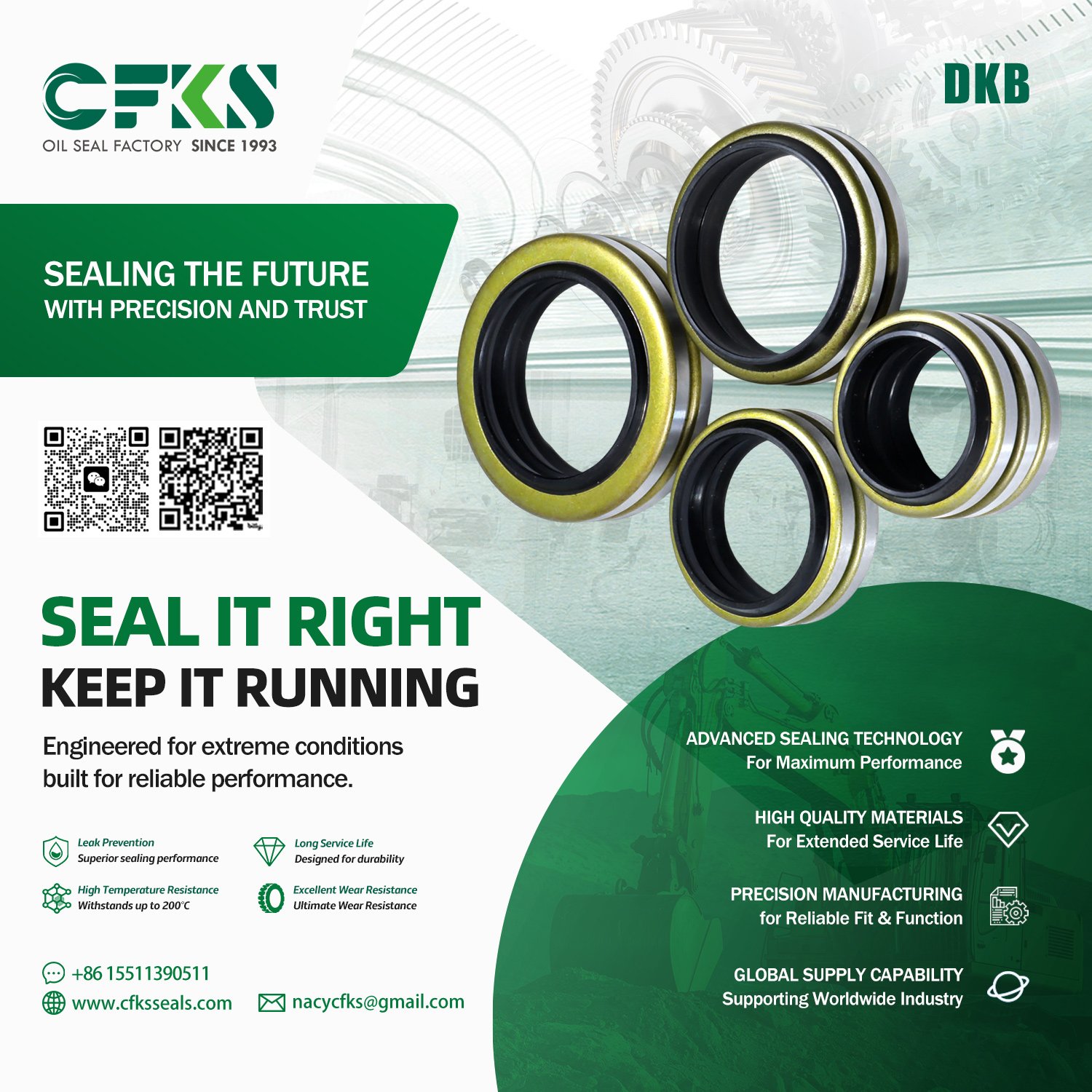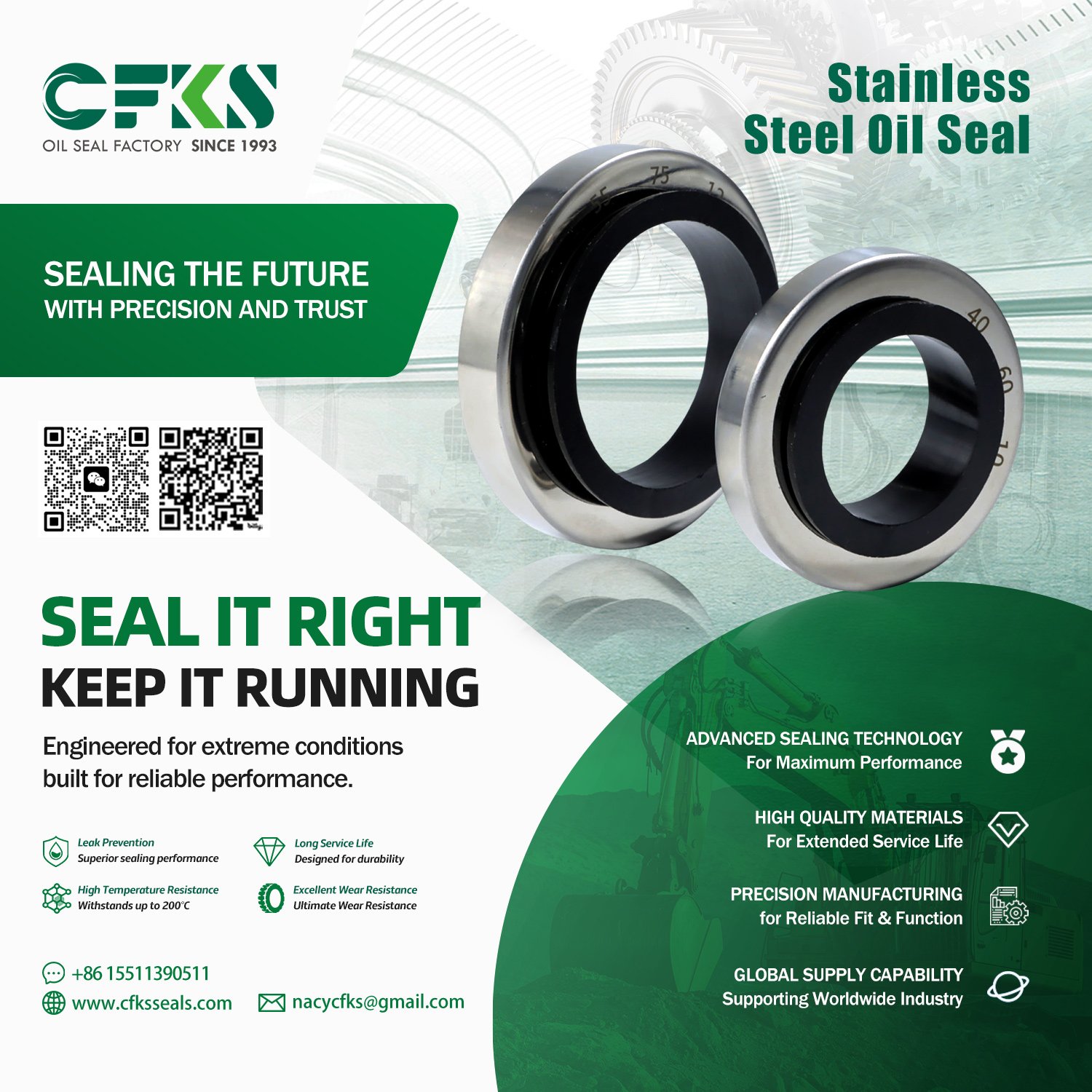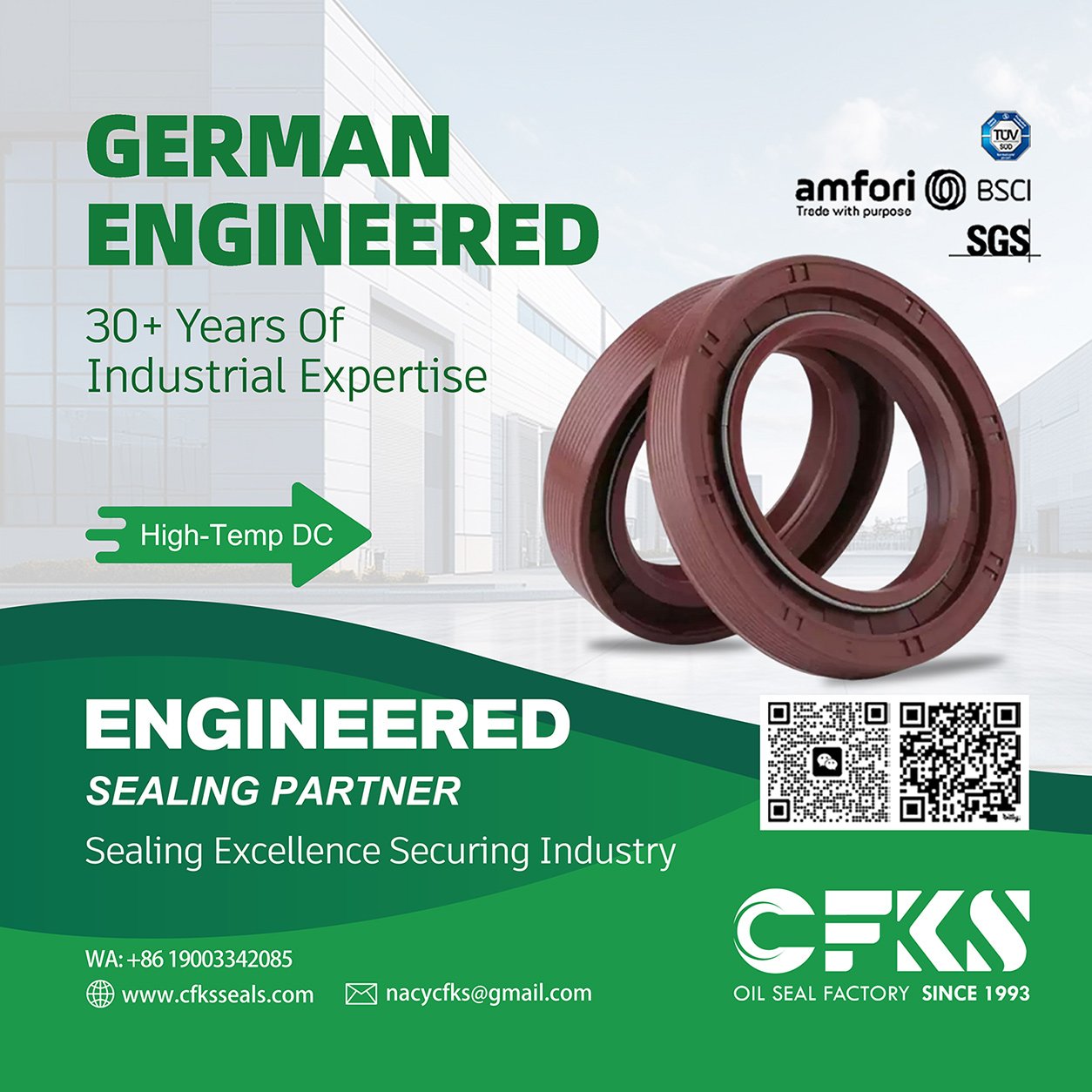
CFKS Introduces Advanced TC Oil Seal Solutions for Global Industrial Applications
News Summary
CFKS, a manufacturer of precision rubber sealing components, has reaffirmed its commitment to supporting global distributors, OEM suppliers, and machinery manufacturers with its TC oil seal product line. As automotive systems and industrial equipment continue to evolve toward higher efficiency, longer service intervals, and more demanding operating environments, the role of dependable rotary shaft sealing has become increasingly central to overall mechanical reliability. This release outlines the technical characteristics of TC oil seals, their core applications, and the engineering principles that guide CFKS’s approach to sealing solution development.
Introduction
In any rotating mechanical system — from a passenger vehicle transmission to a hydraulic pump on a construction site — the seal is one of the smallest components but one of the most consequential. A rotary shaft seal that fails prematurely can lead to lubricant loss, contamination ingress, bearing wear, and ultimately unplanned downtime. As machinery designers push toward higher speeds, higher operating temperatures, and longer maintenance-free periods, the sealing component itself is under growing scrutiny.
TC oil seals — sometimes referred to as rotary shaft seals or radial lip seals — remain one of the most widely specified sealing designs across automotive and industrial equipment because of their balance of cost, performance, and installation simplicity. This article examines the structure, materials, and application logic behind TC oil seals, and explains why they continue to be a preferred choice for engineers designing or maintaining rotating equipment.
Industry Background
The global sealing components market sits at the intersection of several converging industrial trends. Understanding these trends helps explain why sealing performance is no longer treated as a minor consumable specification, but as a design-critical decision.
1. Rising efficiency and durability expectations. Original equipment manufacturers across automotive, agricultural, and industrial machinery sectors are under continuous pressure to extend maintenance intervals and reduce total cost of ownership. This shifts responsibility onto individual components, including seals, to perform reliably over longer service periods without degradation.
2. Increasingly harsh operating environments. Machinery is being deployed in more demanding conditions — higher ambient temperatures, exposure to chemicals, dust, and moisture, and higher rotational speeds. Sealing materials and geometries that were adequate a decade ago are frequently being re-specified to handle these expanded operating envelopes.
3. Automotive electrification and driveline changes. As vehicle drivetrains evolve — including hybrid powertrains, updated transmission architectures, and new axle configurations — sealing requirements are being reassessed. Electrified and hybrid drivetrains often introduce different thermal profiles, different lubricant chemistries, and in some cases different shaft speeds, all of which influence seal material and lip design selection.
4. Modernization of industrial and agricultural machinery. Construction, agricultural, and heavy-duty equipment manufacturers are integrating more compact, higher-load gearboxes and hydraulic systems. This trend increases the mechanical and thermal stress placed on shaft seals, particularly in gearboxes and hydraulic pump housings.
5. Growing demand for consistent aftermarket and OEM replacement parts. As equipment fleets age, distributors and maintenance teams require reliable OEM replacement seals that match original specifications precisely, without requiring redesign of the housing or shaft.
Together, these trends explain why reliable oil seals are not simply a commodity item but a functional safeguard for mechanical systems — protecting bearings, preventing contamination, and directly influencing equipment uptime.
What Is a TC Oil Seal?
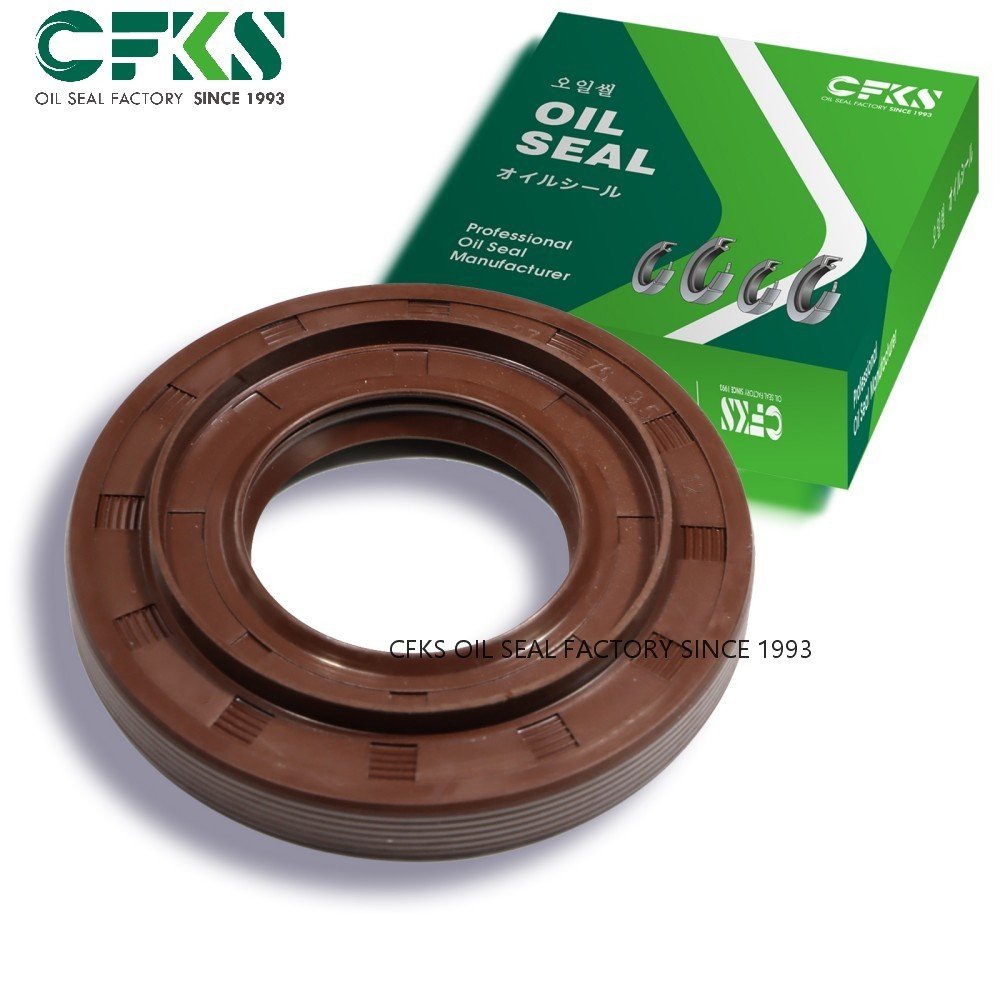
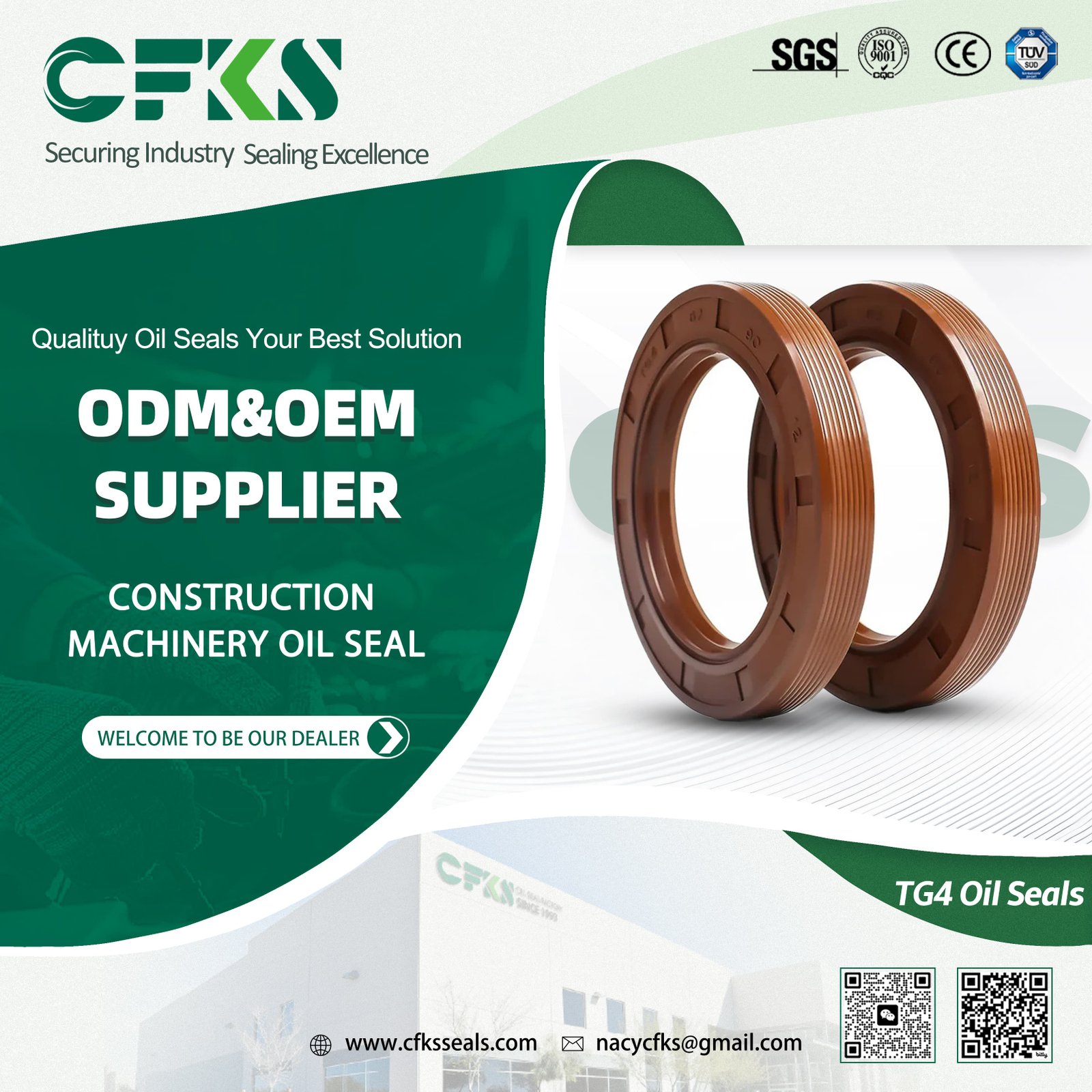
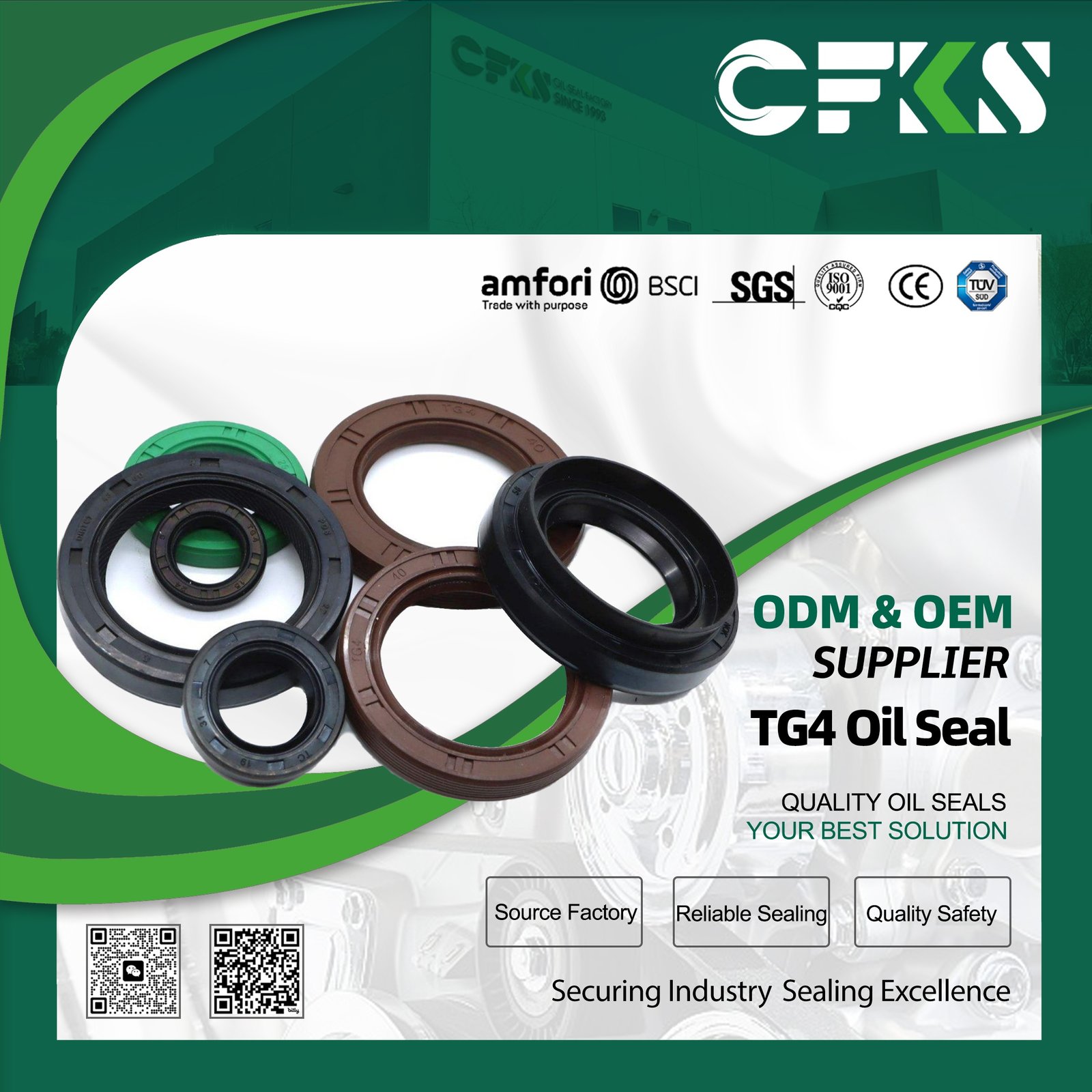
A TC oil seal is a type of rotary shaft seal built around three core structural elements:
- An outer metal case, typically stamped from carbon steel or stainless steel, which provides structural rigidity and ensures a secure, leak-free fit within the housing bore.
- An elastomer sealing body, bonded to the metal case, which forms the sealing lip(s) that contact the rotating shaft.
- A garter spring, seated around the primary sealing lip, which maintains constant radial force against the shaft to compensate for wear and maintain contact pressure over the seal’s service life.
The designation “TC” refers to a common seal configuration featuring a double-lip design: a primary oil seal lip and a secondary dust lip, both housed within a single metal-reinforced body. This construction distinguishes TC seals from single-lip designs and makes them suitable for applications where both internal fluid retention and external contamination exclusion are required.
Double Lip Design Advantages
The dual-lip configuration is central to the functional value of a TC oil seal:
- Primary sealing lip: Maintains continuous contact with the shaft surface to retain lubricant within the housing and prevent oil or grease leakage. The spring-loaded lip geometry is engineered to maintain contact pressure even as minor shaft wear or seal aging occurs.
- Secondary dust lip: Positioned on the atmosphere-facing side of the seal, this lip acts as a barrier against dust, dirt, water splash, and other external contaminants that could otherwise migrate along the shaft and damage the primary sealing lip or contaminate the lubricant.
This combination allows a single component to address both leakage prevention and contamination exclusion — two of the most common causes of premature bearing and gearbox failure.
Rubber Material Options
Seal performance is heavily influenced by elastomer selection, since the lip material determines temperature range, chemical compatibility, and wear resistance:
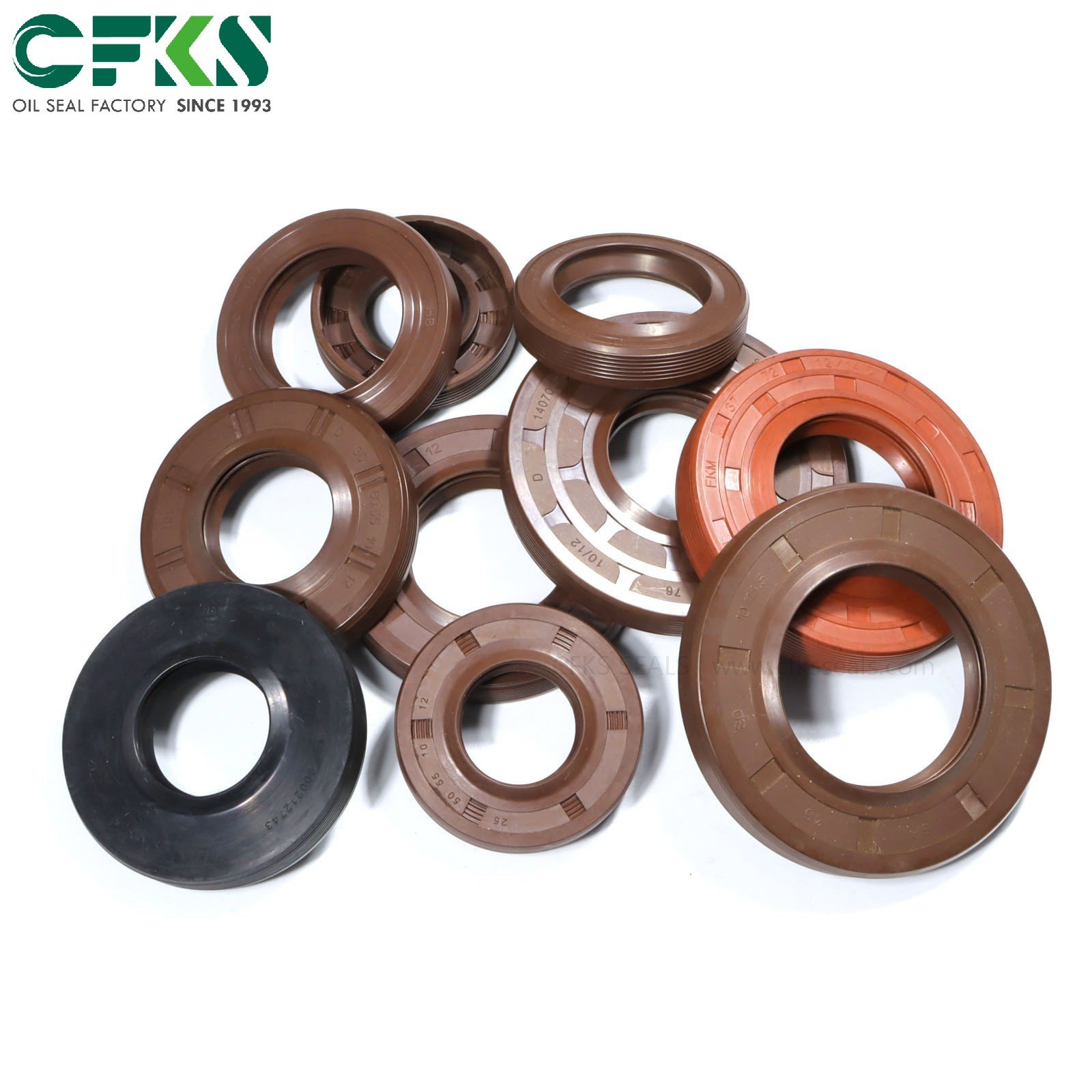
- NBR (Nitrile Butadiene Rubber): A cost-effective, general-purpose material with good resistance to mineral oils and greases, suitable for standard automotive and industrial temperature ranges.
- FKM / Viton: A fluoroelastomer offering higher temperature resistance and improved chemical resistance, typically specified for engine, transmission, or industrial applications involving elevated operating temperatures or more aggressive lubricants.
- Additional compounds such as silicone or acrylic rubber (ACM) may be selected for specific temperature or chemical exposure requirements, depending on the application.
Material selection is not a matter of one compound being universally superior; rather, it is a matter of matching the elastomer’s temperature range, chemical resistance, and wear characteristics to the specific operating conditions of the equipment.
Metal Case Reinforcement
The stamped metal case serves two functions: it provides a rigid mounting interface that ensures a controlled interference fit within the housing bore, and it supports the elastomer body against distortion under pressure and thermal cycling. Depending on design requirements, the metal case may be fully rubber-covered (for improved corrosion resistance and static sealing at the outer diameter) or exposed, depending on the housing material and sealing requirements.
Oil Retention and Leakage Prevention Mechanism
The sealing mechanism relies on maintaining a thin, controlled lubricant film at the lip-to-shaft interface. The garter spring applies consistent radial load, while the lip geometry — often featuring a slight asymmetric profile — creates a pumping action that helps direct any migrating fluid back toward the lubricated side of the seal. This mechanism is what allows TC oil seals to maintain long-term leakage prevention under continuous rotation, rather than relying solely on static compression.
Temperature, Pressure, Speed, and Chemical Resistance
Performance characteristics vary by material and design, but well-specified TC oil seals are engineered to accommodate:
- A defined operating temperature range appropriate to the selected elastomer (NBR generally supports moderate ranges, while FKM extends further into high-temperature service)
- Moderate internal pressure differentials typical of splash-lubricated or low-pressure housings
- A range of shaft surface speeds, with lip design and spring tension selected to minimize heat generation and wear at the intended rotational speed
- Resistance to common lubricants, and where FKM or specialty compounds are used, improved resistance to more aggressive fluids or chemical exposure
Correct specification requires matching these parameters to the actual operating conditions of the equipment, which is why technical consultation with the seal manufacturer is often valuable during the design or replacement process.
Key Advantages of TC Oil Seals
- Dual protection against both internal leakage and external contamination in a single component
- Simplified installation into standard housing bores without additional retaining hardware
- Material flexibility, allowing selection of NBR, FKM, or other compounds based on application-specific temperature and chemical requirements
- Consistent sealing force maintained over time through garter spring loading
- Broad compatibility with standard shaft and housing dimensions used across automotive and industrial equipment, supporting straightforward OEM replacement seal sourcing
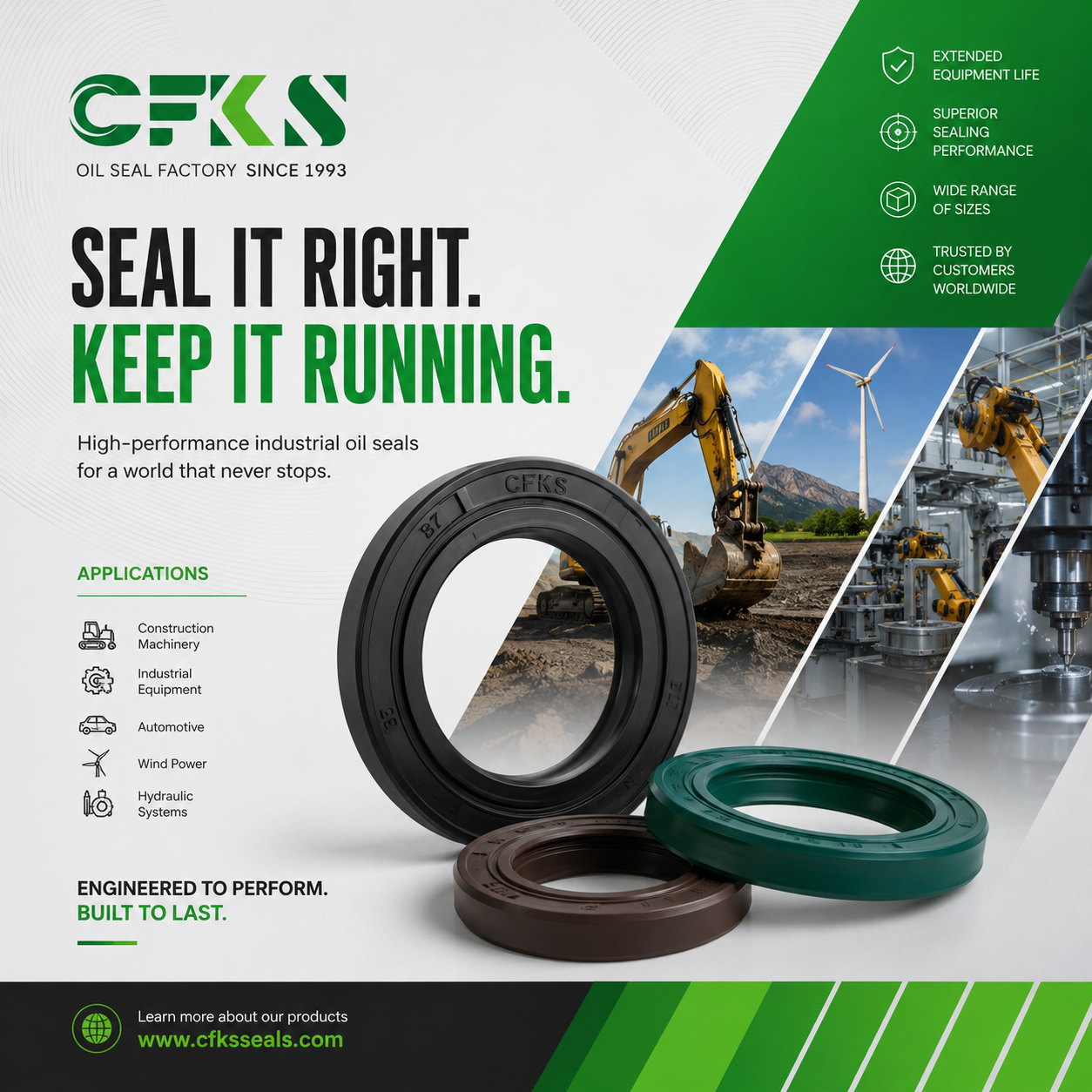
Main Applications
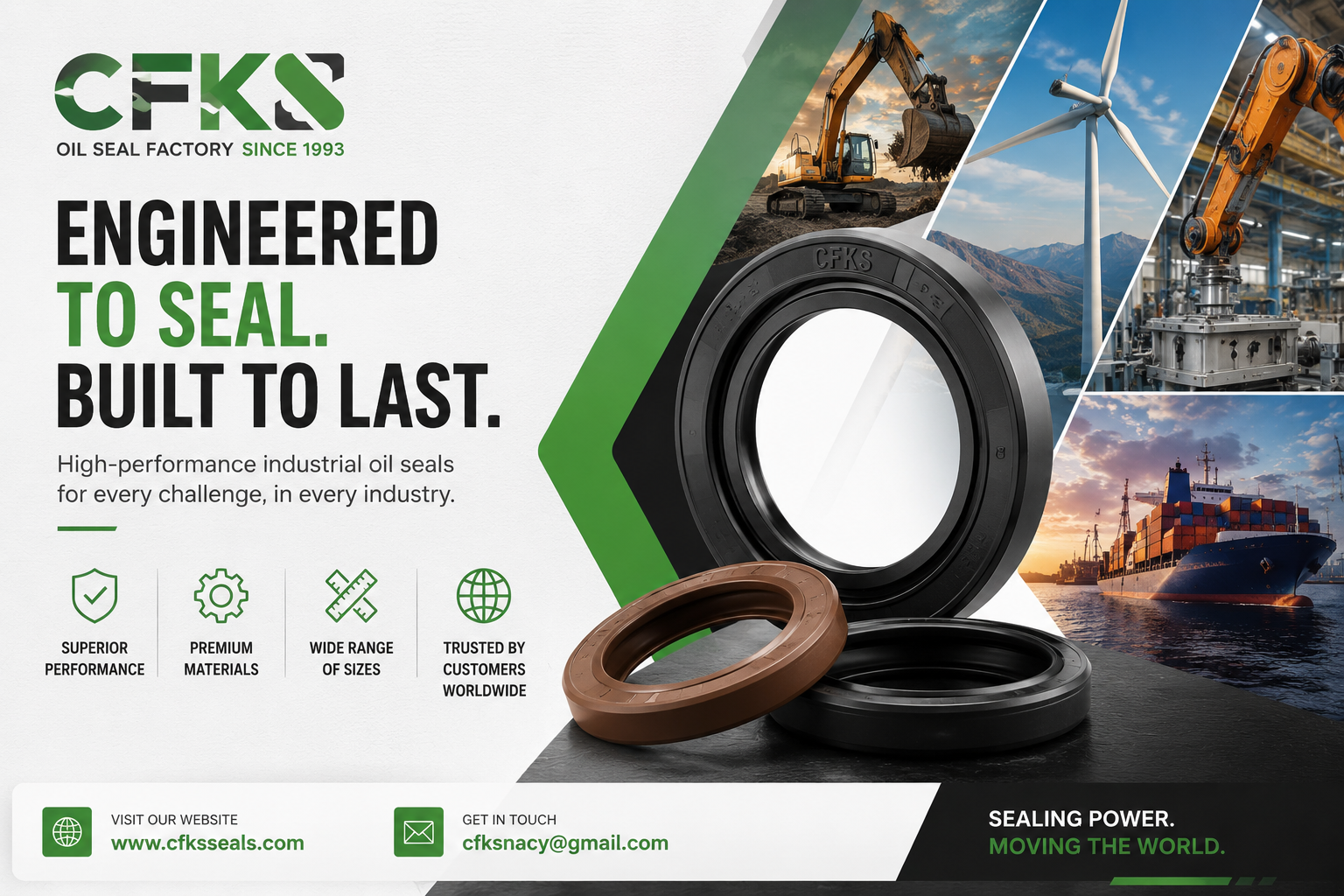
Automotive engines: TC oil seals are used at crankshaft and camshaft positions to retain engine oil and prevent contamination from entering the crankcase, protecting critical rotating components from both oil starvation and abrasive ingress.
Transmission systems: Input and output shaft seals prevent transmission fluid leakage while excluding road contaminants, supporting consistent shifting performance and gear lubrication.
Wheel hubs: Seals at the wheel hub assembly retain wheel bearing grease and block water, mud, and road debris — conditions where the dust lip function is particularly important.
Agricultural machinery: Exposure to dust, moisture, and field debris makes double-lip sealing especially relevant for gearboxes, PTO shafts, and hydraulic components on tractors and harvesting equipment.
Hydraulic equipment: Rotary shaft seals on hydraulic pumps and motors prevent hydraulic fluid loss at shaft penetrations, supporting consistent system pressure and preventing fluid contamination.
Construction machinery: Excavators, loaders, and similar equipment operate in abrasive, high-vibration environments where robust metal-case construction and effective dust exclusion directly affect component longevity.
Industrial motors: Shaft seals on electric motors prevent lubricant leakage from bearing housings and protect windings and bearings from dust and moisture ingress in industrial settings.
Gearboxes: Input and output shaft positions on industrial gearboxes require reliable sealing to maintain lubricant levels and prevent contamination that could accelerate gear and bearing wear.
Heavy-duty equipment: Mining, material handling, and other heavy-duty applications place seals under sustained mechanical and thermal stress, where consistent lip contact pressure and appropriate material selection are essential to avoiding unplanned downtime.
In each of these applications, the underlying sealing problem is similar: maintaining lubricant retention and excluding contamination at a rotating shaft interface, under conditions that vary in temperature, speed, pressure, and environmental exposure.
Why Choose CFKS TC Oil Seals
CFKS manufactures rubber oil seals and industrial customers, with a production approach built around the following principles:
- Manufacturing experience across a range of standard and application-specific seal dimensions, supporting both OEM supply and aftermarket parts requirements
- Quality control procedures applied through incoming material inspection, in-process dimensional checks, and finished product testing
- Production technology suited to consistent metal-case forming and elastomer bonding, supporting dimensional accuracy and repeatability across production runs
- Material testing capabilities to verify elastomer compatibility and performance characteristics relevant to customer applications
- Custom sealing solutions, including seal dimensions, lip configurations, and material selection tailored to specific shaft, housing, and operating condition requirements
- Export experience supporting distributors, machinery manufacturers, and engineering companies across international markets
- A focus on sealing reliability, recognizing that consistent seal performance directly supports the mechanical reliability of the equipment it protects
CFKS works directly with distributors, OEM suppliers, and machinery manufacturers to identify appropriate seal specifications for their equipment and application conditions, rather than offering a one-size-fits-all product line.
Future Trends in Sealing Technology
Looking ahead, several developments are likely to continue shaping the sealing components sector:
- Continued evaluation of elastomer compounds to address higher operating temperatures and evolving lubricant chemistries associated with modernized drivetrains and machinery
- Increased attention to sealing performance in hybrid and electrified vehicle components, where thermal and speed profiles may differ from conventional internal combustion applications
- Growing demand for precise OEM replacement seals as global equipment fleets age and require dependable aftermarket parts
- Ongoing refinement of lip geometry and spring design to extend service life and reduce friction-related heat generation
- Greater emphasis on supplier-side material testing and quality documentation as OEMs and distributors seek verifiable performance data
These trends reinforce a broader industry shift: sealing components are increasingly evaluated as engineering decisions rather than commodity purchases, with material science, design geometry, and manufacturing consistency all contributing to long-term mechanical reliability.
Conclusion
TC oil seals remain a foundational sealing solution across automotive and industrial equipment because their double-lip design addresses two persistent engineering challenges at once: retaining lubricant and excluding contamination. As equipment efficiency requirements, service life expectations, and operating environments continue to evolve, the technical basis for selecting the right rotary shaft seal — material, lip design, and manufacturing quality — becomes an increasingly important part of equipment design and maintenance planning.
CFKS continues to supply TC oil seals and related sealing components to distributors, OEM suppliers, machinery manufacturers, and engineering companies worldwide, with an emphasis on technical accuracy, material verification, and consistent manufacturing quality.
Call to Action
For technical datasheets, dimensional specifications, or custom sealing solution inquiries, distributors, OEM suppliers, and engineering teams are invited to contact CFKS directly or visit www.cfksseals.com to review the full TC oil seal product range and request application-specific consultation.
Share this article
Latest articles
October 6, 2026