Sealing Excellence, Securing Industry

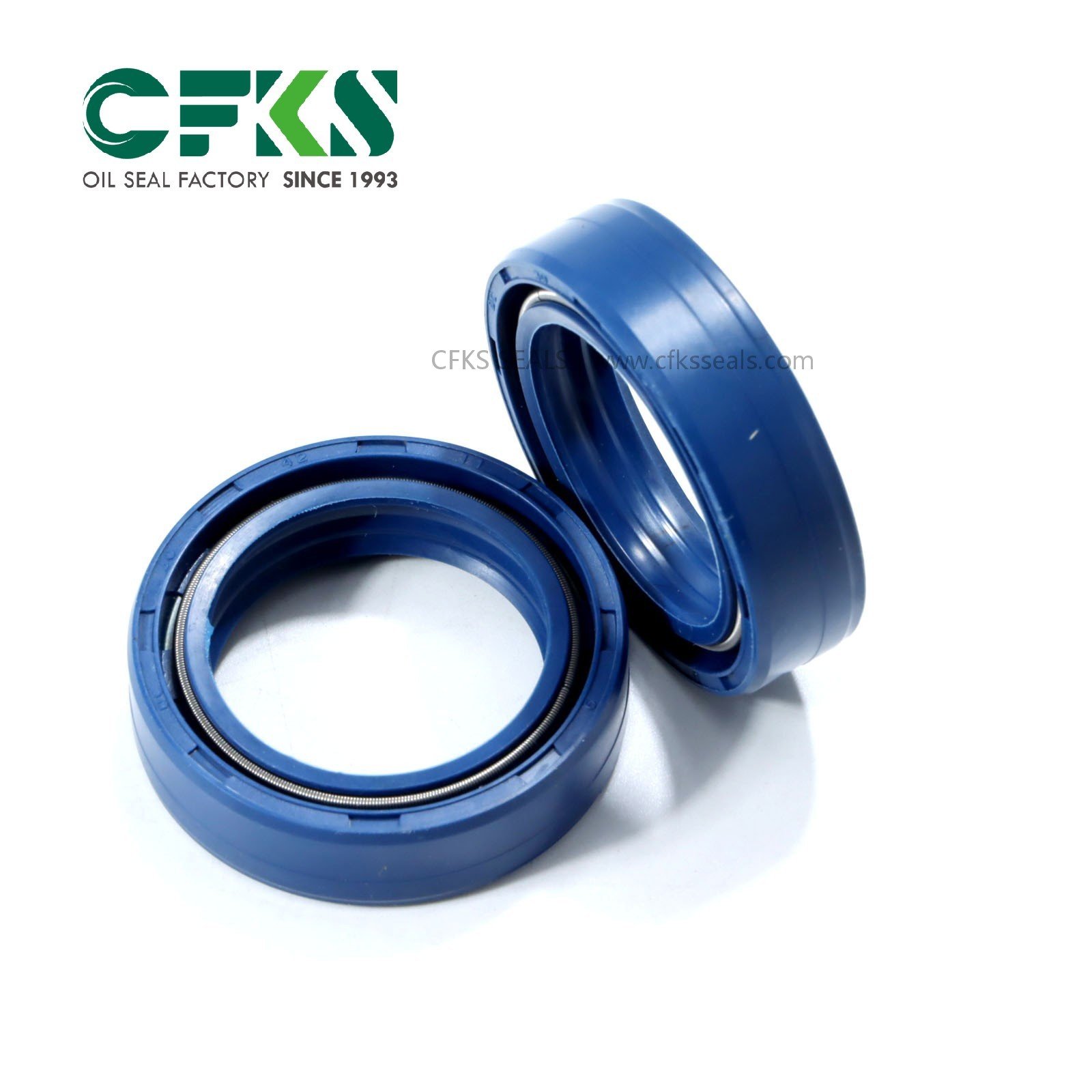
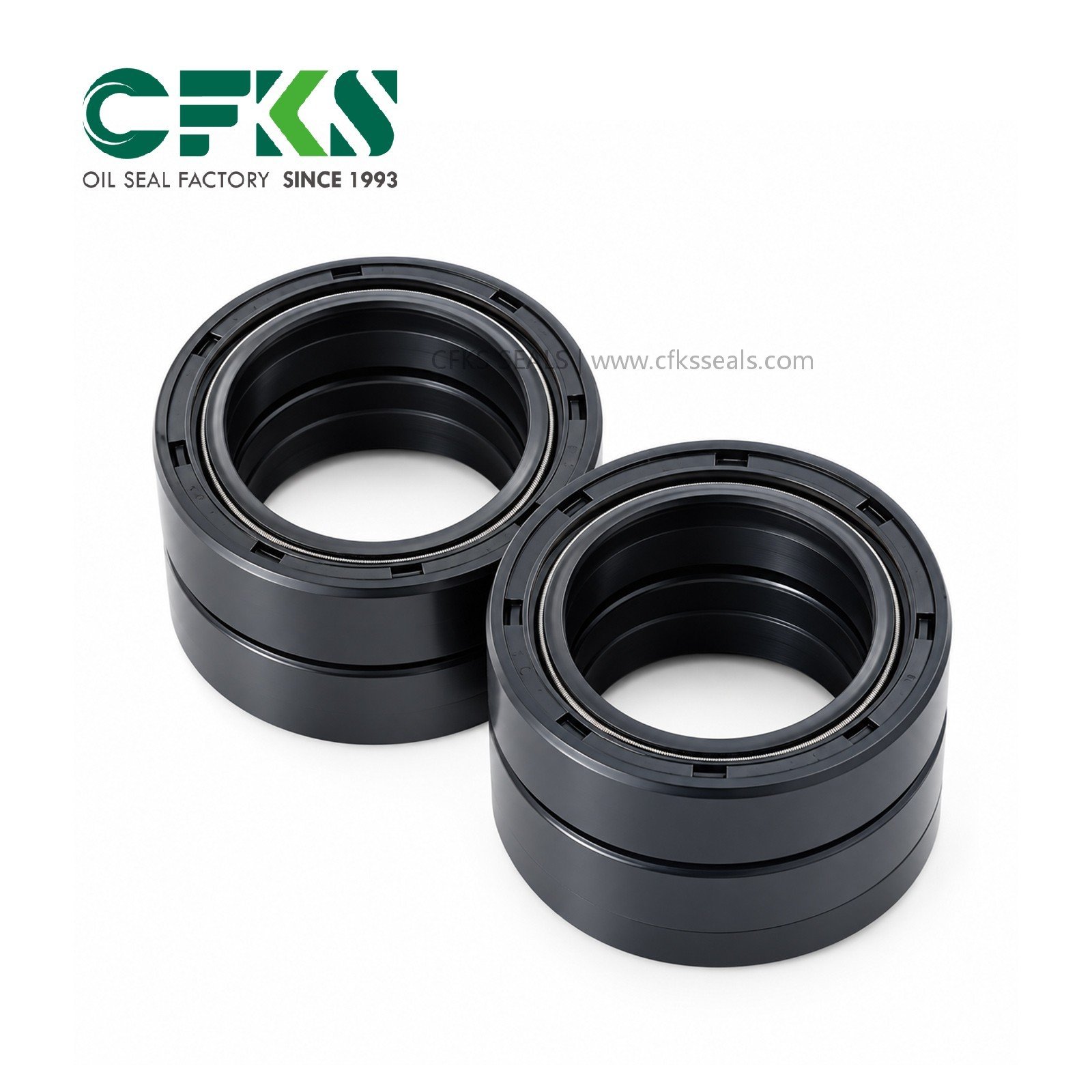
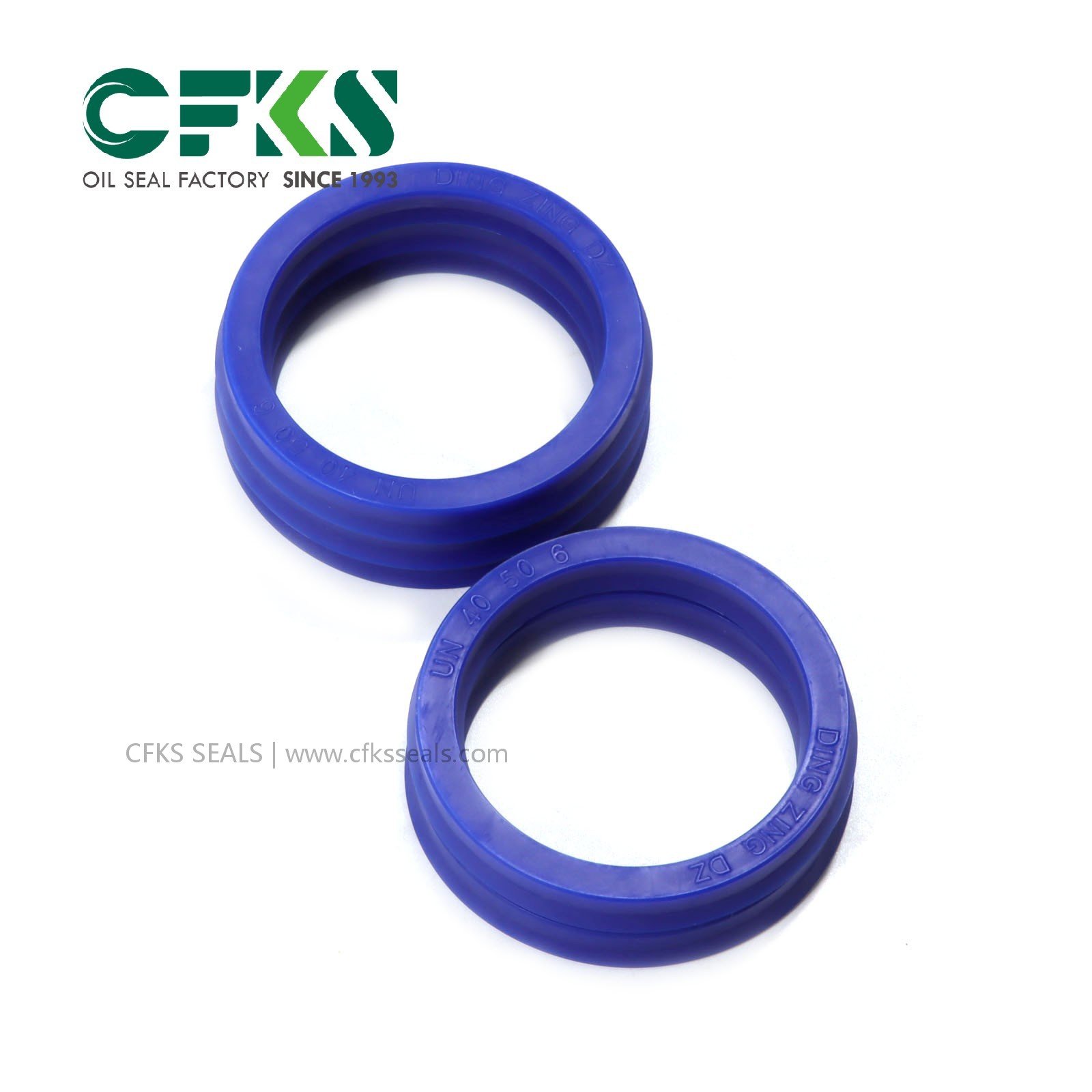
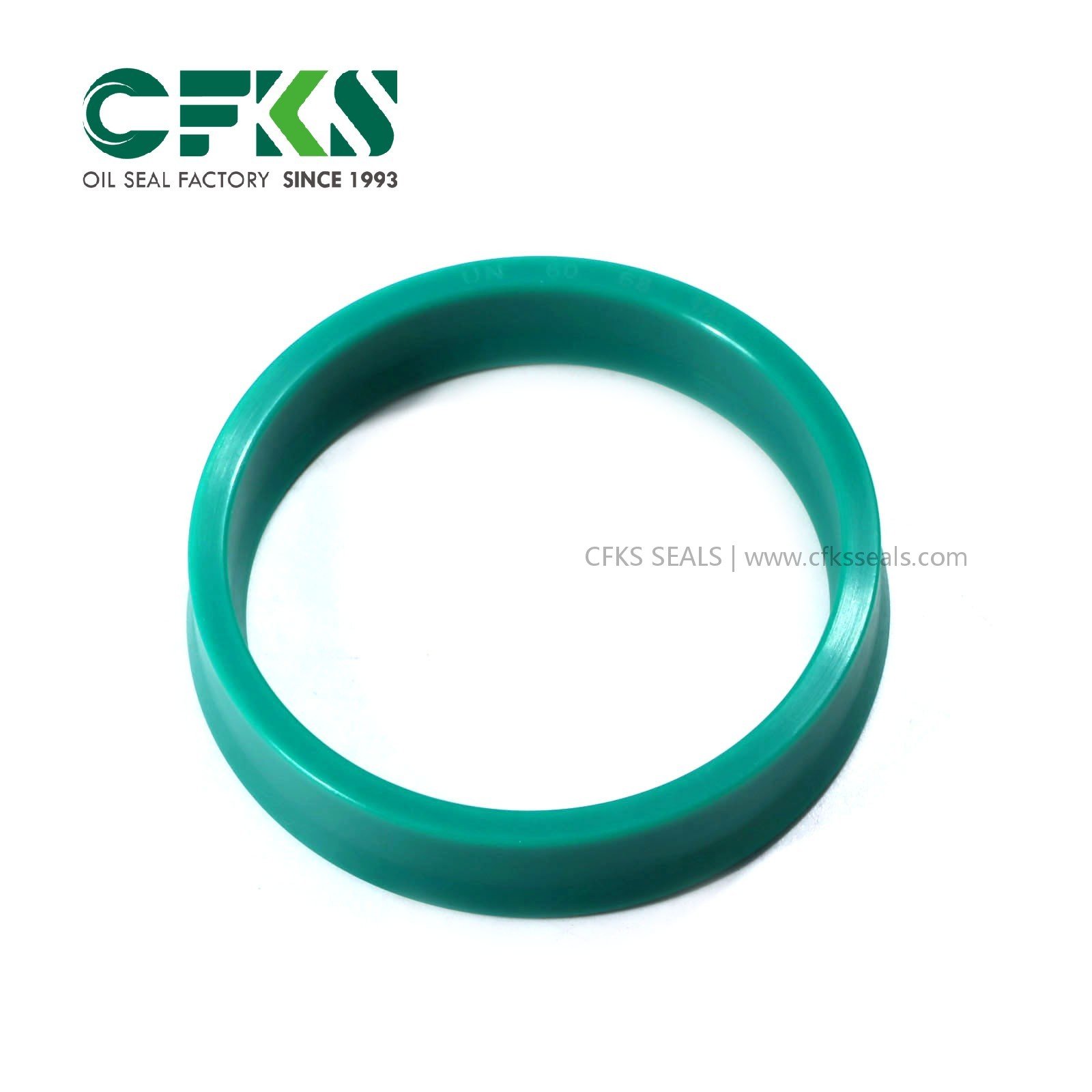
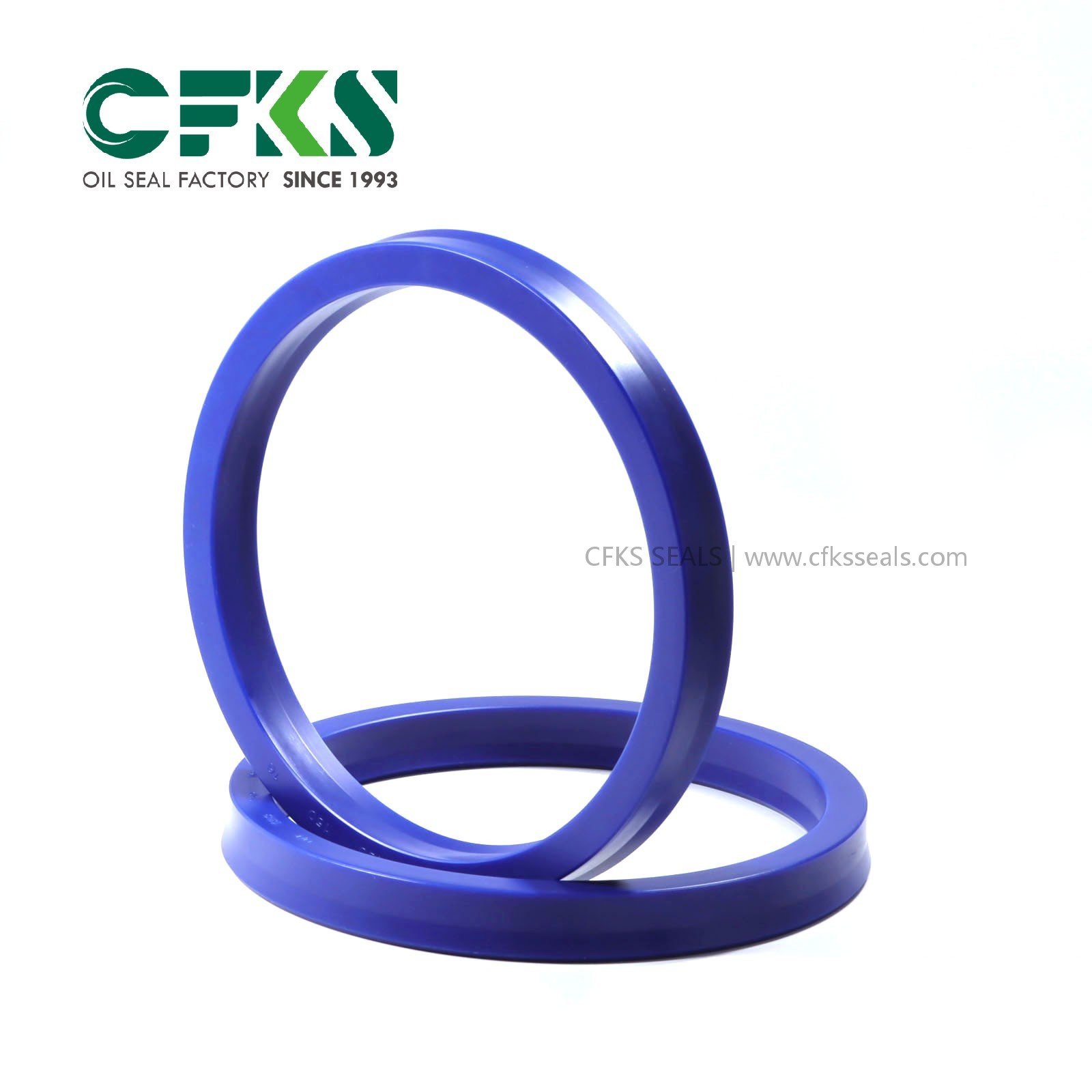
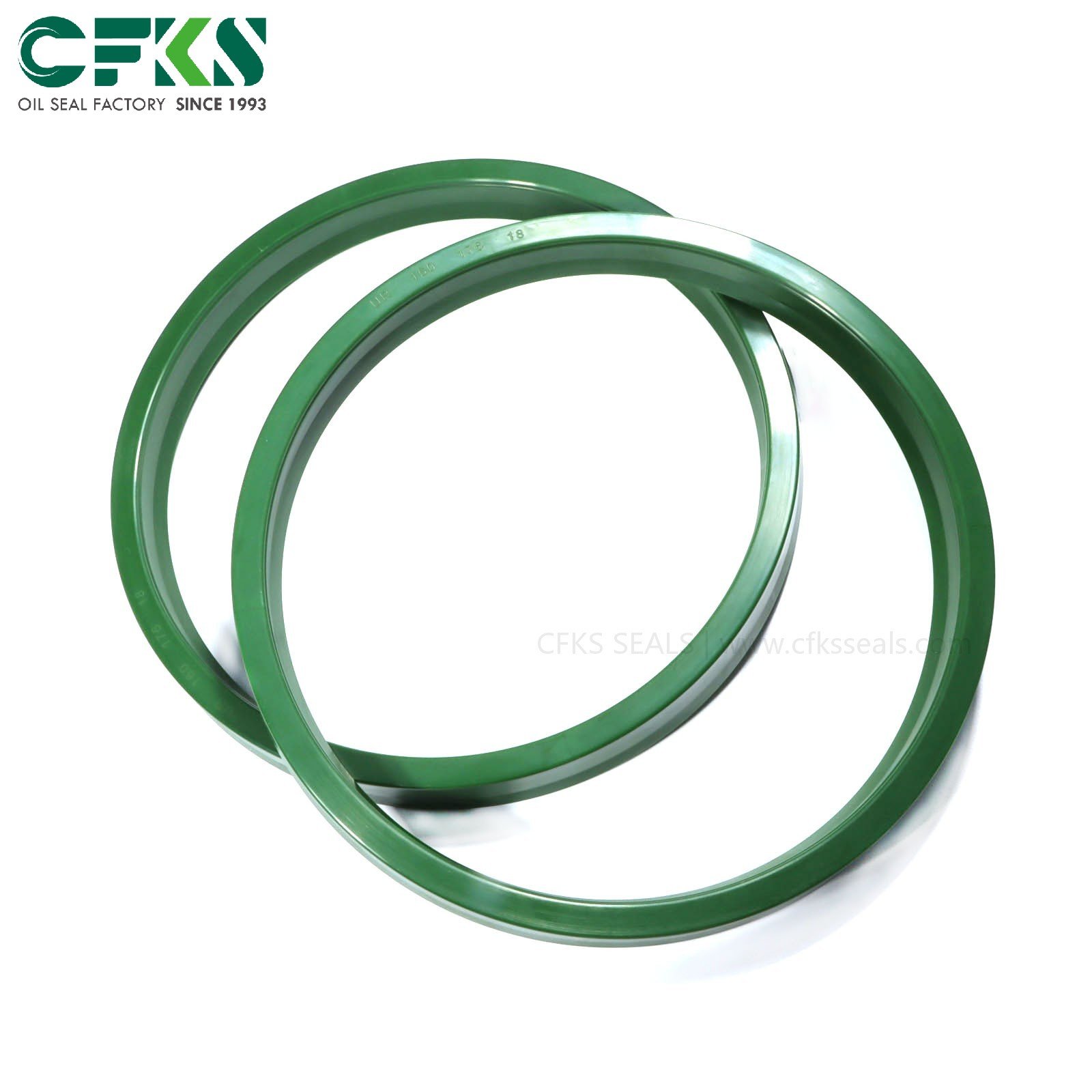
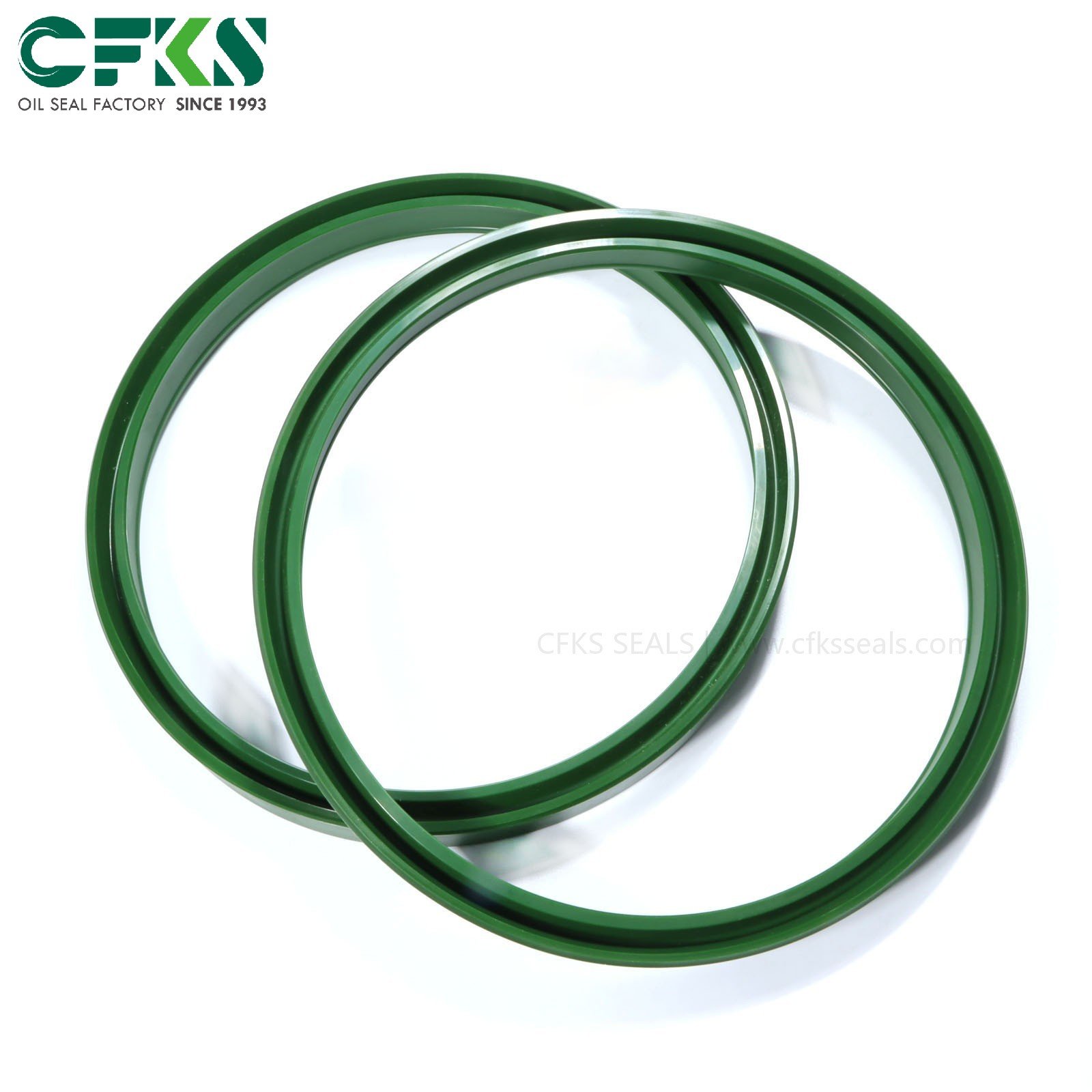
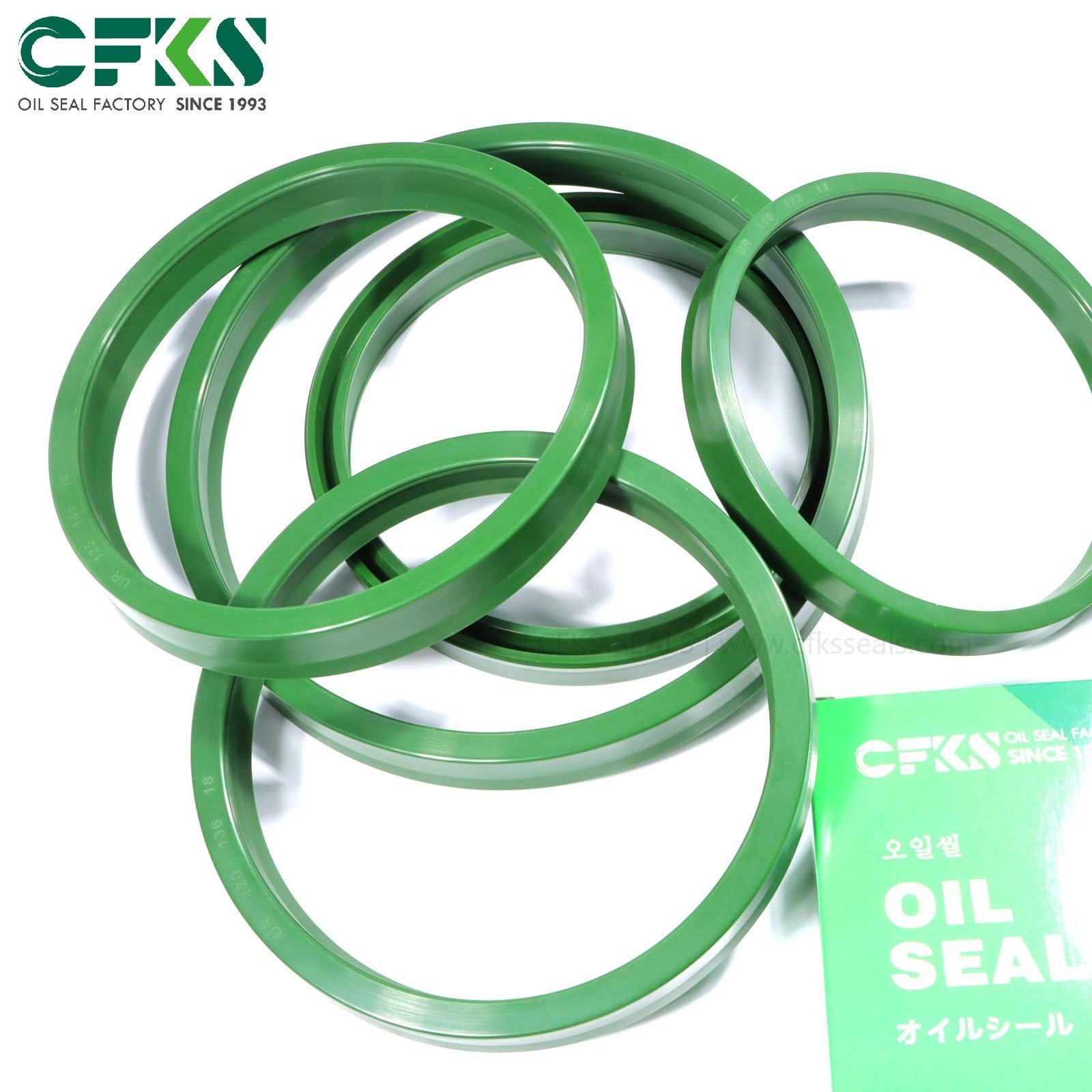
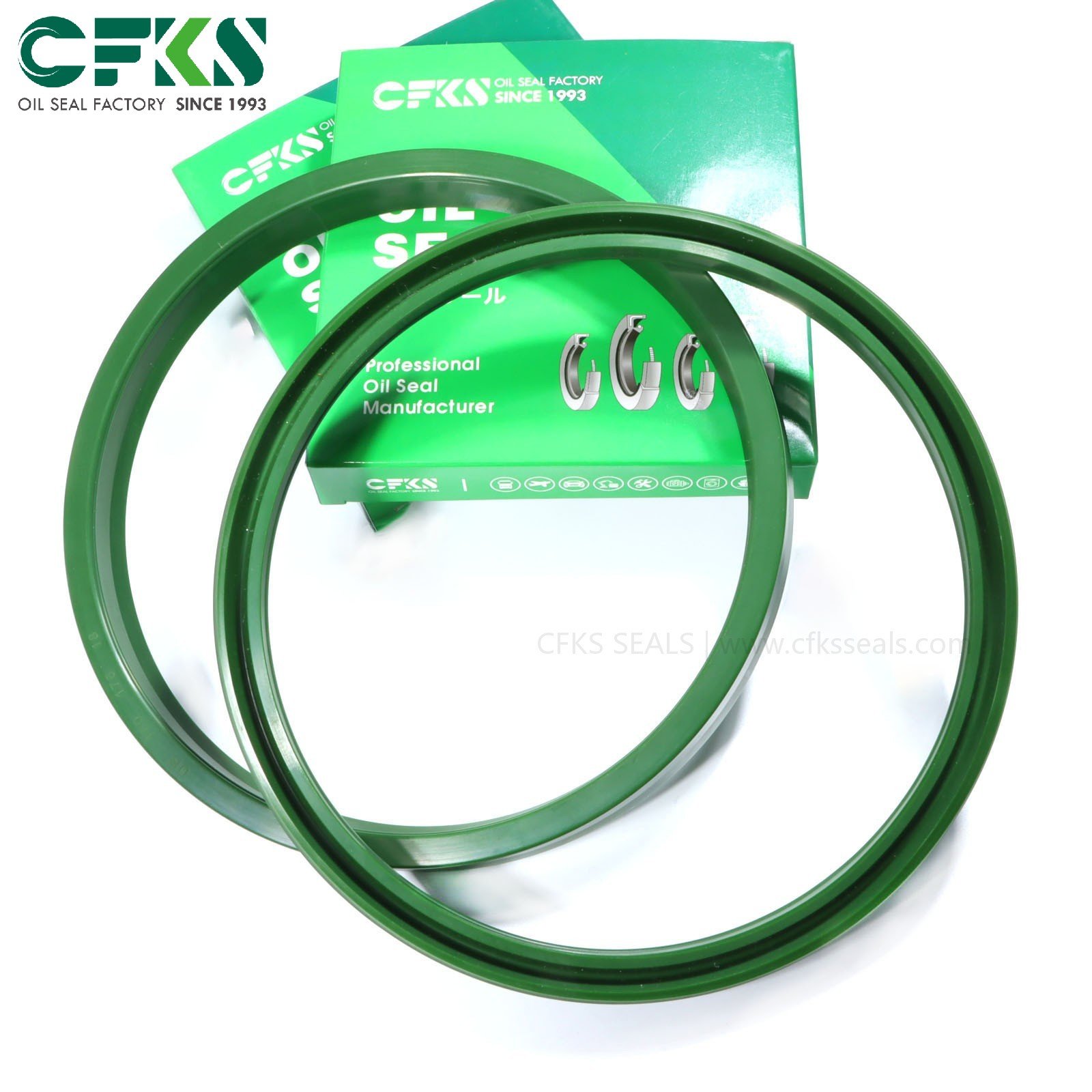
CFKS UR Piston Rod Seal 160*176*18 Anti-Extrusion UR Lip Seal

The CFKS 160*176*18 UR Piston Rod Seal is precision-engineered to prevent seal extrusion in high-pressure hydraulic circuits, providing superior reliability for demanding excavating and industrial applications. By utilizing a robust UR-lip profile, this seal effectively mitigates the risk of gap extrusion under heavy load cycling, ensuring the hydraulic cylinder maintains optimal pressure and operational efficiency without premature failure.

  • Anti-Extrusion Geometry: Specialized lip profile designed to withstand high-pressure spikes and minimize gap clearance issues.

  • Tight Tolerance Engineering: Exact 16017618 dimensions ensure a secure, zero-bypass fit in standard cylinder grooves.

  • Extended Operational Life: Resilient elastomeric construction reduces friction and heat build-up during long-duration duty cycles.

Find your sealing solution with CFKS — contact us for a quote.
Parameter Specification Parameter Specification
Product Name CFKS UR Seal Specification 160*176*18
Material NBR / FKM / PU Feature Anti-Extrusion / High Pressure
Work Temp -20°C to 220°C Usage Excavator, Press, Injection Machine
Hardness 85-95 Shore A Type Piston / Rod Universal Seal


The UR profile serves as a critical dual-function seal, capable of operating effectively as both a rod and piston seal. Its primary engineering strength lies in the geometric design of the sealing lip, which acts as a barrier against extrusion—a common failure mode where the seal material is forced into the clearance gap between the rod and the cylinder head under high pressure. When system pressure increases, the UR seal’s geometry utilizes this force to expand the lip against the sealing surface, creating a tighter, more robust contact point that dynamically adapts to pressure surges.

To ensure long-term performance, CFKS selects materials based on the specific mechanical stresses of your application. We prioritize high-grade Polyurethane or NBR/FKM compounds known for their high tensile strength and tear resistance. While PU offers superior abrasion resistance for heavy-duty construction machinery, FKM variants are utilized for high-heat environments or where aggressive synthetic fluids are present. These materials are compounded to maintain elasticity throughout the temperature range, preventing the “setting” or hardening that typically leads to leakage in standard seals.

Achieving maximum seal life requires meticulous attention to the installation environment. The UR seal is designed for durability, but the sealing lip remains vulnerable to nicks or stretching during the press-fit process. We recommend using tapered installation tools to guide the seal over rod threads and grooves, ensuring the lip does not roll or twist. During routine maintenance, inspect the cylinder bore for scoring; even minor surface defects can compromise the anti-extrusion barrier. Regular lubrication with a compatible hydraulic fluid prior to installation is essential to minimize start-up friction and thermal degradation.

Frequently Asked Questions (FAQ)

Why does my CFKS oil seal fail prematurely? Common causes and prevention tips2025-06-26T15:44:39+08:00

Premature oil seal failure can result from improper installation, poor shaft finish, incorrect material selection, or excessive pressure. To prevent this, ensure the shaft surface is smooth and within tolerance, use correct tools during installation, and choose seals made from materials compatible with your media and temperature.

How to correctly install a CFKS industrial oil seal to avoid leakage2025-06-26T16:04:32+08:00

Always clean the shaft and bore before installation. Use appropriate seal drivers to avoid deformation. Lubricate the lip before fitting to reduce friction during the first rotation. Ensure the seal is seated evenly and not tilted to avoid leaks.

What to do when your CFKS hydraulic seal is leaking under pressure2025-05-20T16:33:14+08:00

Check if the pressure exceeds the seal’s rated limit. Examine for wear, hardening, or improper installation. Replace the seal if damaged, and consider upgrading to a high-pressure CFKS seal variant. Also, verify that the housing and shaft are properly aligned.

How to choose the right CFKS oil seal for extreme operating environments2025-05-20T16:34:39+08:00

For high temperatures, aggressive chemicals, or abrasive environments, choose CFKS seals made of FKM, PTFE, or high-performance elastomers. Consider using seals with protective dust lips or metal casing. Our team can recommend the best fit for your application.

MESSAGE

Go to Top