Sealing Excellence, Securing Industry

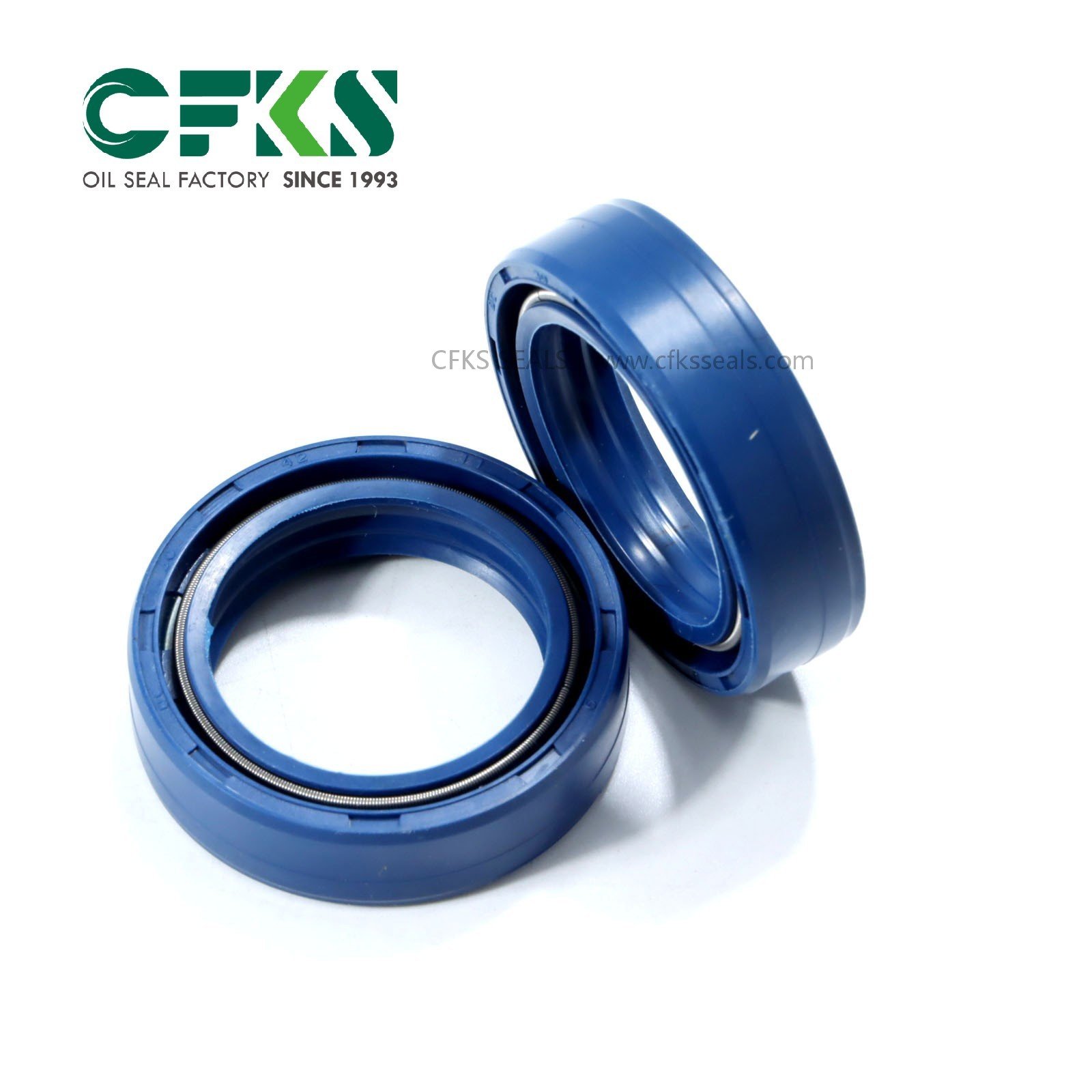
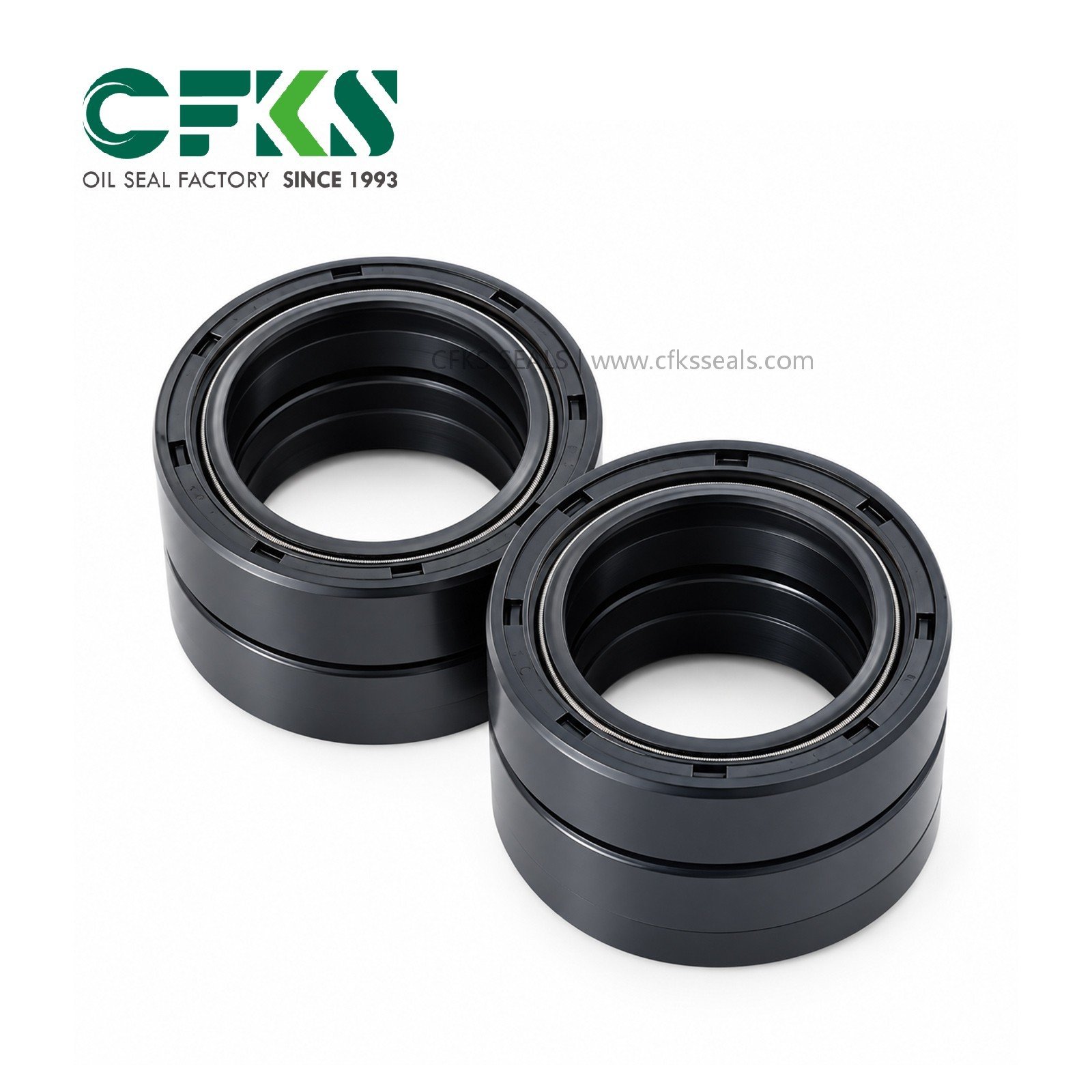
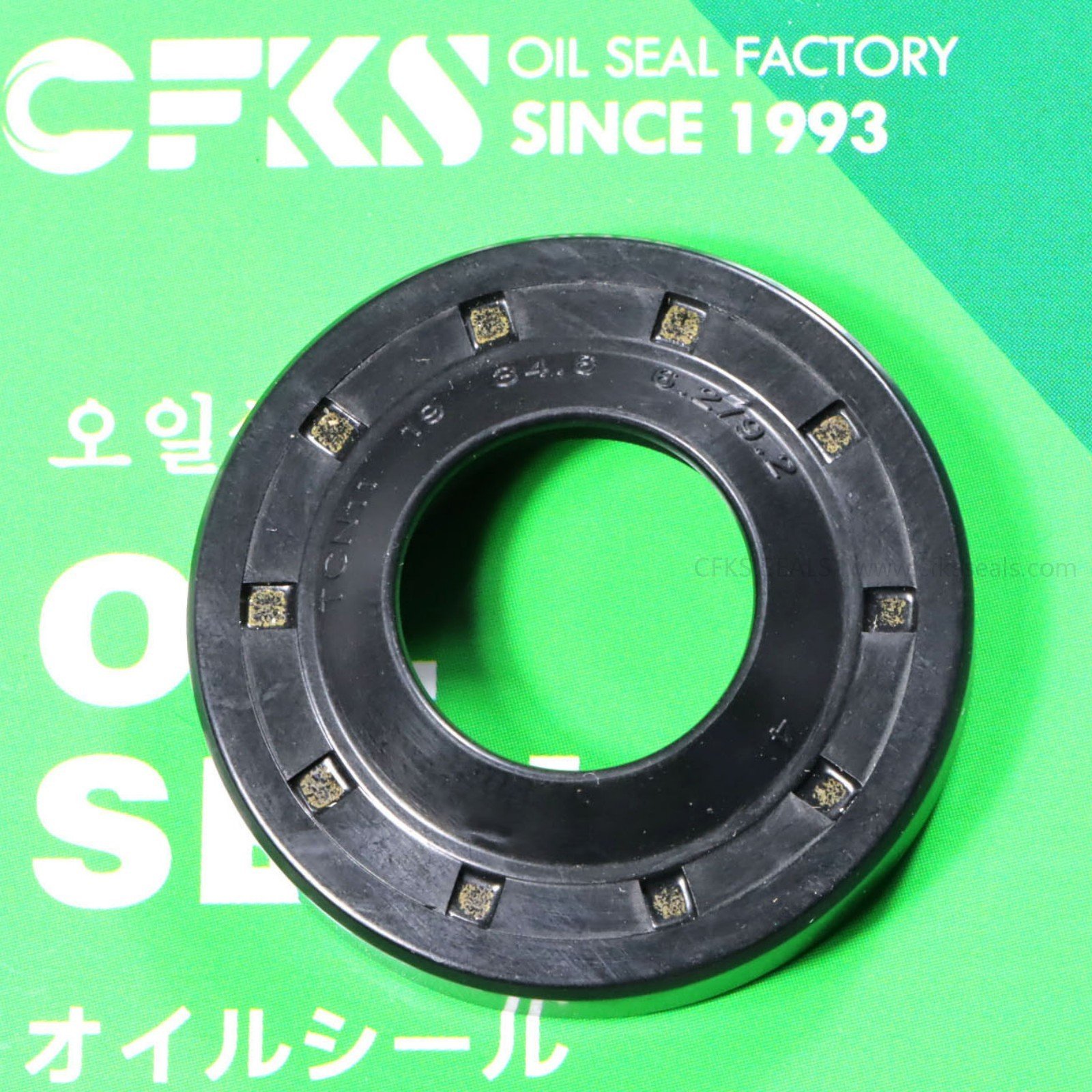
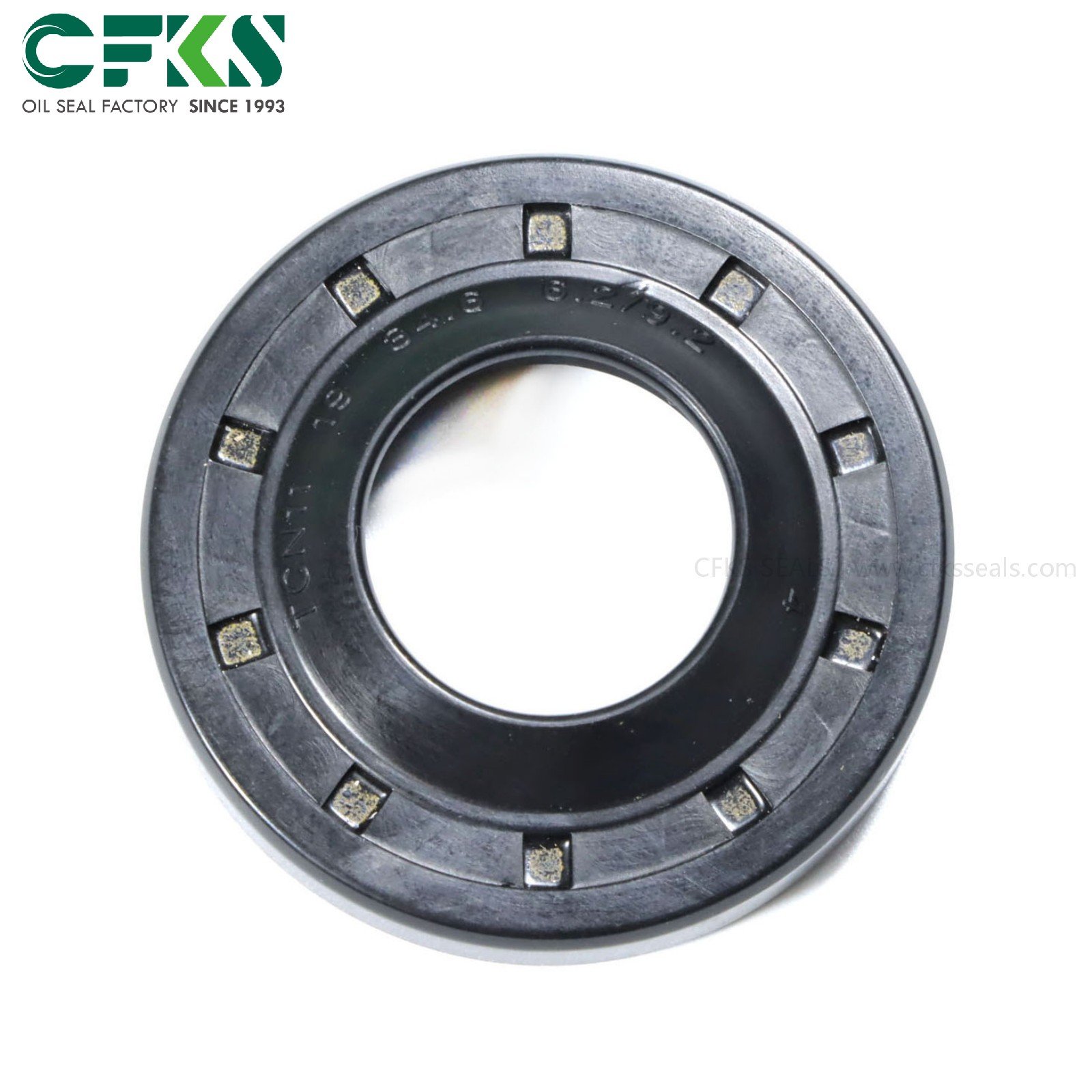
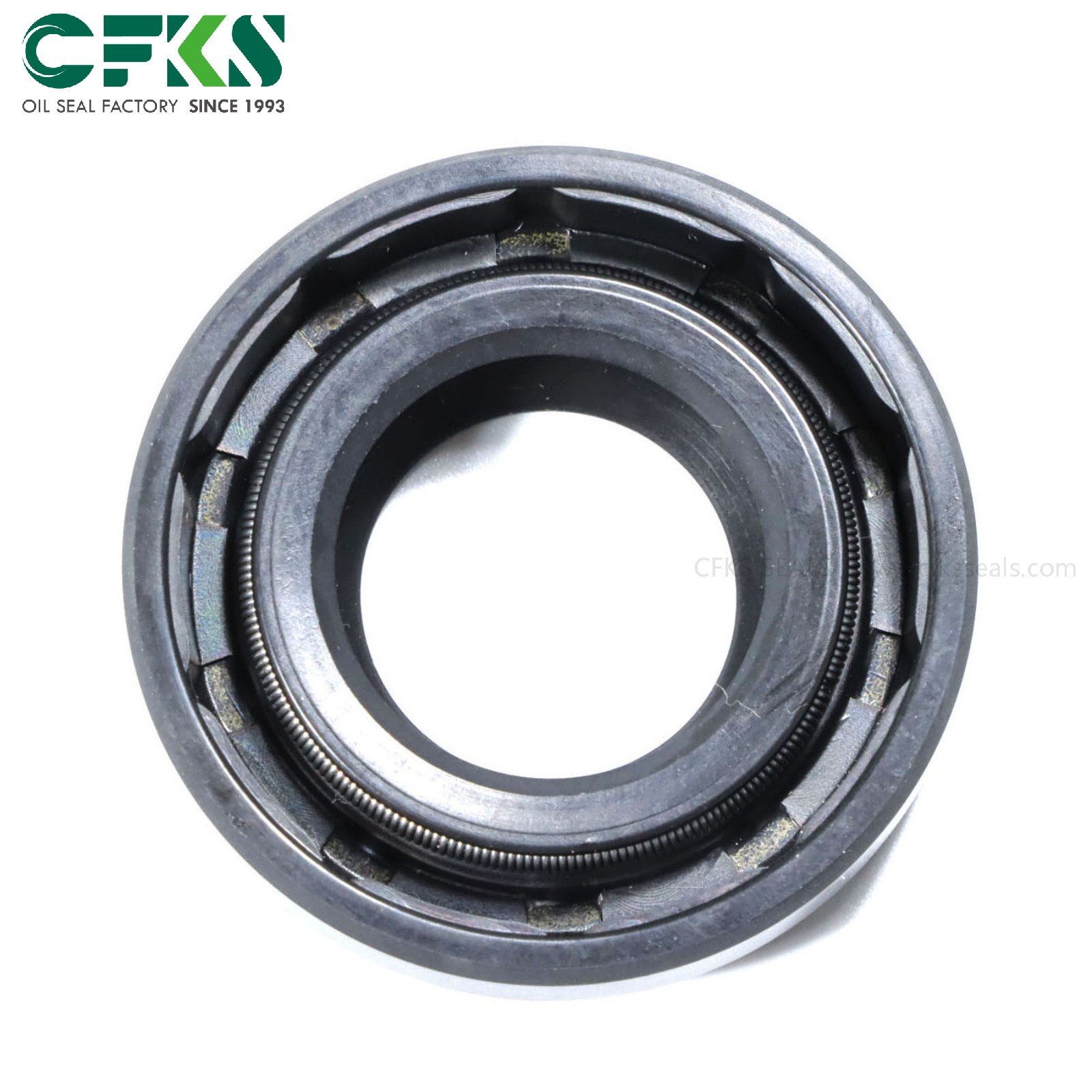
CFKS TCN Oil Seal 19*34.6*6.2/9.2 High Pressure TCN Type Oil Seal NBR FKM Rubber TCN Oil Seal

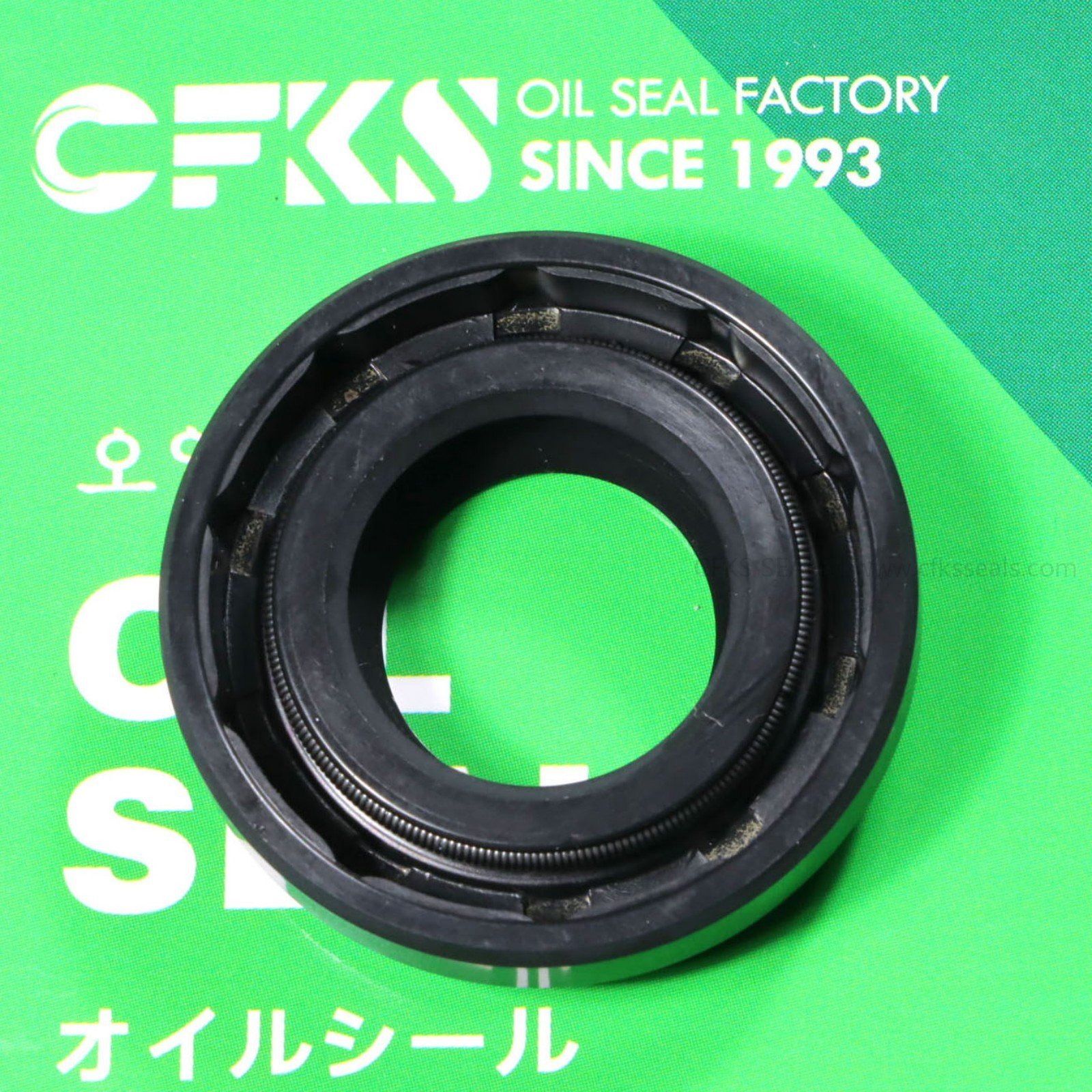
The TCN Oil Seal 19*34.6*6.2/9.2 is a premium, high-pressure rotary shaft seal engineered specifically to withstand demanding hydraulic environments where standard seals fail. Featuring a heavy-duty metal cage and a precision-engineered sealing lip, it prevents blowout and maintains structural integrity under fluctuating system pressures, ensuring long-term operational uptime for critical machinery.

  • Pressure-Resistant Design: Integrated metal case prevents lip deformation under high back-pressure.

  • Dual-Material Availability: Offered in premium NBR for standard reliability or FKM for extreme thermal and chemical resistance.

  • Hydrodynamic Sealing Lip: Optimized contact pressure reduces friction while maximizing fluid retention and dust exclusion.

The CFKS TCN Oil Seal is a high-pressure dynamic sealing oil seal made of durable rubber material. Designed for hydraulic pumps, shafts, and industrial machinery, this TCN framework oil seal ensures reliable sealing performance, leak prevention, and long-lasting durability under demanding working conditions.
Product Name TCN High Pressure Oil Seal Specification 19*34.6*6.2/9.2mm
Material NBR / FKM / PU Feature High Pressure Resistance, Wear Resistance
Work Temperature -20℃ to 220℃  Hardness 70 – 85 Shore A
Type TCN High Pressure Type Usage Hydraulic pumps, hydraulic motors, hydrostatic drives, gearboxes, construction machinery, agricultural equipment, power steering systems, industrial actuators.


The TCN type oil seal operates on a specialized hydrodynamic sealing principle designed to counteract axial and radial forces under high-pressure conditions. Unlike standard oil seals that deform when system pressure spikes, the TCN profile features a shorter, stiffer sealing lip backed by a reinforced internal metal cage. This rigid structure minimizes the contact area shift on the rotating shaft, effectively mitigating the effects of centrifugal force and preventing lip blowout. The auxiliary dust lip works in tandem to exclude external contaminants, maintaining a pristine sealing interface even during rapid pressure cycles.


Material integrity is paramount when sealing volatile hydraulic media. Our TCN seals are molded from high-performance elastomers tailored to specific operational environments. Elastomer compounds like Acrylonitrile Butadiene NBR offer exceptional resistance to petroleum-based hydraulic oils, wear, and mechanical fatigue in standard operating conditions. For applications involving aggressive synthetic fluids, ozone, or elevated thermal profiles, our FKM variants provide superior chemical inertness and resistance to compression set, ensuring the seal retains its elasticity and sealing force over an extended operational lifespan.

Achieving maximum wear life requires precise installation. The TCN oil seal’s robust construction facilitates straightforward seating within the housing bore, though care must be taken to protect the sealing lip from shaft splines or keyways during assembly. Because of its optimized low-friction lip geometry, this seal drastically reduces localized frictional heat generation, a primary cause of shaft grooving and premature elastomer hardening. This thermal management yields a significantly longer service life, extending maintenance intervals and reducing unscheduled equipment downtime.


Frequently Asked Questions (FAQ)

Why does my CFKS oil seal fail prematurely? Common causes and prevention tips2025-06-26T15:44:39+08:00

Premature oil seal failure can result from improper installation, poor shaft finish, incorrect material selection, or excessive pressure. To prevent this, ensure the shaft surface is smooth and within tolerance, use correct tools during installation, and choose seals made from materials compatible with your media and temperature.

How to correctly install a CFKS industrial oil seal to avoid leakage2025-06-26T16:04:32+08:00

Always clean the shaft and bore before installation. Use appropriate seal drivers to avoid deformation. Lubricate the lip before fitting to reduce friction during the first rotation. Ensure the seal is seated evenly and not tilted to avoid leaks.

What to do when your CFKS hydraulic seal is leaking under pressure2025-05-20T16:33:14+08:00

Check if the pressure exceeds the seal’s rated limit. Examine for wear, hardening, or improper installation. Replace the seal if damaged, and consider upgrading to a high-pressure CFKS seal variant. Also, verify that the housing and shaft are properly aligned.

How to choose the right CFKS oil seal for extreme operating environments2025-05-20T16:34:39+08:00

For high temperatures, aggressive chemicals, or abrasive environments, choose CFKS seals made of FKM, PTFE, or high-performance elastomers. Consider using seals with protective dust lips or metal casing. Our team can recommend the best fit for your application.


MESSAGE

Go to Top