Sealing Excellence, Securing Industry

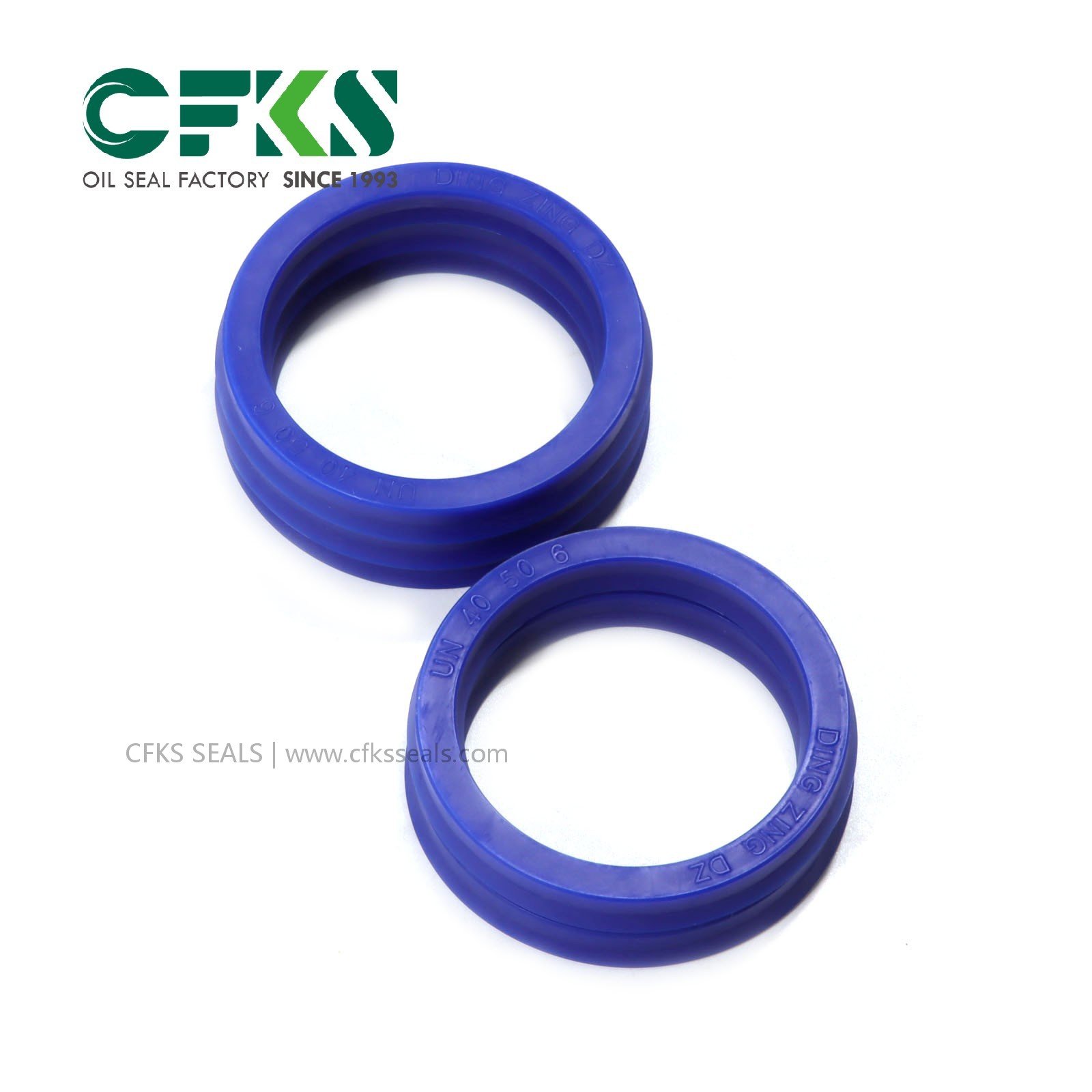
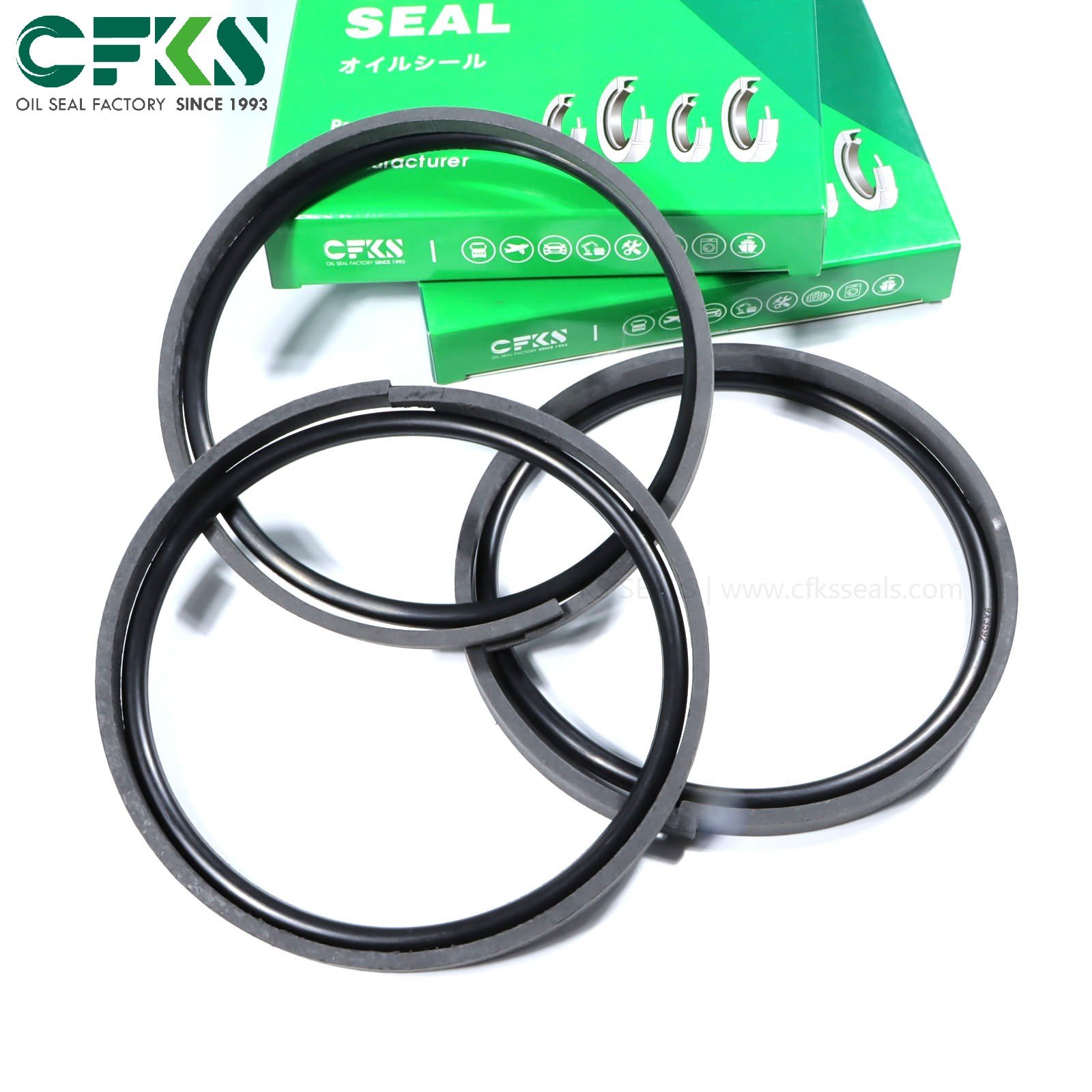
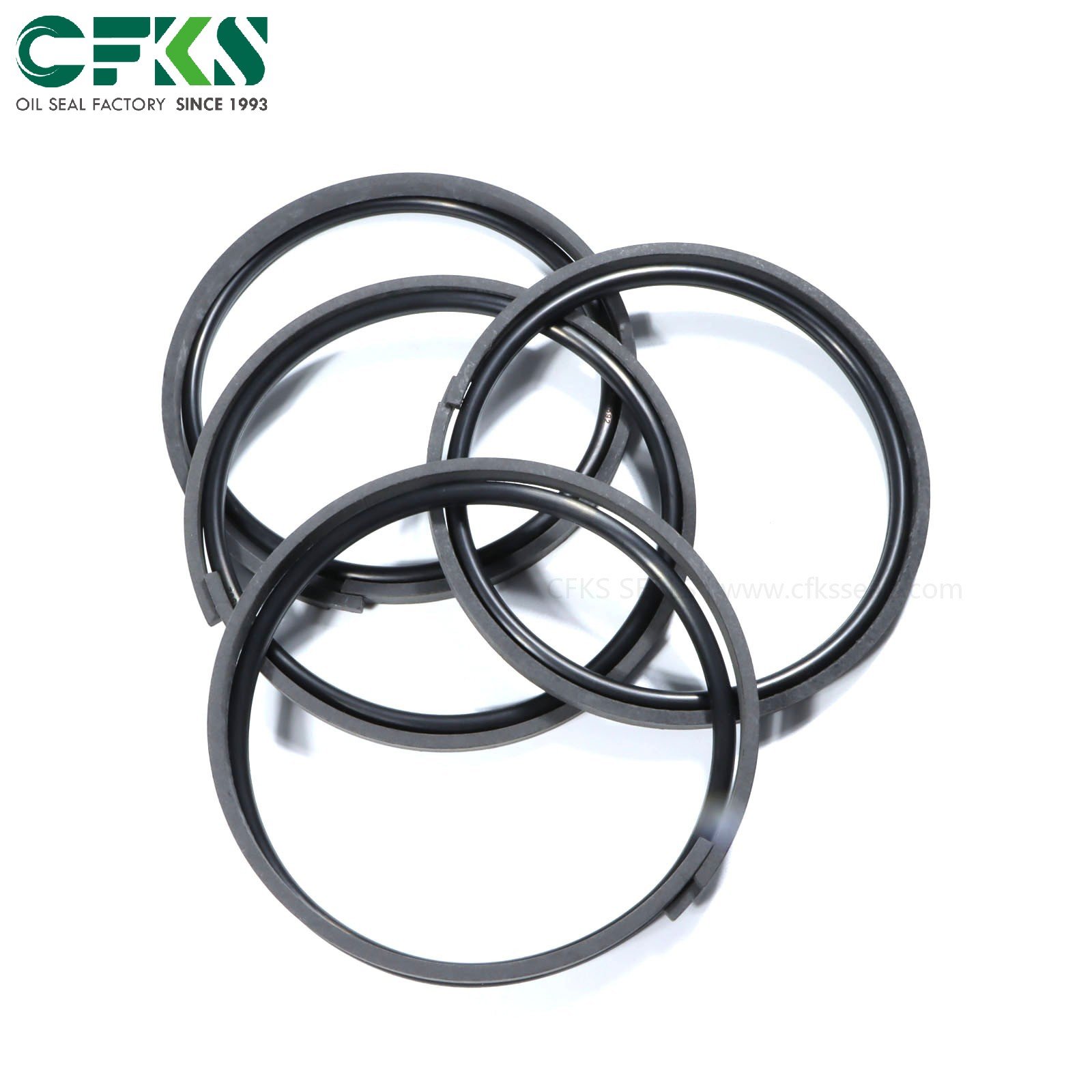
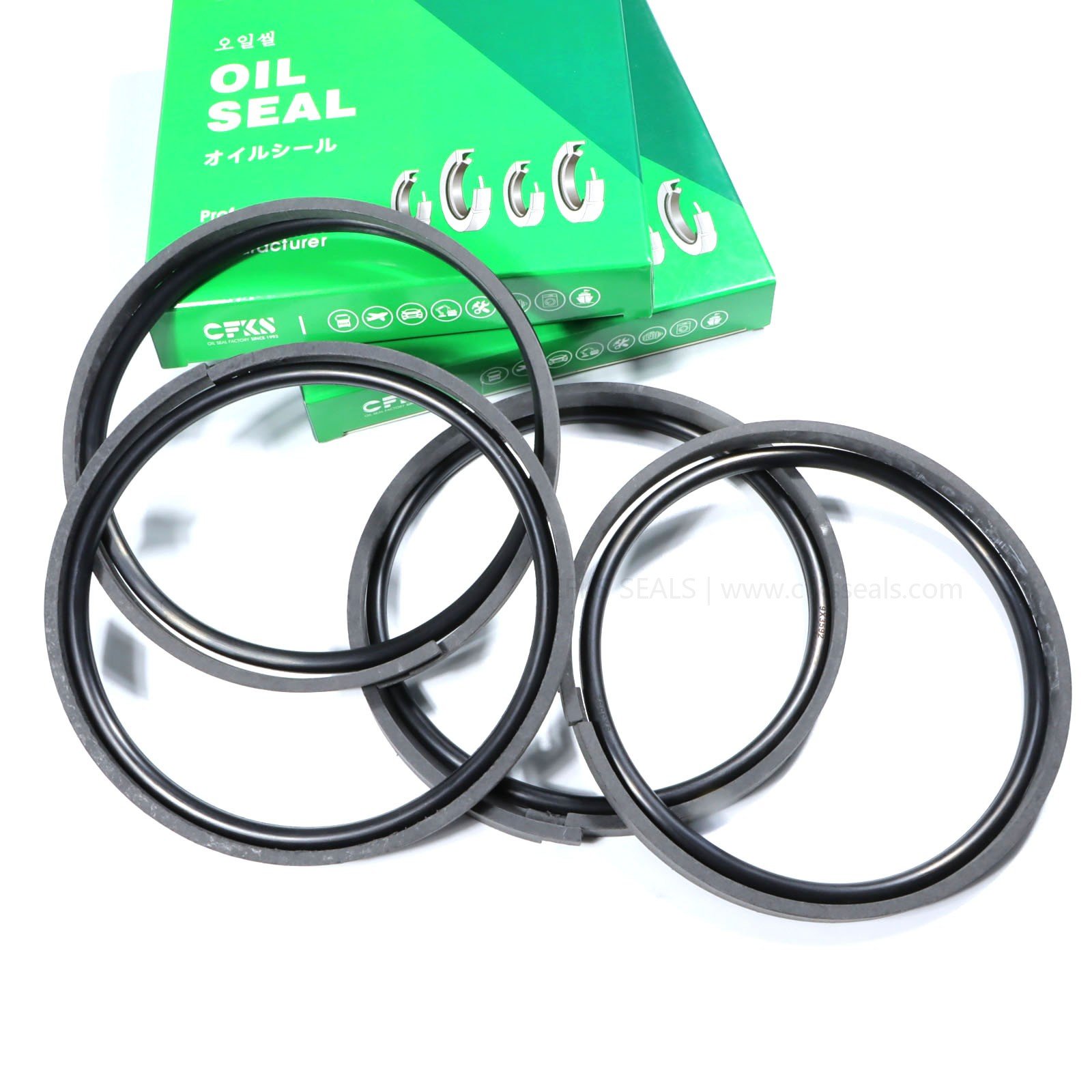
CFKS PTFE SPGA Seal NBR Compact Piston Seal High Pressure SPGA Piston Seal

The SPGA Piston Seal is a high-pressure, double-acting compact seal engineered for heavy-duty hydraulic systems where space is limited but performance is critical. Utilizing a PTFE slide ring energized by a robust NBR element, it ensures low-friction movement and exceptional dynamic sealing stability across a wide range of industrial applications.

  • Zero Leakage Performance: High-contact pressure design eliminates fluid bypass even during rapid pressure spikes.

  • Low Friction & Anti-Stiction: The PTFE surface prevents “stick-slip” effects, ensuring smooth piston travel and reduced energy loss.

  • Compact Installation: Integrated guide rings allow for a shorter piston design, reducing overall cylinder weight and manufacturing costs.

Find your sealing solution with CFKS — contact us for a quote.
Parameter Value Parameter Value
Product Name CFKS SPGA Piston Seal Specification Standard & Custom Sizes
Material PTFE / NBR / FKM Feature High Pressure & Wear Resistance
Work Temp. -30℃ to 200℃  Hardness 70 – 95 Shore A
Type Compact Double-Acting Seal Usage Excavators, Presses, Cranes, Loaders, Mining


The SPGA Piston Seal operates on the principle of pressure-activated composite sealing. Its unique geometry combines a high-modulus PTFE slide ring with a precision-molded NBR energizer. When hydraulic pressure is applied, the NBR element acts as an elastic spring, translating the axial load into a radial force that presses the PTFE ring against the cylinder bore. This “self-tightening” mechanism ensures that the sealing integrity increases proportionally with the system pressure, providing a reliable barrier against high-pressure fluid migration while maintaining a stable lubricant film between the sliding surfaces.

Durability in the SPGA series is achieved through the synergy of advanced materials. The dynamic slide ring is typically manufactured from bronze-filled or carbon-filled PTFE, offering superior resistance to extrusion and wear compared to standard elastomers. The NBR energizer provides excellent compression set resistance, ensuring the seal maintains its “memory” and sealing force over millions of cycles. For specialized high-temperature or aggressive chemical environments, we offer FKM energizers, extending the thermal operating range and protecting the seal assembly from material hardening and degradation.

From a maintenance perspective, the SPGA Compact Seal is designed for high-availability operations. Its low-friction material profile significantly reduces the heat generated at the sealing interface, which is the primary cause of seal aging. This results in an extended service life and reduced wear on the cylinder barrel. For installation, the compact, one-piece groove design simplifies the assembly process; however, because of the high-modulus PTFE ring, we recommend using expansion tools and heating the PTFE ring slightly to ensure it returns to its original diameter without permanent deformation or scoring.

Frequently Asked Questions (FAQ)

Why does my CFKS oil seal fail prematurely? Common causes and prevention tips2025-06-26T15:44:39+08:00

Premature oil seal failure can result from improper installation, poor shaft finish, incorrect material selection, or excessive pressure. To prevent this, ensure the shaft surface is smooth and within tolerance, use correct tools during installation, and choose seals made from materials compatible with your media and temperature.

How to correctly install a CFKS industrial oil seal to avoid leakage2025-06-26T16:04:32+08:00

Always clean the shaft and bore before installation. Use appropriate seal drivers to avoid deformation. Lubricate the lip before fitting to reduce friction during the first rotation. Ensure the seal is seated evenly and not tilted to avoid leaks.

What to do when your CFKS hydraulic seal is leaking under pressure2025-05-20T16:33:14+08:00

Check if the pressure exceeds the seal’s rated limit. Examine for wear, hardening, or improper installation. Replace the seal if damaged, and consider upgrading to a high-pressure CFKS seal variant. Also, verify that the housing and shaft are properly aligned.

How to choose the right CFKS oil seal for extreme operating environments2025-05-20T16:34:39+08:00

For high temperatures, aggressive chemicals, or abrasive environments, choose CFKS seals made of FKM, PTFE, or high-performance elastomers. Consider using seals with protective dust lips or metal casing. Our team can recommend the best fit for your application.


MESSAGE

Go to Top