Sealing Excellence, Securing Industry

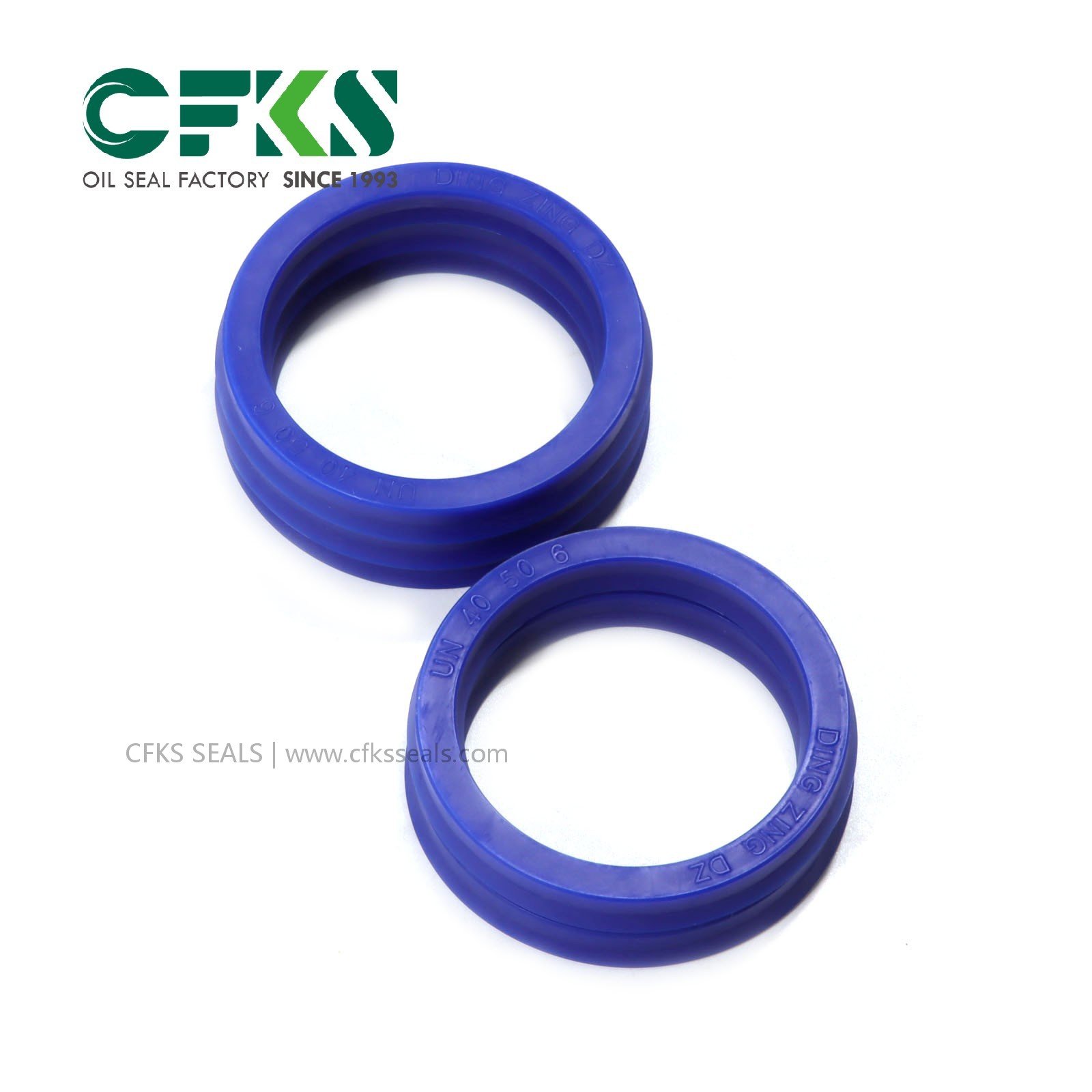
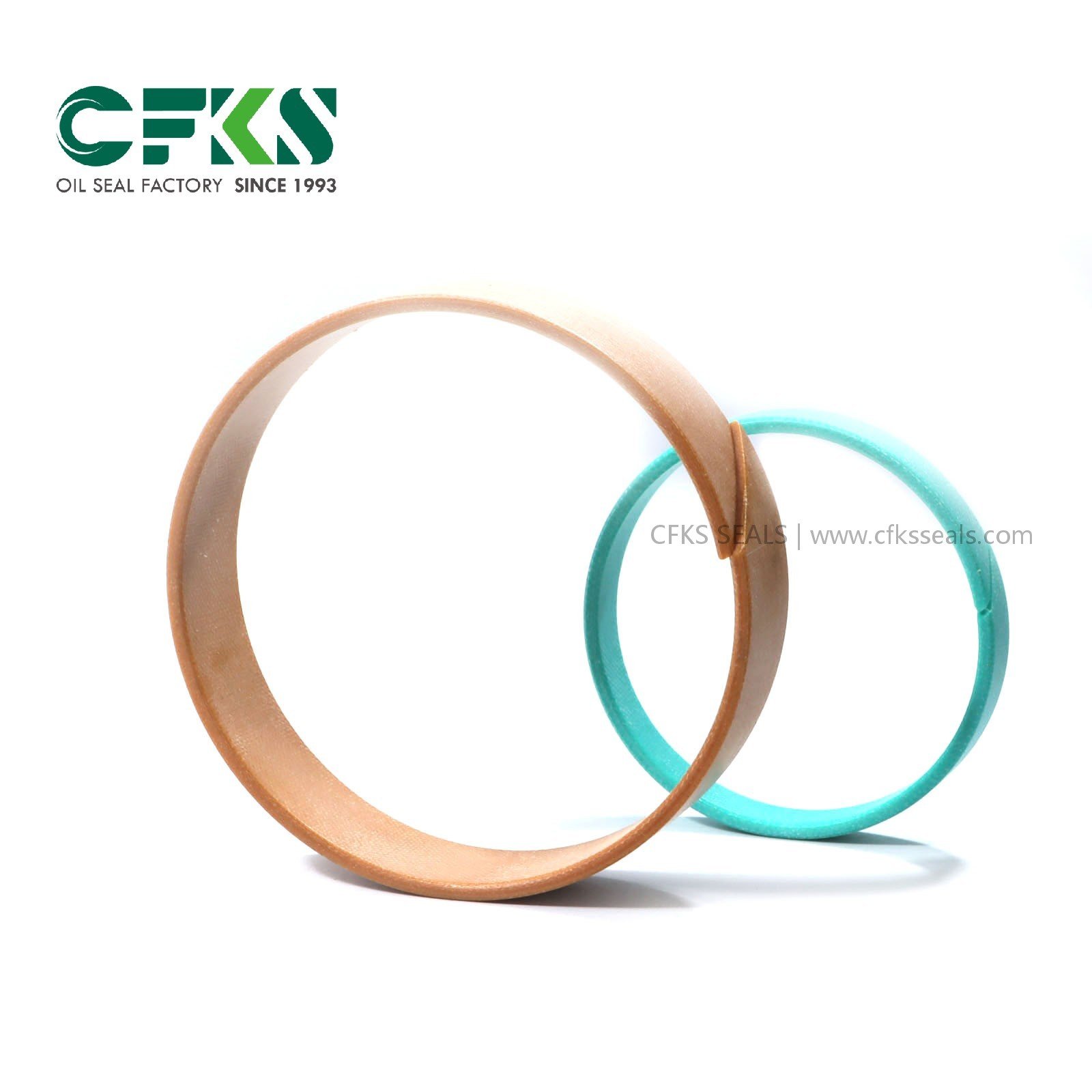
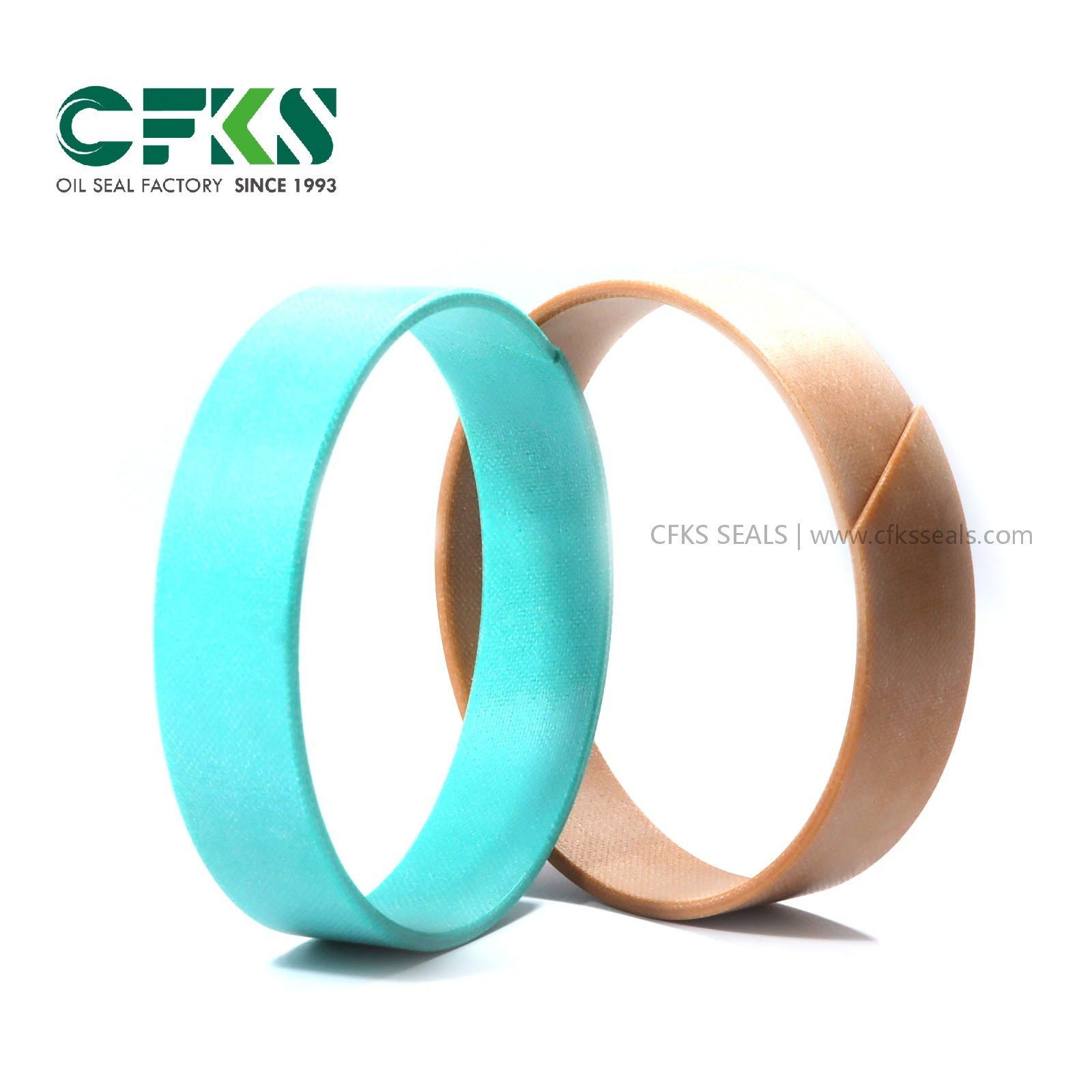
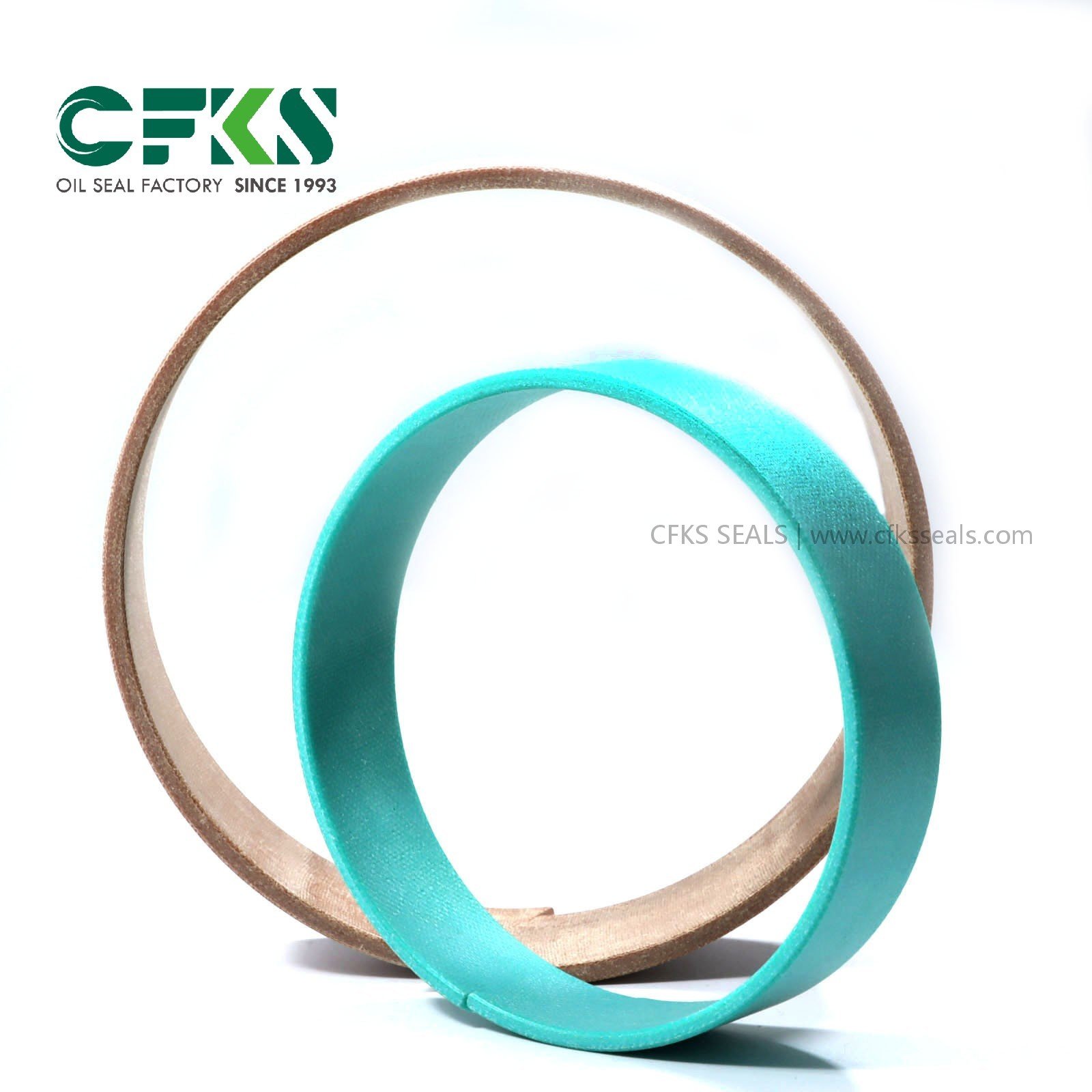
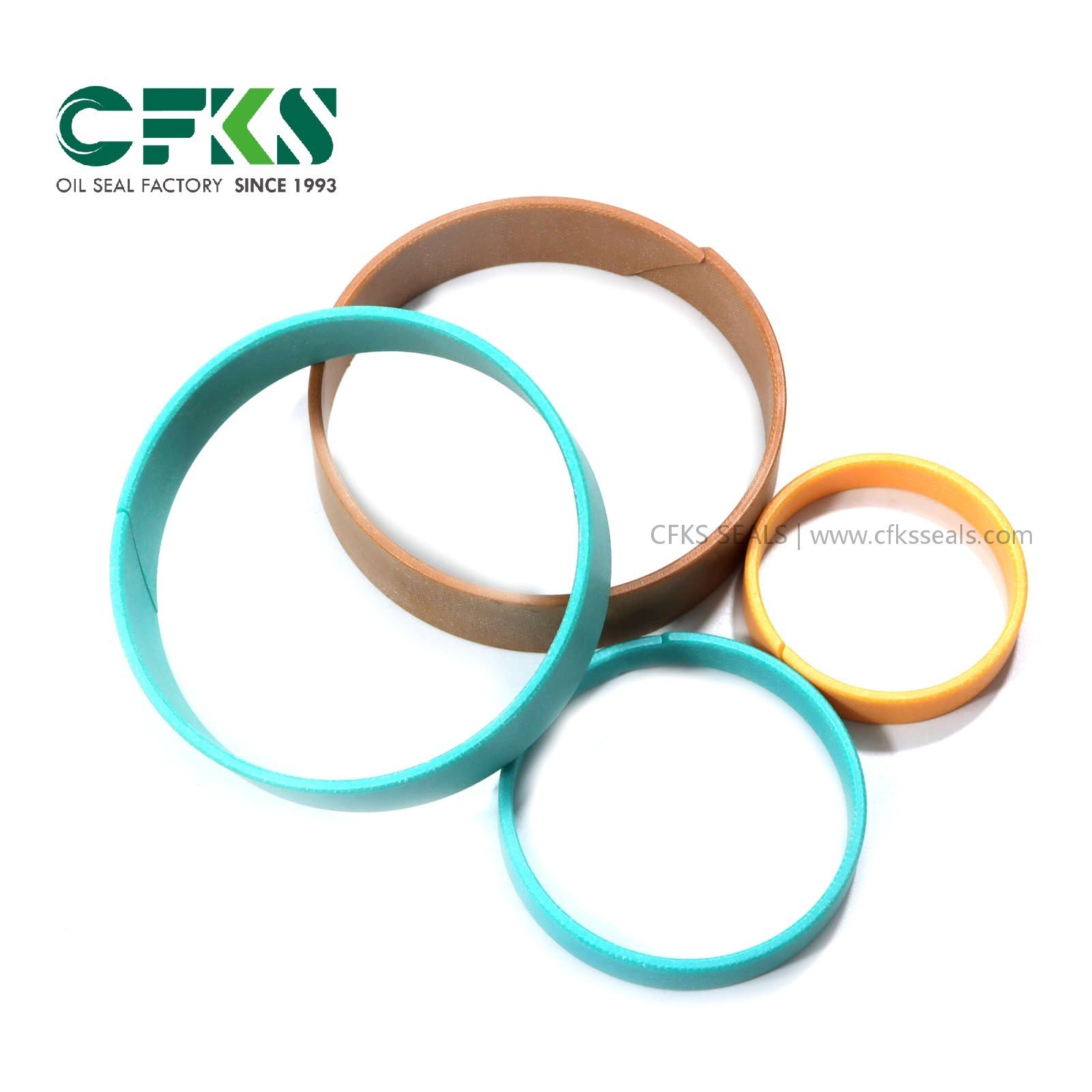
CFKS PTFE Guide Ring Cylinder Wear Ring Heavy Duty Piston and Rod Guide Strips

The CFKS PTFE Guide Ring is a high-performance, heavy-duty wear strip engineered to guide pistons and rods in demanding hydraulic and pneumatic cylinders. Designed to absorb high radial forces and eliminate metal-to-metal contact, this wear ring significantly reduces component friction and prevents cylinder scoring, ensuring extended service life in severe operating conditions.

  • High Load Bearing Capacity: Specially compounded PTFE allows it to withstand extreme side loads without deformation.

  • Low Friction & Anti-Stick-Slip: Delivers smooth, low-wear linear motion even under minimal lubrication or dry-running conditions.

  • Customizable Profiles: Available in pre-cut rings or bulk strips, custom-tailored to fit standard and non-standard gland dimensions.

Find your sealing solution with CFKS — contact us for a quote.
Product Name PTFE Guide Ring / Wear Ring Specification Standard & Custom Sizes Available
Material Filled PTFE (Bronze/Carbon/Glass) Feature High Pressure & Wear Resistance
Work Temperature -60℃ to 220℃ Usage Excavator Cylinder, Hydraulic Pump, Mobile Hydraulics, Marine Axle, Heavy Duty Crane
Hardness 55 – 65 Shore D Type Piston & Rod Guide Strips


The CFKS profile operates as a sacrificial dynamic bearing, strategically positioned to absorb severe radial forces that threaten cylinder alignment. By maintaining absolute concentricity between the piston/rod and the cylinder bore, it prevents uneven seal deflection and catastrophic hardware scoring. The precision-engineered chamfers and joints accommodate thermal expansion and fluid bypass, ensuring hydrodynamic stability during high-frequency axial strokes.

Engineered from premium Virgin PTFE compounded with reinforcing fillers, this guide ring exhibits exceptional thermal stability and compressive strength. While standard NBR or FKM elastomers handle the sealing pressure, the PTFE matrix provides the low-friction interface. The bronze-filled variant offers superior wear resistance under high mechanical loads, while carbon-filled options deliver excellent chemical inertia and dry-running capabilities across aggressive media.

Designed with maintenance efficiency in mind, the CFKS guide strip features a split-ring configuration that allows for rapid, tool-free installation without dismantling the entire shaft assembly. Its inherently low-friction coefficient minimizes heat generation, significantly extending the mean time between maintenance cycles. This elasticity prevents the ring from snapping during installation, reducing field downtime.

Frequently Asked Questions (FAQ)

Why does my CFKS oil seal fail prematurely? Common causes and prevention tips2025-06-26T15:44:39+08:00

Premature oil seal failure can result from improper installation, poor shaft finish, incorrect material selection, or excessive pressure. To prevent this, ensure the shaft surface is smooth and within tolerance, use correct tools during installation, and choose seals made from materials compatible with your media and temperature.

How to correctly install a CFKS industrial oil seal to avoid leakage2025-06-26T16:04:32+08:00

Always clean the shaft and bore before installation. Use appropriate seal drivers to avoid deformation. Lubricate the lip before fitting to reduce friction during the first rotation. Ensure the seal is seated evenly and not tilted to avoid leaks.

What to do when your CFKS hydraulic seal is leaking under pressure2025-05-20T16:33:14+08:00

Check if the pressure exceeds the seal’s rated limit. Examine for wear, hardening, or improper installation. Replace the seal if damaged, and consider upgrading to a high-pressure CFKS seal variant. Also, verify that the housing and shaft are properly aligned.

How to choose the right CFKS oil seal for extreme operating environments2025-05-20T16:34:39+08:00

For high temperatures, aggressive chemicals, or abrasive environments, choose CFKS seals made of FKM, PTFE, or high-performance elastomers. Consider using seals with protective dust lips or metal casing. Our team can recommend the best fit for your application.


MESSAGE

Go to Top