Sealing Excellence, Securing Industry

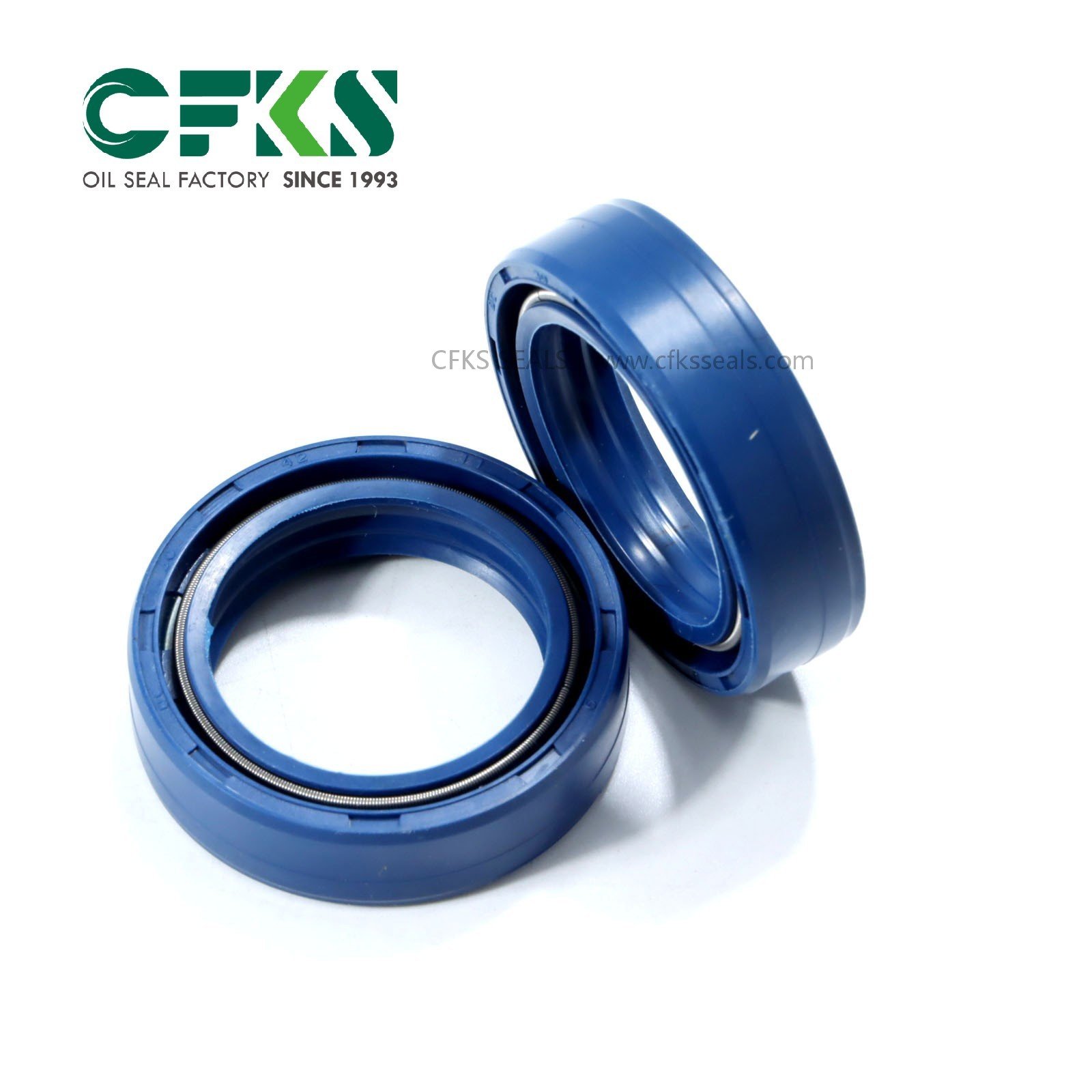
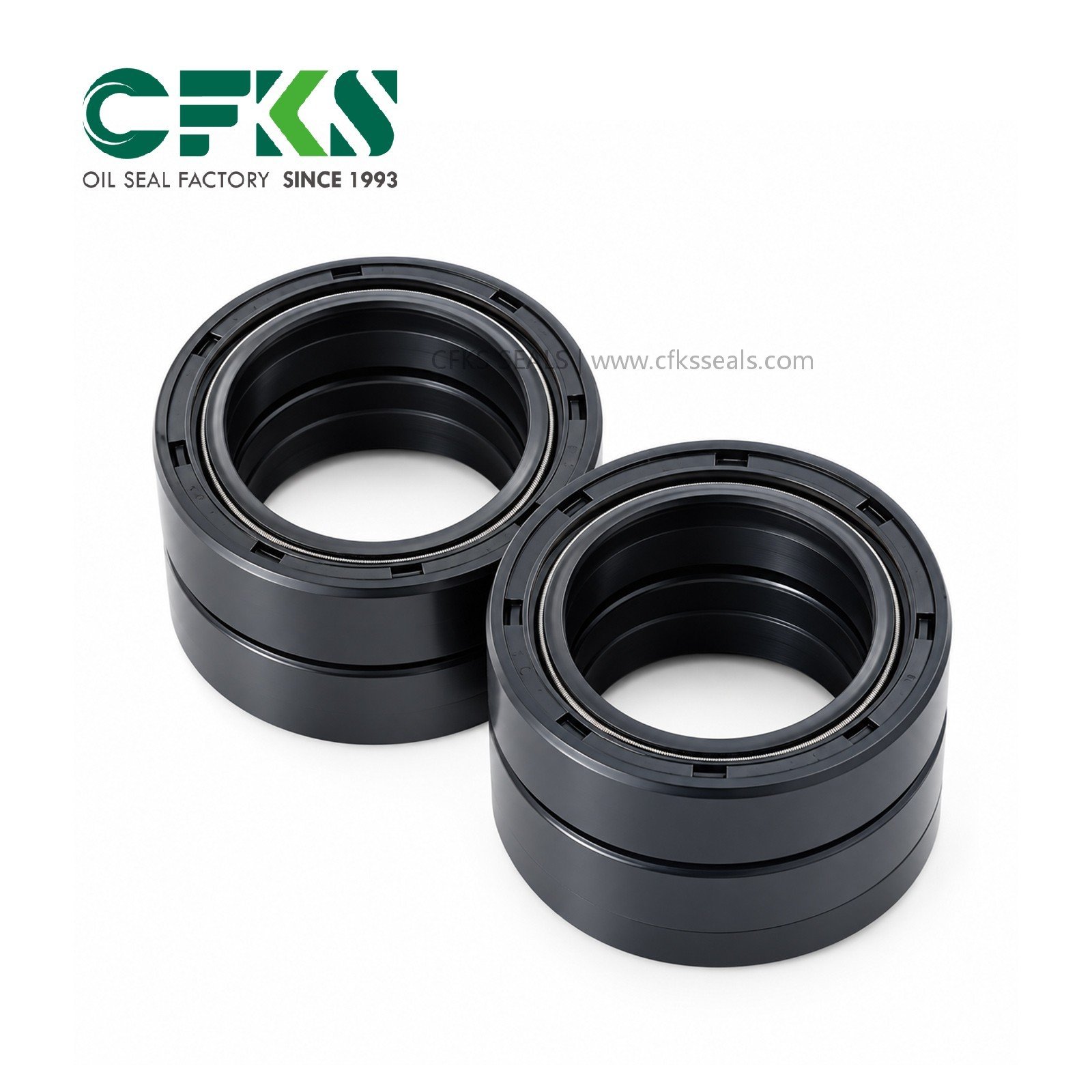
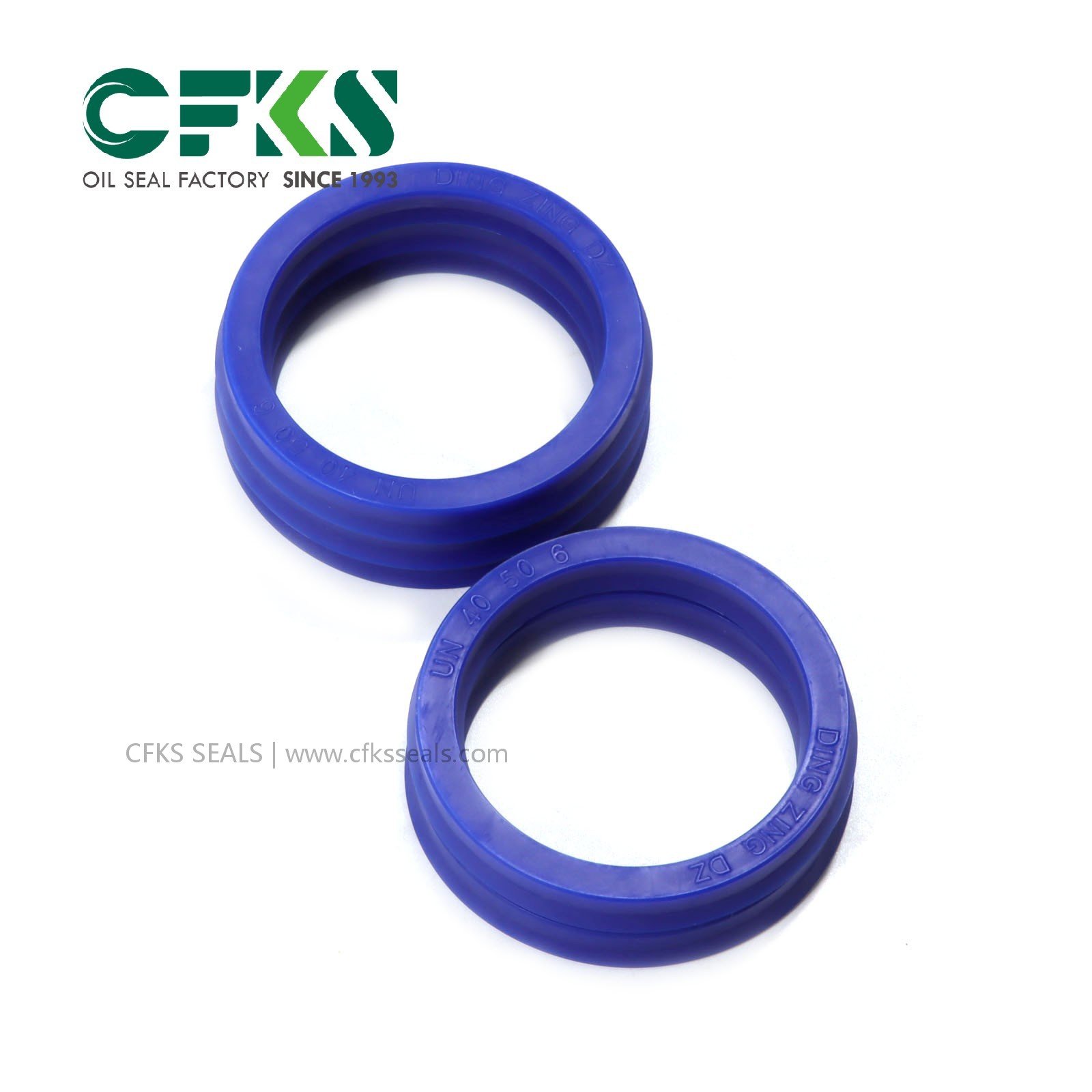
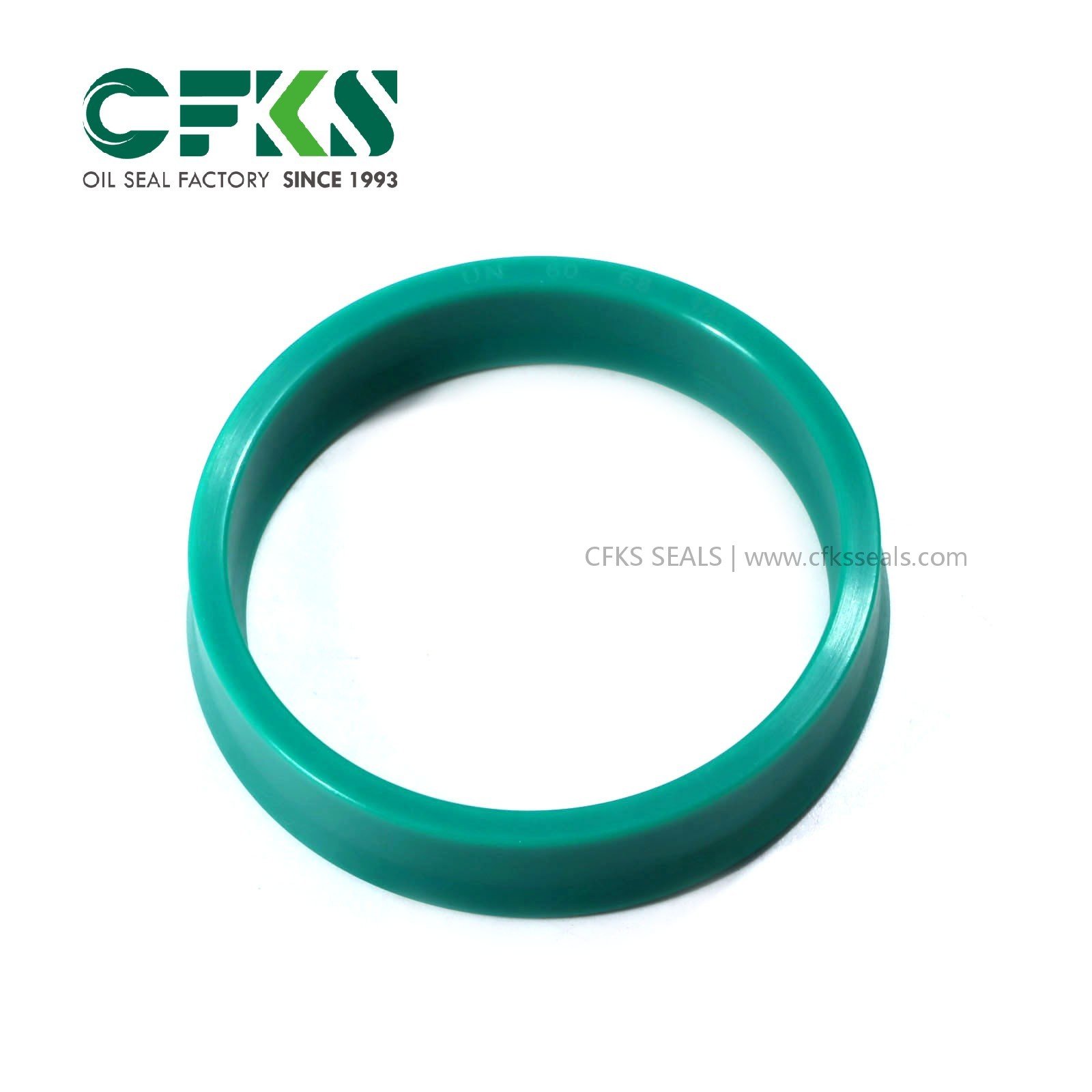
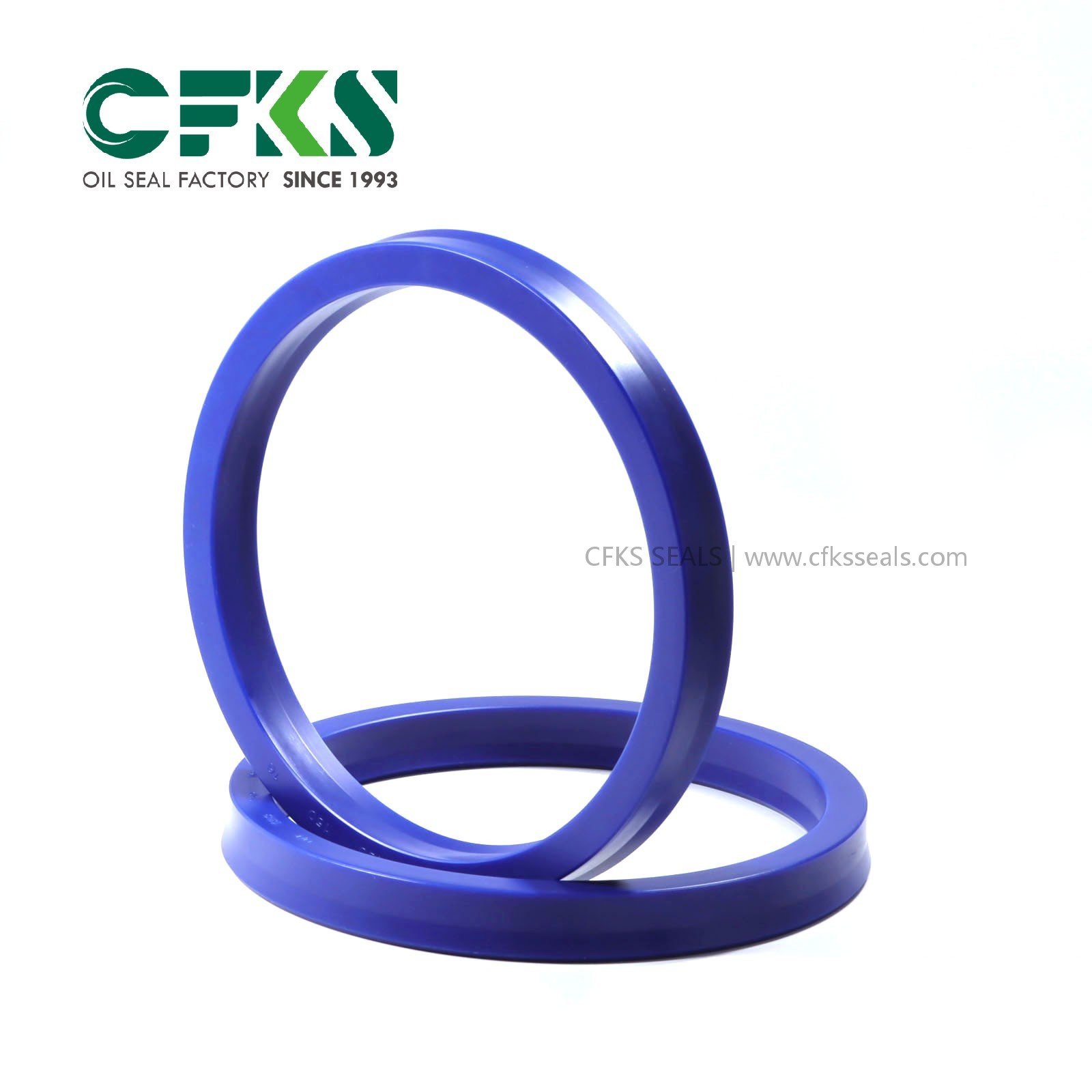
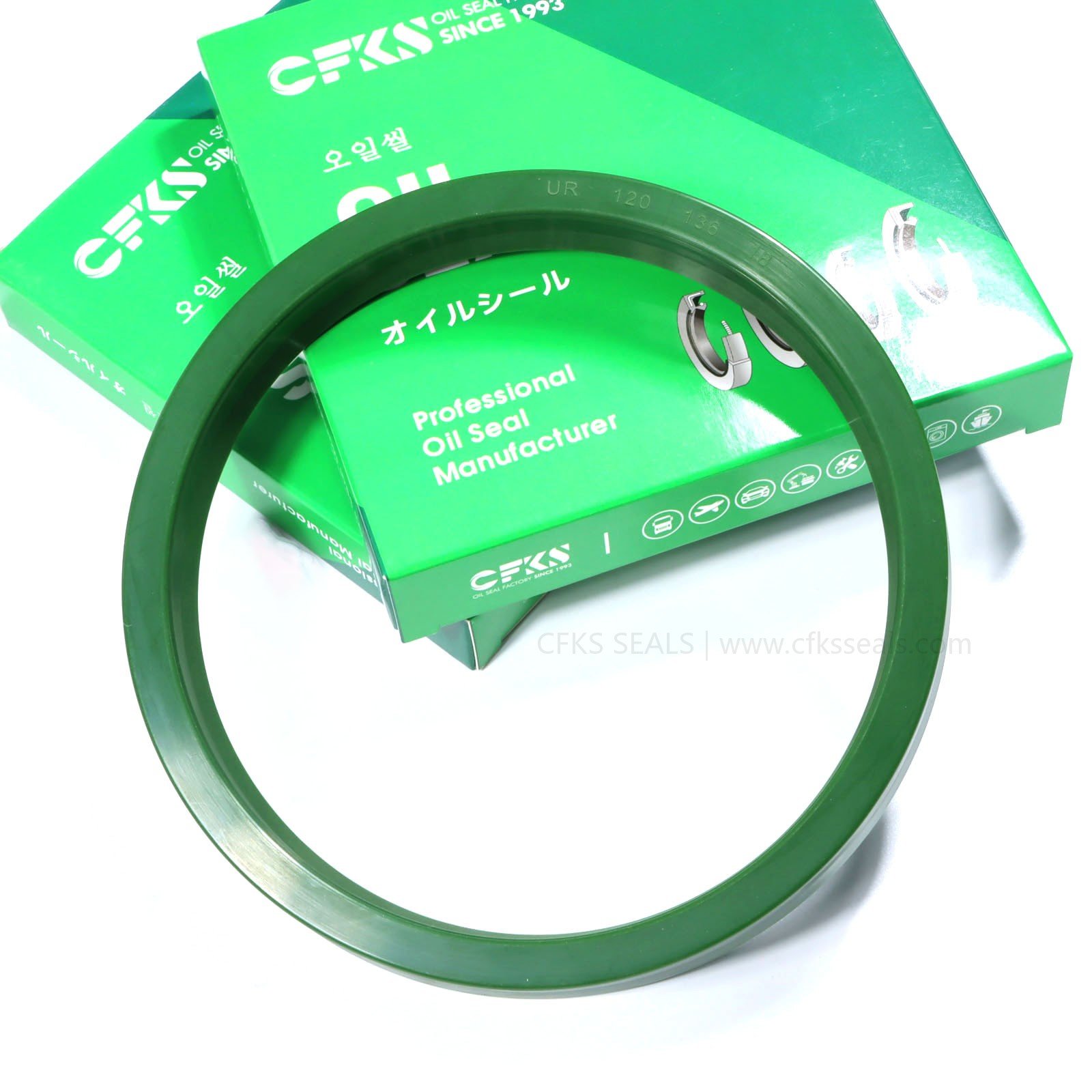
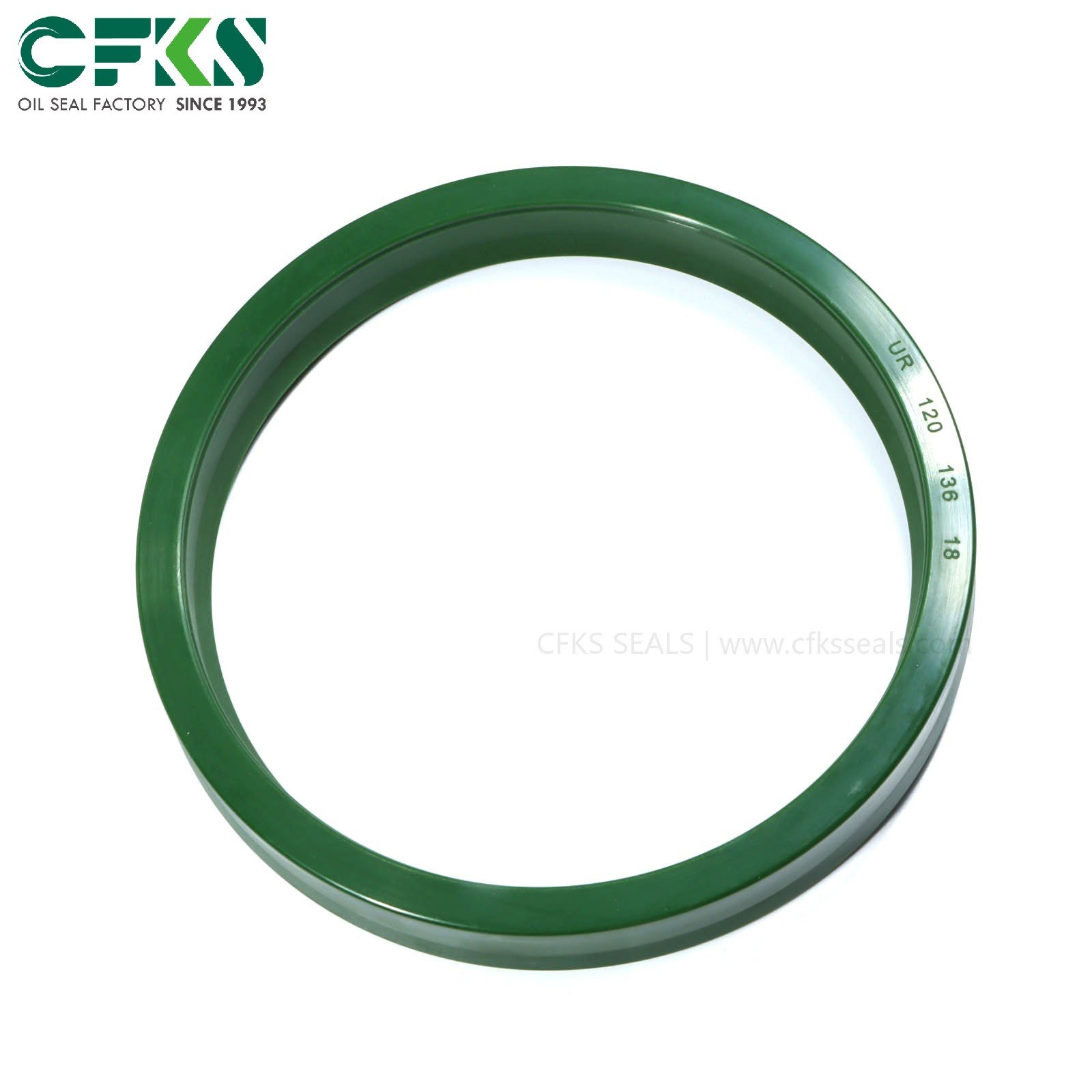
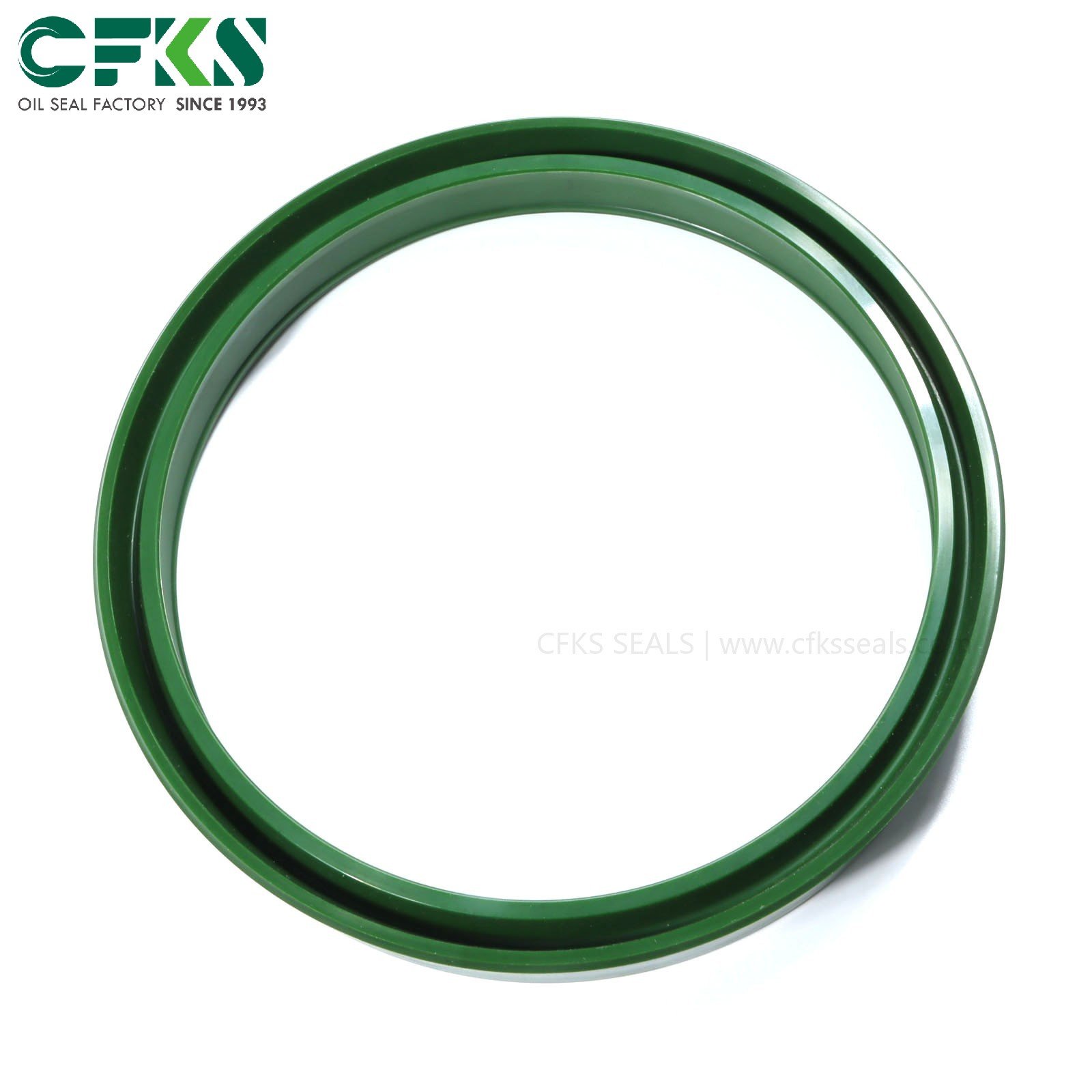
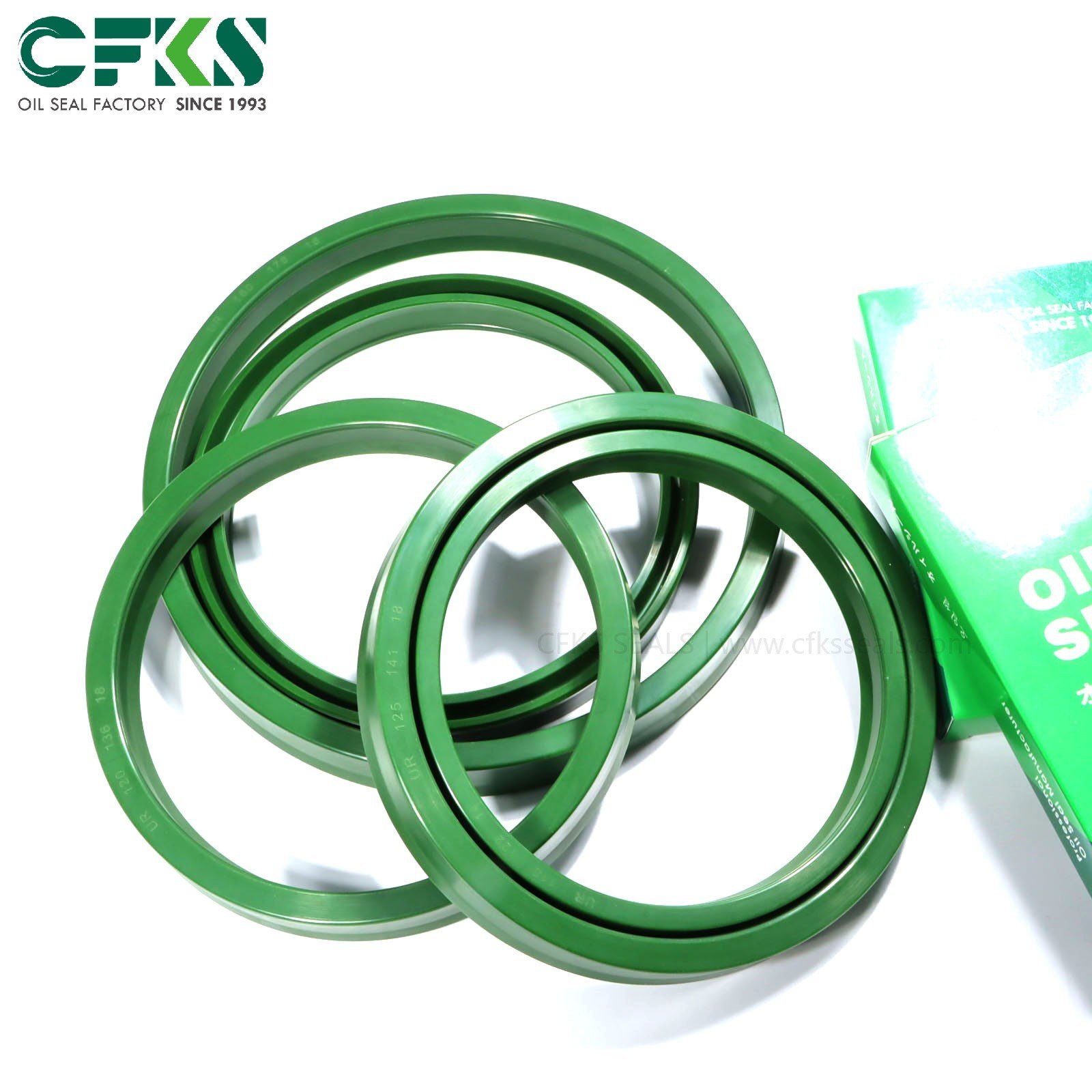
CFKS Hydraulic U-Cup Rod Seal 120*136*18 UR Piston Seal for Heavy Duty Excavator

The CFKS 120*136*18 UR piston rod seal is engineered to maintain system integrity under the rigorous, high-frequency demands of heavy-duty excavation equipment. Designed to prevent hydraulic fluid bypass, this seal ensures maximum machine uptime by effectively managing high-pressure environments and resisting abrasive wear, making it a mission-critical component for demanding industrial applications.

  • Optimized Profile: Precision-molded geometry designed for high-pressure hydraulic cylinders in excavator boom and bucket systems.

  • Reduced Friction: Features an engineered lip design that minimizes drag, reducing energy loss and heat generation.

  • Resilient Construction: Exceptional resistance to shock loads, pressure spikes, and thermal fluctuations found in heavy-duty cycles.

Find your sealing solution with CFKS — contact us for a quote.
Product Name Value Specification Value
Product Name CFKS U-Cup Seal Specification 120*136*18
Material NBR / FKM / PU Feature High Pressure & Abrasion Res
Work Temp -20°C to 220°C Usage Boom, Arm, Bucket, Swing Cylinder
Hardness 85-95 Shore A Type Hydraulic Rod/Piston Seal


The UR profile of the CFKS U-Cup utilizes a specialized lip-energizing mechanism that relies on the hydraulic system’s own pressure to enhance the seal’s contact stress against the rod surface. Unlike static seals, this design functions through a hydrodynamic wedge effect; as the rod moves, the seal maintains a microscopic, controlled oil film that reduces frictional heat and wear. When the system is under high pressure, the internal geometry of the U-cup expands, forcing the lips into tighter contact with the cylinder wall, ensuring a zero-leak seal even under extreme peak pressures often found in excavating operations.

The CFKS U-Cup is designed for streamlined maintenance cycles. Its low-friction profile allows for smooth rod movement, which significantly reduces the thermal degradation of the elastomer. During installation, always ensure the rod surface is free of nicks or burrs to prevent premature lip tearing. Because our seals are designed to self-compensate for minor wear during their operational lifespan, you can expect extended service intervals. For optimal performance, we recommend lubricating the seal interface with a compatible hydraulic fluid prior to insertion, ensuring no distortion occurs during the press-fit process.

Precision installation is key to extending the service life of your rod seal. Our UR profile is engineered with a flexible cross-section that facilitates easier seating into the gland, reducing the risk of lip damage during assembly. To optimize uptime, ensure the rod surface finish meets Ra 0.1-0.4µm standards, which significantly lowers friction and prevents premature abrasion. Regular maintenance checks for oil contaminants can effectively double the service interval, providing a reliable, cost-effective solution for field repairs that minimizes the need for full cylinder disassembly.

Frequently Asked Questions (FAQ)

Why does my CFKS oil seal fail prematurely? Common causes and prevention tips2025-06-26T15:44:39+08:00

Premature oil seal failure can result from improper installation, poor shaft finish, incorrect material selection, or excessive pressure. To prevent this, ensure the shaft surface is smooth and within tolerance, use correct tools during installation, and choose seals made from materials compatible with your media and temperature.

How to correctly install a CFKS industrial oil seal to avoid leakage2025-06-26T16:04:32+08:00

Always clean the shaft and bore before installation. Use appropriate seal drivers to avoid deformation. Lubricate the lip before fitting to reduce friction during the first rotation. Ensure the seal is seated evenly and not tilted to avoid leaks.

What to do when your CFKS hydraulic seal is leaking under pressure2025-05-20T16:33:14+08:00

Check if the pressure exceeds the seal’s rated limit. Examine for wear, hardening, or improper installation. Replace the seal if damaged, and consider upgrading to a high-pressure CFKS seal variant. Also, verify that the housing and shaft are properly aligned.

How to choose the right CFKS oil seal for extreme operating environments2025-05-20T16:34:39+08:00

For high temperatures, aggressive chemicals, or abrasive environments, choose CFKS seals made of FKM, PTFE, or high-performance elastomers. Consider using seals with protective dust lips or metal casing. Our team can recommend the best fit for your application.

MESSAGE

Go to Top