Sealing Excellence, Securing Industry

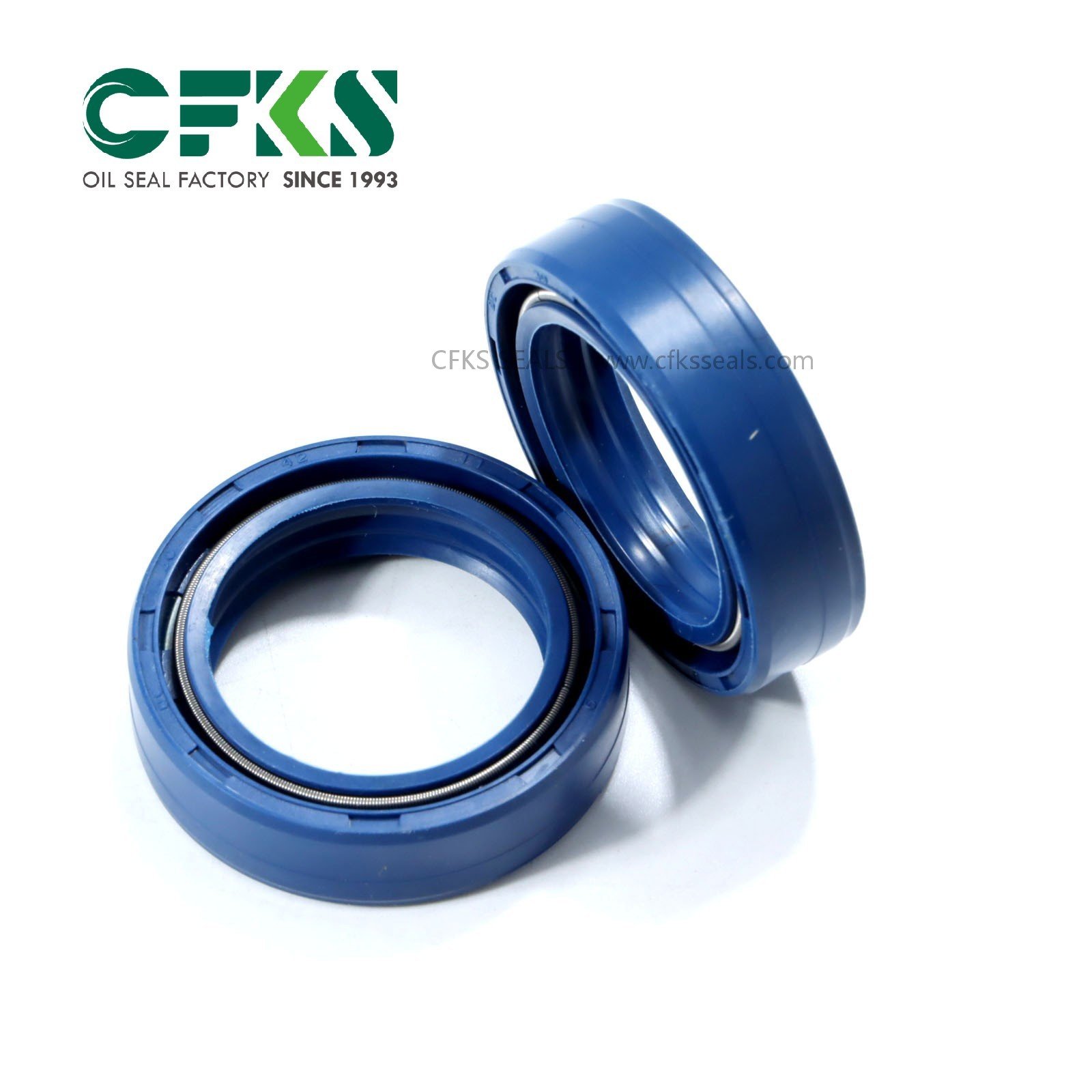
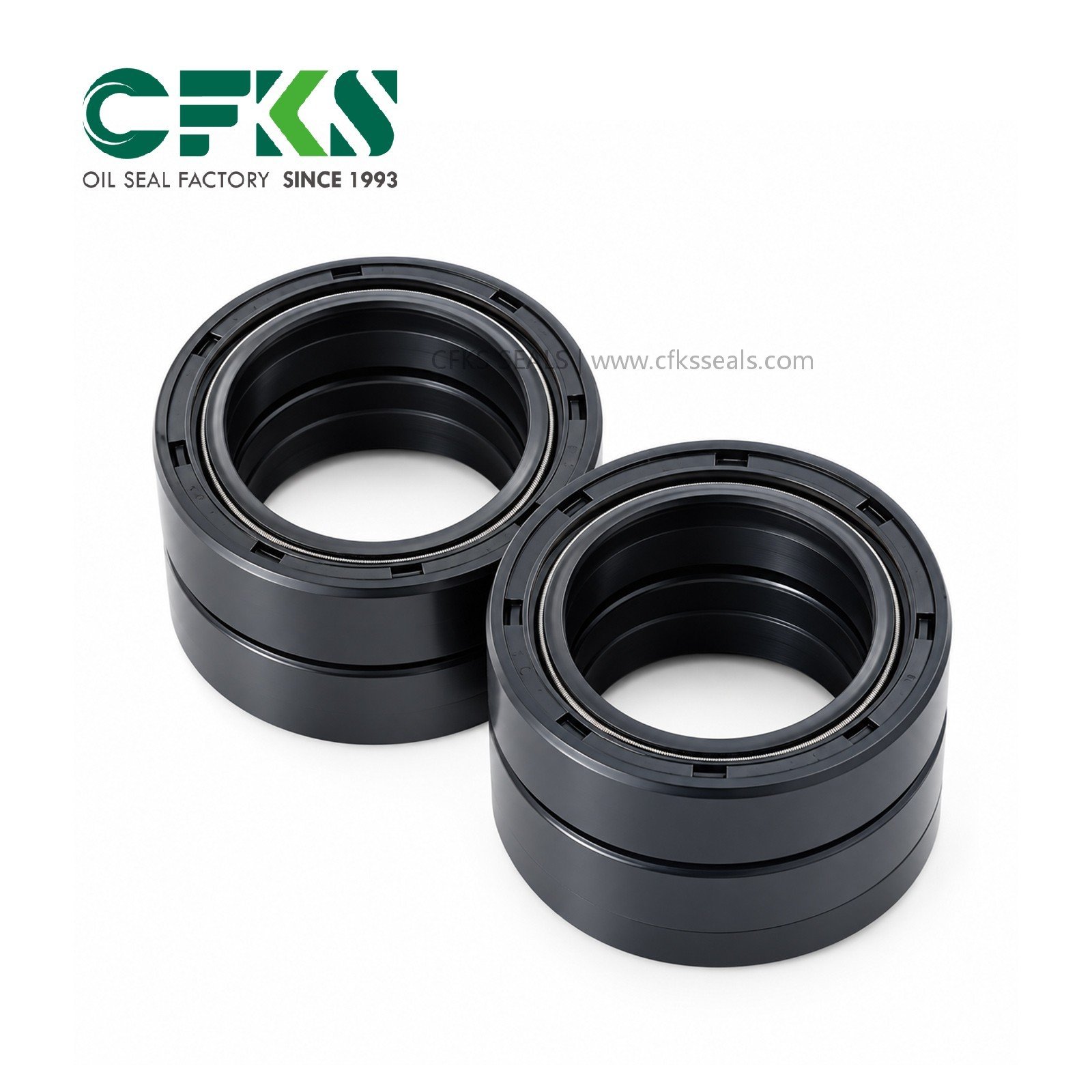
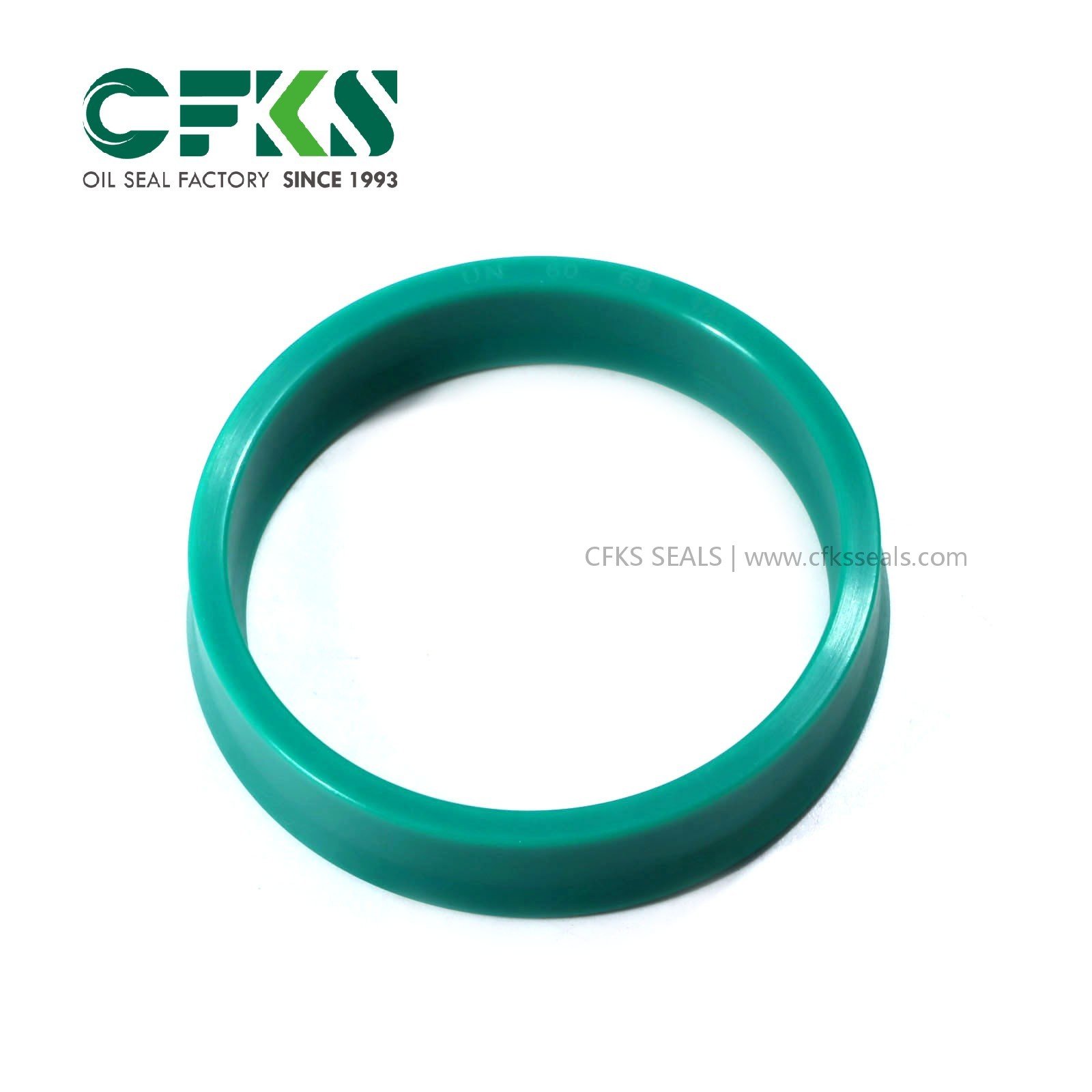
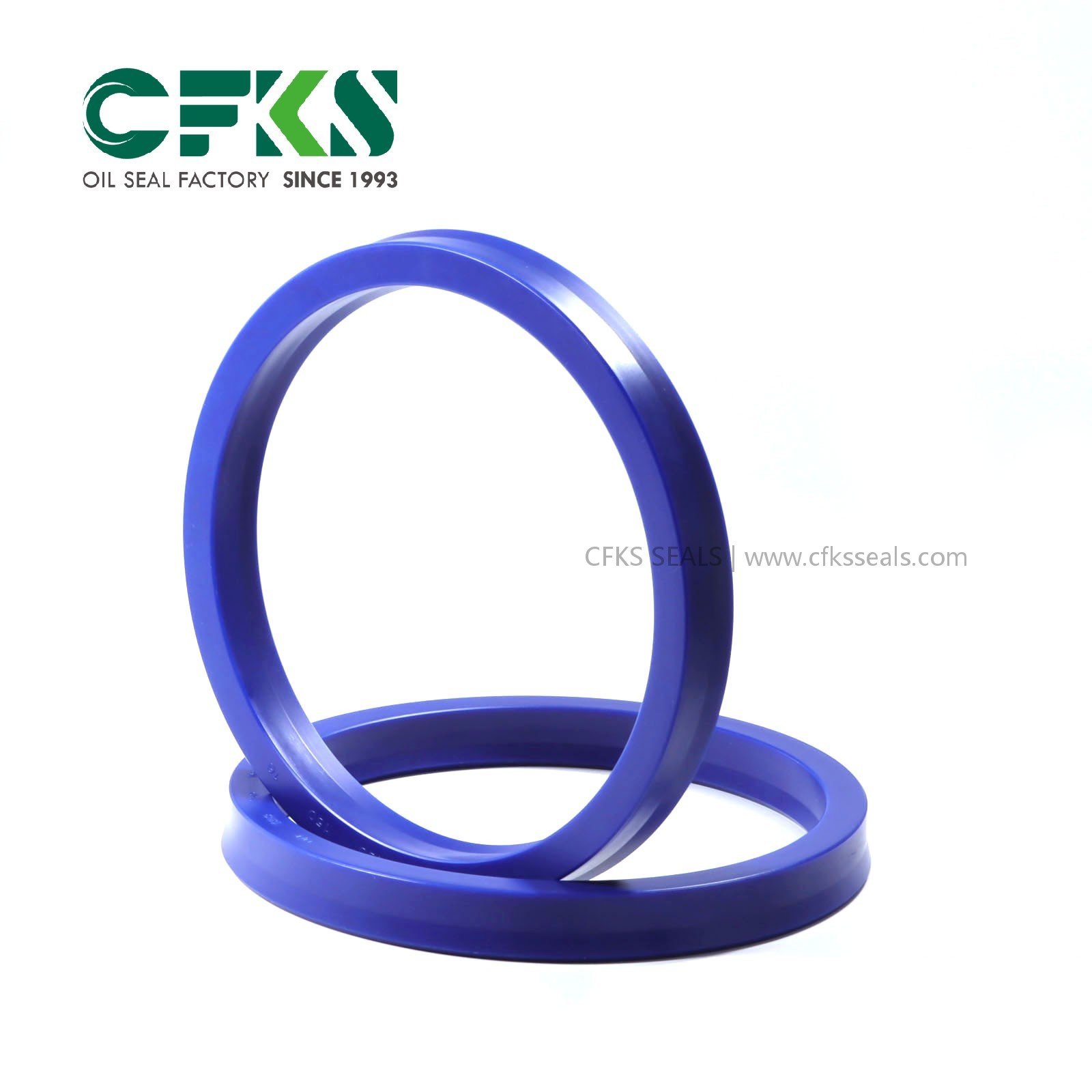
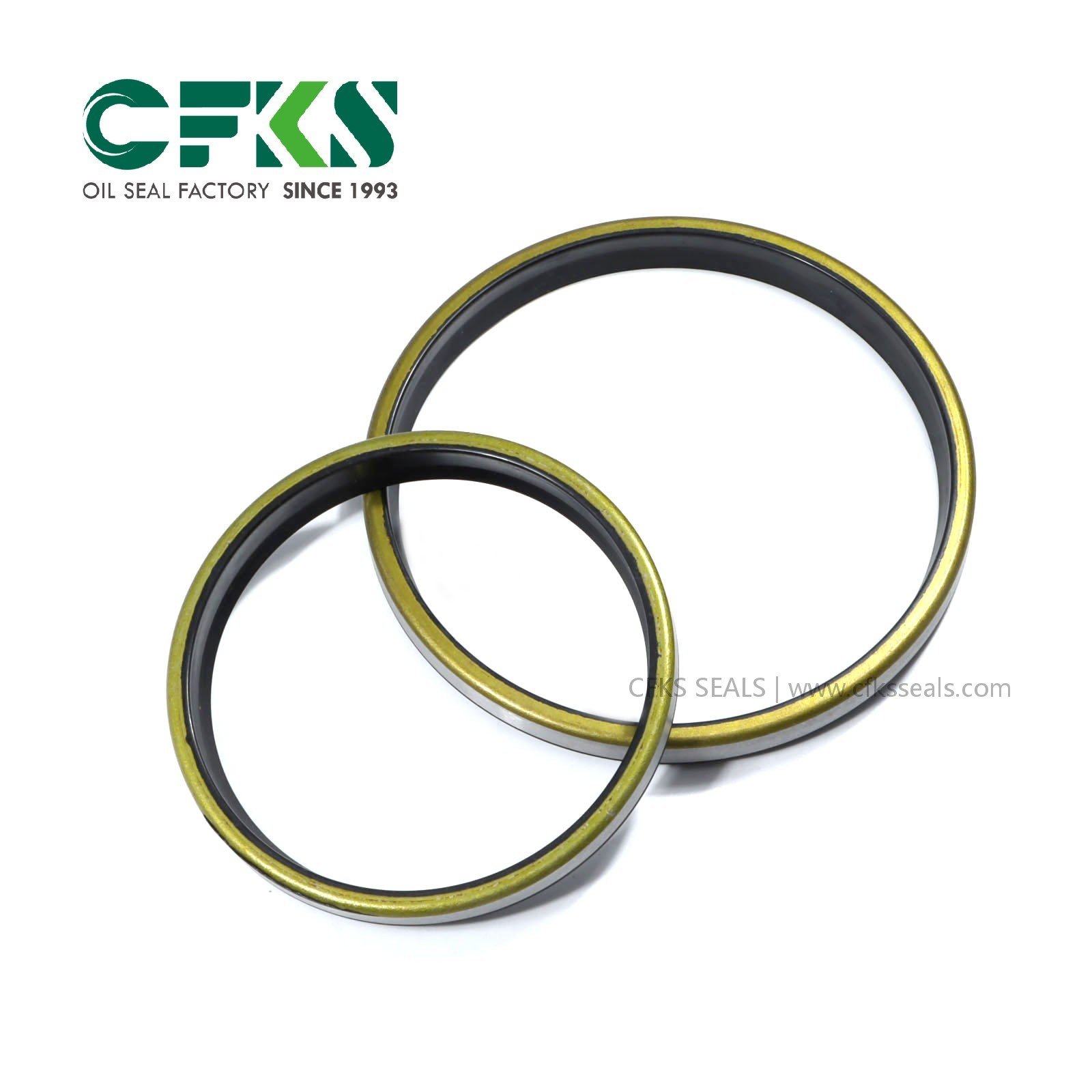
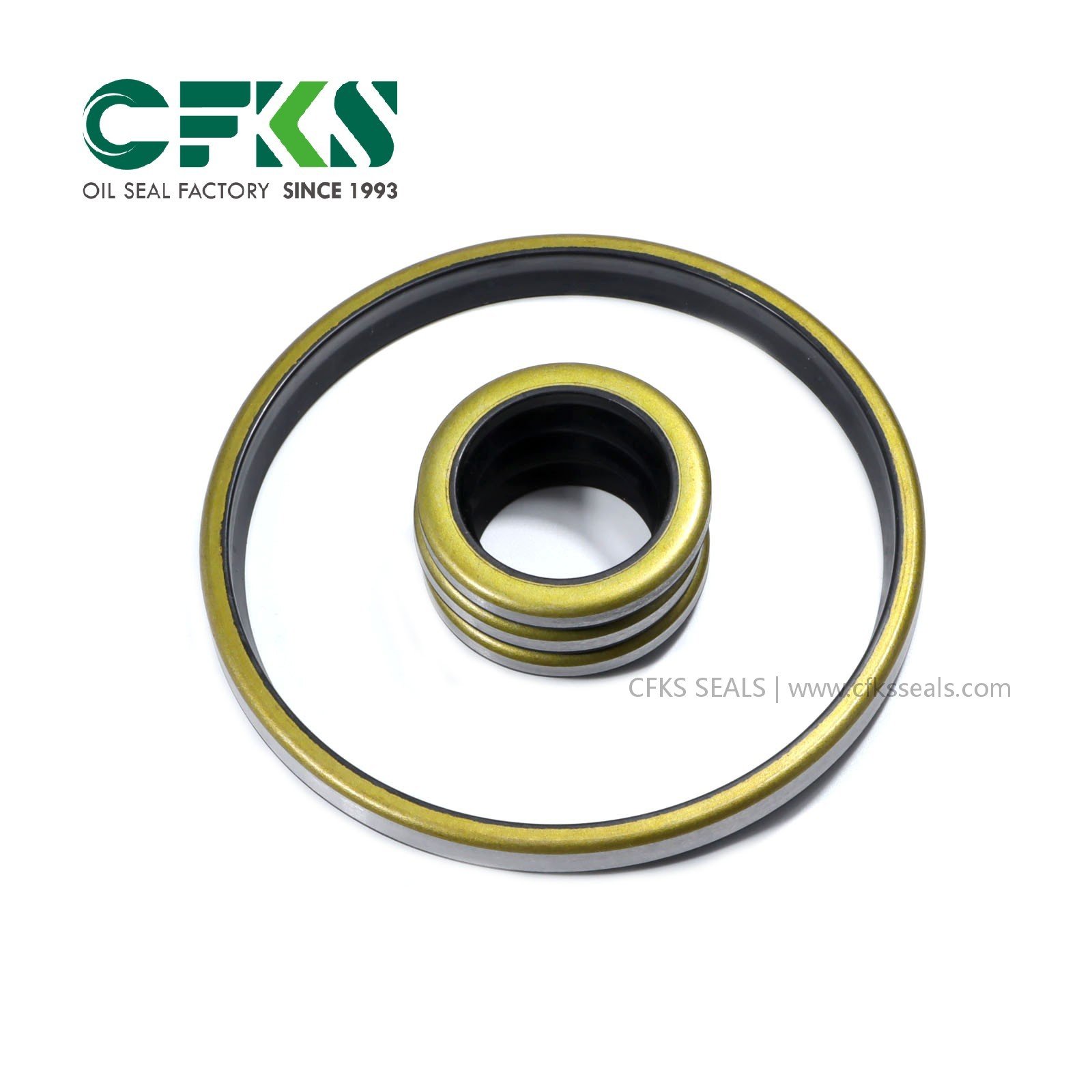
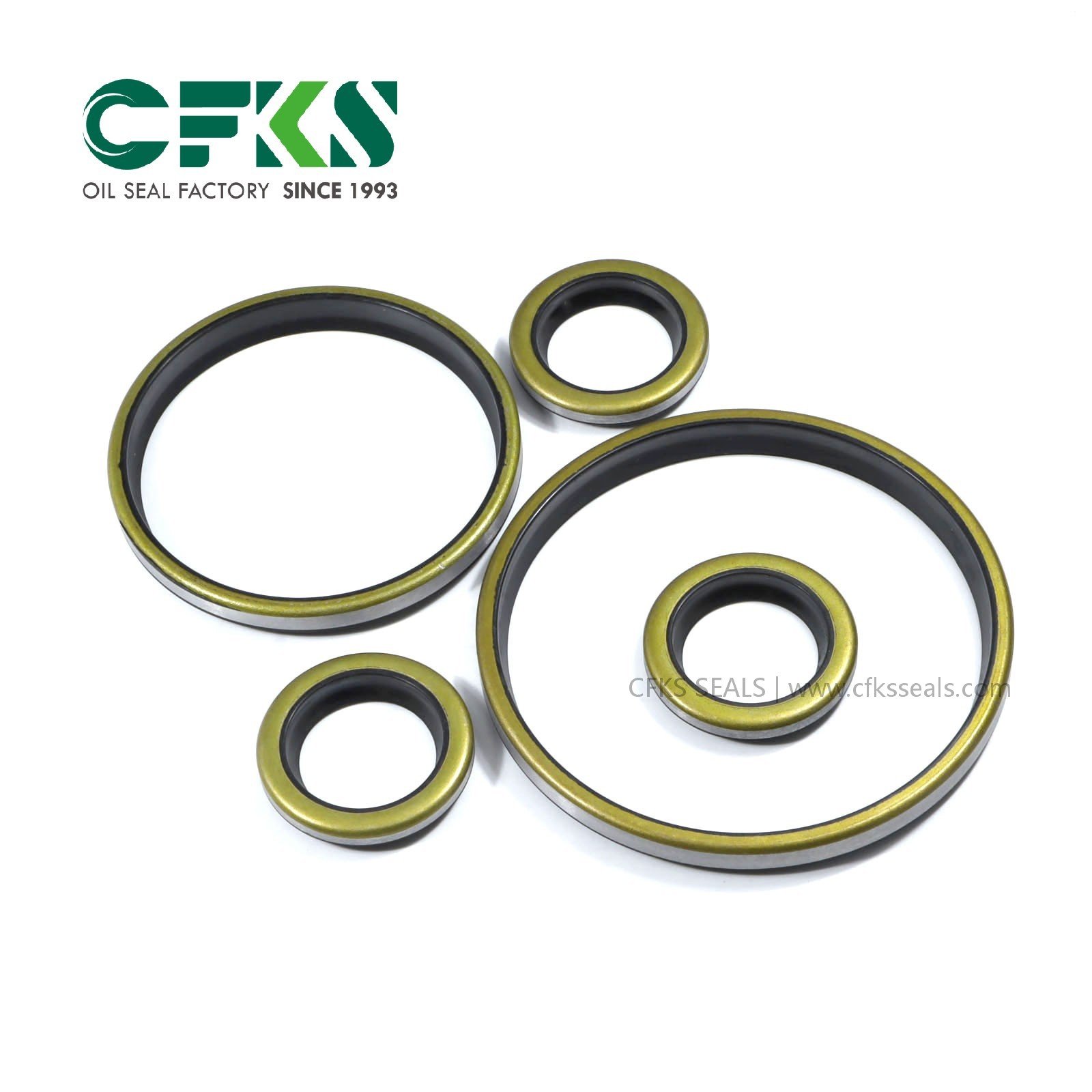
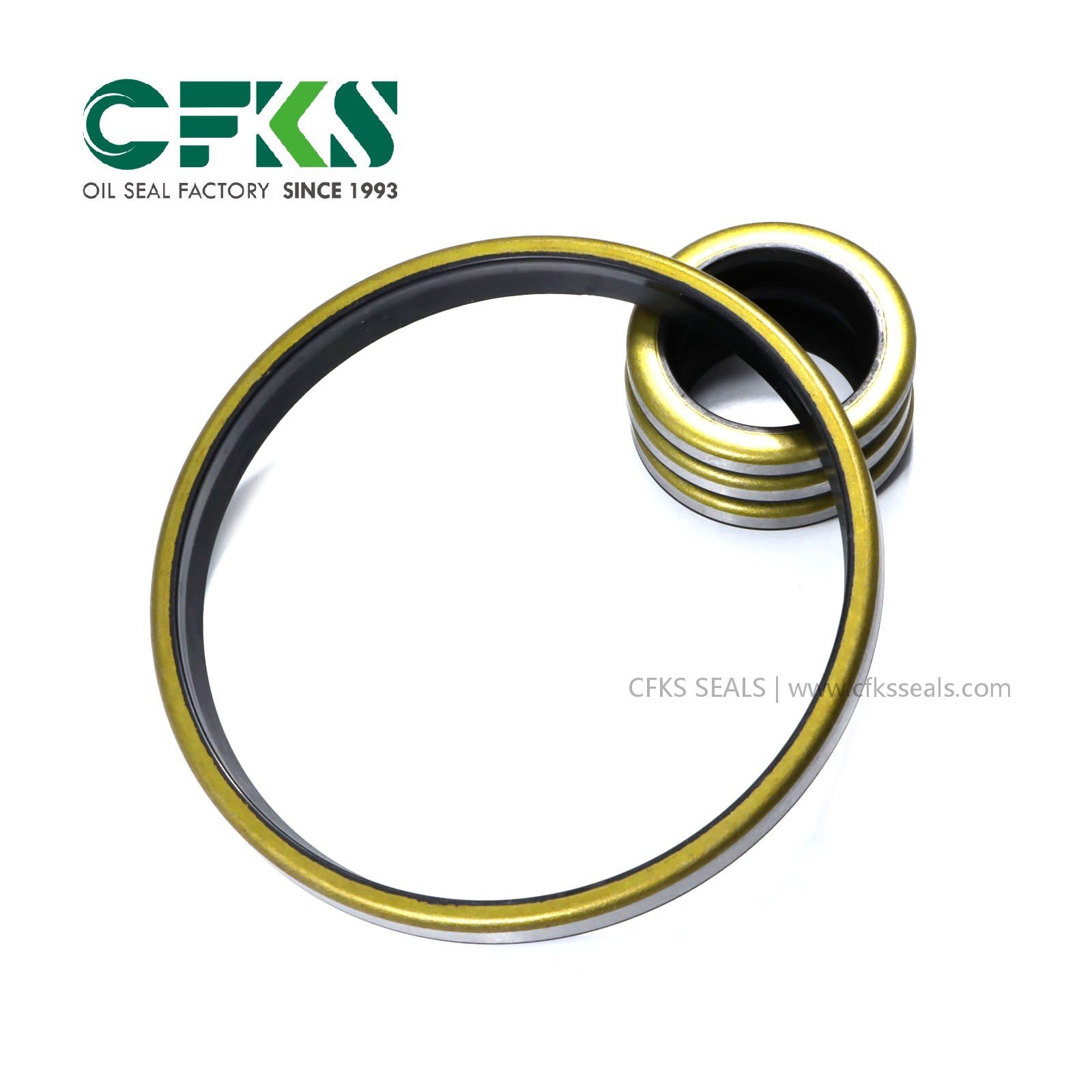
CFKS GA Type Skeleton Oil Seal 95*105*7/10 GA Dust Seal Hydraulic GA Oil Seal for Excavator

Engineered for severe duty in heavy earthmoving equipment, the CFKS GA Type Skeleton Oil Seal 95*105*7/10 delivers high-efficiency radial shaft sealing combined with a heavy-duty secondary dust lip. Its integrated metal casing maintains exact press-fit tolerance within the housing, effectively retaining hydraulic fluid while keeping external slurry, dirt, and fine grit out of critical rotating components.

  • Dual-Lip Exclusion Technology: Combines a primary spring-loaded seal lip for fluid retention with a secondary scraper lip to reject harsh external contaminants.

  • Rigid Metal Skeleton: Precision-stamped carbon steel insert guarantees radial stability and prevents seal blow-out under system pressure spikes.

  • Excavator-Grade Durability: Optimized compound resistance against dynamic shaft wear, hydraulic oil degradation, and harsh friction heating.

Find your sealing solution with CFKS — contact us for a quote.
Product Name CFKS GA Type Skeleton Oil Seal Specification 95*105*7/10 (Customization Supported)
Material NBR / FKM / PU Options Feature High Abrasion Resistance & Heavy Dust Exclusion
Work Temperature -20℃ – 220℃ Usage Hydraulic Cylinders, Excavator Bucket Joints, Track Rollers, Final Drives, Pumps, Gearboxes
Hardness 70 – 85 Shore A Type GA Skeleton Double Lip Dust Oil Seal


The GA Type skeleton oil seal functions as an integrated radial dynamic sealing system specifically designed for rotating shaft assemblies exposed to external particulates. The primary seal lip utilizes a garter spring to maintain a precise radial contact pressure against the shaft surface, counteracting dynamic runout and shaft eccentricity. Simultaneously, the GA outer dust lip operates as a mechanical barrier: as the shaft rotates, the hydrodynamic scraper action rejects mud, water, and coarse grit. The rigid outer metal skeleton ensures a uniform interference fit inside the 105 mm housing bore, maintaining concentricity and preventing fluid bypass along the static outer diameter under heavy operational vibration.


To withstand demanding hydraulic environments, CFKS produces GA seals in specialized elastomer Formulations, primarily NBR and FKM. Standard NBR formulations deliver excellent tensile strength and superior resistance to mineral-based hydraulic oils, grease, and abrasion across operating temperatures from -20℃ to 120℃. For high-temperature applications, high-velocity shafts, or synthetic fluids, our premium FKM elastomers extend performance up to 220℃ while providing exceptional chemical immunity against aggressive additives and high-thermal oxidation. The elastomeric compound is bond-engineered directly to the steel casing to prevent inter-layer delamination during long-term service.

Achieving optimal seal life requires proper alignment during installation to avoid dynamic lip distortion. The GA double-lip profile allows for straightforward press-fitting into open housings using standard hydraulic press tooling or uniform driver sleeves without requiring full shaft teardown in routine maintenance cycles. The balanced contact pressure geometry lowers overall dynamic friction, reducing shaft heat buildup and preventing premature grooving on hardened journal surfaces. This low-friction characteristic significantly extends continuous operational service intervals in high-duty excavators and heavy industrial hydraulic equipment.

Frequently Asked Questions (FAQ)

Why does my CFKS oil seal fail prematurely? Common causes and prevention tips2025-06-26T15:44:39+08:00

Premature oil seal failure can result from improper installation, poor shaft finish, incorrect material selection, or excessive pressure. To prevent this, ensure the shaft surface is smooth and within tolerance, use correct tools during installation, and choose seals made from materials compatible with your media and temperature.

How to correctly install a CFKS industrial oil seal to avoid leakage2025-06-26T16:04:32+08:00

Always clean the shaft and bore before installation. Use appropriate seal drivers to avoid deformation. Lubricate the lip before fitting to reduce friction during the first rotation. Ensure the seal is seated evenly and not tilted to avoid leaks.

What to do when your CFKS hydraulic seal is leaking under pressure2025-05-20T16:33:14+08:00

Check if the pressure exceeds the seal’s rated limit. Examine for wear, hardening, or improper installation. Replace the seal if damaged, and consider upgrading to a high-pressure CFKS seal variant. Also, verify that the housing and shaft are properly aligned.

How to choose the right CFKS oil seal for extreme operating environments2025-05-20T16:34:39+08:00

For high temperatures, aggressive chemicals, or abrasive environments, choose CFKS seals made of FKM, PTFE, or high-performance elastomers. Consider using seals with protective dust lips or metal casing. Our team can recommend the best fit for your application.

MESSAGE

Go to Top