Sealing Excellence, Securing Industry

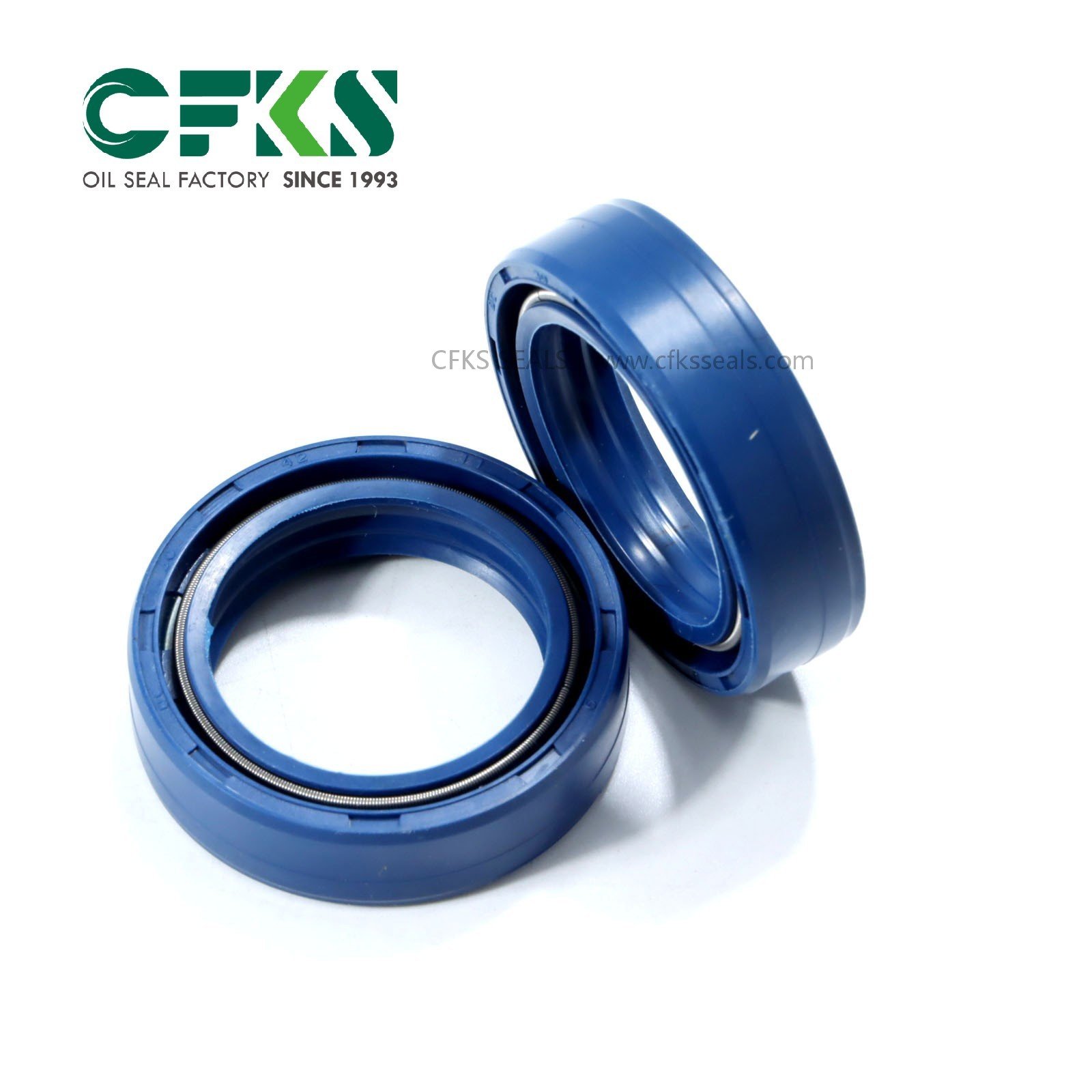
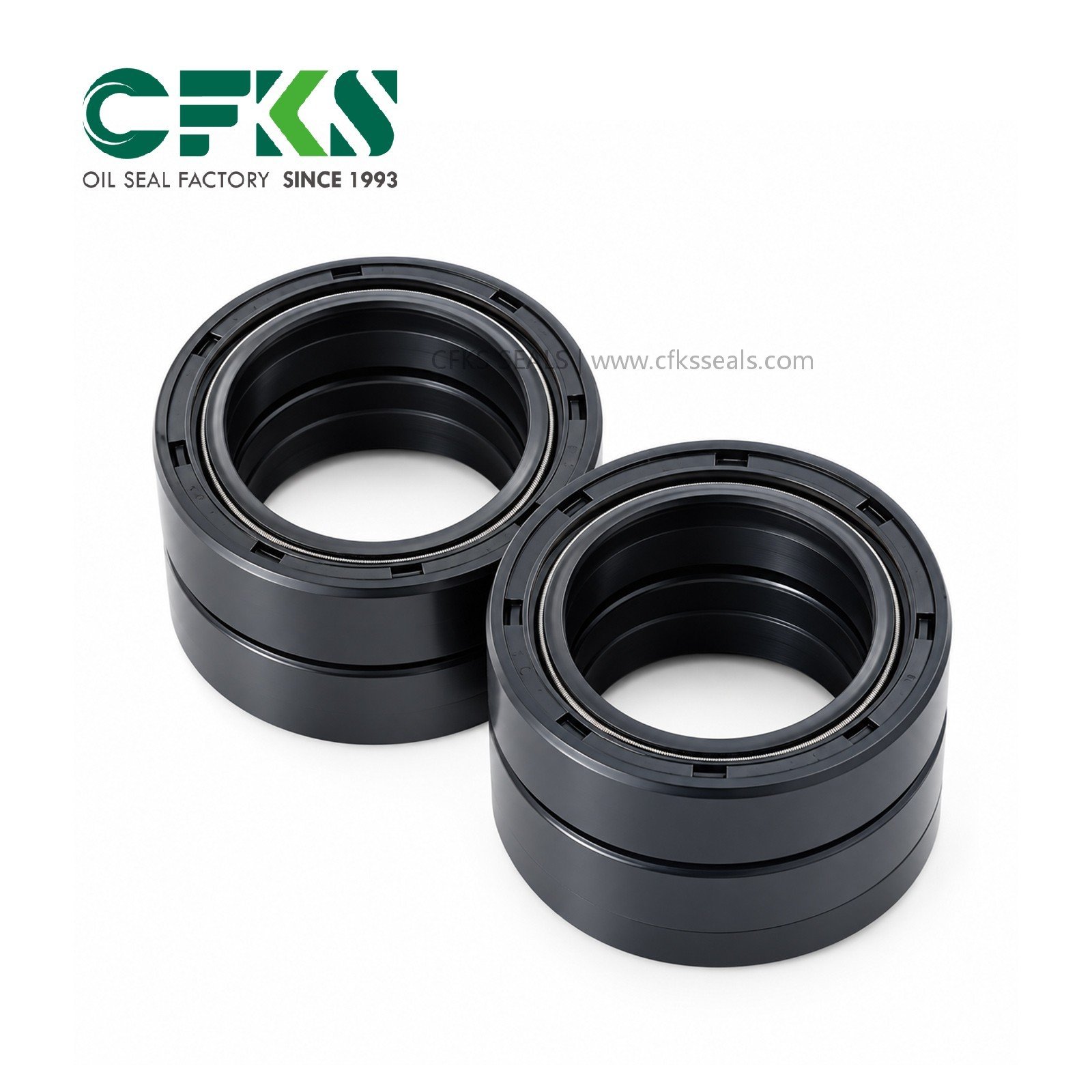
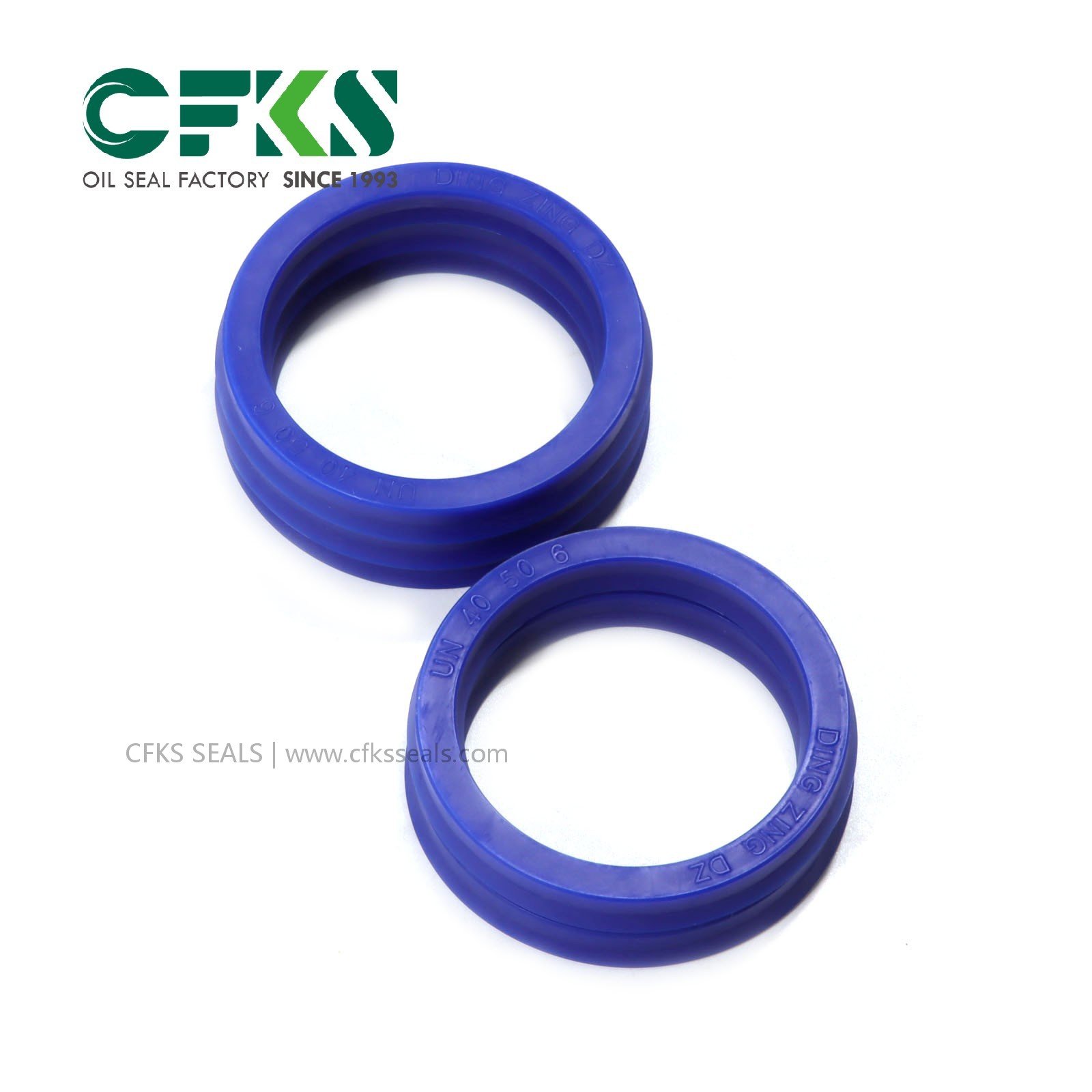
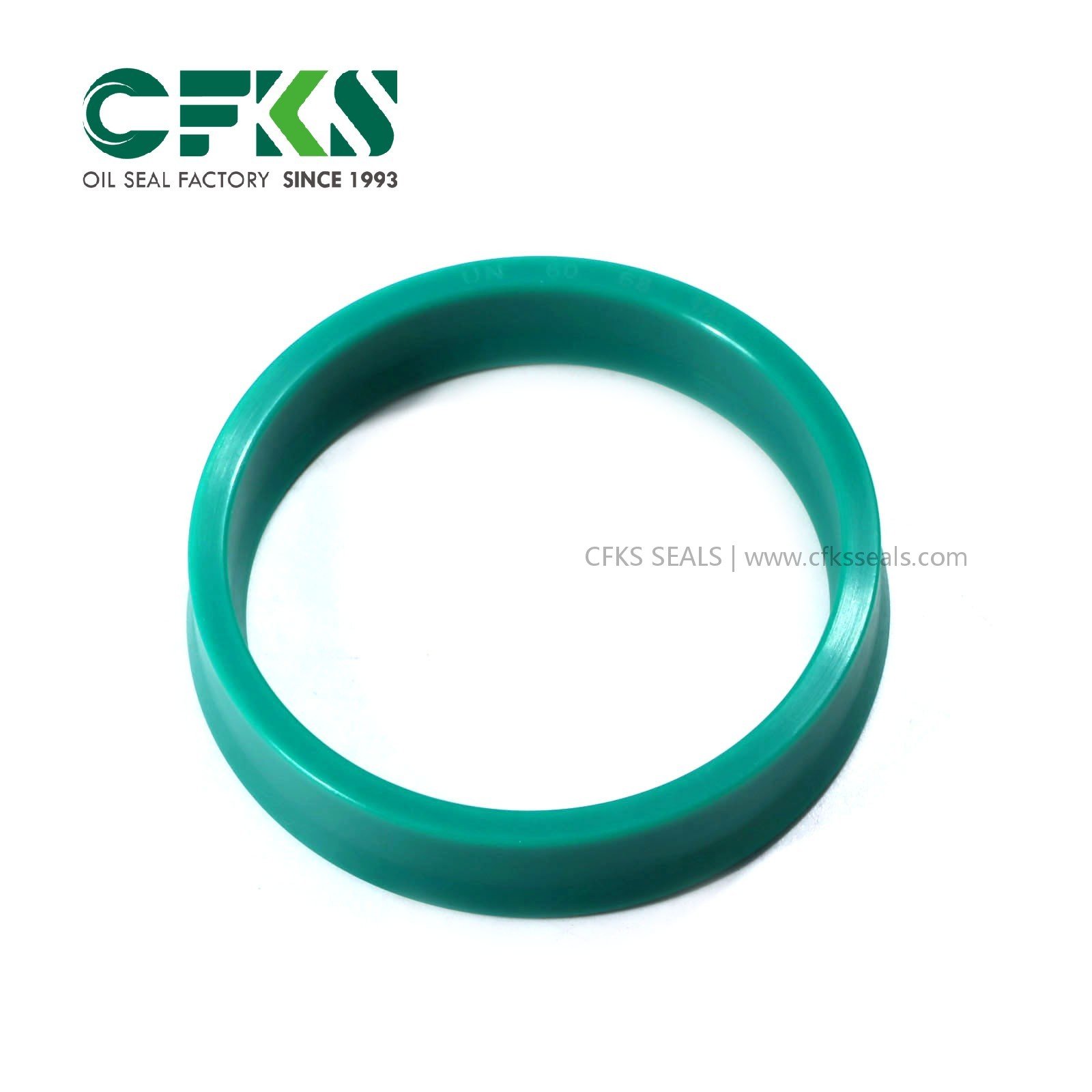
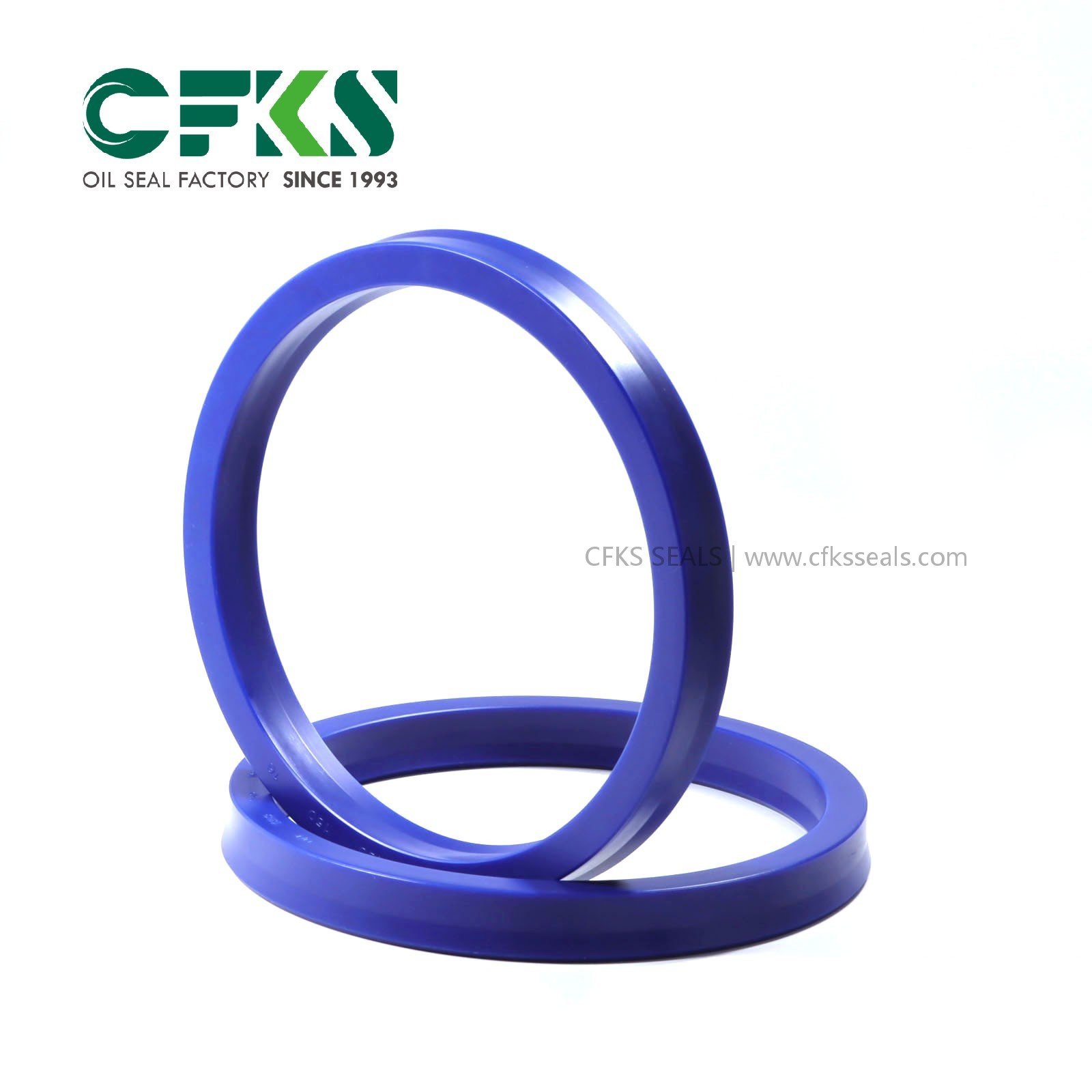
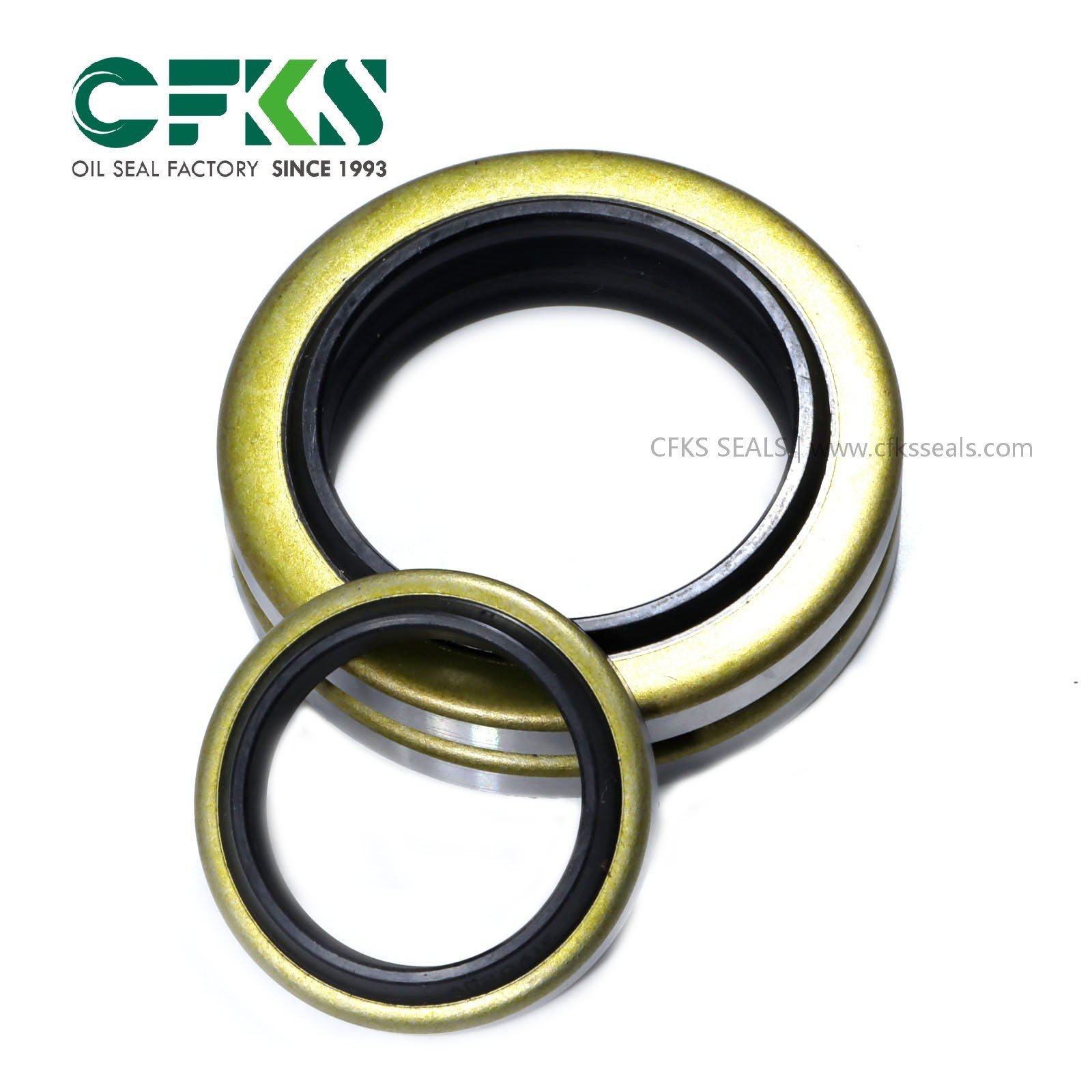
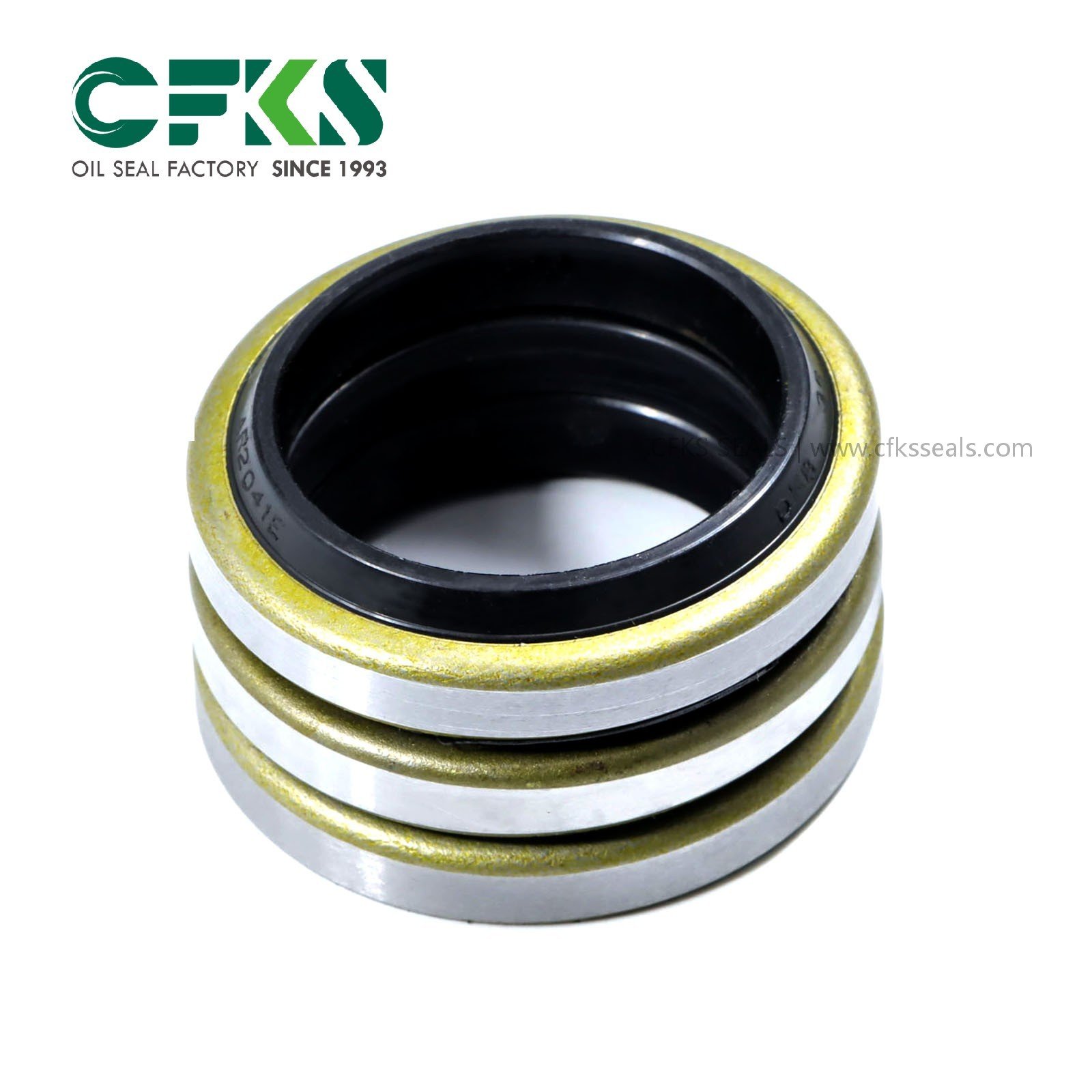
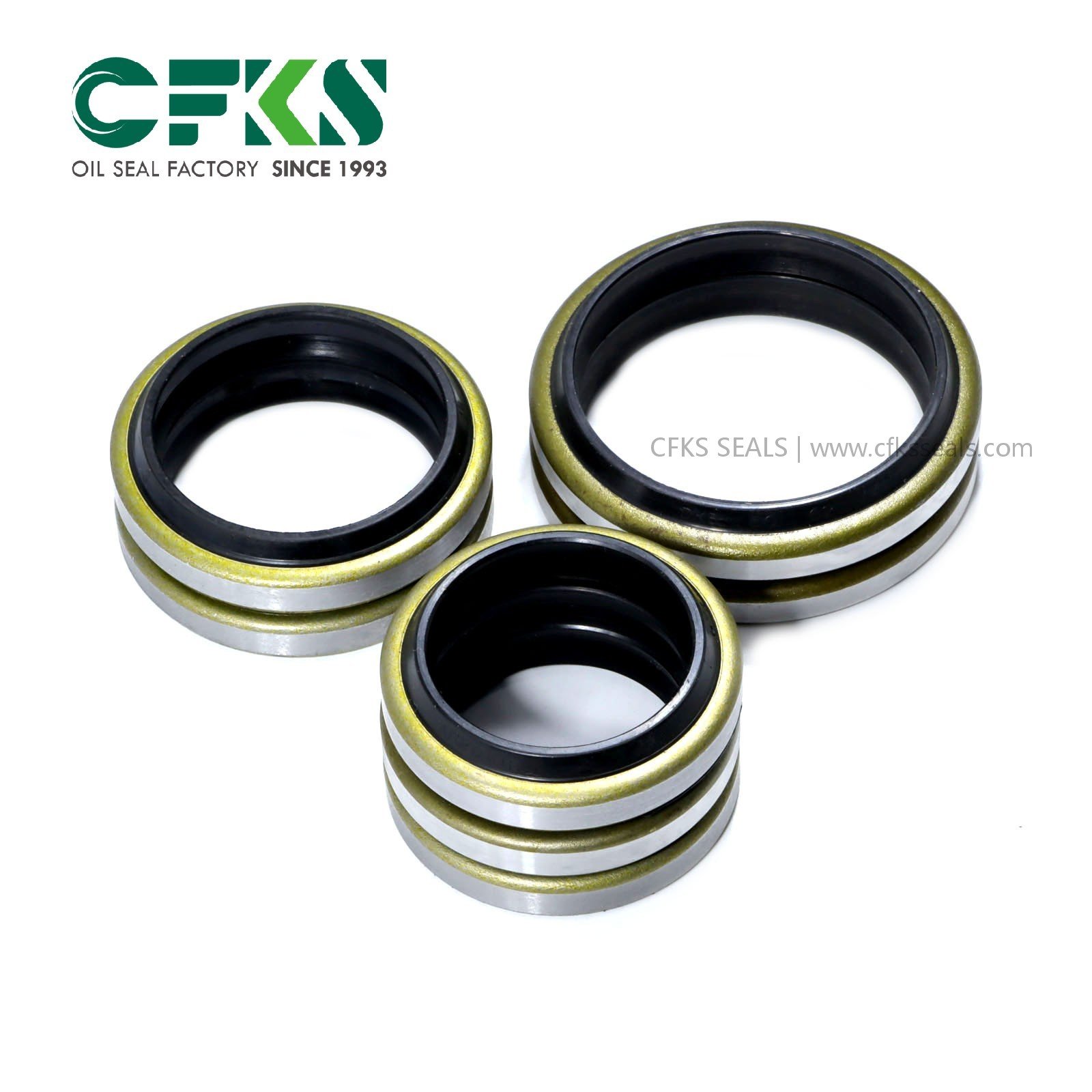
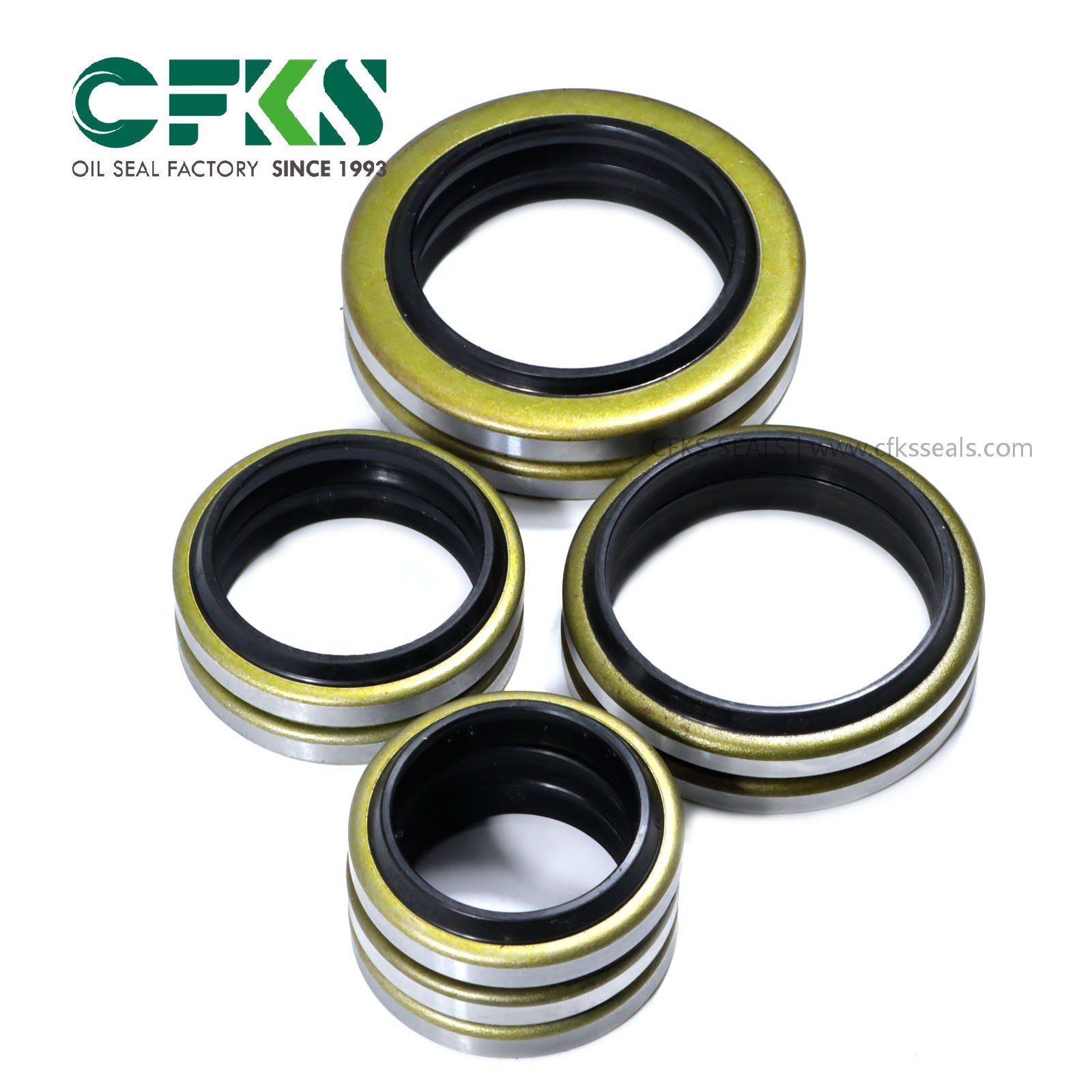
CFKS DKB Oil Seal 35*47*7/10 Heavy Duty Hydraulic Cylinder DKB Wiper Seal Double Lip Wiper

The CFKS DKB Wiper Seal (35*47*7/10) is engineered to deliver superior contamination exclusion in heavy-duty hydraulic and pneumatic cylinders. Featuring a robust double-lip design, it aggressively scrapes away mud, dust, and moisture while maintaining a reliable oil film to prevent rod scoring and extend operational uptime.

  • Double-Lip Design: The primary scraping lip locks out external debris, while the secondary inner lip retains the lubricating oil film to eliminate stick-slip.

  • Precision Dimensions: Manufactured to tight tolerances (35*47*7/10) for secure, reliable press-fit installation in standard hydraulic housing glands.

  • Custom Material Options: Available in premium NBR, FKM, or PU elastomers tailored for extreme thermal ranges and aggressive working fluids.

Find your sealing solution with CFKS — contact us for a quote.
Product Name CFKS DKB Hydraulic Wiper Seal Work Temperature -20℃ to 220℃
Specification 35*47*7/10 mm  Usage Excavators, Hydraulic Cylinders, Crankshafts, Differentials, Axles, Pumps
Material NBR / FKM / PU + Metal Skeleton Hardness 70 – 90  Shore A
Feature Double Lip, Heavy Duty, High Pressure & Abrasion Resistant Type Dust & Wiper Seal


The CFKS DKB wiper seal operates on a dual-stage dynamic exclusion principle designed specifically for reciprocating hydraulic rods. As the piston rod retracts, the outer scraping lip generates high contact pressure against the metal surface, shearing off stubborn contaminants like compacted mud, metal shavings, and moisture before they enter the gland. Simultaneously, the inner sealing lip functions as a secondary barrier, retaining the hydraulic fluid film to ensure proper lubrication and prevent stick-slip phenomena under high-cycle conditions.

Material engineering dictates seal longevity in aggressive industrial environments. CFKS provides precision-molded options in standard NBR for general-purpose petroleum-based hydraulic oils up to 100°C, offering exceptional tear resistance and mechanical strength. For high-temperature applications or aggressive synthetic fluids (like phosphate esters and fire-resistant fluids) reaching up to 200°C, FKM or PU compounds are utilized, ensuring maximum chemical resistance, low compression set, and long-term elasticity without thermal degradation.

Designed for straightforward press-fit installation into open housing grooves, the DKB profile requires no specialized shims or complex retaining plates, minimizing equipment downtime during routine maintenance. The optimized lip geometry significantly reduces frictional drag during rod extension and retraction, lowering heat generation and energy loss. This low-friction characteristic prevents premature wear on both the elastomer and the chrome-plated piston rod, delivering extended service intervals and lower total cost of ownership for heavy machinery.

Frequently Asked Questions (FAQ)

Why does my CFKS oil seal fail prematurely? Common causes and prevention tips2025-06-26T15:44:39+08:00

Premature oil seal failure can result from improper installation, poor shaft finish, incorrect material selection, or excessive pressure. To prevent this, ensure the shaft surface is smooth and within tolerance, use correct tools during installation, and choose seals made from materials compatible with your media and temperature.

How to correctly install a CFKS industrial oil seal to avoid leakage2025-06-26T16:04:32+08:00

Always clean the shaft and bore before installation. Use appropriate seal drivers to avoid deformation. Lubricate the lip before fitting to reduce friction during the first rotation. Ensure the seal is seated evenly and not tilted to avoid leaks.

What to do when your CFKS hydraulic seal is leaking under pressure2025-05-20T16:33:14+08:00

Check if the pressure exceeds the seal’s rated limit. Examine for wear, hardening, or improper installation. Replace the seal if damaged, and consider upgrading to a high-pressure CFKS seal variant. Also, verify that the housing and shaft are properly aligned.

How to choose the right CFKS oil seal for extreme operating environments2025-05-20T16:34:39+08:00

For high temperatures, aggressive chemicals, or abrasive environments, choose CFKS seals made of FKM, PTFE, or high-performance elastomers. Consider using seals with protective dust lips or metal casing. Our team can recommend the best fit for your application.

MESSAGE

Go to Top