Sealing Excellence, Securing Industry

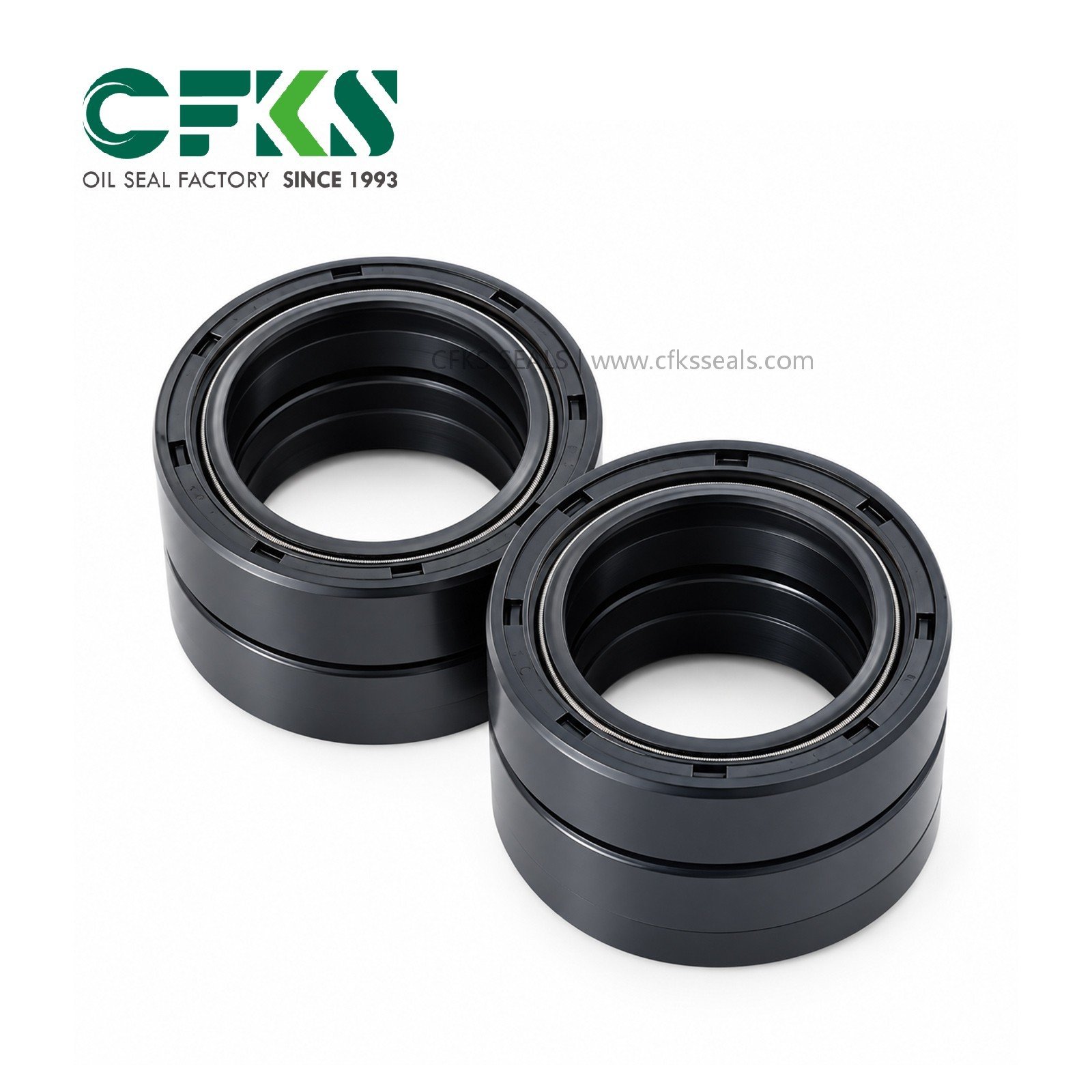
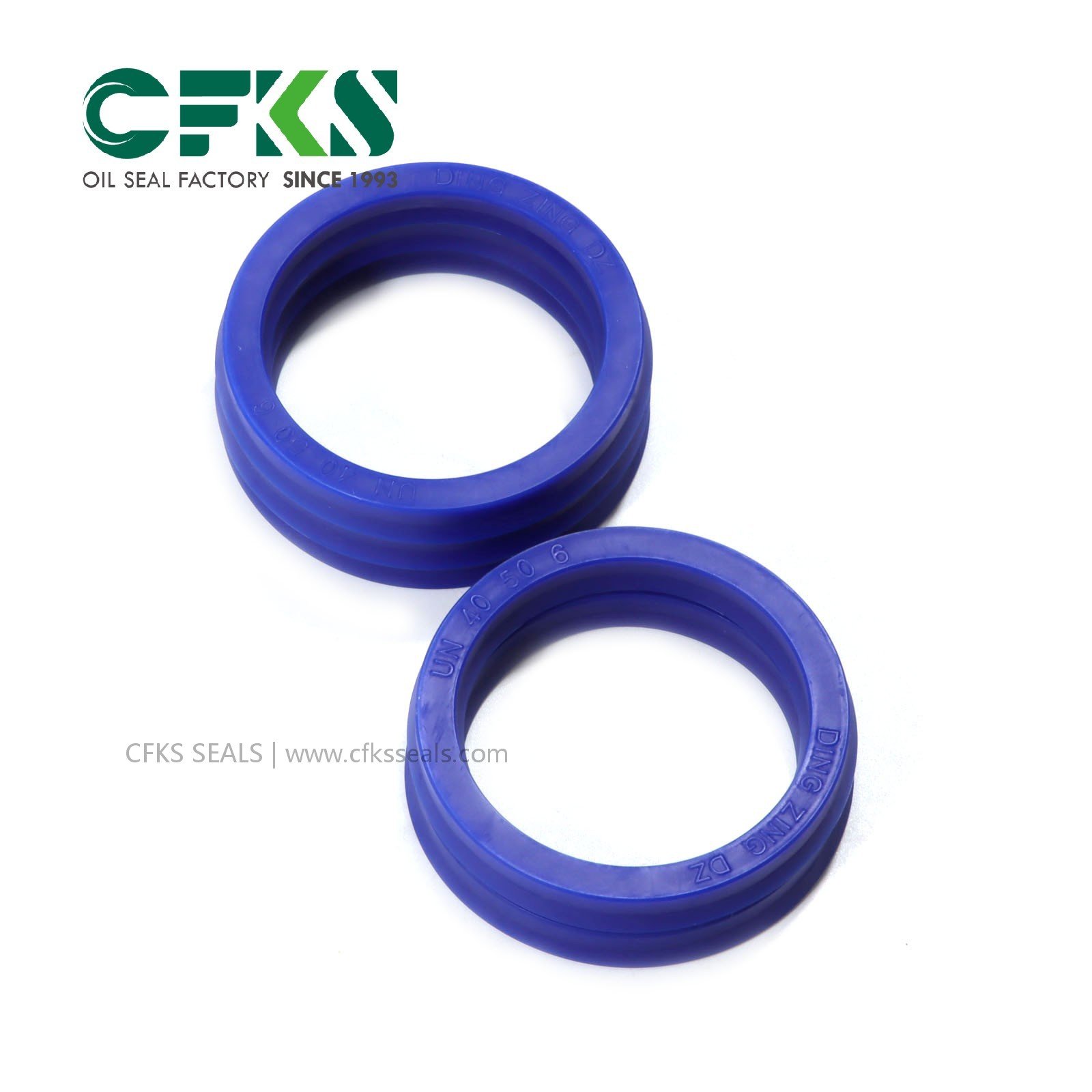
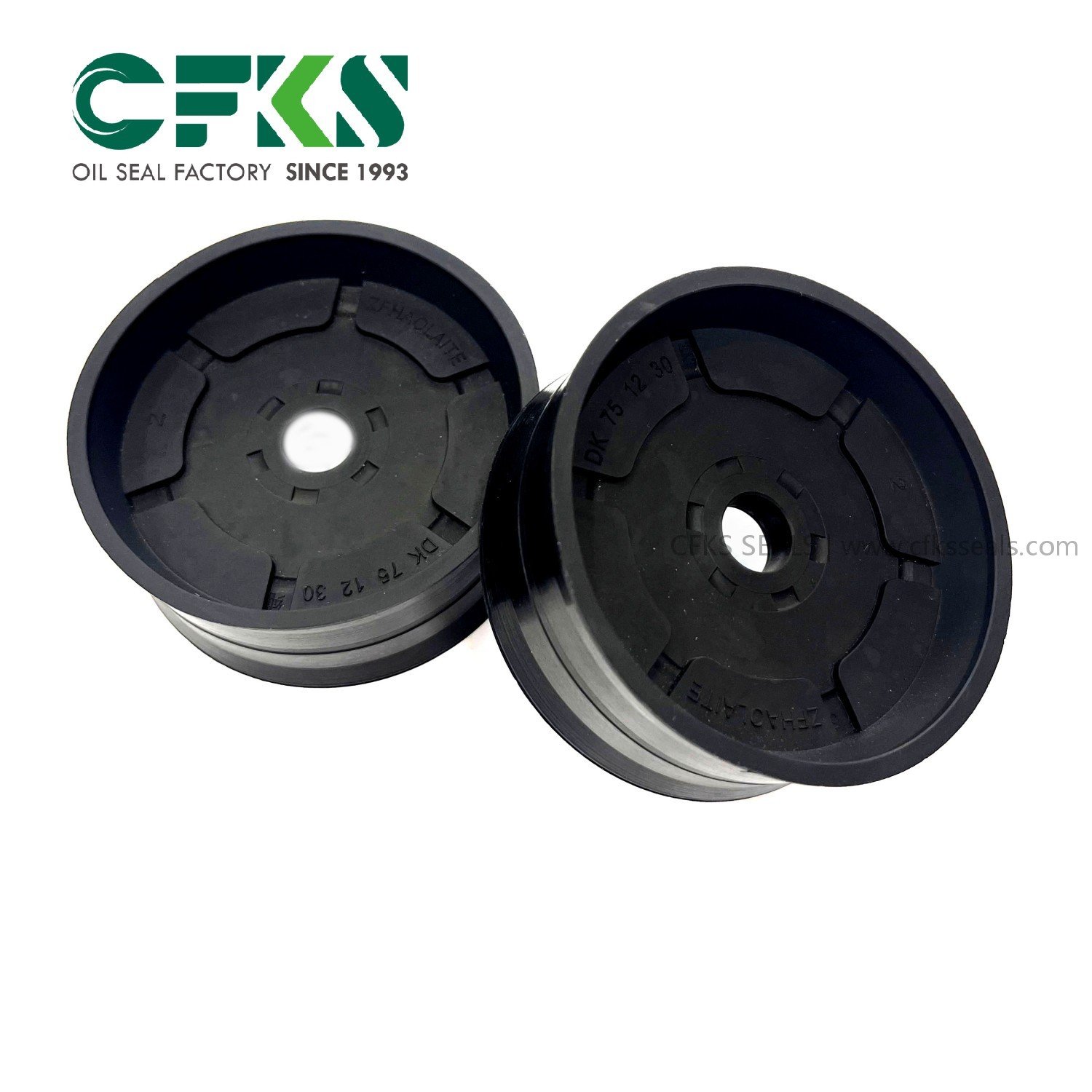
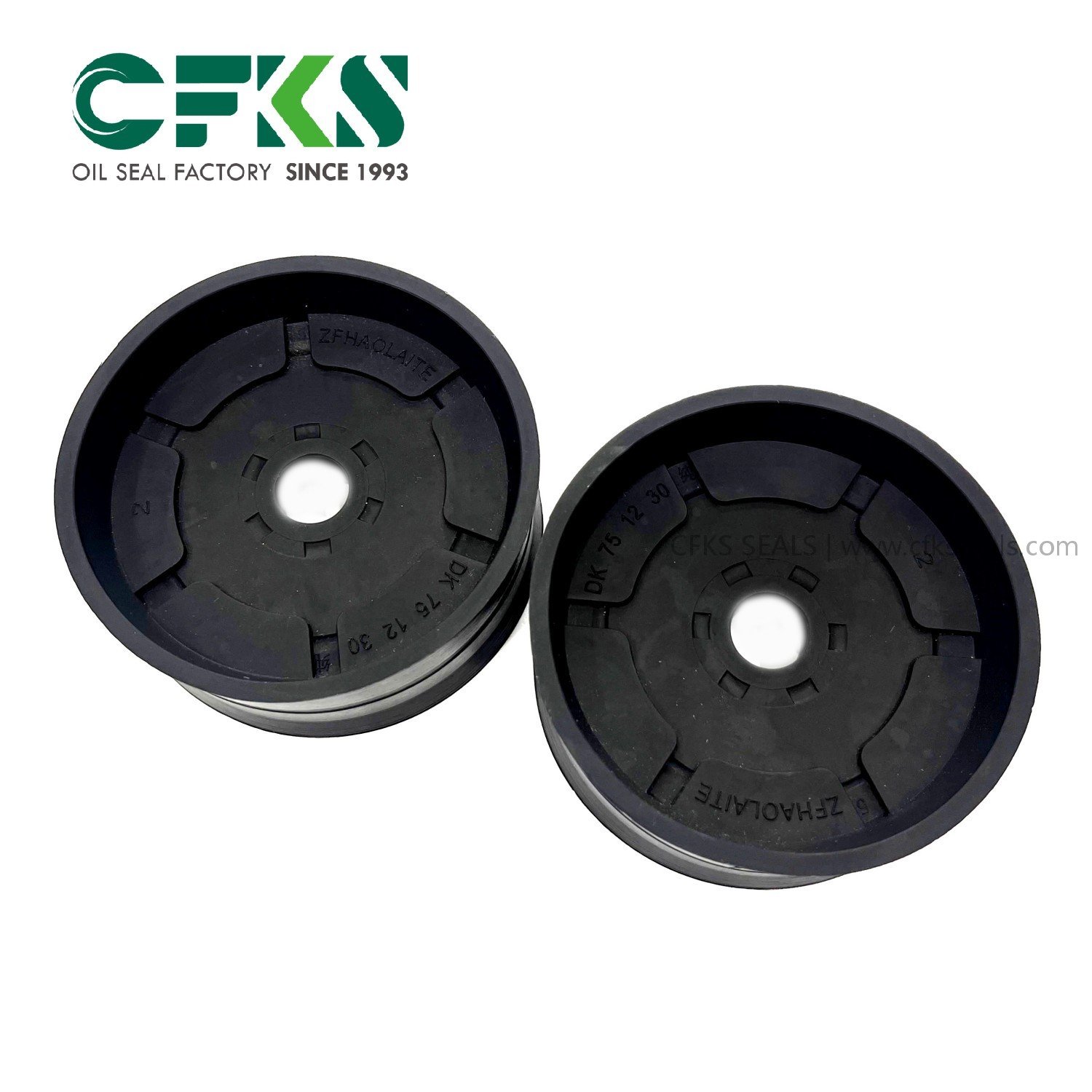
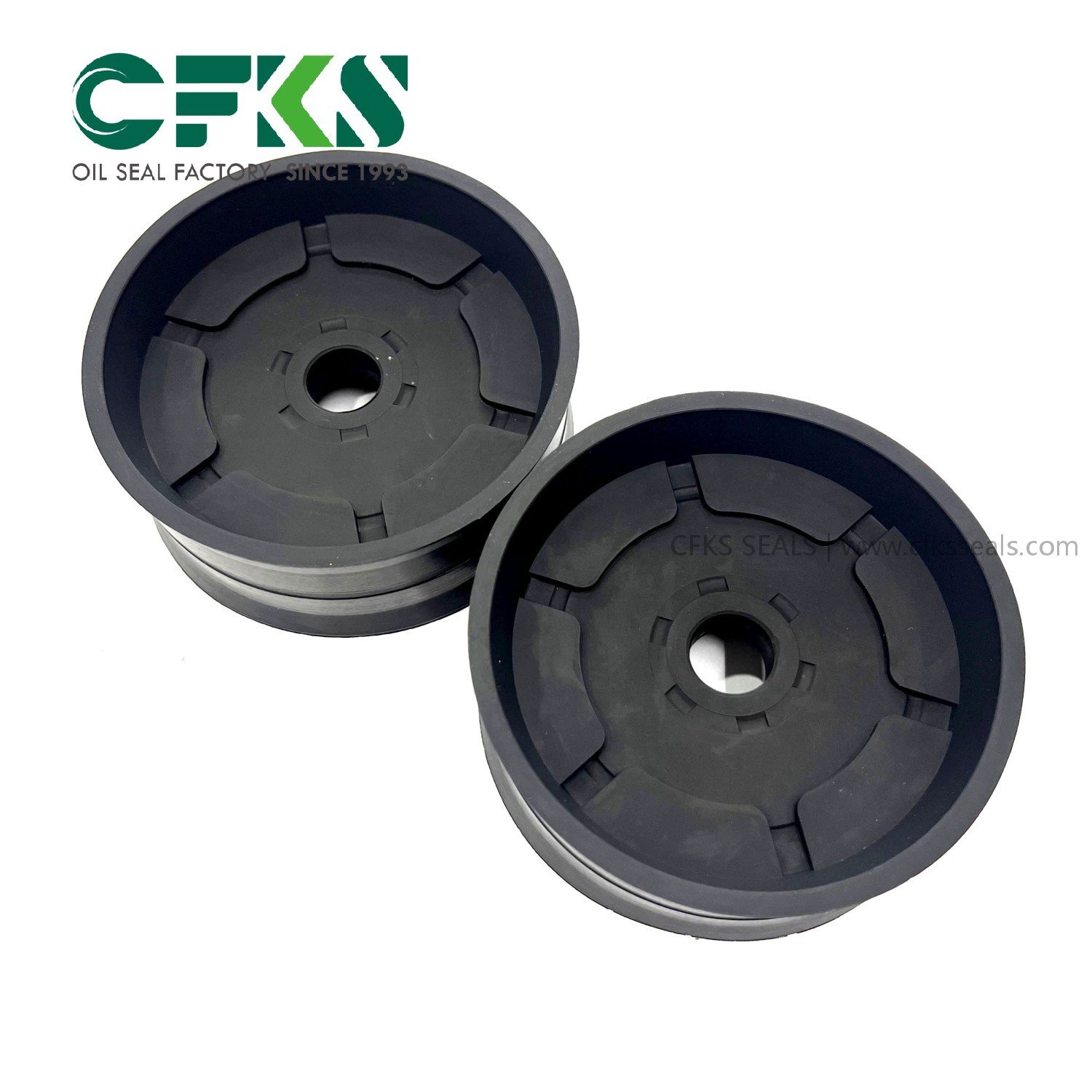
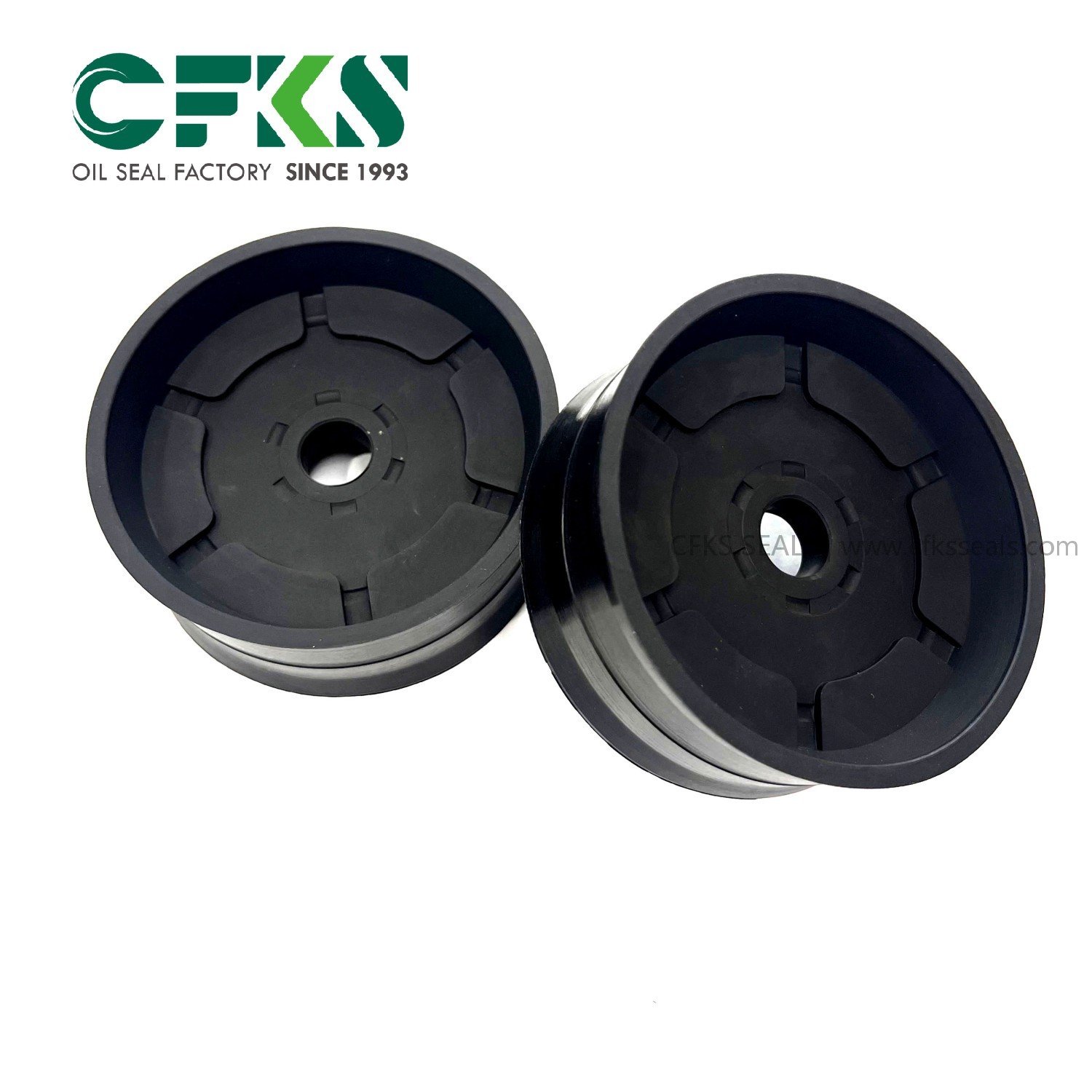
CFKS DK Skeleton Oil Seal 75*12*30 NBR High Pressure DK Rubber Seal Wear Resistant Dust Ring

Engineered for demanding industrial hydraulic and pneumatic environments, the DK Skeleton Oil Seal delivers robust dual-acting sealing performance to protect machinery against high-pressure fluid loss and severe external contaminants. Featuring an integrated metal reinforcement skeleton bonded to premium NBR, 75*12*30 seal maintains structural integrity under fluctuating operating conditions. It provides long-term operational reliability where conventional elastomeric rings fail due to pressure surges or abrasive wear.

  • High-Pressure Resilience: Retains structural geometry without extrusion under continuous pressure loads.

  • Dual Dust & Fluid Barrier: Integrated wiping lip effectively blocks dust, dirt, and fine particles.

  • Superior Abrasion Resistance: Optimized NBR formulation reduces frictional drag and thermal degradation.
Product Name DK Skeleton Oil Seal Specification 75*12*30mm (Customized sizes available)
Material NBR / FKM / PU Feature High Pressure Resistance, Wear Resistant, Anti-Dust
Work Temperature -20℃ to 220℃ Usage Hydraulic Cylinders, Transmission Gearboxes, Earthmoving Equipment, Piston Rods, Heavy Machinery Shafts
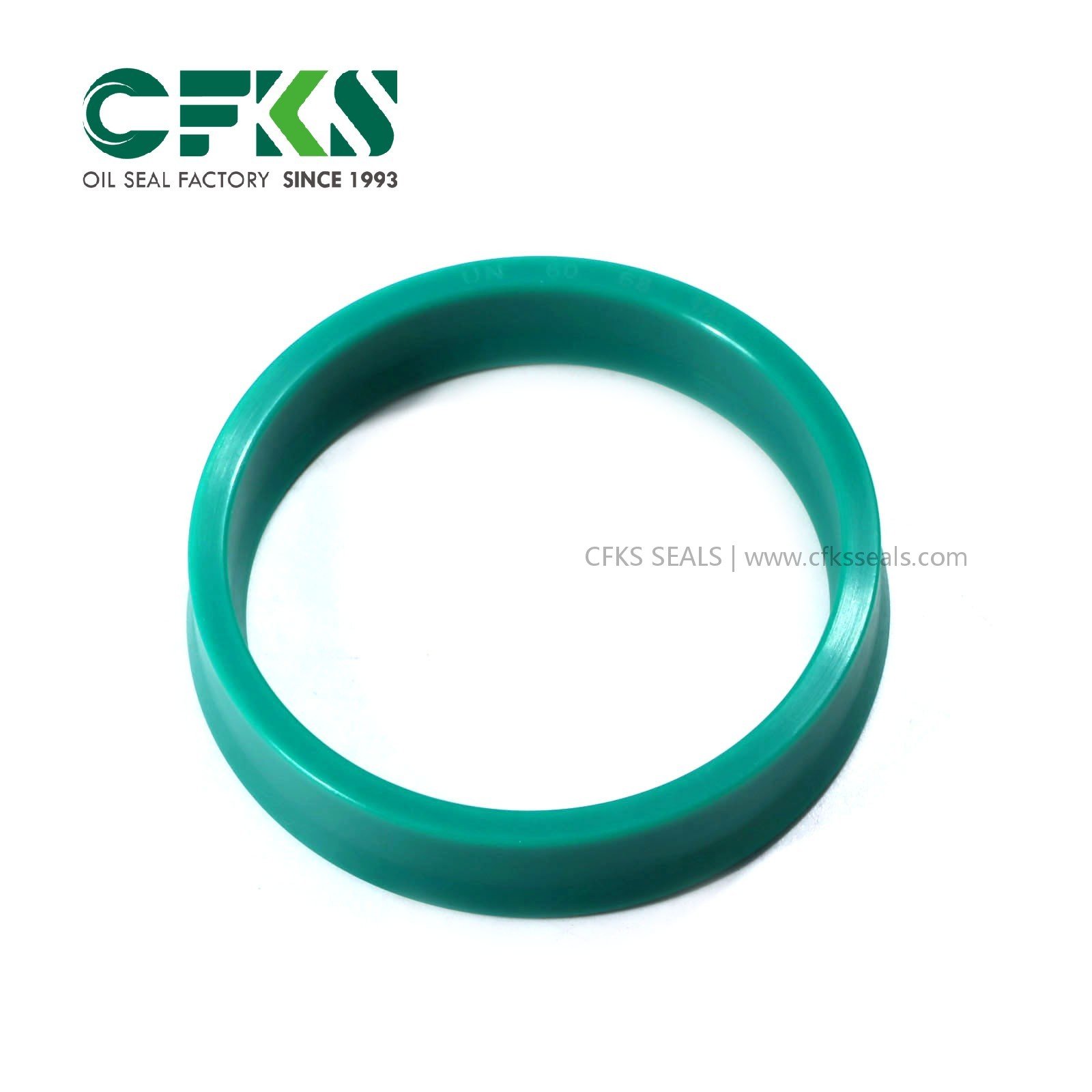
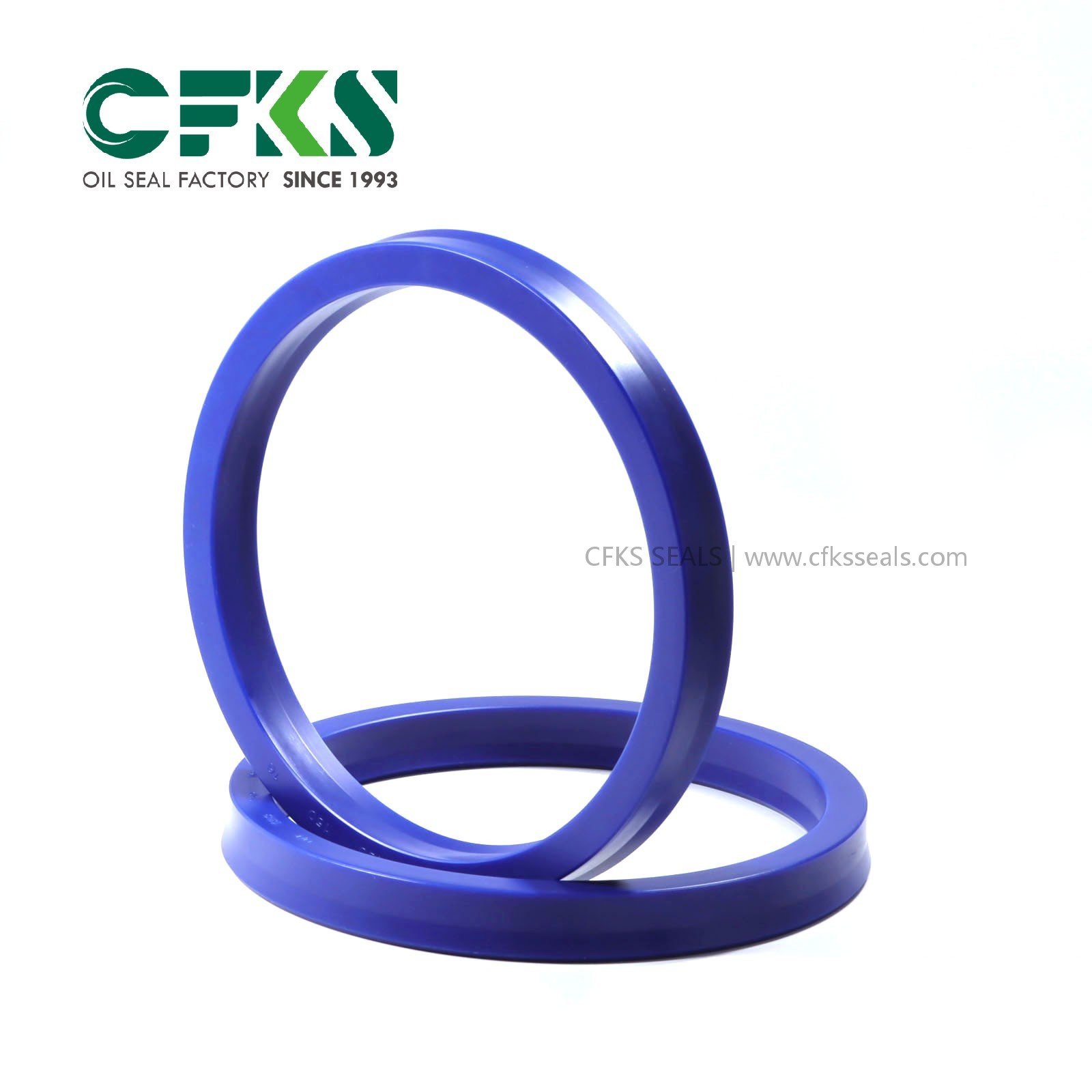
Hardness 70 – 90 Shore A Type DK High-Pressure Skeleton Rubber Dust Seal Ring


The DK Skeleton Oil Seal utilizes an internal metal casing—or skeleton—that provides rigidity while allowing the elastomeric lip to exert consistent radial force against the rotating shaft. In high-pressure hydraulic applications, conventional seals often deform or blow out; however, the DK design relies on engineered cross-sectional geometry to distribute pressure evenly across the contact lip. As internal dynamic pressure increases, the sealing lip geometry works in tandem with the garter spring to optimize contact pressure without inducing excessive frictional heat, ensuring a tight fluid barrier alongside active dust exclusion.


Formulated primarily in High-Density NBR with optional FKM variants, the DK seal compound is chosen based on specific fluid media and temperature dynamics. Premium NBR provides excellent resistance to petroleum-based oils, hydraulic fluids, and grease, operating reliably across standard industrial thermal cycles. For extreme chemical exposure or elevated temperature spikes, FKM offers superior cross-linking stability against synthetic oils and aggressive media. Both elastomers are compound-blended with anti-wear agents to minimize lip degradation and prevent early shaft grooving.


Designed for straightforward, press-fit installation into standard housing bores, the DK Skeleton Oil Seal significantly minimizes downtime during maintenance overhauls. The rigid steel frame allows uniform press fitting without tilting or damaging the sealing lip during assembly. Thanks to low-friction compound engineering and optimized lip geometry, the seal generates minimal break-away torque and thermal buildup during initial run-in. This low-wear operational profile extends maintenance intervals and protects expensive shafts from premature fretting wear.


Frequently Asked Questions (FAQ)

Why does my CFKS oil seal fail prematurely? Common causes and prevention tips2025-06-26T15:44:39+08:00

Premature oil seal failure can result from improper installation, poor shaft finish, incorrect material selection, or excessive pressure. To prevent this, ensure the shaft surface is smooth and within tolerance, use correct tools during installation, and choose seals made from materials compatible with your media and temperature.

How to correctly install a CFKS industrial oil seal to avoid leakage2025-06-26T16:04:32+08:00

Always clean the shaft and bore before installation. Use appropriate seal drivers to avoid deformation. Lubricate the lip before fitting to reduce friction during the first rotation. Ensure the seal is seated evenly and not tilted to avoid leaks.

What to do when your CFKS hydraulic seal is leaking under pressure2025-05-20T16:33:14+08:00

Check if the pressure exceeds the seal’s rated limit. Examine for wear, hardening, or improper installation. Replace the seal if damaged, and consider upgrading to a high-pressure CFKS seal variant. Also, verify that the housing and shaft are properly aligned.

How to choose the right CFKS oil seal for extreme operating environments2025-05-20T16:34:39+08:00

For high temperatures, aggressive chemicals, or abrasive environments, choose CFKS seals made of FKM, PTFE, or high-performance elastomers. Consider using seals with protective dust lips or metal casing. Our team can recommend the best fit for your application.


MESSAGE

Go to Top