Sealing Excellence, Securing Industry

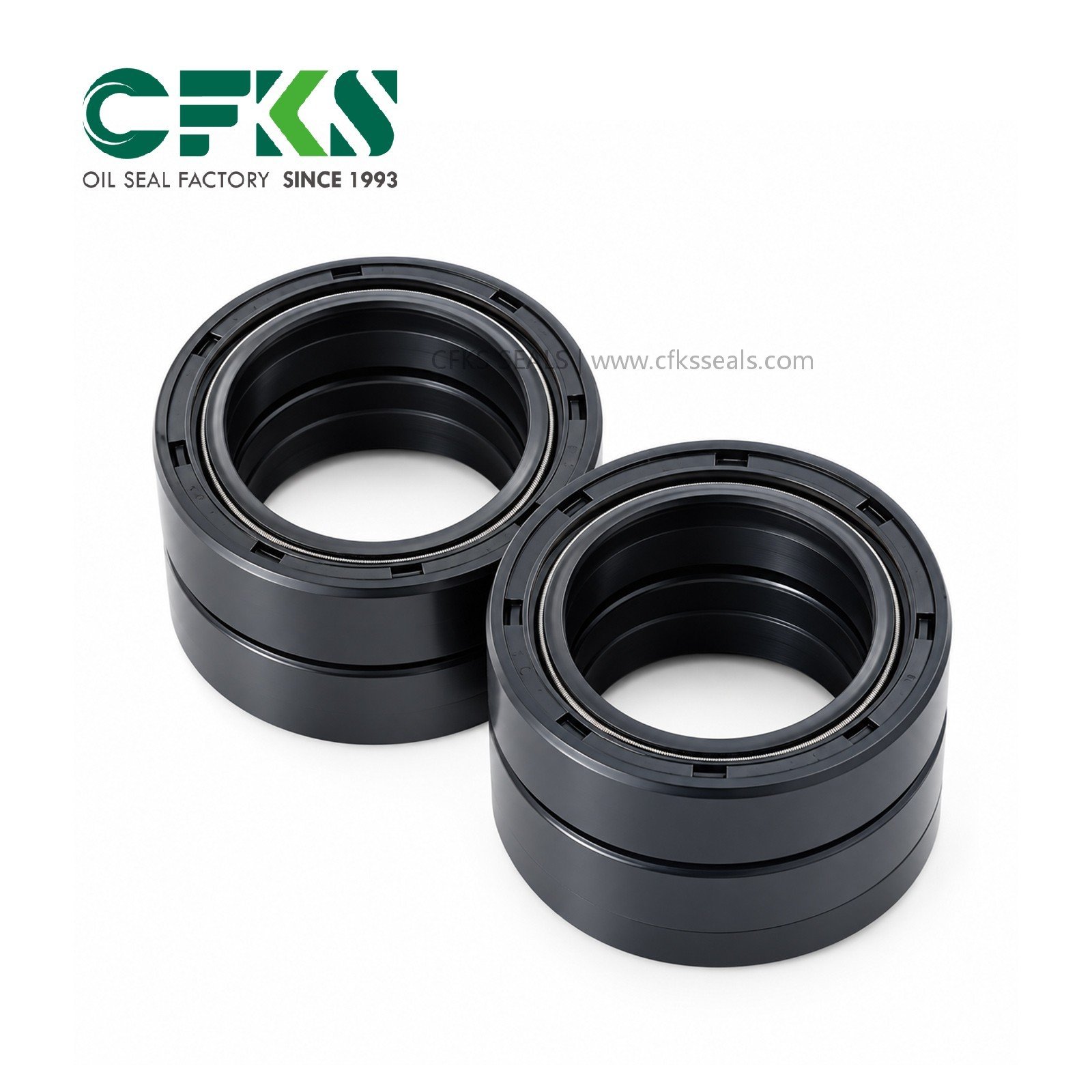
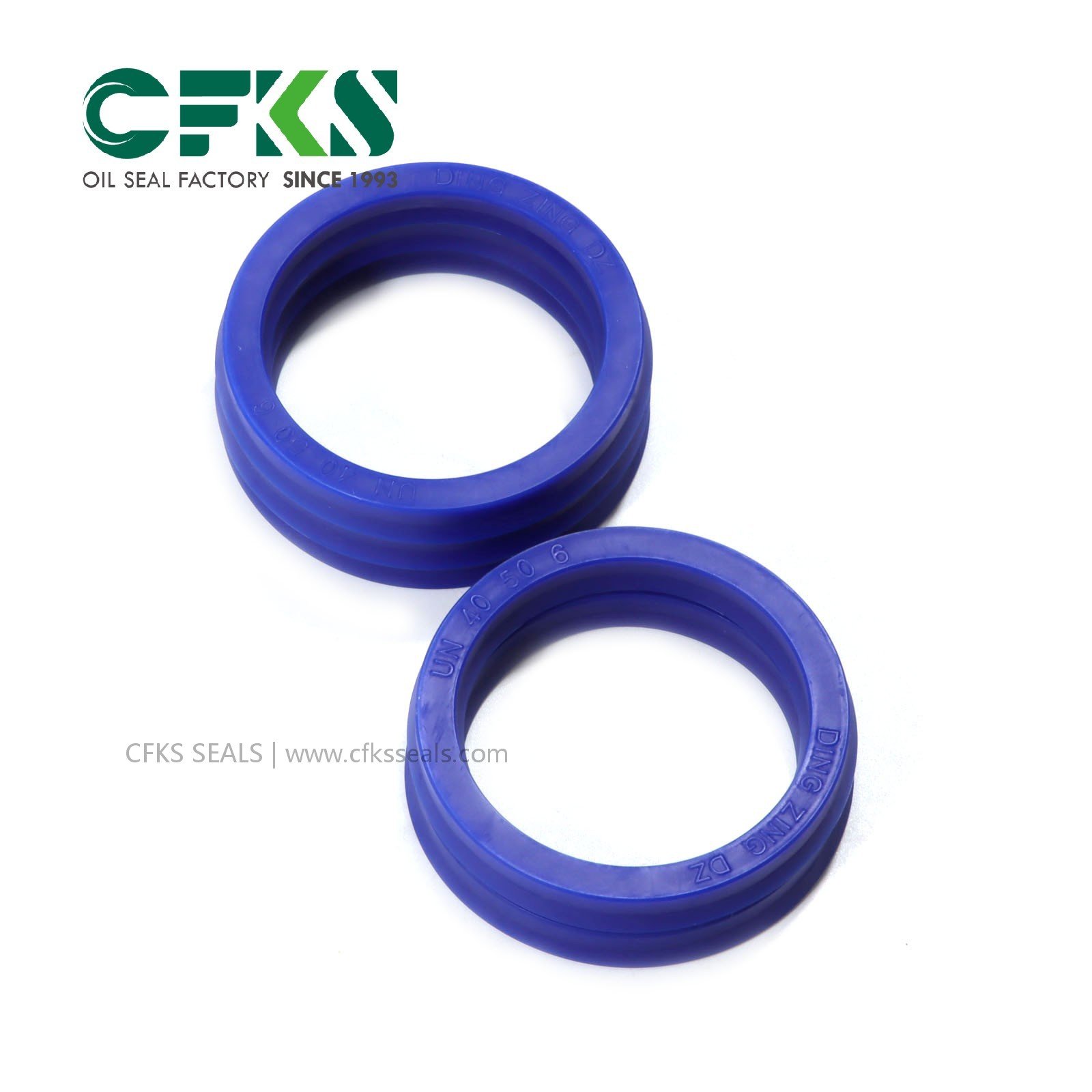
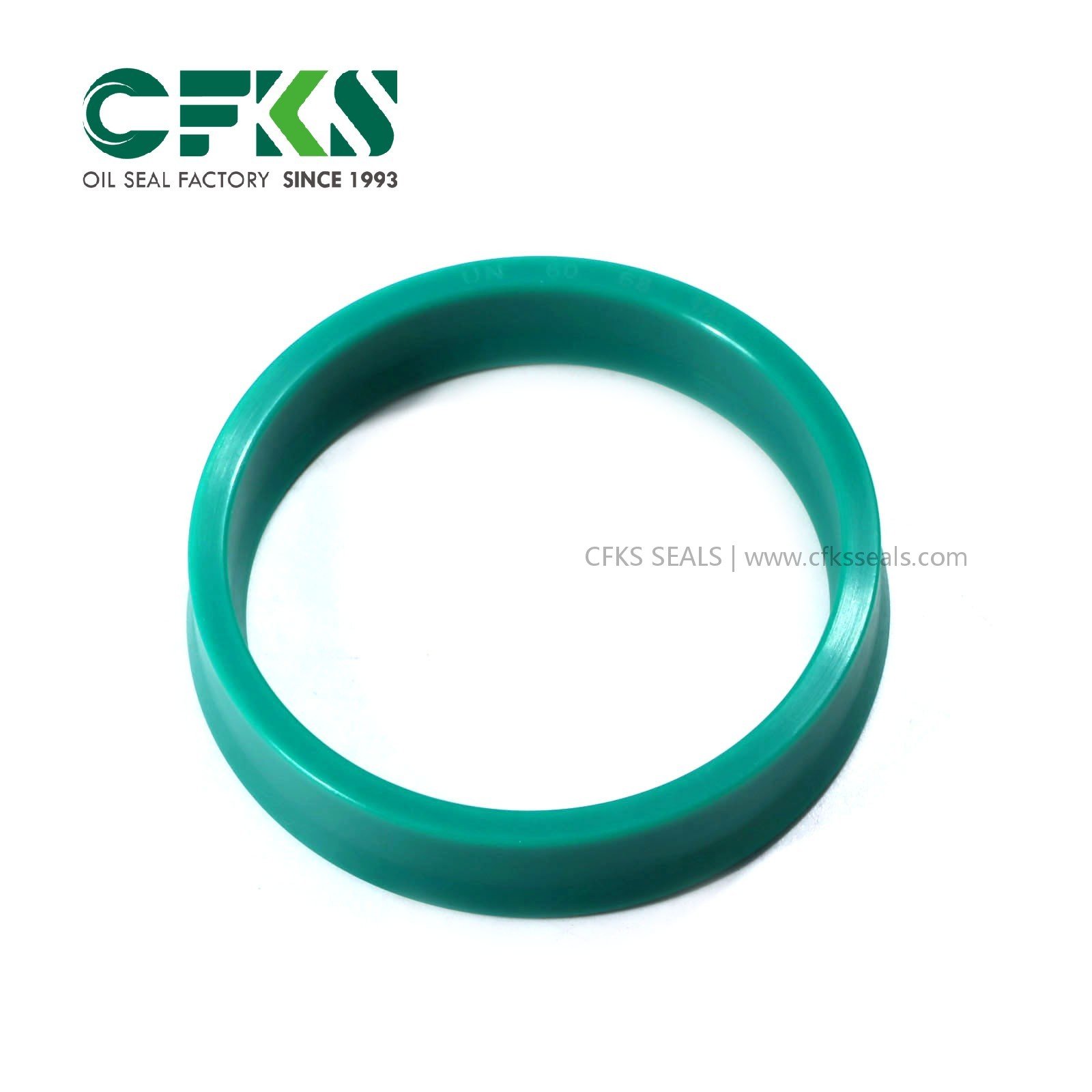
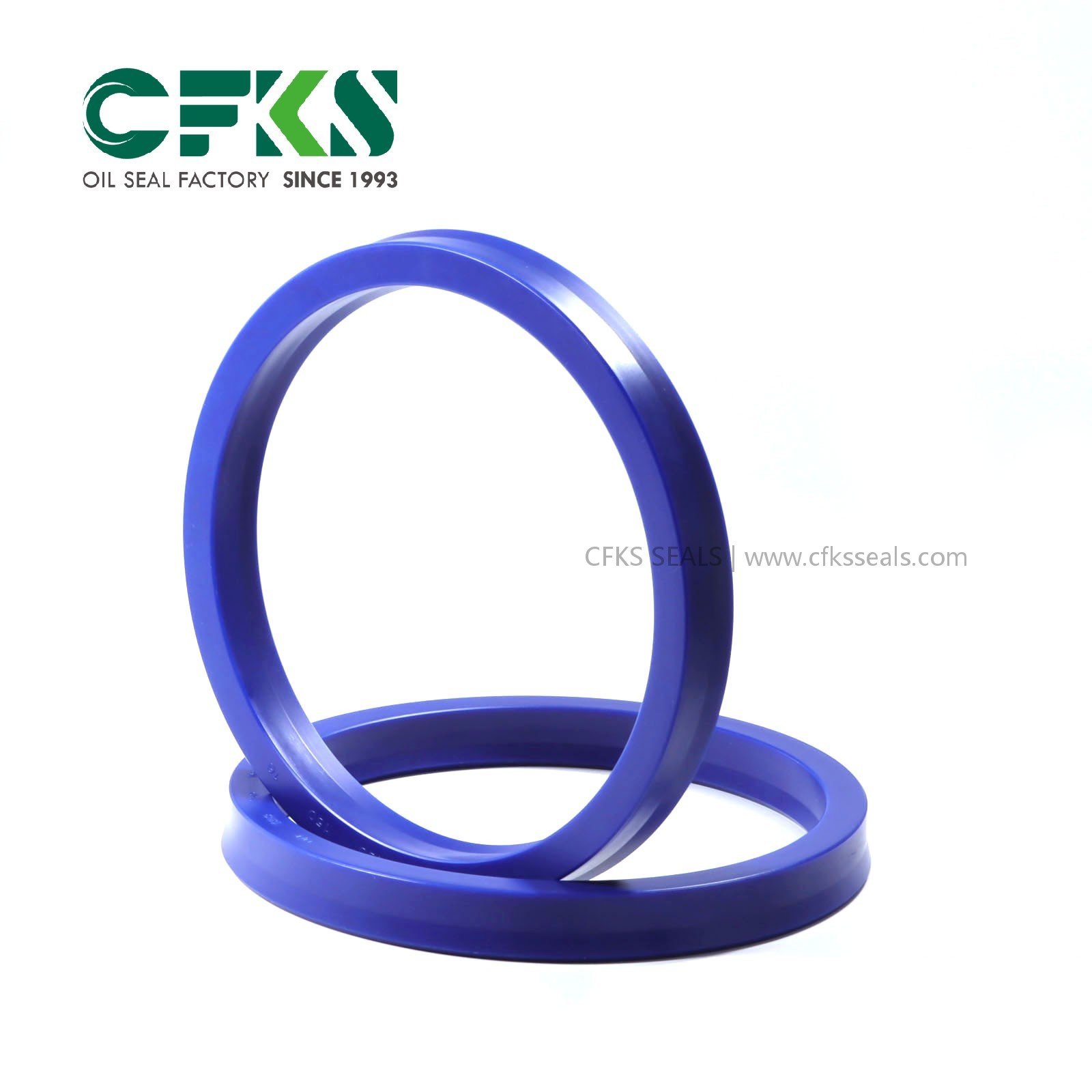
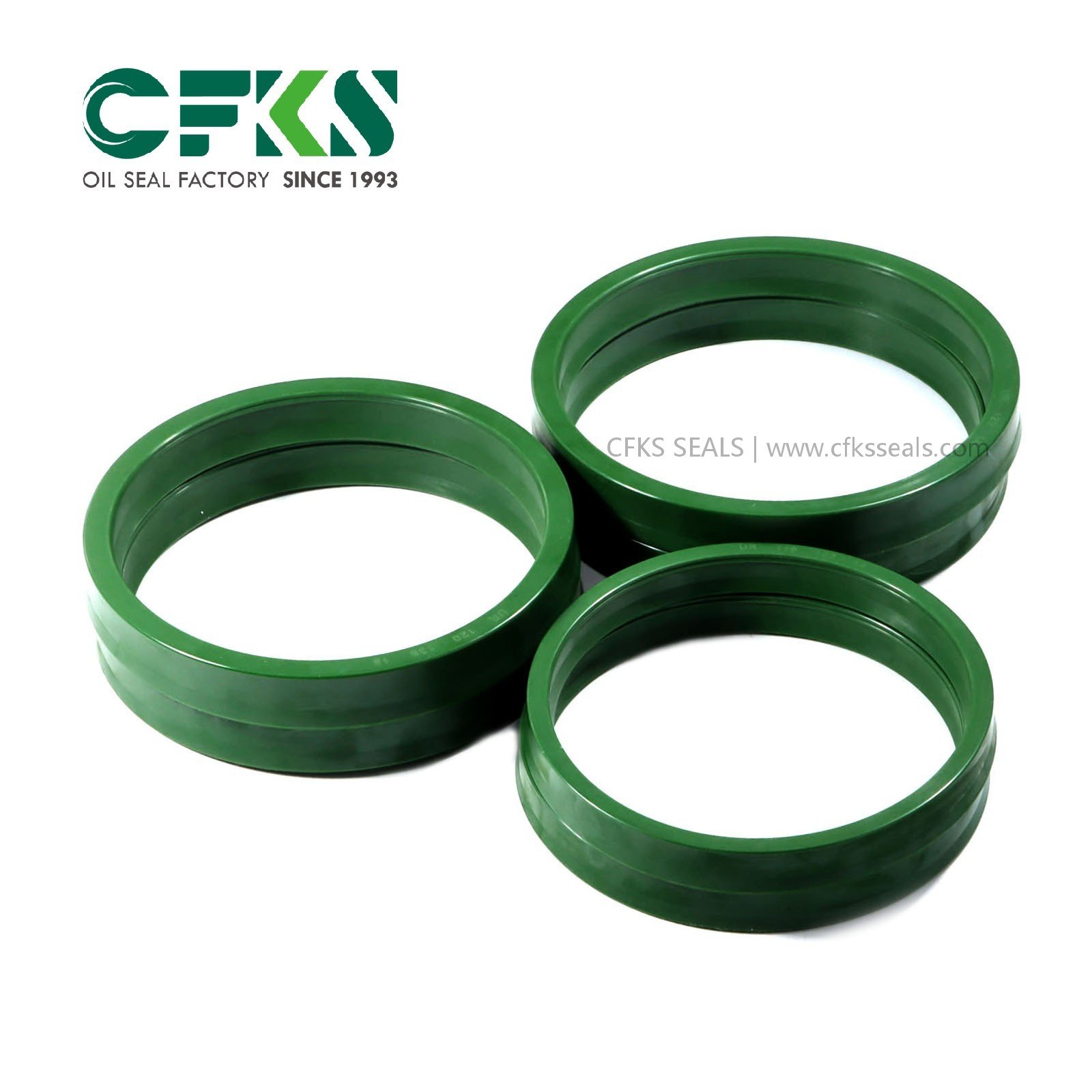
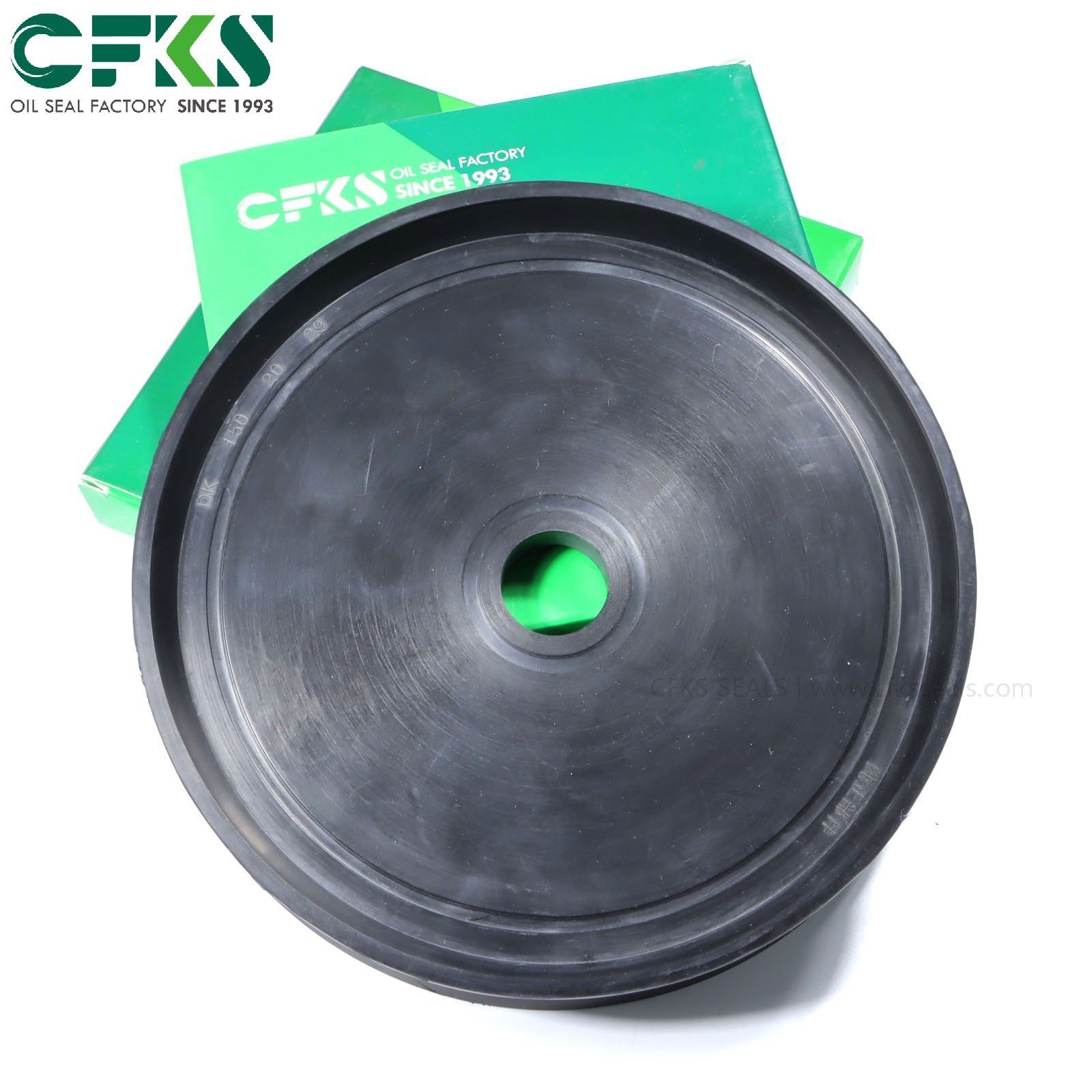
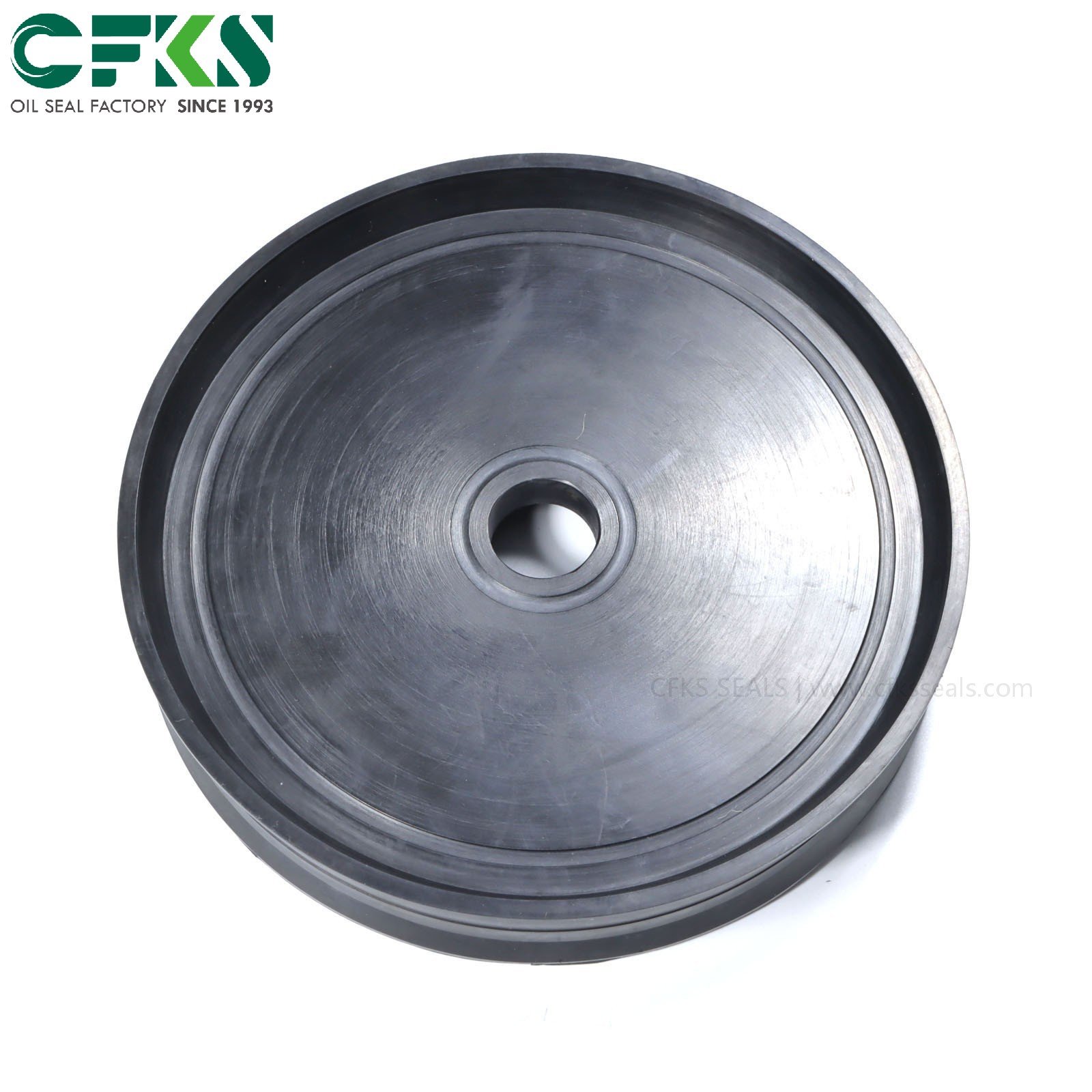
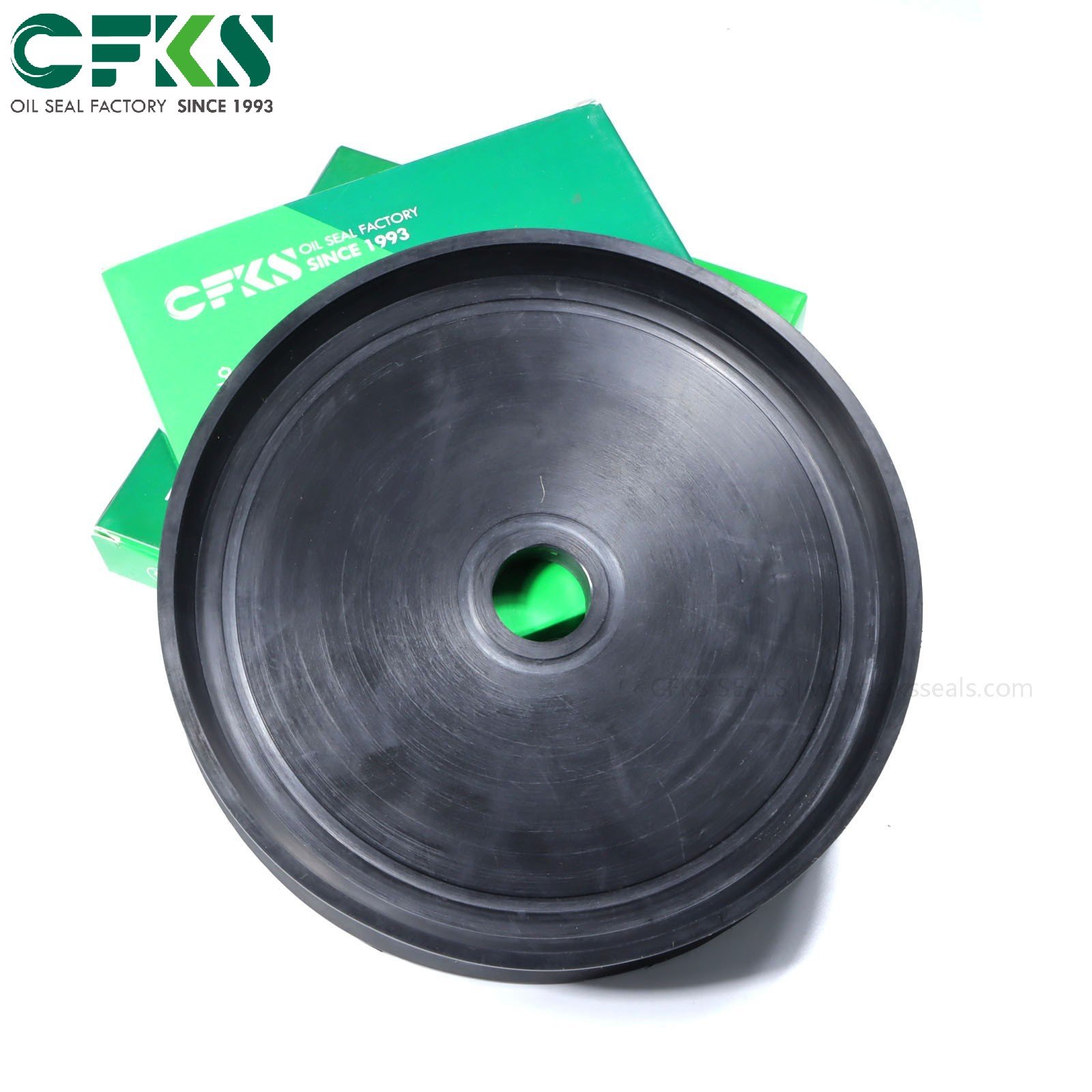
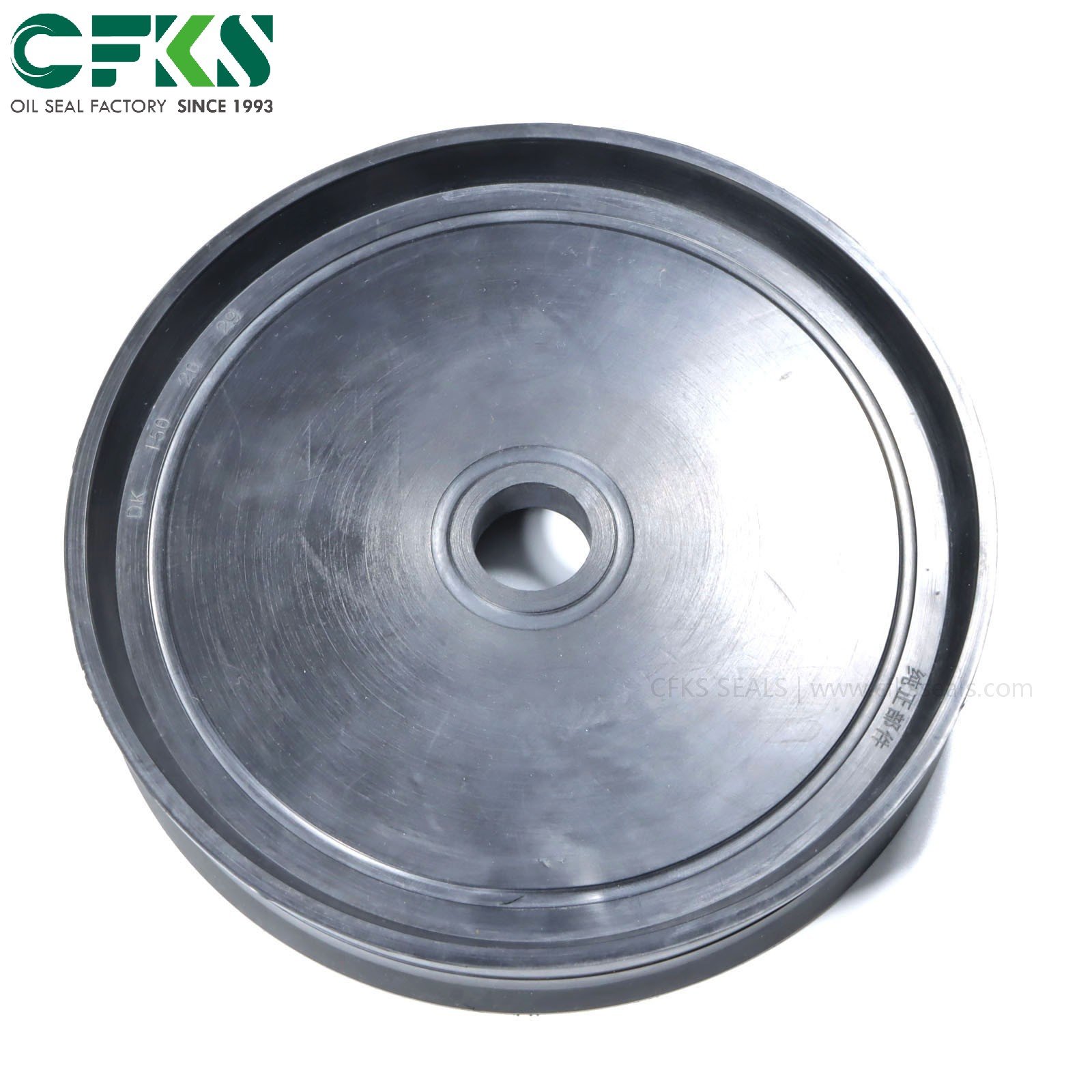
CFKS DK Oil Seal 150*20*29 NBR Metal Bonded DK Piston Seal High Temperature FKM DK Oil Seal

The CFKS DK Piston Seal is a premium, metal-bonded pneumatic and hydraulic sealing solution engineered to deliver exceptional bidirectional sealing efficiency in high-pressure cylinder applications. By vulcanizing a high-grade elastomer lip directly onto a metal disc support, this integrated design eliminates internal shifting, reduces friction, and prevents fluid bypass under extreme cyclic loads.

  • Integrated Metal Bonding: Eliminates seal twisting and displacement within the groove under heavy pressure spikes.

  • Optimized Axial Lip Geometry: Drastically reduces breakaway friction while ensuring zero-leakage performance during low-pressure startup.

  • Dual-Material Availability: Offered in standard NBR for general industrial fluid handling or premium FKM for aggressive chemical and thermal environments.
Product Name CFKS DK Oil Seal Specification 150*20*29 mm
Material NBR / FKM Feature High-Pressure Resistance, Wear-Resistant
Work Temperature -20℃ to 220℃ Hardness 70 to 85 Shore A
Type Metal-Bonded Double-Acting Piston Seal Usage Hydraulic cylinders, pneumatic rams, agricultural machinery, earthmoving equipment, injection molding clamps, industrial presses


The CFKS DK-type profile operates as a complete, double-acting piston seal with a rigid metal core that replaces traditional multi-piece piston assemblies. The core engineering principle relies on a calculated axial seal interference combined with the system’s inherent fluid pressure. As centrifugal force and directional fluid pressure act upon the seal, the elastomeric lips are energized against the cylinder bore. This pressure-activation mechanism guarantees that the sealing force scales dynamically with working pressure, maintaining a perfect oil film to minimize stick-slip effects during continuous reciprocating strokes.


Component longevity in modern fluid power systems depends entirely on chemical and thermal compatibility. The DK Piston Seal is available in two distinct formulations:
NBR: The ideal choice for standard mineral-based hydraulic oils, grease, and water-glycol fluids, providing excellent abrasion resistance and mechanical toughness.
FKM: For demanding systems exposed to synthetic fluids, aggressive chemical media, and elevated temperatures. FKM effectively resists thermal degradation and hardening, ensuring the seal lip maintains its elasticity and critical radial force over prolonged operation.


A primary operational advantage of the bonded DK Piston Seal is its simplified installation profile. Unlike conventional multi-piece seals that require complex stretching or multi-stage assembly tools, the rigid metal-bonded housing of the DK seal allows it to be easily pressed directly onto the piston rod shoulder. This robust structural design eliminates the risk of lip inversion or tearing during assembly. Furthermore, the optimized lip contact geometry ensures a low-friction lifecycle, reducing energy consumption and preventing localized heat buildup to maximize the service interval of the entire cylinder.


Frequently Asked Questions (FAQ)

Why does my CFKS oil seal fail prematurely? Common causes and prevention tips2025-06-26T15:44:39+08:00

Premature oil seal failure can result from improper installation, poor shaft finish, incorrect material selection, or excessive pressure. To prevent this, ensure the shaft surface is smooth and within tolerance, use correct tools during installation, and choose seals made from materials compatible with your media and temperature.

How to correctly install a CFKS industrial oil seal to avoid leakage2025-06-26T16:04:32+08:00

Always clean the shaft and bore before installation. Use appropriate seal drivers to avoid deformation. Lubricate the lip before fitting to reduce friction during the first rotation. Ensure the seal is seated evenly and not tilted to avoid leaks.

What to do when your CFKS hydraulic seal is leaking under pressure2025-05-20T16:33:14+08:00

Check if the pressure exceeds the seal’s rated limit. Examine for wear, hardening, or improper installation. Replace the seal if damaged, and consider upgrading to a high-pressure CFKS seal variant. Also, verify that the housing and shaft are properly aligned.

How to choose the right CFKS oil seal for extreme operating environments2025-05-20T16:34:39+08:00

For high temperatures, aggressive chemicals, or abrasive environments, choose CFKS seals made of FKM, PTFE, or high-performance elastomers. Consider using seals with protective dust lips or metal casing. Our team can recommend the best fit for your application.


MESSAGE

Go to Top