Sealing Excellence, Securing Industry

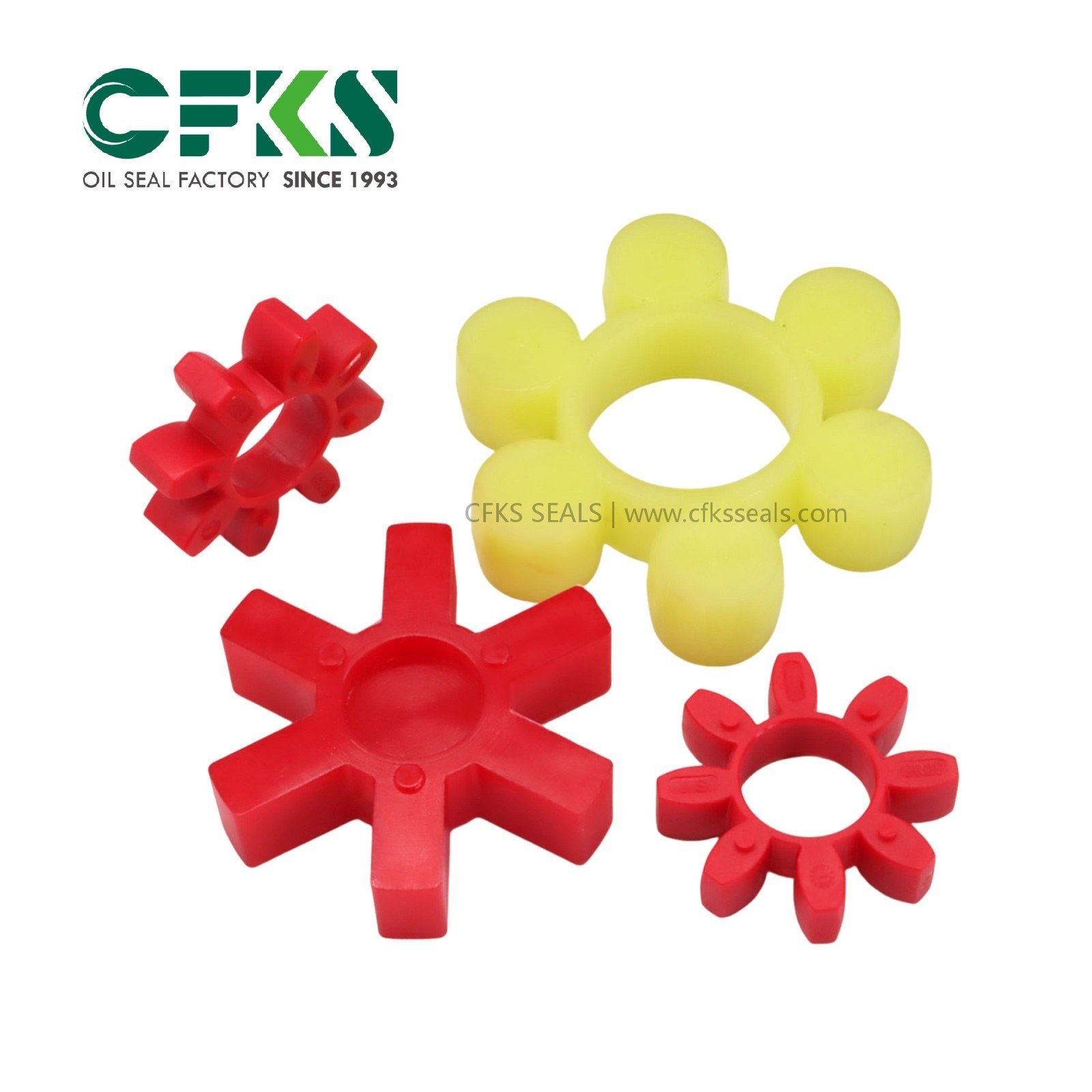
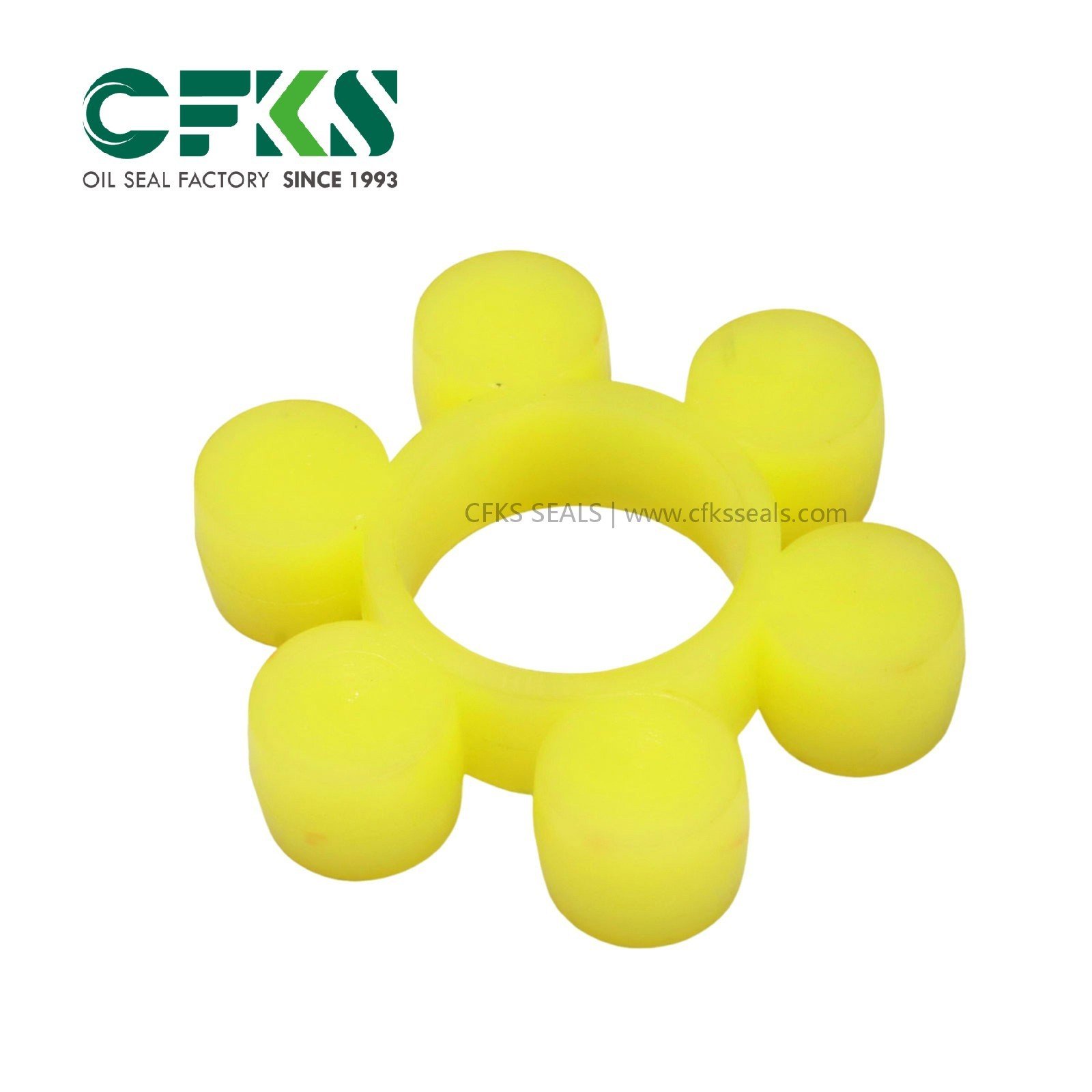
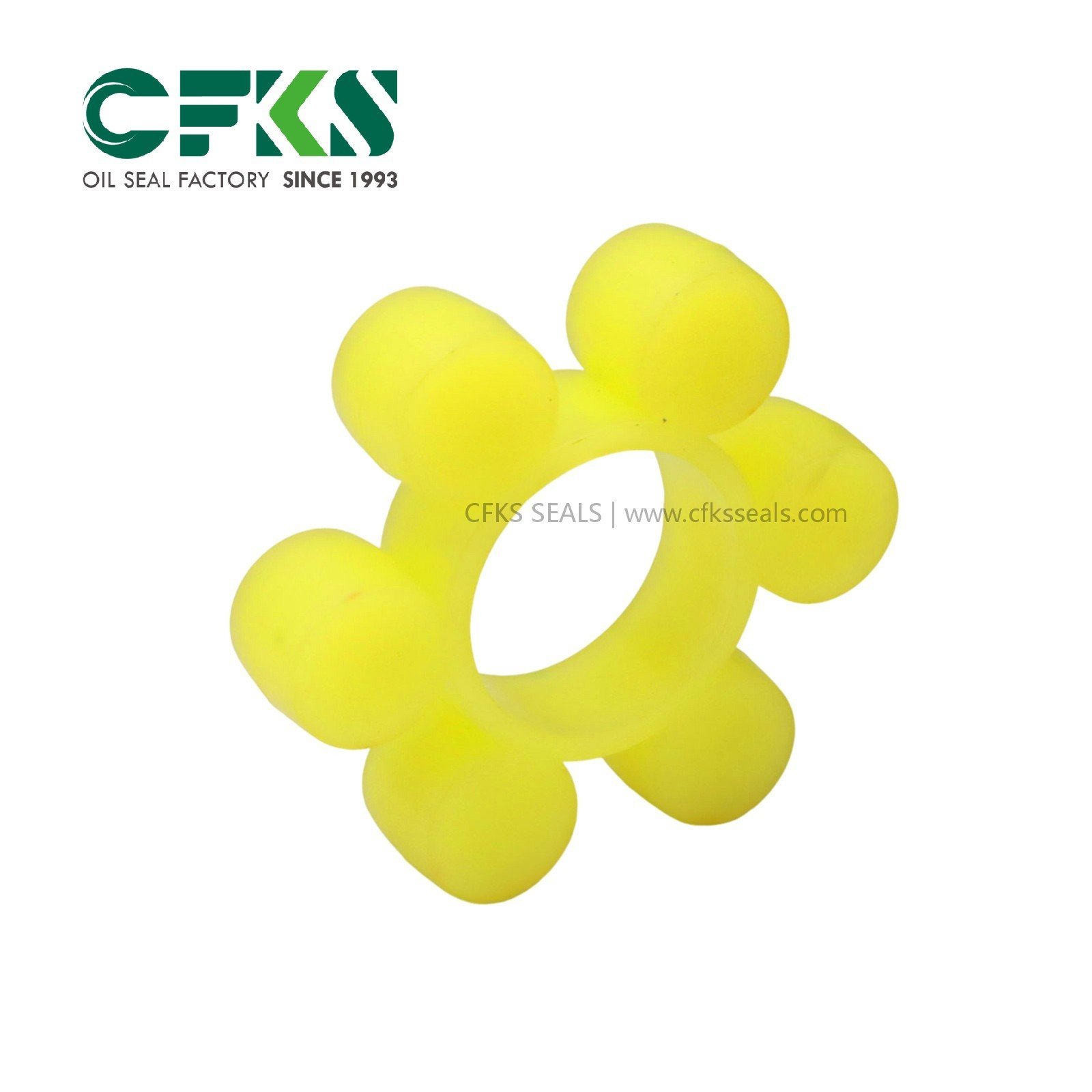
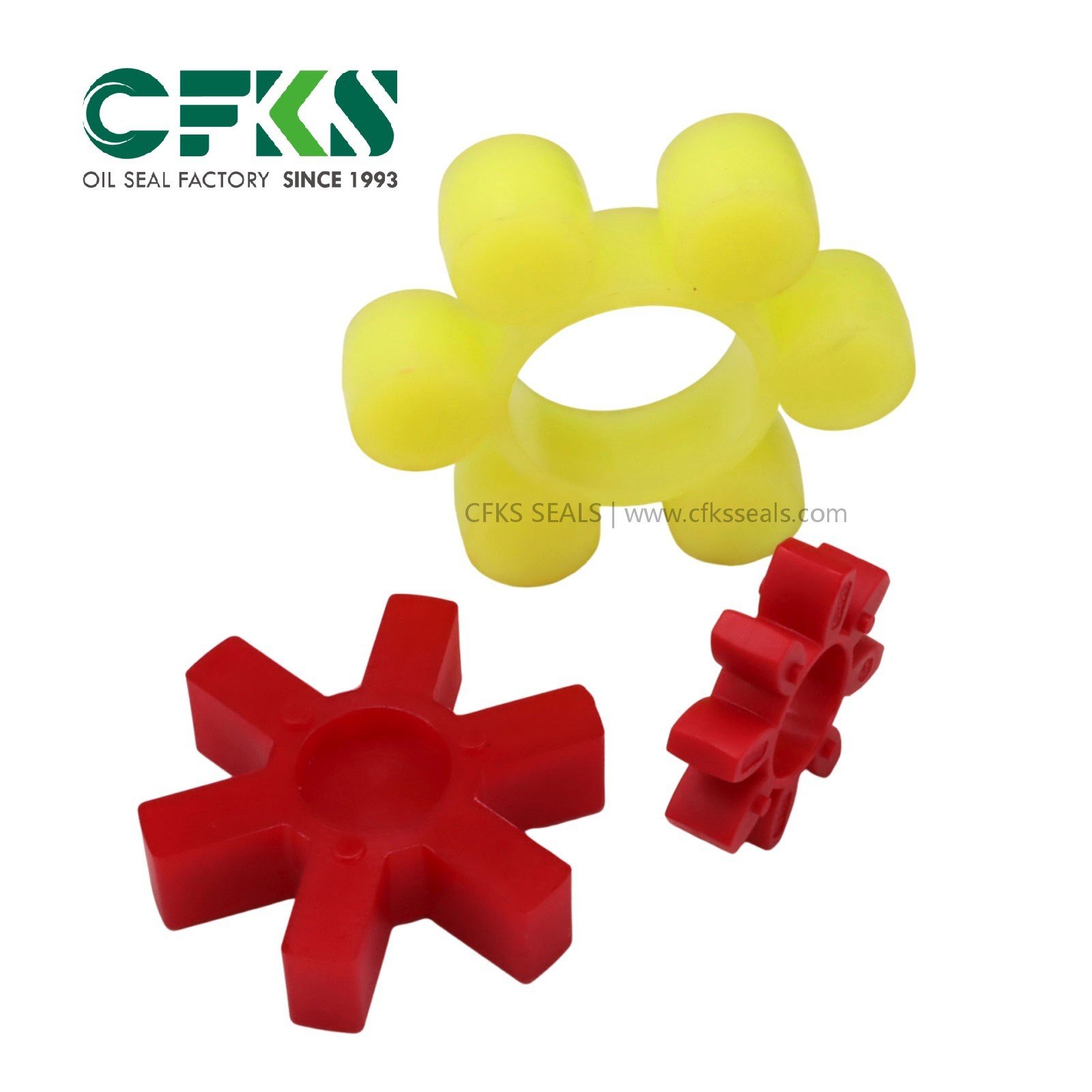
CFKS Coupling Spider MT Hydraulic Pump Shaft Jaw Coupling Spider Replacement

Designed to protect drive components and optimize power transmission, the MT hydraulic pump shaft jaw coupling spider replacement acts as the primary dampening element in high-load motor and pump setups. Formulated from resilient elastomer materials, it buffers heavy torsional shock loads, neutralizes shaft misalignment, and prevents catastrophic metal-to-metal contact between coupling hubs.

  • High Vibration Dampening: Elastomeric spider legs absorb operational resonance to prolong hydraulic pump bearing and seal lifespans.

  • Fail-Safe Jaw Design: Interlocking curved jaw geometry maintains emergency drive power transmission even under severe elastomer wear.

  • Rapid Maintenance Drop-In: Precise dimensioning allows swift radial replacement without dismounting heavy motor or pump shafts.

Find your sealing solution with CFKS — contact us for a quote.
Product Name MT Jaw Coupling Spider Replacement Material PU / NBR / FKM
Specification MT1 to MT13 (Customization Supported) Feature High Pressure & Wear Resistant
Work Temperature -20℃ to 220℃ Hardness 80 Shore A to 98 Shore A
Usage Hydraulic Pumps, Gearboxes, Motors, Mining, Compressors, Excavators Type Elastomeric Jaw Coupling Insert


The CFKS MT-series jaw coupling spider operates as an elastomeric dampening element positioned under compression between intermeshing metallic hub jaws. When subjected to hydraulic pump torque pulses, the elastomeric legs undergo progressive deformation to dampen axial, radial, and angular shaft misalignments. By converting harmful mechanical vibrations into thermal energy through progressive elastic deflection, the spider prevents dynamic resonance from reaching delicate pump bearings and input shaft mechanical seals.

Engineered for demanding industrial environments, our replacement spiders are molded in premium PU, NBR, or FKM. Standard 92–98 Shore A Polyurethane provides exceptional tear strength, high modulus resilience, and resistance to synthetic hydraulic oils, grease, and ozone degradation. For extreme temperature conditions or specialized media exposure, custom FKM compounds ensure structural stability up to 220°C without premature hardening or compression set.

Minimizing process downtime is crucial in high-duty hydraulic systems. The MT spider design permits simple radial slot-in installation without necessitating axial movement of the motor or pump equipment. Routine inspection simply requires a quick visual check for leg wear or cracking. Because the elastomeric spider acts as a sacrificial element, it wears predictably—sparing expensive metallic coupling hubs and shaft splines from sacrificial wear and galling.

Frequently Asked Questions (FAQ)

Why does my CFKS oil seal fail prematurely? Common causes and prevention tips2025-06-26T15:44:39+08:00

Premature oil seal failure can result from improper installation, poor shaft finish, incorrect material selection, or excessive pressure. To prevent this, ensure the shaft surface is smooth and within tolerance, use correct tools during installation, and choose seals made from materials compatible with your media and temperature.

How to correctly install a CFKS industrial oil seal to avoid leakage2025-06-26T16:04:32+08:00

Always clean the shaft and bore before installation. Use appropriate seal drivers to avoid deformation. Lubricate the lip before fitting to reduce friction during the first rotation. Ensure the seal is seated evenly and not tilted to avoid leaks.

What to do when your CFKS hydraulic seal is leaking under pressure2025-05-20T16:33:14+08:00

Check if the pressure exceeds the seal’s rated limit. Examine for wear, hardening, or improper installation. Replace the seal if damaged, and consider upgrading to a high-pressure CFKS seal variant. Also, verify that the housing and shaft are properly aligned.

How to choose the right CFKS oil seal for extreme operating environments2025-05-20T16:34:39+08:00

For high temperatures, aggressive chemicals, or abrasive environments, choose CFKS seals made of FKM, PTFE, or high-performance elastomers. Consider using seals with protective dust lips or metal casing. Our team can recommend the best fit for your application.


MESSAGE

Go to Top