Sealing Excellence, Securing Industry

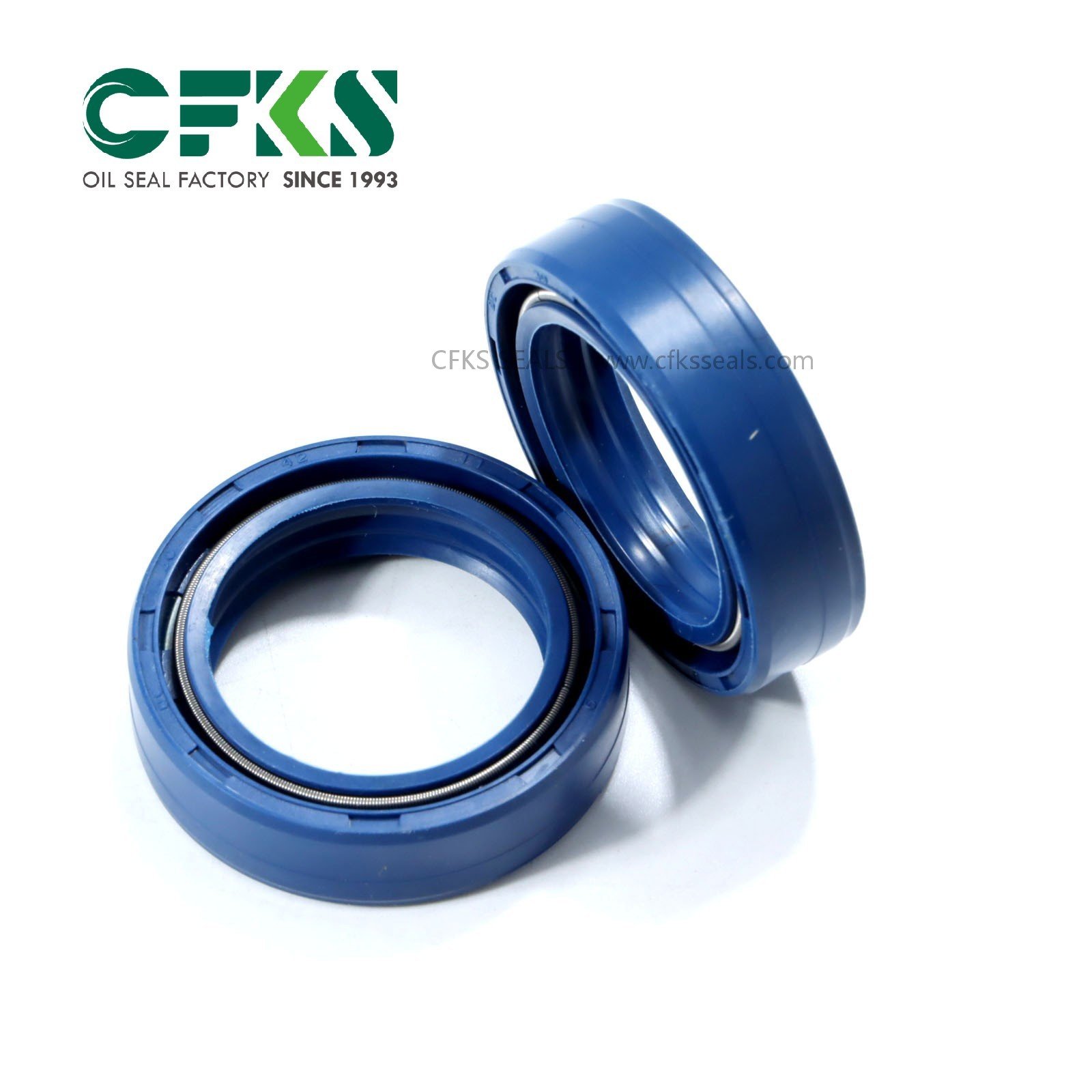
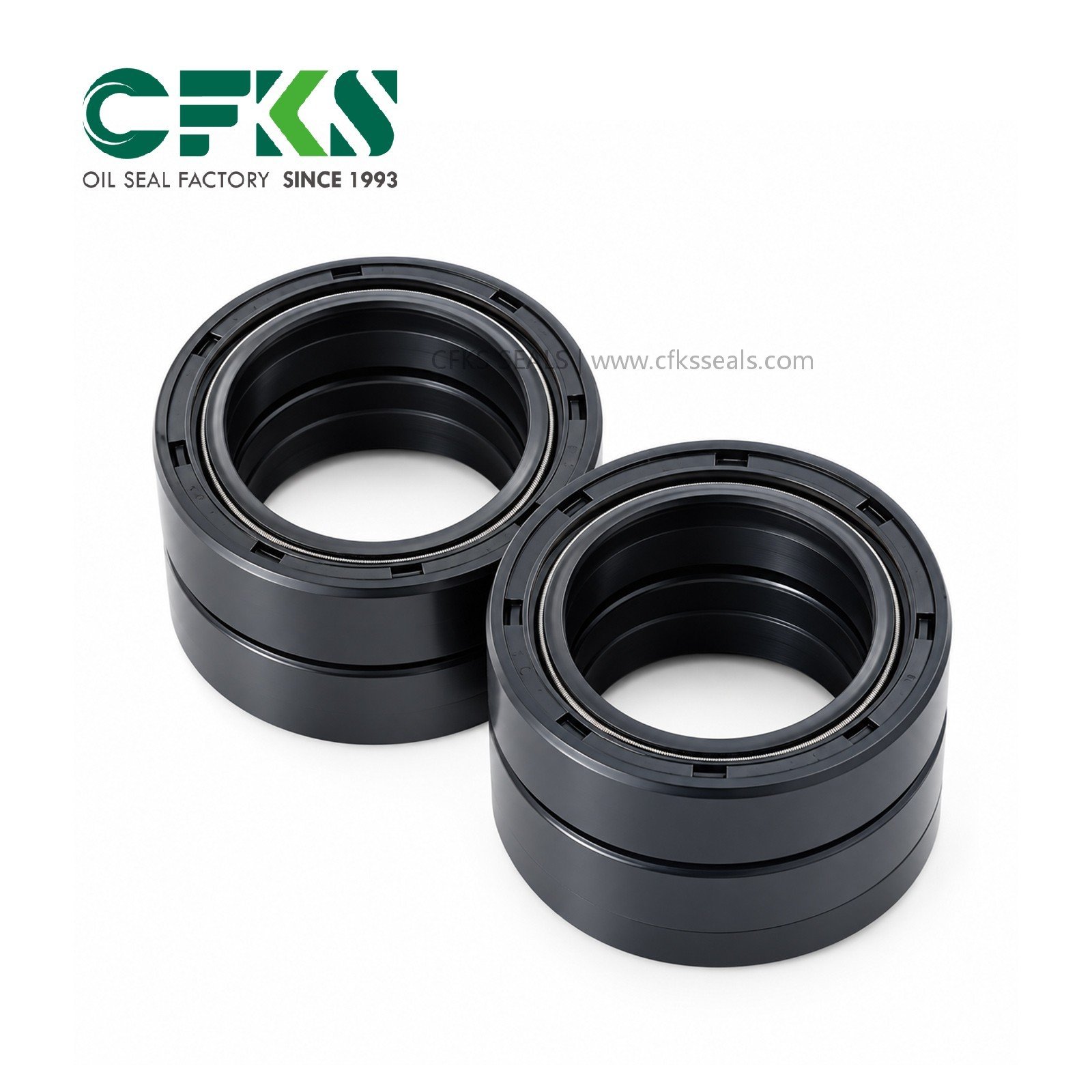
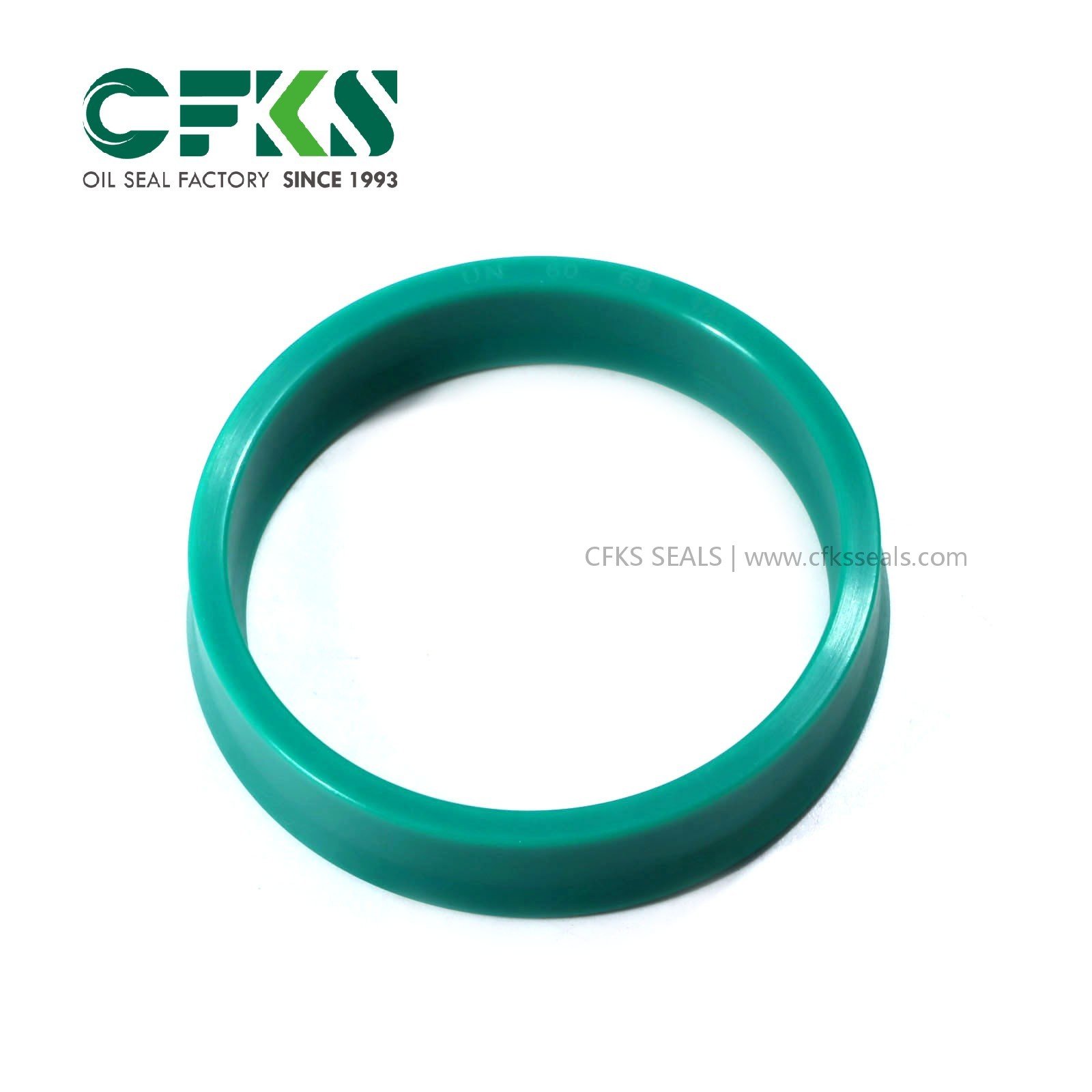
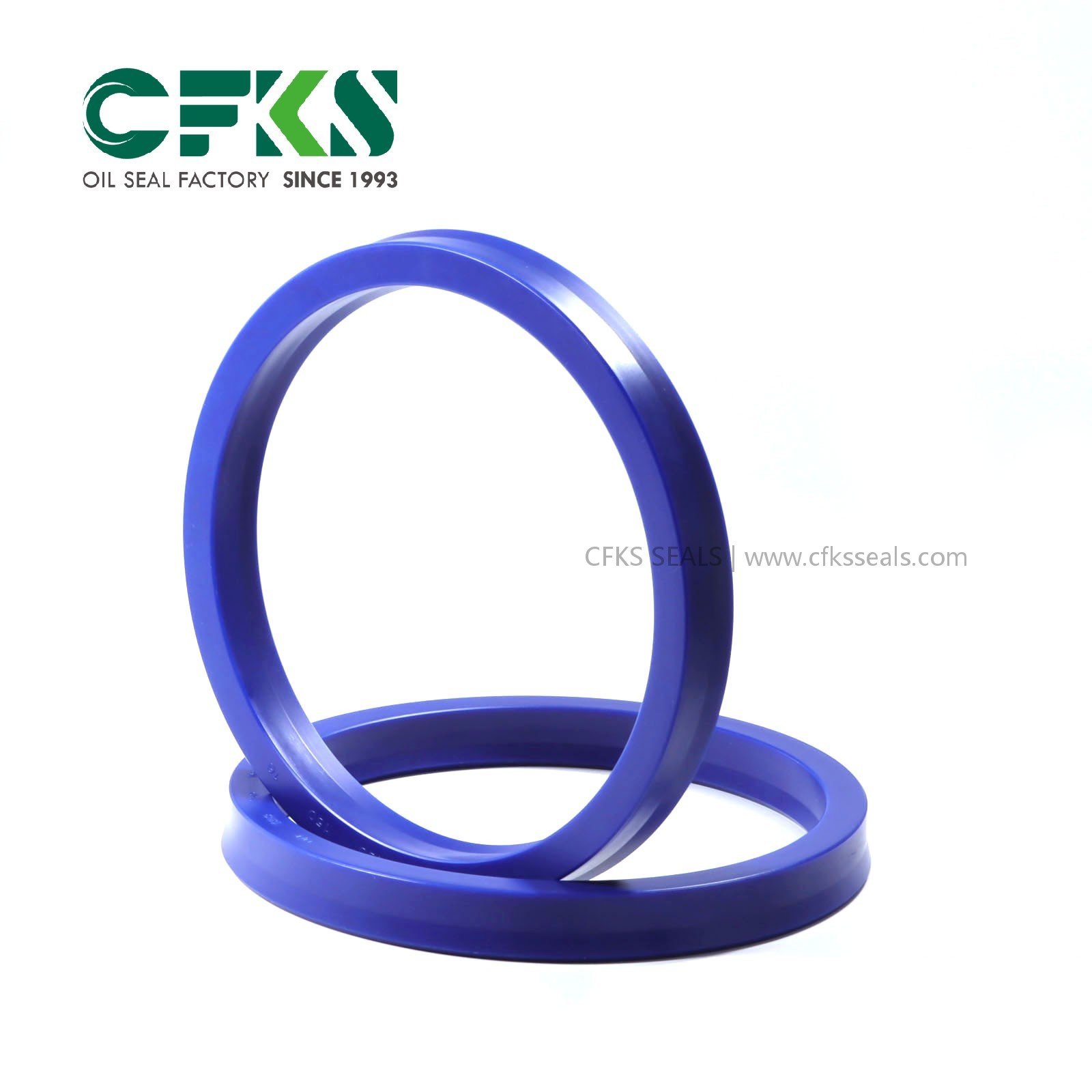
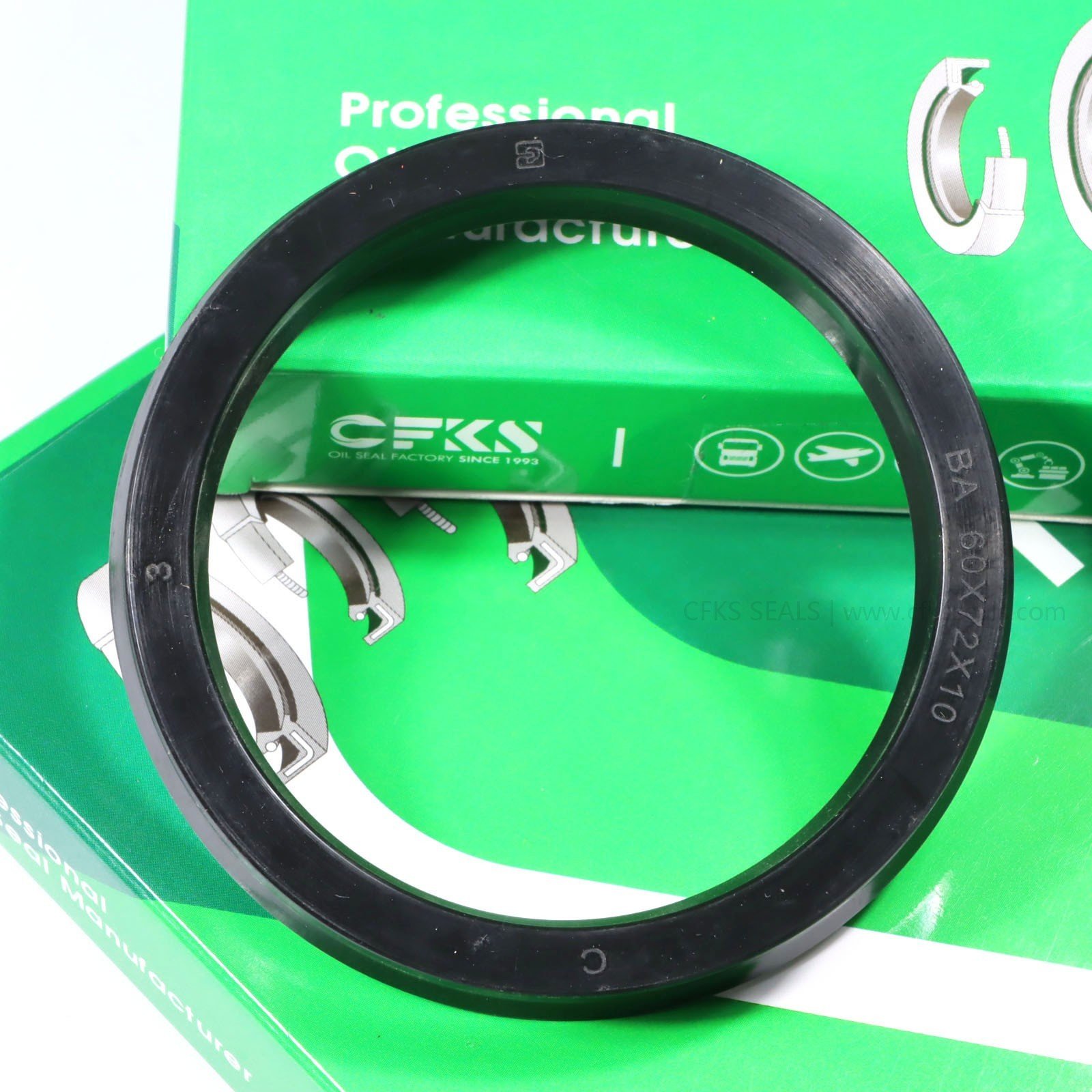
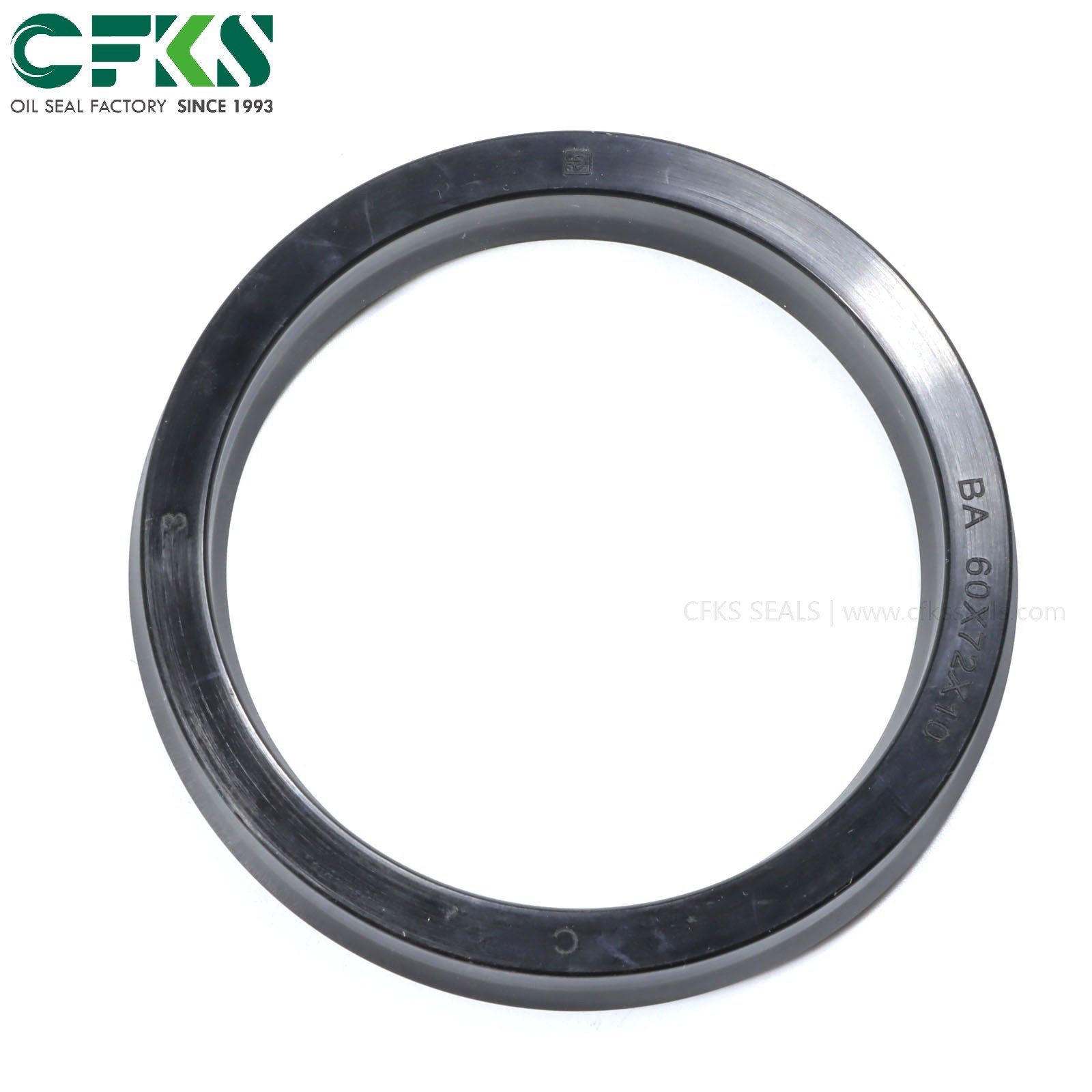
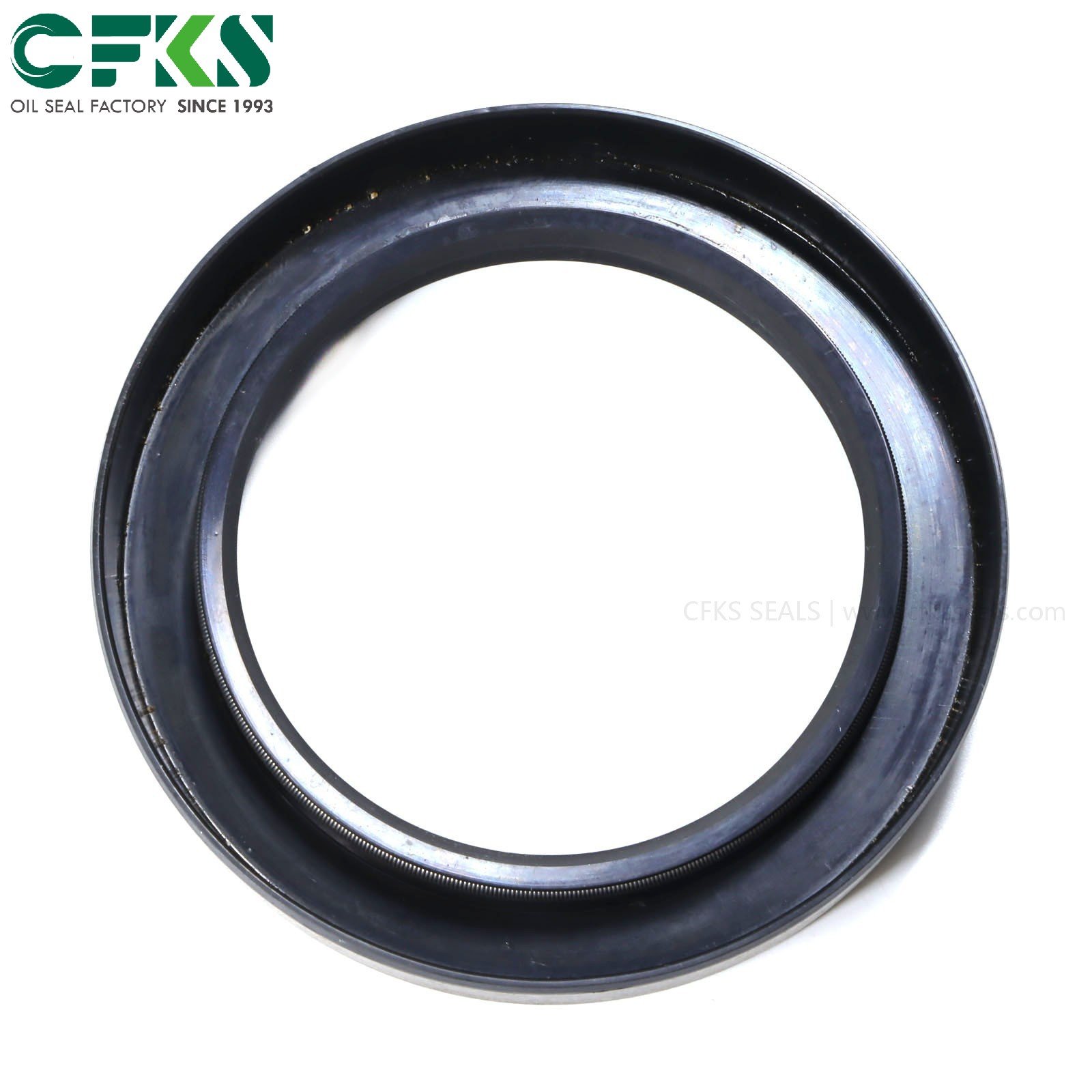
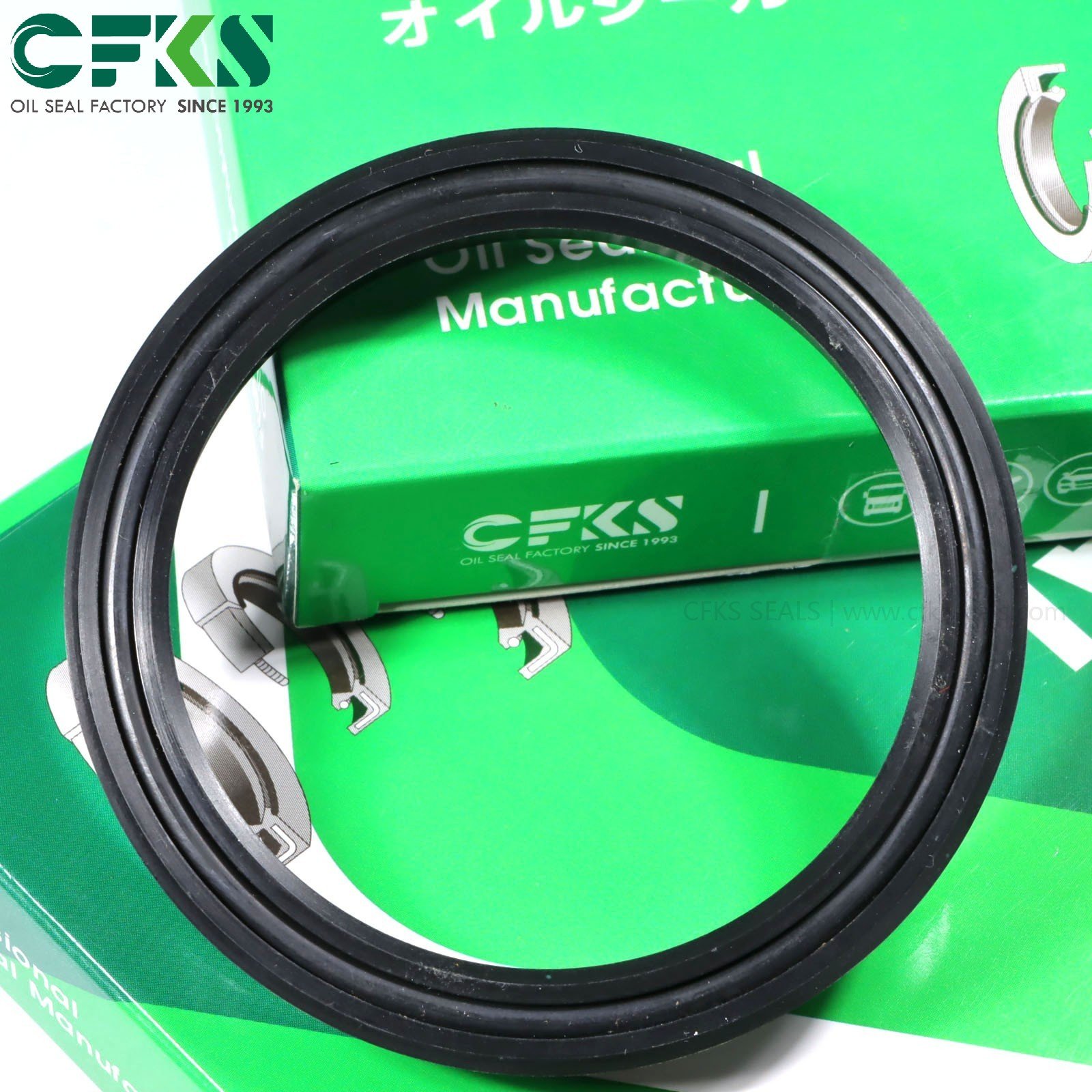
CFKS BA Oil Seal 60*72*10 BA Type Rotary Shaft Oil Seal High Temperature Resistant BA Oil Seal

The BA Type Rotary Shaft Oil Seal is engineered for high-performance rotary applications requiring reliable fluid retention and contaminant exclusion. Featuring a rubber-covered outer diameter, it ensures optimal housing sealing even with significant thermal expansion or high surface roughness, making it indispensable for harsh industrial environments.

  • High-Temperature Resilience: Formulated with premium elastomers to withstand extreme operating temperatures without degradation.

  • Axial Alignment & Sealing: Optimized dynamic sealing lip reduces friction while maintaining consistent radial contact pressure against centrifugal forces.

  • Broad Media Compatibility: Highly resistant to mineral oils, synthetic lubricants, and aggressive chemical fluids.

Find your sealing solution with CFKS — contact us for a quote.
Product Name BA Type Rotary Shaft Oil Seal Specification 60*72*10mm
Material NBR / FKM / PU Feature High-Temp Resistant, Low Friction
Work Temperature -20℃ to 220℃ Hardness 70 – 90 Shore A
Type Rubber OD with Garter Spring Usage Gearboxes, Pumps, Electric Motors, Axles, Reducers

The BA Type oil seal utilizes a precision-engineered elastomeric sealing lip, backed by a garter spring, to counteract centrifugal force and runout on high-speed rotating shafts. Its rubber-jacketed outer diameter creates a static axial seal against the housing bore, compensating for thermal expansion and minor housing imperfections. This design minimizes hydrodynamic friction while ensuring consistent radial force, preventing premature leakage and maintaining an airtight barrier even during sudden pressure spikes.

Material integrity determines seal longevity in aggressive environments. Our BA seals are available in NBR for standard oil and fuel resistance up to 100°C, and FKM for high-temperature, high-speed applications reaching up to 220°C. These advanced elastomers resist chemical degradation, swelling, and ozone cracking, ensuring the sealing lip retains its elasticity and structural profile under prolonged contact with synthetic lubricants and industrial fluids.

Designed for seamless integration, the BA profile facilitates a smooth press-fit installation into the housing, reducing the risk of skewing. The rubber-covered OD protects the housing bore from damage during replacement, eliminating the need for expensive shaft re-machining. For long-term maintenance, its low-friction contact profile substantially extends service life, reducing scheduled downtime and lowering the total cost of ownership for heavy machinery.

Frequently Asked Questions (FAQ)

Why does my CFKS oil seal fail prematurely? Common causes and prevention tips2025-06-26T15:44:39+08:00

Premature oil seal failure can result from improper installation, poor shaft finish, incorrect material selection, or excessive pressure. To prevent this, ensure the shaft surface is smooth and within tolerance, use correct tools during installation, and choose seals made from materials compatible with your media and temperature.

How to correctly install a CFKS industrial oil seal to avoid leakage2025-06-26T16:04:32+08:00

Always clean the shaft and bore before installation. Use appropriate seal drivers to avoid deformation. Lubricate the lip before fitting to reduce friction during the first rotation. Ensure the seal is seated evenly and not tilted to avoid leaks.

What to do when your CFKS hydraulic seal is leaking under pressure2025-05-20T16:33:14+08:00

Check if the pressure exceeds the seal’s rated limit. Examine for wear, hardening, or improper installation. Replace the seal if damaged, and consider upgrading to a high-pressure CFKS seal variant. Also, verify that the housing and shaft are properly aligned.

How to choose the right CFKS oil seal for extreme operating environments2025-05-20T16:34:39+08:00

For high temperatures, aggressive chemicals, or abrasive environments, choose CFKS seals made of FKM, PTFE, or high-performance elastomers. Consider using seals with protective dust lips or metal casing. Our team can recommend the best fit for your application.


MESSAGE

Go to Top