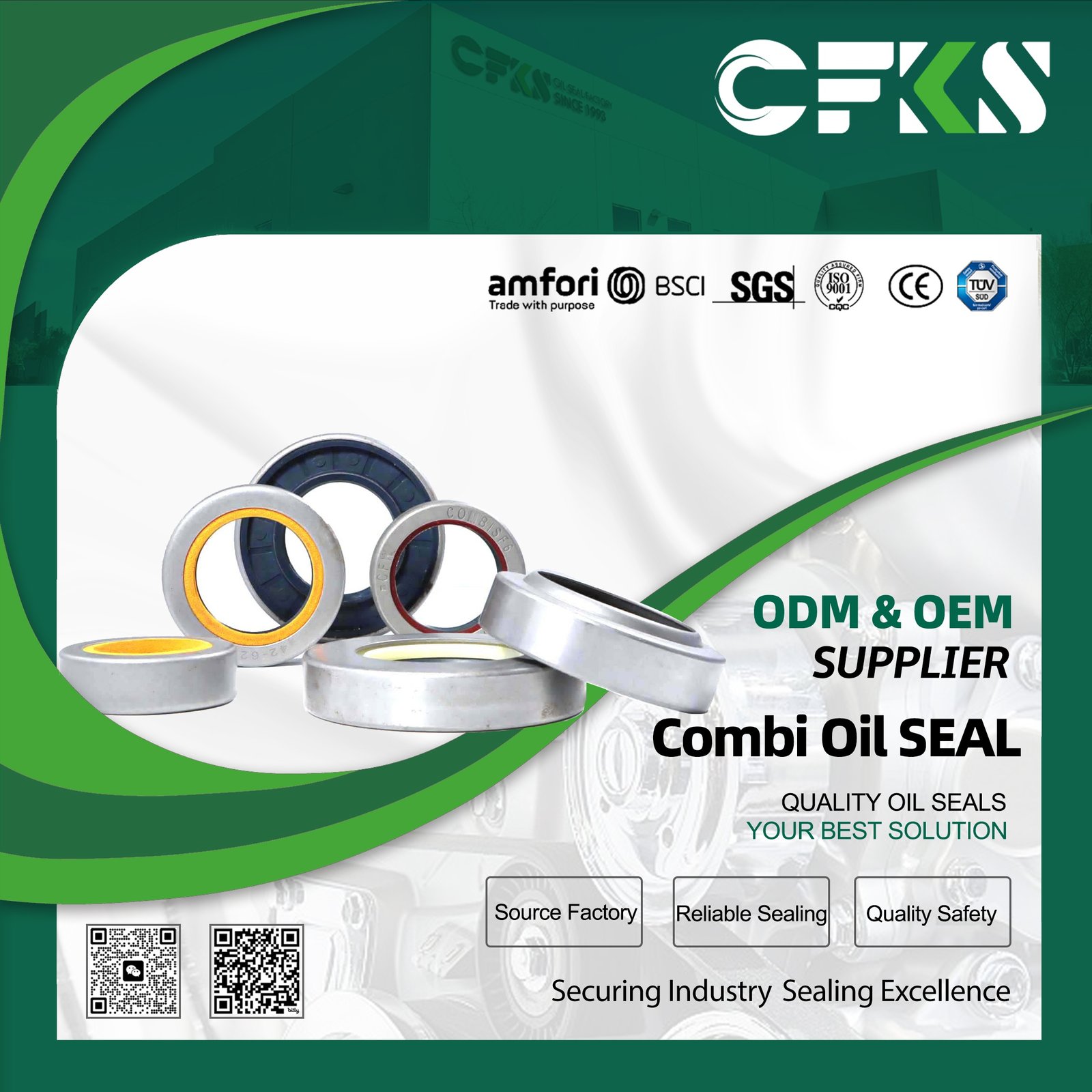
Industrial Oil Seals: Improving Equipment Reliability in the Era of Smart Manufacturing and Sustainable Industry
As the global industrial landscape rapidly transitions toward Industry 4.0, the demands placed on mechanical equipment have never been higher. Modern manufacturing facilities operate under paradigms of continuous production, predictive maintenance, and stringent carbon reduction initiatives. Within these complex systems, one of the smallest yet most critical components dictates the overall reliability of the machinery: the industrial oil seal.
Often overlooked in the broader scope of industrial automation, a rotary shaft oil seal serves as the primary defense against lubricant loss and environmental contamination. In high-speed rotating machinery, wind power turbines, and precision CNC machine tools, the failure of a single mechanical oil seal can lead to catastrophic bearing failure, unexpected downtime, and significant financial losses.
This comprehensive technical guide explores the engineering principles, material science, and application strategies behind high-performance industrial sealing solutions, and how brands like CFKS are engineering seals to meet the rigorous demands of sustainable manufacturing.
What Is an Industrial Oil Seal?
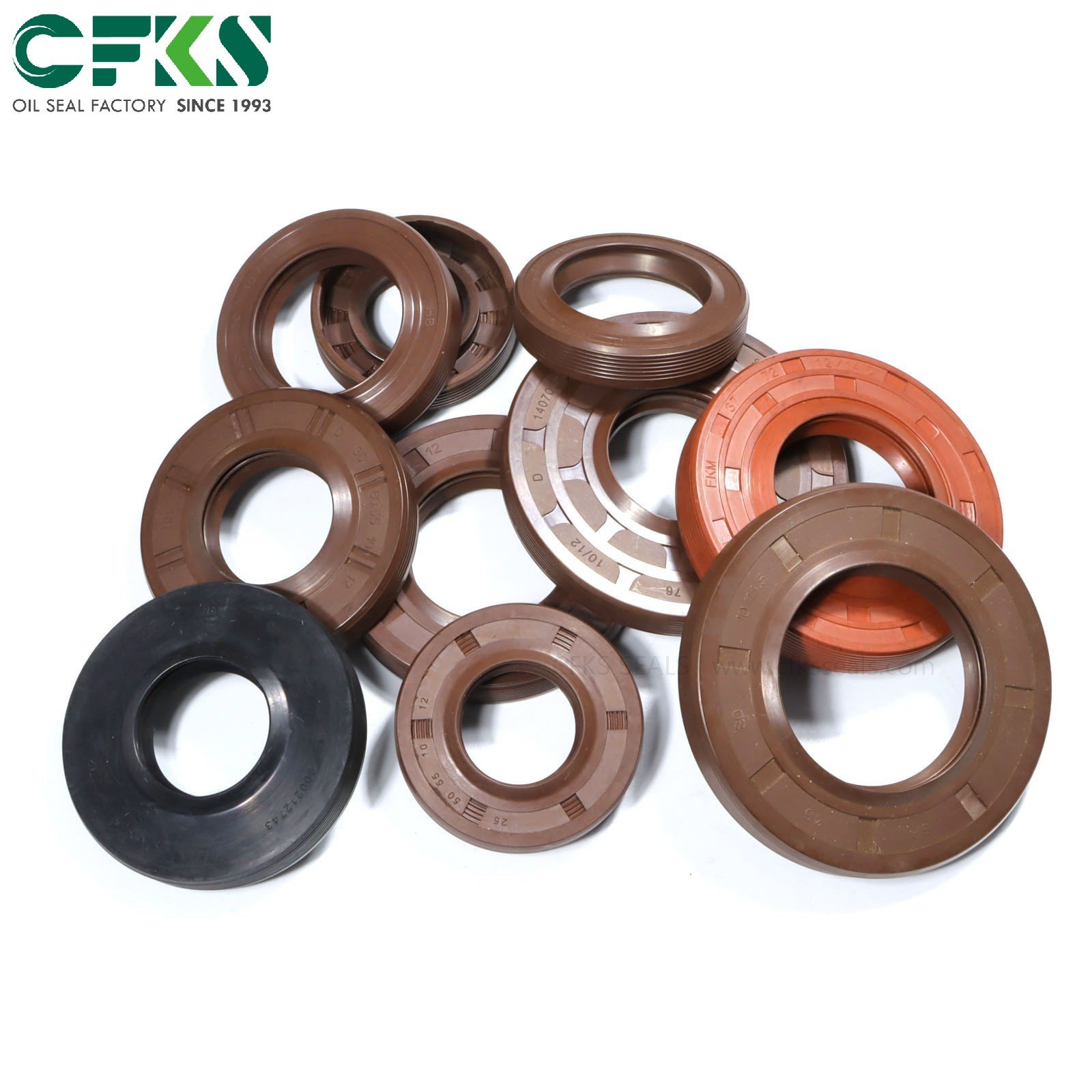
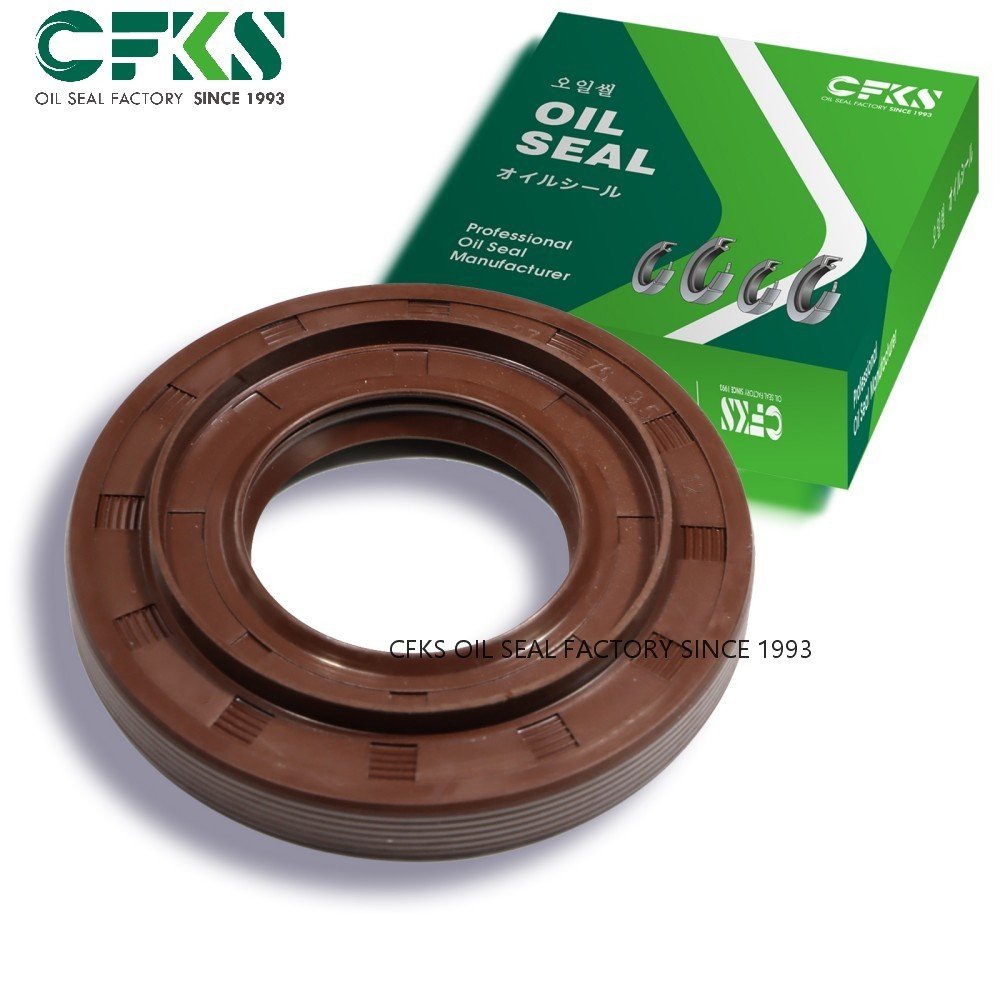
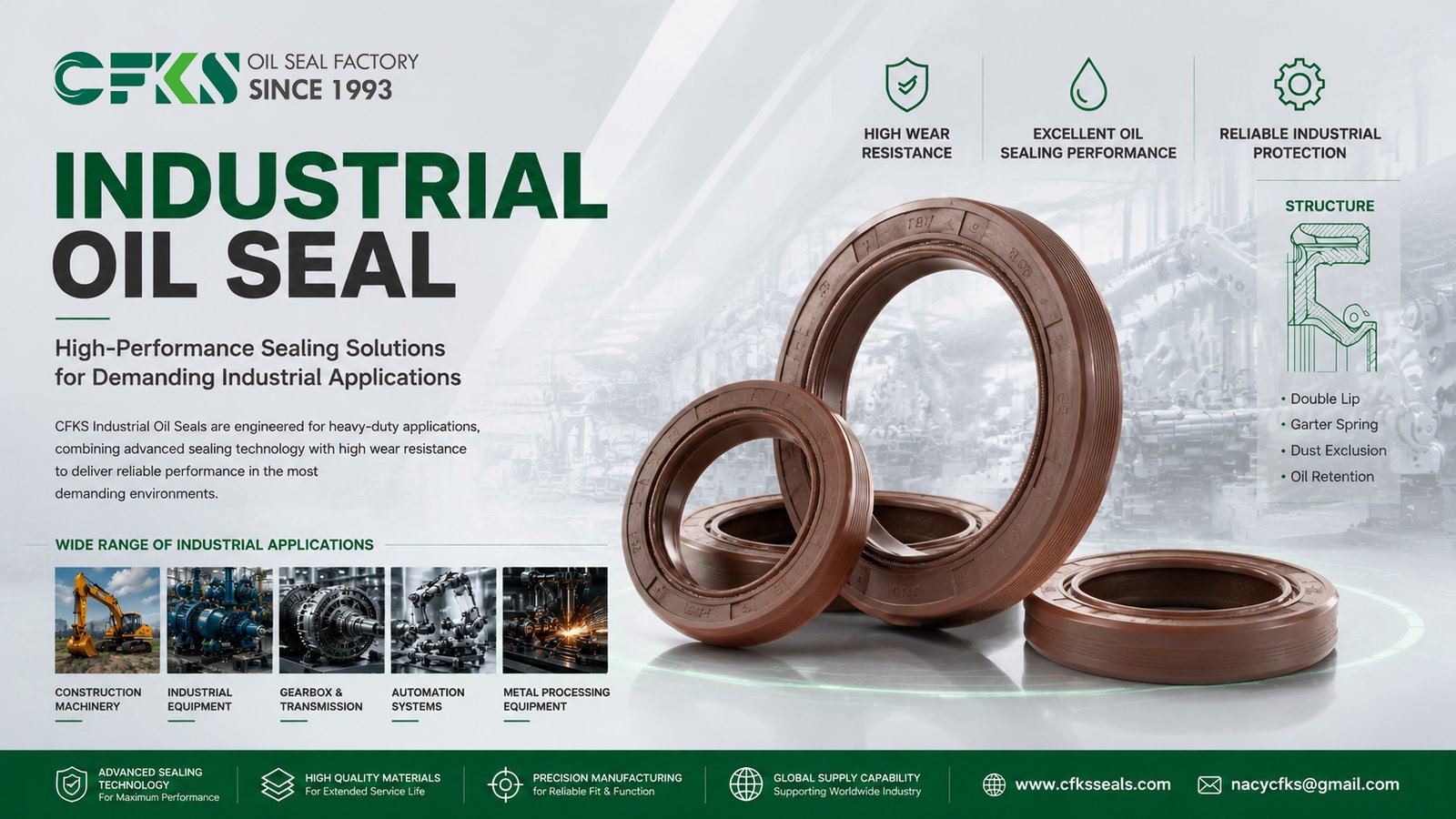
An industrial oil seal, commonly referred to as a rotary shaft seal or lip seal, is a mechanical component designed to close the gap between stationary and rotating components within industrial machinery. Its primary function is twofold: to retain lubricants (oil, grease, or other fluids) within the system and to exclude external contaminants such as dirt, dust, water, and abrasive chemicals.
Dynamic Sealing vs. Static Sealing
To understand oil seals, one must differentiate between dynamic and static sealing environments:
-
Static Sealing: Occurs when there is no relative motion between the mating surfaces (e.g., an O-ring compressed between a cylinder head and a block).
-
Dynamic Sealing: Occurs when there is relative motion—either rotational, reciprocating, or oscillating—between the sealing surfaces. Rotary shaft oil seals operate in dynamic environments, which introduces complex engineering challenges related to friction, thermal management, and wear resistance.
How Industrial Oil Seals Work
The working principle of a rotary shaft oil seal relies on a delicate balance of mechanical forces and fluid dynamics.
When installed, the elastomeric sealing lip creates an interference fit around the shaft. The initial radial load is provided by the material’s inherent elasticity, typically supplemented by a metal garter spring. However, the seal does not operate in a state of dry friction.
As the shaft rotates, microscopic asperities on the elastomeric lip generate a hydrodynamic pumping action. This action draws a microscopic film of oil (the meniscus) directly under the sealing lip. This fluid film is critical—it lubricates the contact area, reduces friction, and dissipates heat, all while surface tension prevents the oil from leaking outward. If this hydrodynamic balance is disrupted by excessive shaft runout, pressure spikes, or surface damage, leakage occurs.
Common Types of Industrial Oil Seals
Selecting the correct lip structure is fundamental to achieving a reliable seal. Industrial equipment seals are engineered with various lip profiles to handle specific environmental conditions.
Single Lip (SC)
The SC profile features a single elastomeric sealing lip reinforced by a metal insert and a garter spring. It is the standard choice for retaining lubricants in clean environments where external contamination is not a primary concern. It offers low friction and is highly efficient in enclosed industrial gearboxes.
Double Lip (TC)
The TC oil seal is the most widely used configuration in the industry. It incorporates the primary spring-loaded sealing lip to retain oil, alongside a secondary auxiliary lip (dust lip) facing outward. The dust lip acts as a physical barrier, scraping away external dust, mud, and moisture before they can reach the primary sealing edge.
Triple Lip
Engineered for severe environments—such as agricultural machinery and mining equipment—triple lip designs provide ultimate contamination exclusion. They are heavily utilized in applications subjected to heavy slurry, dust, and water ingress, ensuring the internal bearings remain pristine.
Spring-Loaded Designs
Most high-performance mechanical oil seals integrate a garter spring within the primary lip. Elastomers naturally undergo stress relaxation and thermal expansion over time. The garter spring ensures a constant, uniform radial force against the shaft is maintained throughout the seal’s lifecycle, compensating for material aging and minor shaft vibrations.
Material Selection Guide
The performance of an industrial oil seal is heavily dictated by its base elastomer. Selecting the wrong material is a leading cause of premature failure. CFKS utilizes premium polymers to manufacture German quality oil seals tailored to specific operational parameters.
NBR (Nitrile Butadiene Rubber)
-
Temperature Range: -40°C to +120°C
-
Characteristics: NBR is the industry standard for general-purpose sealing. An NBR oil seal offers excellent resistance to mineral-based oils and greases, good wear resistance, and high tensile strength. It is cost-effective but not suitable for extreme high temperatures or synthetic lubricants containing severe extreme-pressure (EP) additives.
FKM (Viton™ / Fluoroelastomer)
-
Temperature Range: -20°C to +200°C (with specialized grades going higher)
-
Characteristics: When high temperatures and harsh chemicals are present, the FKM oil seal is the superior choice. FKM provides exceptional resistance to synthetic oils, aliphatic and aromatic hydrocarbons, and UV/ozone exposure. It is ideal for high-speed rotating machinery and electric motors where thermal build-up is significant.
PTFE (Polytetrafluoroethylene)
-
Temperature Range: -60°C to +250°C
-
Characteristics: PTFE seals offer the lowest coefficient of friction among solid materials. They can withstand aggressive chemicals and are capable of running dry for limited periods. PTFE is increasingly used in air compressors, high-speed spindles, and applications where energy-efficient equipment design mandates ultra-low friction to reduce power consumption.
HNBR (Hydrogenated Nitrile)
-
Temperature Range: -40°C to +150°C
-
Characteristics: HNBR bridges the gap between NBR and FKM. It offers significantly better heat and oxidation resistance than standard NBR, alongside superior mechanical strength and abrasion resistance. It is highly favored in heavy-duty mobile hydraulics and wind power pitch systems.
ACM (Polyacrylate)
-
Temperature Range: -20°C to +150°C
-
Characteristics: ACM is specifically engineered for excellent resistance to hot transmission fluids and extreme-pressure gear oils. It is frequently utilized in automotive and heavy-duty industrial gearboxes.
VMQ (Silicone Rubber)
-
Temperature Range: -60°C to +200°C
-
Characteristics: VMQ provides unparalleled low-temperature flexibility and high-temperature stability. However, it possesses poor abrasion resistance and low tensile strength, making it suitable only for low-speed, low-friction applications, such as certain food processing equipment and static environmental sealing.
Industrial Applications
High-performance industrial machinery parts rely on precise sealing technology across a vast array of sectors:
-
Industrial Gearboxes & Electric Motors: High-speed rotation requires FKM or low-friction NBR to manage heat generation while retaining critical lubrication.
-
Pumps & Compressors: Subjected to pressure differentials, these require robust profiles and chemically resistant materials like PTFE or FKM to prevent process fluid leakage.
-
Hydraulic Equipment: High-pressure environments demand specialized profiles (often combining PTFE and elastomers) to prevent extrusion and maintain system integrity.
-
Renewable Energy & Wind Power: Wind turbines operate in remote, harsh environments. Seals must offer a 20+ year lifespan, utilizing HNBR and premium elastomers to resist ozone and temperature extremes.
-
Heavy Industry (Mining, Construction Machinery, Steel & Cement Plants): Dust, abrasive grit, and high-impact loads mandate the use of heavy-duty TC or cassette seals with superior wear resistance.
-
Sanitary Environments (Food Processing, Packaging): FDA-compliant materials (like specialized VMQ or PTFE) are used to prevent contamination while withstanding aggressive wash-down chemicals.
-
Other Critical Sectors: Marine equipment, CNC machine tools, agricultural machinery, chemical processing equipment, and paper machinery all rely on highly specialized oil seal configurations.
Current Trends in Industrial Sealing Technology
The industrial landscape of 2026 is defined by several transformative trends, and the oil seal manufacturer must adapt to these shifting paradigms.
-
Industry 4.0 & Smart Manufacturing: Digital factories rely on uninterrupted operation. Even minor fluid leaks can trigger sensor alarms, halting automated production lines. Zero-leakage sealing solutions are no longer optional; they are mandatory for smart manufacturing continuity.
-
Predictive Maintenance: While condition-monitoring sensors track vibration and temperature, the seals themselves are being engineered with longer, more predictable lifespans to align with scheduled maintenance windows, eliminating unexpected downtime.
-
Energy-Efficient Equipment & Sustainability: To meet global carbon reduction initiatives, modern equipment must consume less power. Low-friction seals (using optimized lip geometries and PTFE compounds) reduce rotational drag, directly lowering the energy consumption of electric motors and industrial drives.
-
Total Cost of Ownership (TCO): Plant managers are moving away from cheap, disposable parts. Investing in premium German quality oil seals reduces lubricant consumption, extends bearing life, and drastically lowers the lifecycle cost of the machinery.
Common Causes of Oil Seal Failure
Even the highest quality rotary shaft oil seal can fail if subjected to improper conditions. Understanding these failure modes is crucial for maintenance professionals.
-
Lip Wear & Hardening: Prolonged exposure to temperatures exceeding the elastomer’s limit causes thermal degradation. The lip hardens, cracks, and loses its ability to follow the shaft. Recommendation: Upgrade to FKM or HNBR.
-
Shaft Wear (Grooving): Abrasive particles trapped under the sealing lip act like sandpaper, wearing a groove into the metal shaft. Recommendation: Ensure proper surface hardness (typically 45 HRC minimum) and plunge-grind the shaft without a machine lead (spiral).
-
Dry Running: Lack of lubrication at startup causes immediate frictional heat, burning the elastomer lip. Recommendation: Always pre-lubricate the seal and shaft during installation.
-
Improper Installation: Using improper tools, hammering the seal directly, or installing it skewed causes immediate deformation. Recommendation: Use dedicated installation presses and mandrels.
-
Excessive Pressure: Standard rotary seals handle very low pressure (usually under 0.5 bar). Excessive internal pressure causes the lip to fold outward (blow-out). Recommendation: Use pressure-resistant seal profiles if the application demands it.
-
Contamination Ingress: Heavy dirt environments quickly destroy single-lip seals. Recommendation: Upgrade to a TC (double lip) or cassette seal design.
-
Shaft Misalignment & Runout: Dynamic runout prevents the rigid lip from maintaining contact with the shaft, causing pumping leaks. Recommendation: Ensure bearings are properly aligned and select highly flexible seal profiles.
Why High-Quality Oil Seals Matter
The initial cost of an industrial oil seal is negligible compared to the cost of replacing a seized bearing or halting a digital factory’s production line. High-quality sealing solutions offer profound engineering benefits:
-
Reduced Lubricant Leakage: Protects the environment and reduces fluid replacement costs.
-
Lower Maintenance Costs: Fewer seal replacements mean less labor and lower TCO.
-
Longer Bearing Life: By totally excluding contamination, internal bearings achieve their engineered lifecycle.
-
Improved Equipment Efficiency: Low-friction designs reduce thermal build-up and energy waste.
-
Higher Operational Reliability: Essential for maximizing equipment uptime in continuous process industries.
Why Choose CFKS Industrial Oil Seals
When global OEMs and industrial distributors require uncompromising reliability, they turn to CFKS. As a distinguished German-authorized industrial sealing brand, CFKS integrates rigorous European engineering standards with flexible, high-efficiency manufacturing capabilities.
-
Precision Manufacturing & Quality Control: CFKS strictly adheres to international quality management systems. Every batch of elastomers undergoes severe rheological and physical testing to ensure stable product consistency.
-
Comprehensive Material Options: From standard NBR to high-performance FKM and PTFE, CFKS provides the exact polymer chemistry required for your specific operational parameters.
-
Custom OEM & ODM Services: Our engineering team excels in custom seal development. We collaborate directly with industrial equipment manufacturers to design bespoke sealing profiles for unique machinery.
-
Global Export & Reliable Supply: With extensive export experience, massive production capacity, and a robust global supply chain, CFKS ensures fast delivery for both standard catalog items and custom-engineered solutions.
-
Professional Engineering Support: We don’t just sell parts; we provide comprehensive sealing solutions. Our technical team assists with failure analysis, material selection, and hardware design recommendations.
Conclusion
In the era of smart manufacturing and sustainable industry, the reliability of mechanical equipment hinges on precision-engineered components. Industrial oil seals are the critical barrier protecting your machinery’s most valuable internal systems. By understanding the operational environment, selecting the appropriate elastomer, and partnering with a world-class oil seal supplier, facilities can significantly enhance equipment uptime, support carbon reduction goals, and lower their Total Cost of Ownership.
Frequently Asked Questions (FAQ)
Q1: How do I choose the right oil seal material?
A: Material selection is based on three primary factors: operational temperature, chemical compatibility (the type of lubricant being used), and rotational speed (friction). NBR is ideal for standard oil environments up to 120°C, while FKM is required for aggressive synthetic fluids and temperatures up to 200°C.
Q2: What is the difference between TC and SC oil seals?
A: An SC seal has a single spring-loaded lip for fluid retention. A TC seal features the same primary lip but includes an additional, outward-facing dust lip to exclude environmental contaminants like dirt and moisture.
Q3: How does shaft surface finish affect seal life?
A: The shaft must be machined to a specific roughness (typically Ra 0.2 to 0.8 µm). If it is too smooth, it cannot retain the microscopic oil film, leading to dry friction. If it is too rough, it will rapidly abrade the elastomeric sealing lip.
Q4: Can FKM seals replace NBR seals in all applications?
A: Generally, yes, as FKM outperforms NBR in heat and chemical resistance. However, FKM is more expensive and performs poorly in extremely cold environments (below -20°C) compared to specific low-temp NBR formulations.
Q5: What causes oil seals to leak prematurely?
A: The most common causes are improper installation (damaging the lip or installing the seal cocked), dry running at startup, excessive shaft runout, and using a material incompatible with the system’s operating temperature or lubricant.
Q6: How do oil seals contribute to predictive maintenance?
A: High-quality seals have predictable wear rates. By integrating premium seals with known lifespans into machinery, plant managers can align seal replacement with scheduled bearing maintenance, preventing unexpected fluid leaks that trigger emergency shutdowns.
Q7: What is dynamic sealing vs. static sealing?
A: Static sealing occurs between two non-moving parts (like a flange gasket). Dynamic sealing involves creating a barrier between components in relative motion, such as an oil seal on a rotating motor shaft.
Q8: How often should industrial oil seals be replaced?
A: This depends entirely on the application, duty cycle, and environment. In clean, moderate-temperature gearboxes, seals can last for years. In heavy mining equipment exposed to slurry, they may require replacement during every major overhaul cycle. Seals should always be replaced if the equipment is disassembled for other maintenance.
Q9: What are the benefits of PTFE oil seals in high-speed applications?
A: PTFE has an exceptionally low coefficient of friction and generates very little heat at high rotational speeds (such as in CNC spindles or air compressors). It also resists chemical attack and can survive brief periods of dry running without catastrophic failure.
Q10: Does CFKS offer custom oil seal designs for OEMs?
A: Yes, CFKS provides comprehensive OEM and ODM services. Our engineering team works alongside equipment manufacturers to design, prototype, and mass-produce custom sealing solutions tailored to specific hardware geometry and operational challenges.
Keywords: Industrial Oil Seal, Rotary Shaft Oil Seal, Oil Seal Manufacturer, Industrial Sealing Solutions, Mechanical Oil Seal, NBR Oil Seal, FKM Oil Seal, TC Oil Seal, Rotary Seal, Industrial Equipment Seals, Industrial Machinery Parts, Oil Seal Supplier, German Quality Oil Seals, CFKS Seals.
Call to Action
Are fluid leaks and premature bearing failures driving up your maintenance costs? It’s time to upgrade your industrial sealing solutions. Contact CFKS today to consult with our sealing engineers. Whether you are an industrial distributor seeking a reliable global supply or an OEM manufacturer requiring custom seal development, CFKS delivers the precision, durability, and German engineering quality your machinery demands. Visit www.cfksseals.com to request a catalog or technical consultation.
Share this article
Latest articles
October 24, 2026
October 24, 2026
October 24, 2026