Sealing Excellence, Securing Industry

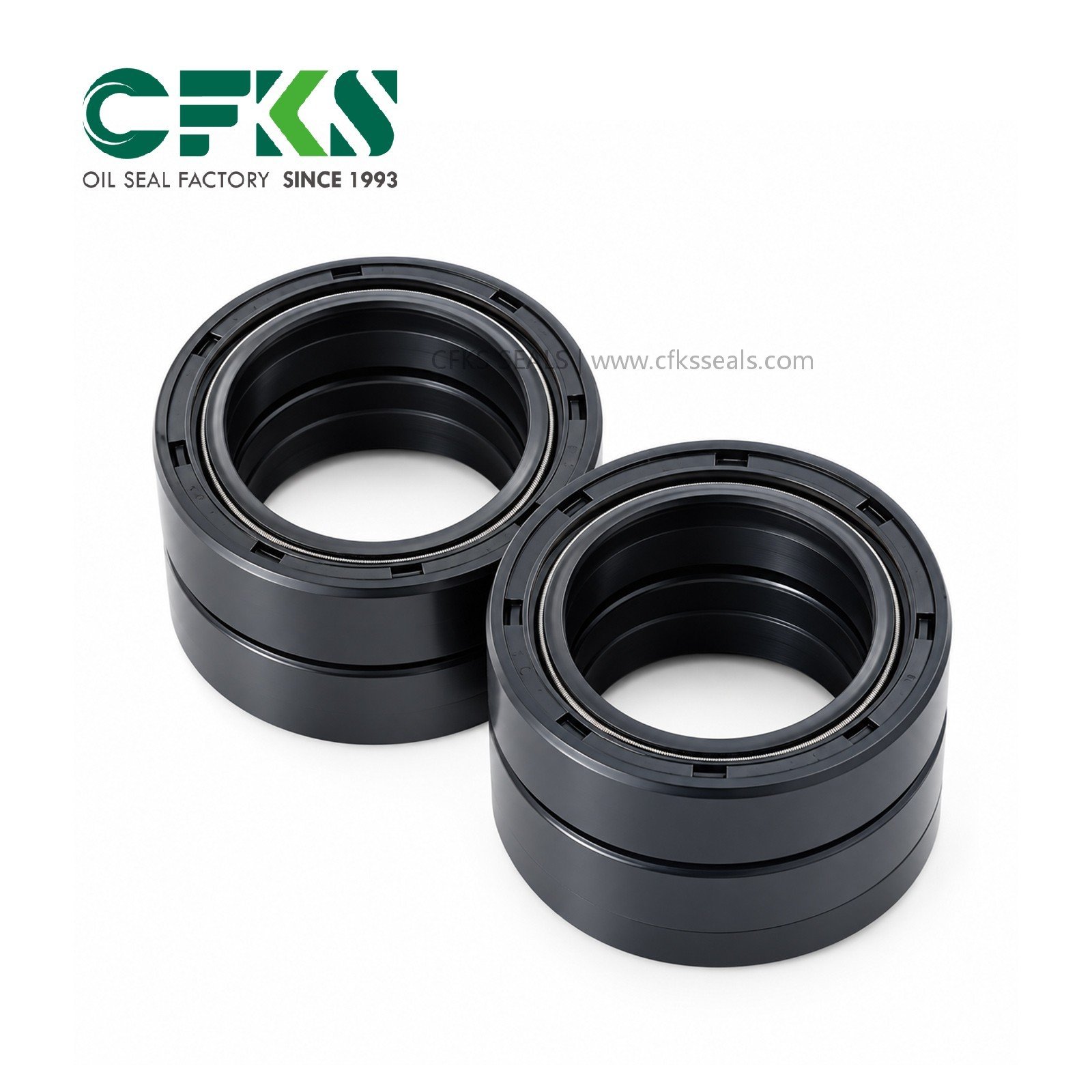
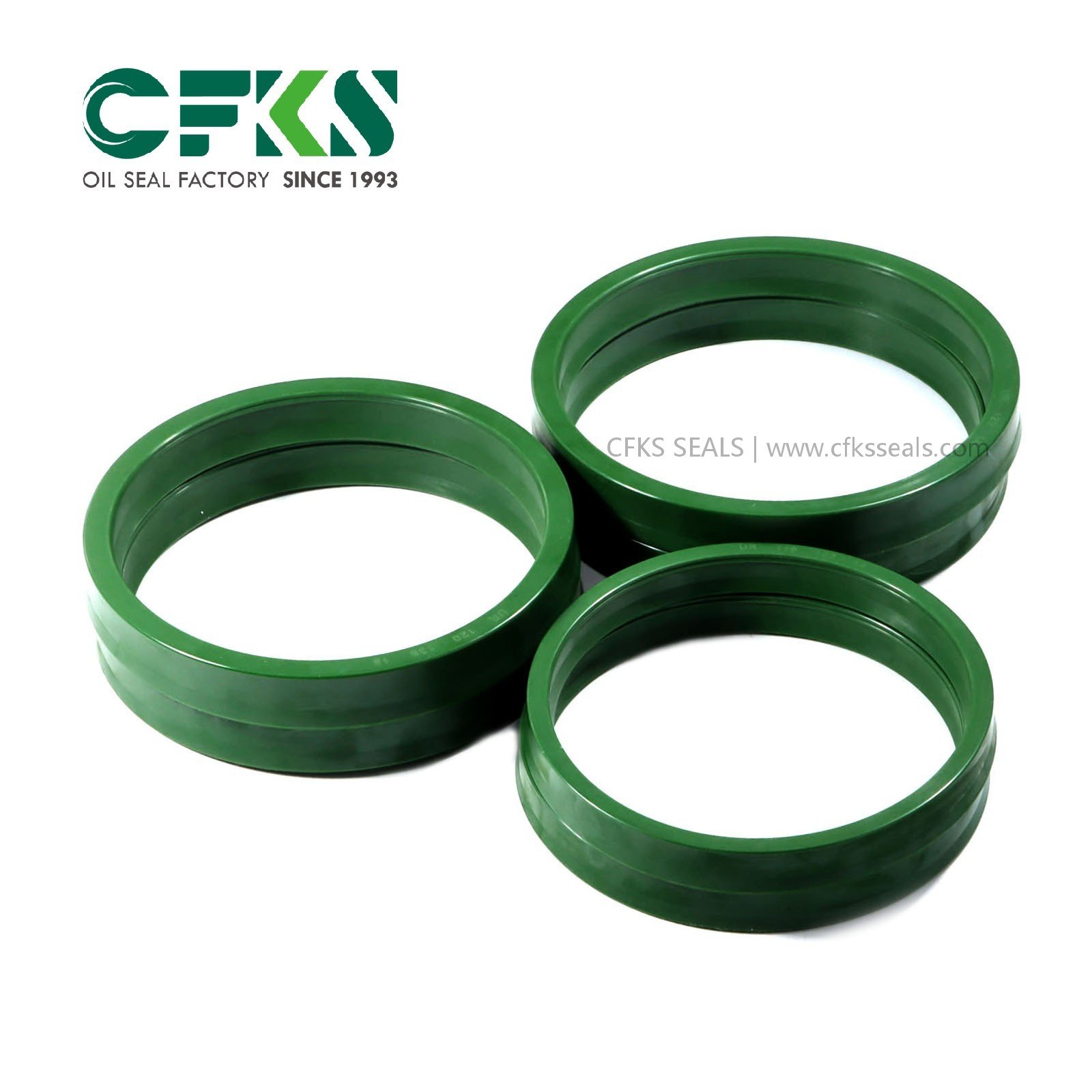
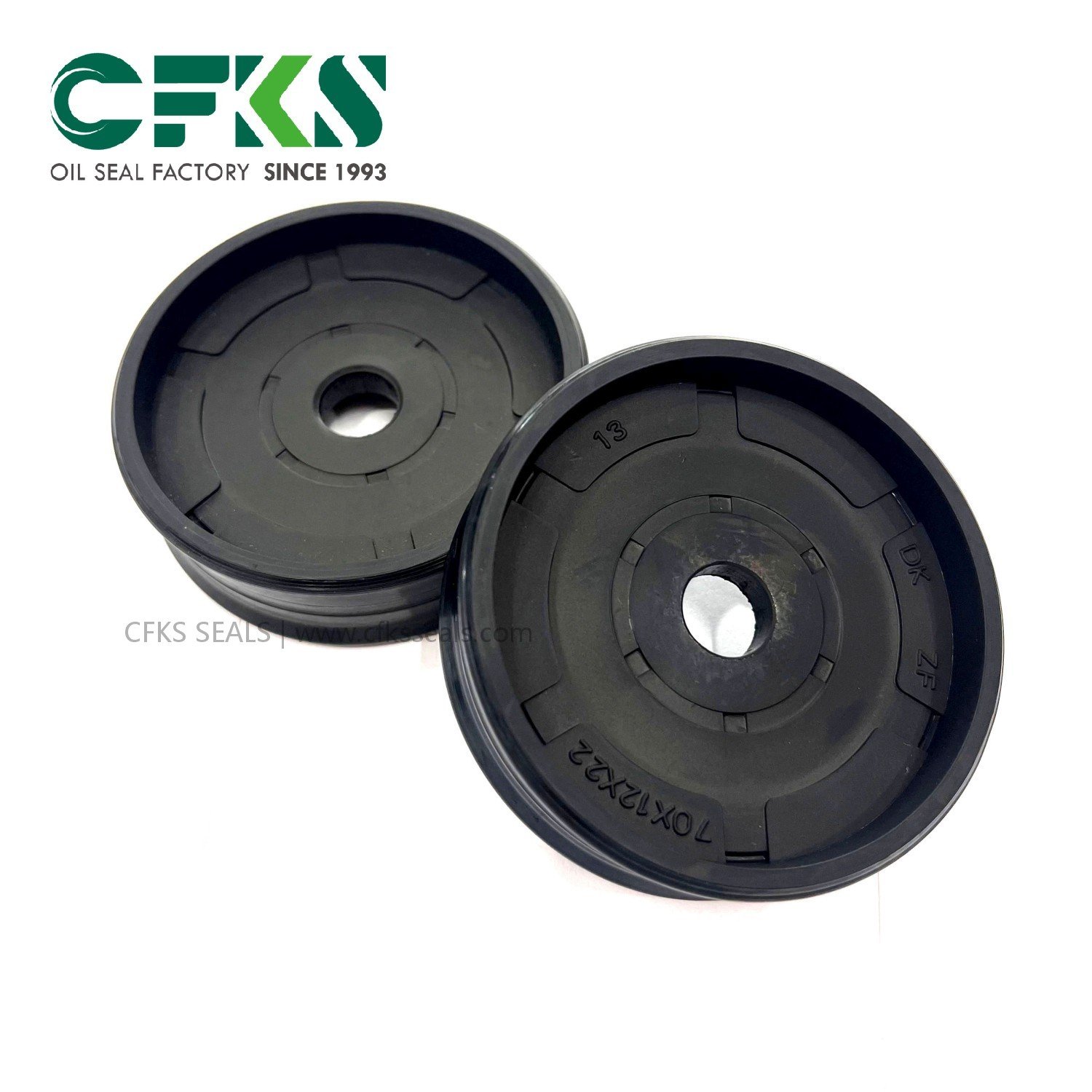
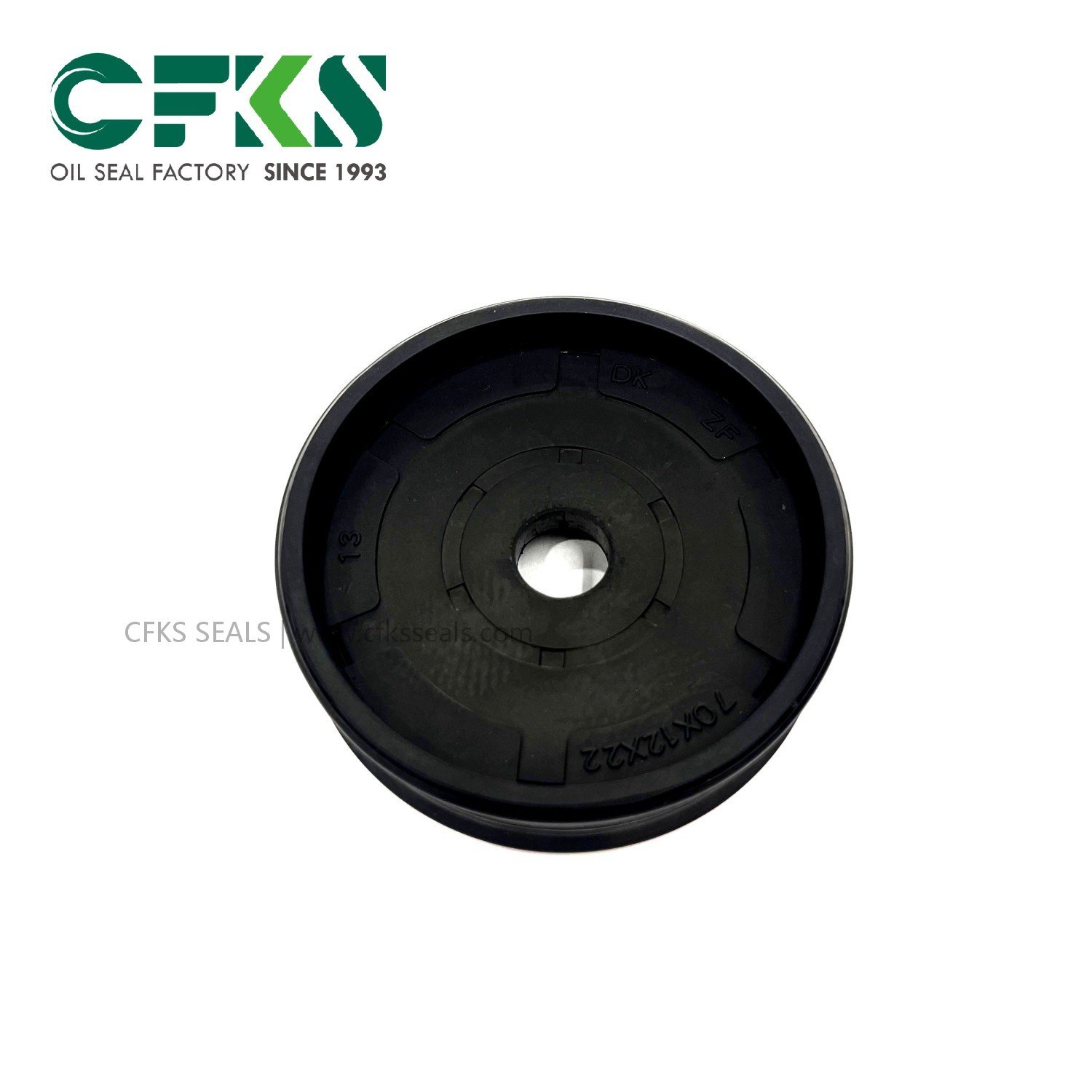
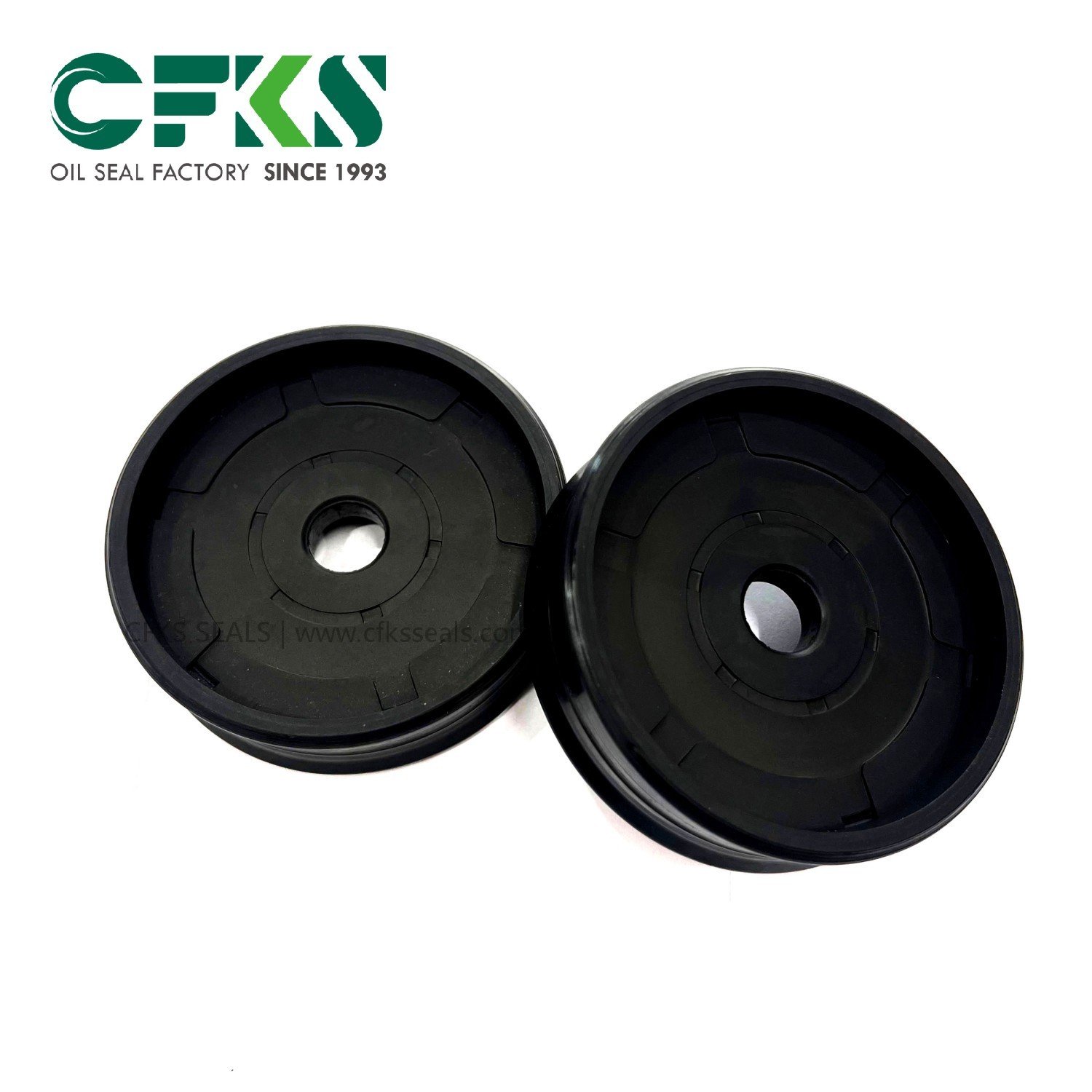
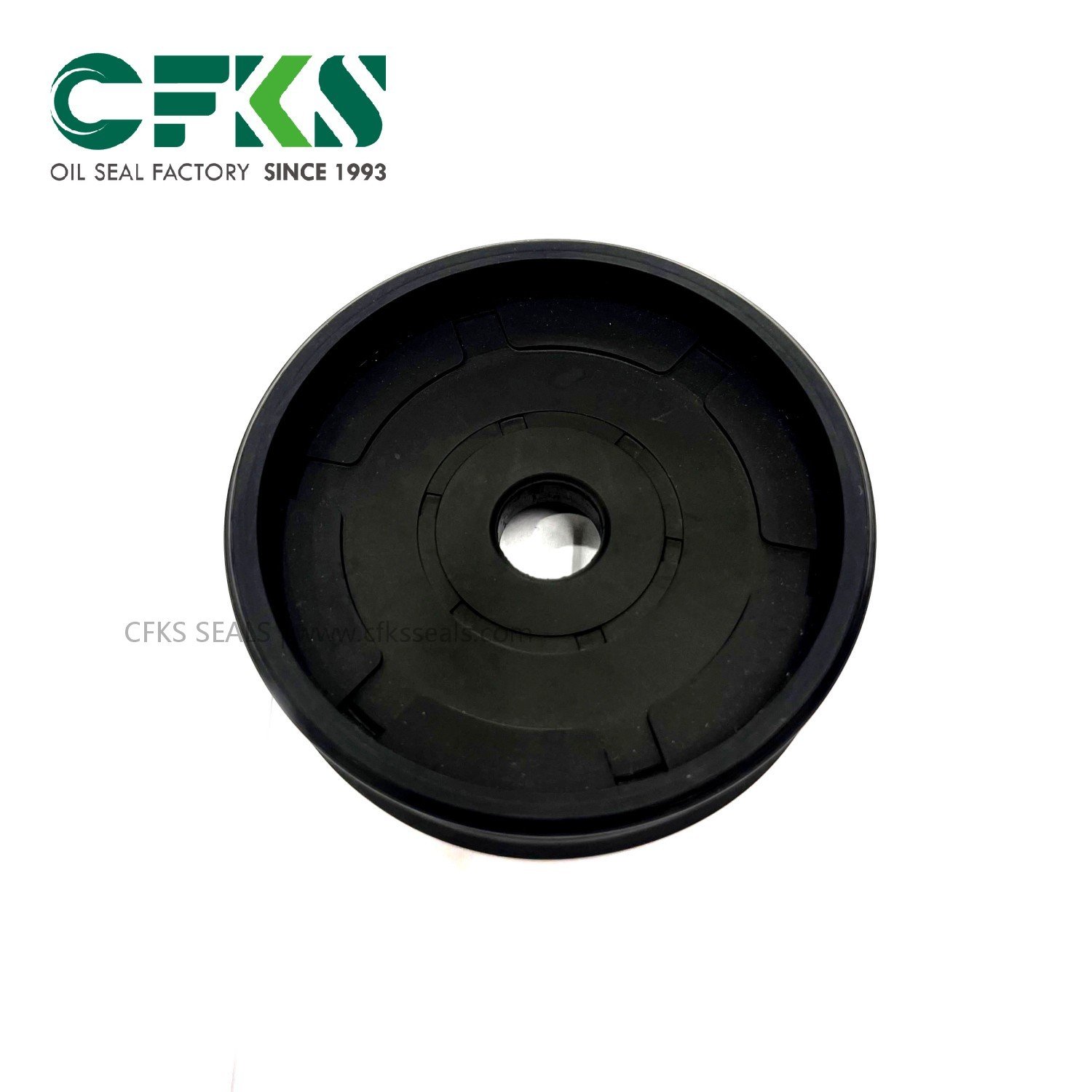
CFKS NBR DK Oil Seal 70*12*22 High Speed DK Radial Shaft Seal for Excavator DK Double Lip Seal

Engineered for demanding machinery environments, the CFKS 70*12*22 NBR DK Radial Shaft Seal provides robust fluid retention and aggressive contaminant exclusion for high-speed hydraulic systems. Featuring a double-lip profile and heavy-duty elastomeric compounding, it prevents unexpected downtime in high-vibration excavator applications.

  • Double-Lip Defense: Primary sealing lip retains lubricant while the dust lip blocks external dirt and debris.

  • High-Speed Stability: Optimized lip tension resists dynamic runout and thermal degradation under continuous rotation.

  • Excavator-Grade Fit: Precision-molded 70*12*22 mm dimensions ensure a drop-in replacement for standard shaft housings.
Product Name CFKS High Speed DK Radial Shaft Seal Work Temperature -30℃ to 120℃ (NBR Standard)
Specification 70*12*22 mm (Custom sizes available) Usage Hydraulic pumps, excavator track motors, gearboxes, swing drives, main pumps, final drives
Material NBR / Optional FKM Hardness 70 – 75 Shore A
Feature High-speed resistance, wear resistance Type DK Double Lip Radial Shaft Seal


The DK-type radial shaft seal operates on balanced hydrodynamics and precise radial force distribution to seal rotating shafts effectively. Its primary elastomeric sealing lip creates a micro-contact zone on the shaft surface, maintaining a controlled oil film that minimizes wear while preventing fluid migration. Designed specifically for high-speed operation, the internal garter spring ensures consistent radial pre-load even during thermal expansion or centrifugal deflection. Simultaneously, the integrated auxiliary lip creates an axial barrier that rejects dirt, moisture, and abrasive slurries before they can reach the main sealing edge.


Constructed from premium high-density NBR, this DK seal delivers exceptional resistance to petroleum-based hydraulic oils, mineral grease, and mechanical wear. The elastomeric compound maintains high tensile strength and compression set resistance across working temperatures from -30℃ up to 120℃. For elevated thermal environments or aggressive synthetic lubricants, FKM options are available to extend dynamic service life up to 220℃. The robust material formulation minimizes lip hardening and micro-cracking, preserving seal flexibility under intense dynamic pressures.


To achieve maximum service life, ensure the shaft surface is polished (recommended roughness and chamfered prior to press-fitting. Apply a light coating of clean hydraulic grease to both the main sealing lip and dust lip to prevent dry running during initial startup. Use a uniform press tool to seat the seal straight into the housing bore, avoiding tilted installation that could distort the inner spring ring. Proper alignment reduces frictional heat generation, protects shaft journals from grooving, and guarantees extended, leak-free operation in heavy industrial machinery.


Frequently Asked Questions (FAQ)

Why does my CFKS oil seal fail prematurely? Common causes and prevention tips2025-06-26T15:44:39+08:00

Premature oil seal failure can result from improper installation, poor shaft finish, incorrect material selection, or excessive pressure. To prevent this, ensure the shaft surface is smooth and within tolerance, use correct tools during installation, and choose seals made from materials compatible with your media and temperature.

How to correctly install a CFKS industrial oil seal to avoid leakage2025-06-26T16:04:32+08:00

Always clean the shaft and bore before installation. Use appropriate seal drivers to avoid deformation. Lubricate the lip before fitting to reduce friction during the first rotation. Ensure the seal is seated evenly and not tilted to avoid leaks.

What to do when your CFKS hydraulic seal is leaking under pressure2025-05-20T16:33:14+08:00

Check if the pressure exceeds the seal’s rated limit. Examine for wear, hardening, or improper installation. Replace the seal if damaged, and consider upgrading to a high-pressure CFKS seal variant. Also, verify that the housing and shaft are properly aligned.

How to choose the right CFKS oil seal for extreme operating environments2025-05-20T16:34:39+08:00

For high temperatures, aggressive chemicals, or abrasive environments, choose CFKS seals made of FKM, PTFE, or high-performance elastomers. Consider using seals with protective dust lips or metal casing. Our team can recommend the best fit for your application.


MESSAGE

Go to Top