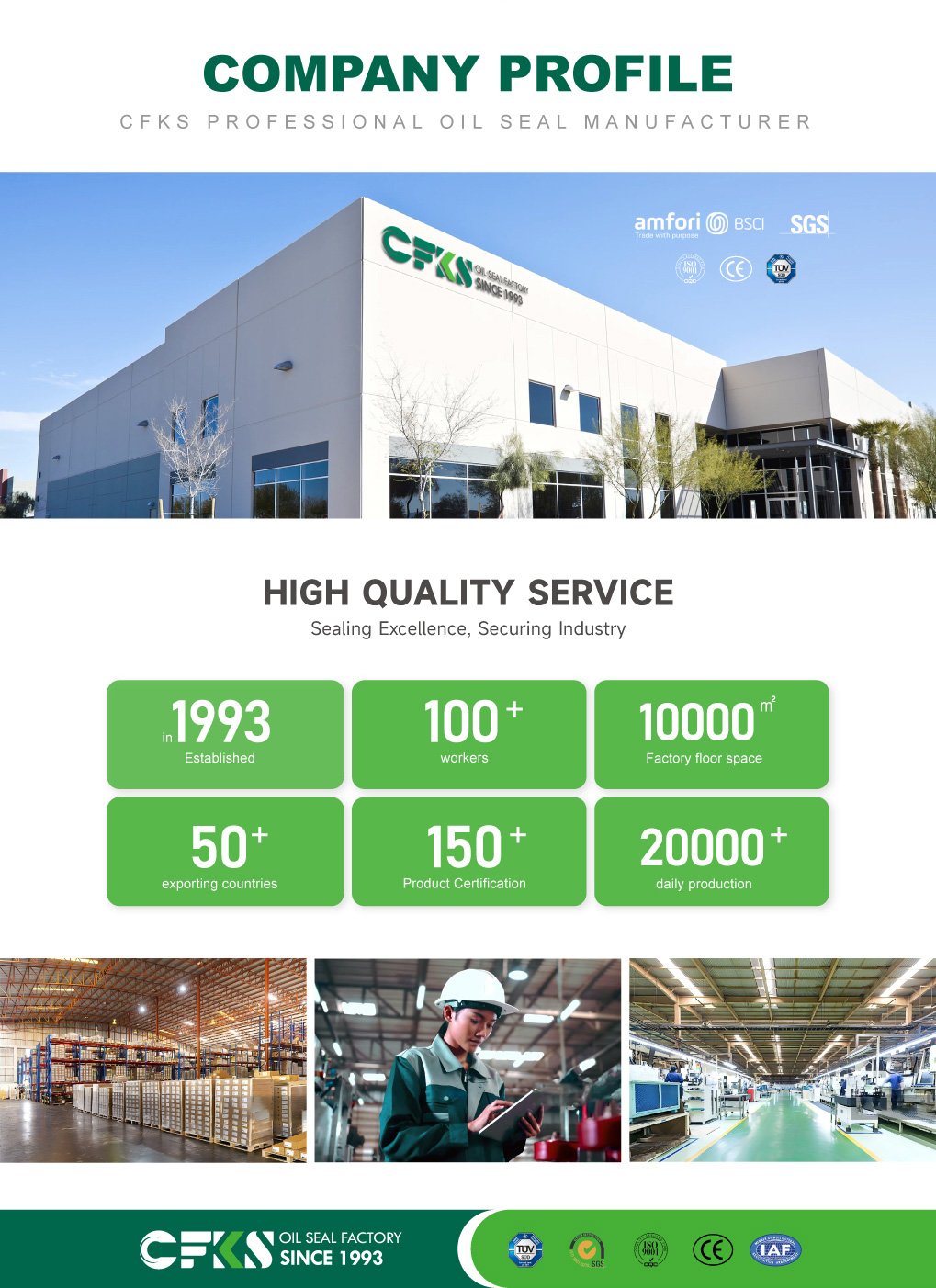
Sealing Excellence, Securing Industry

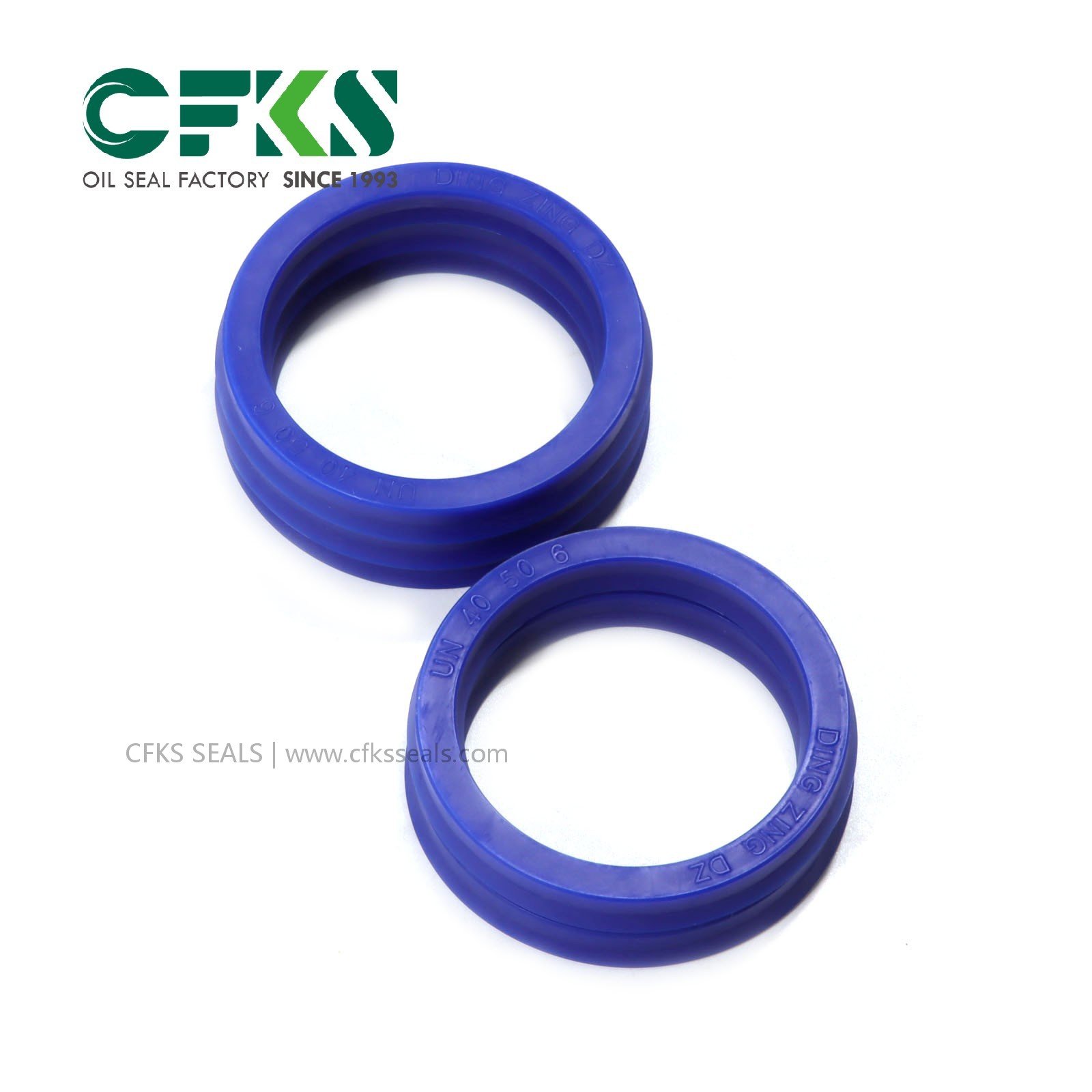
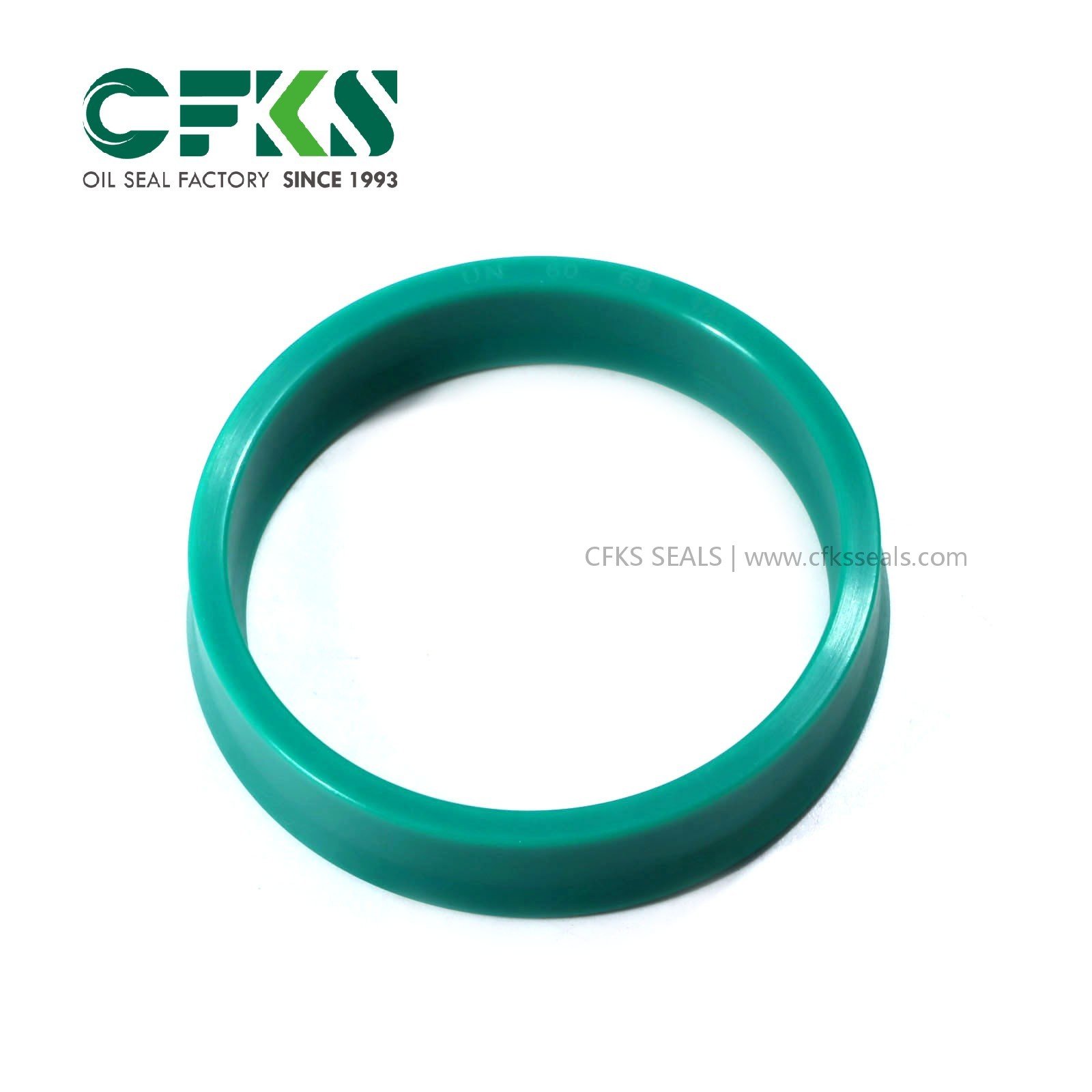
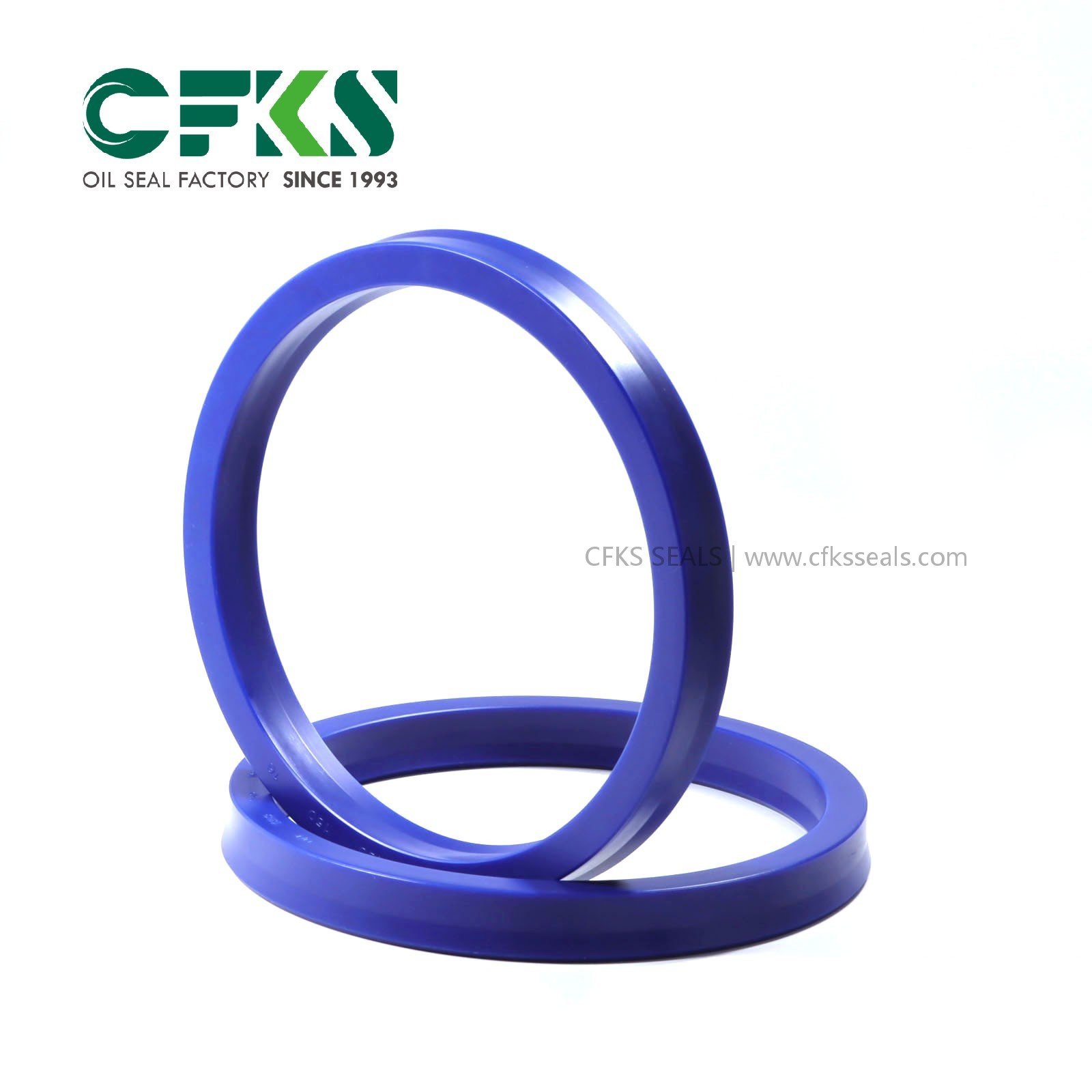
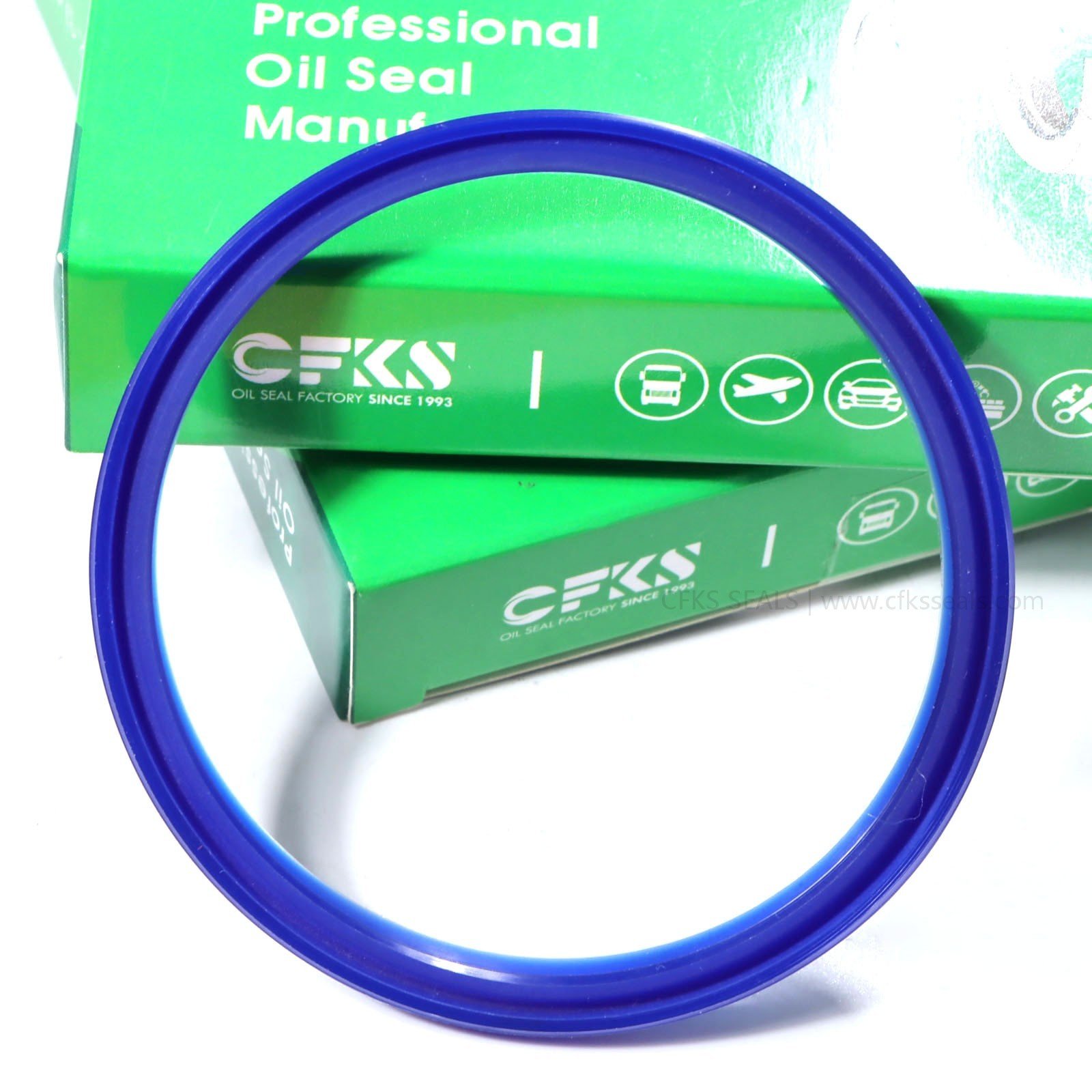
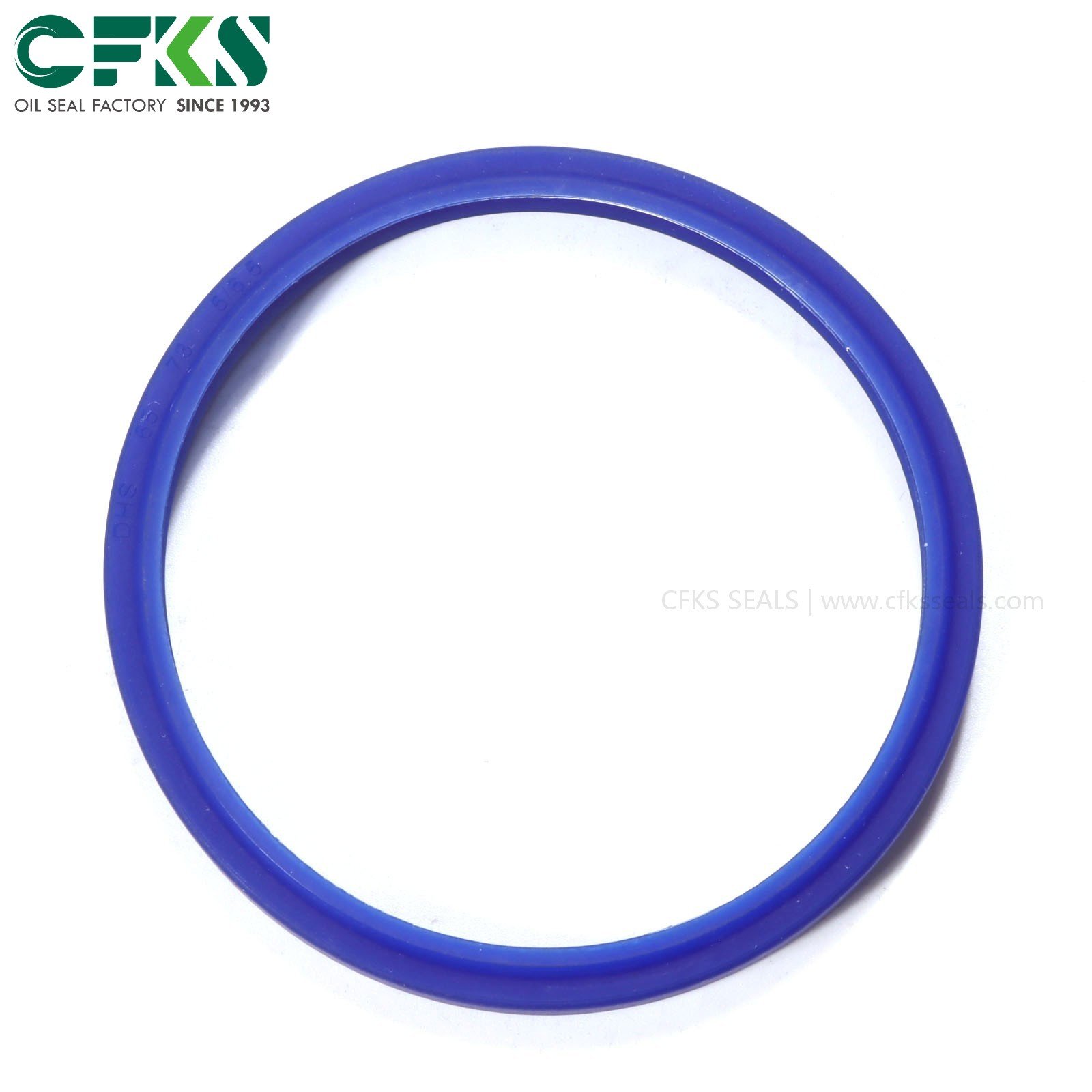
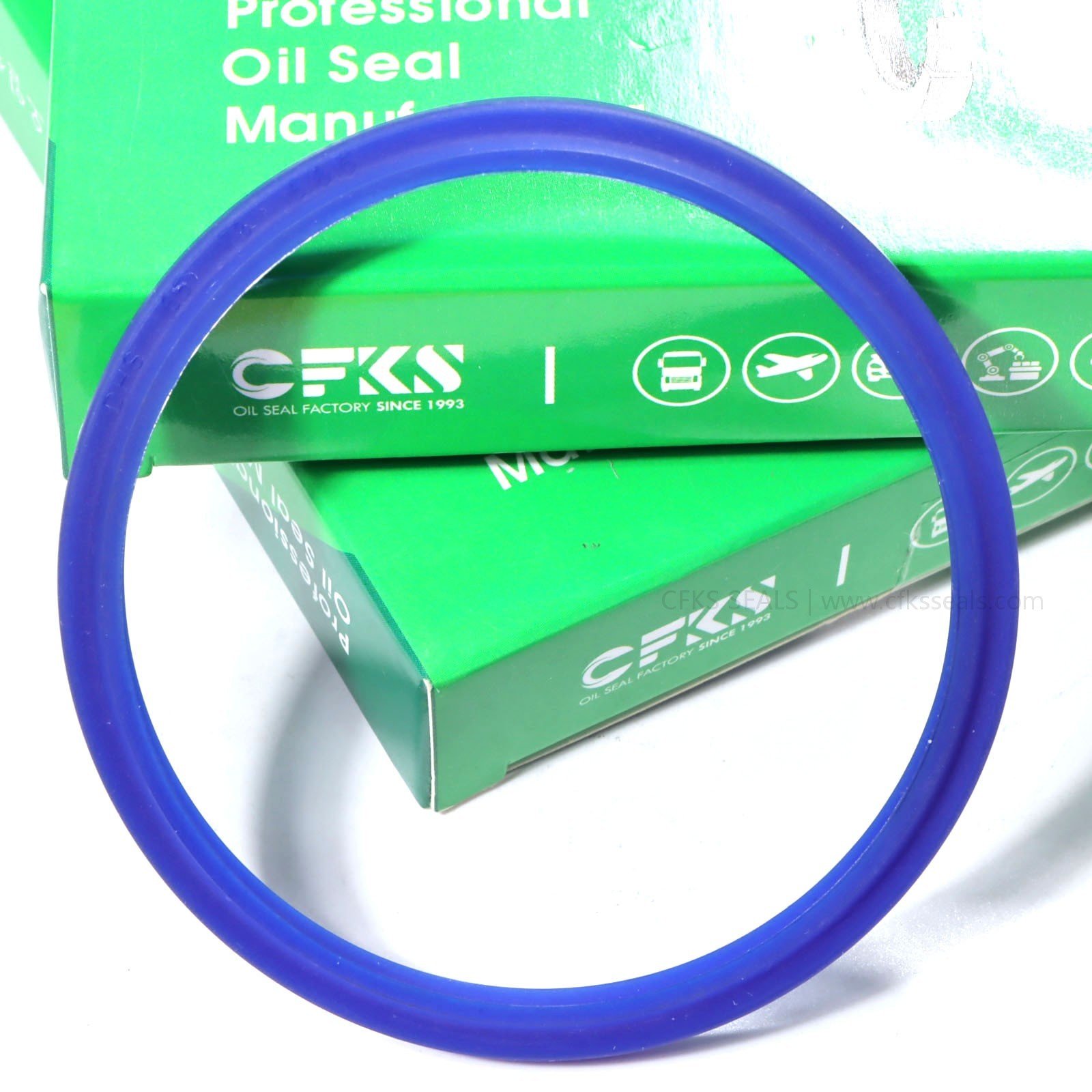
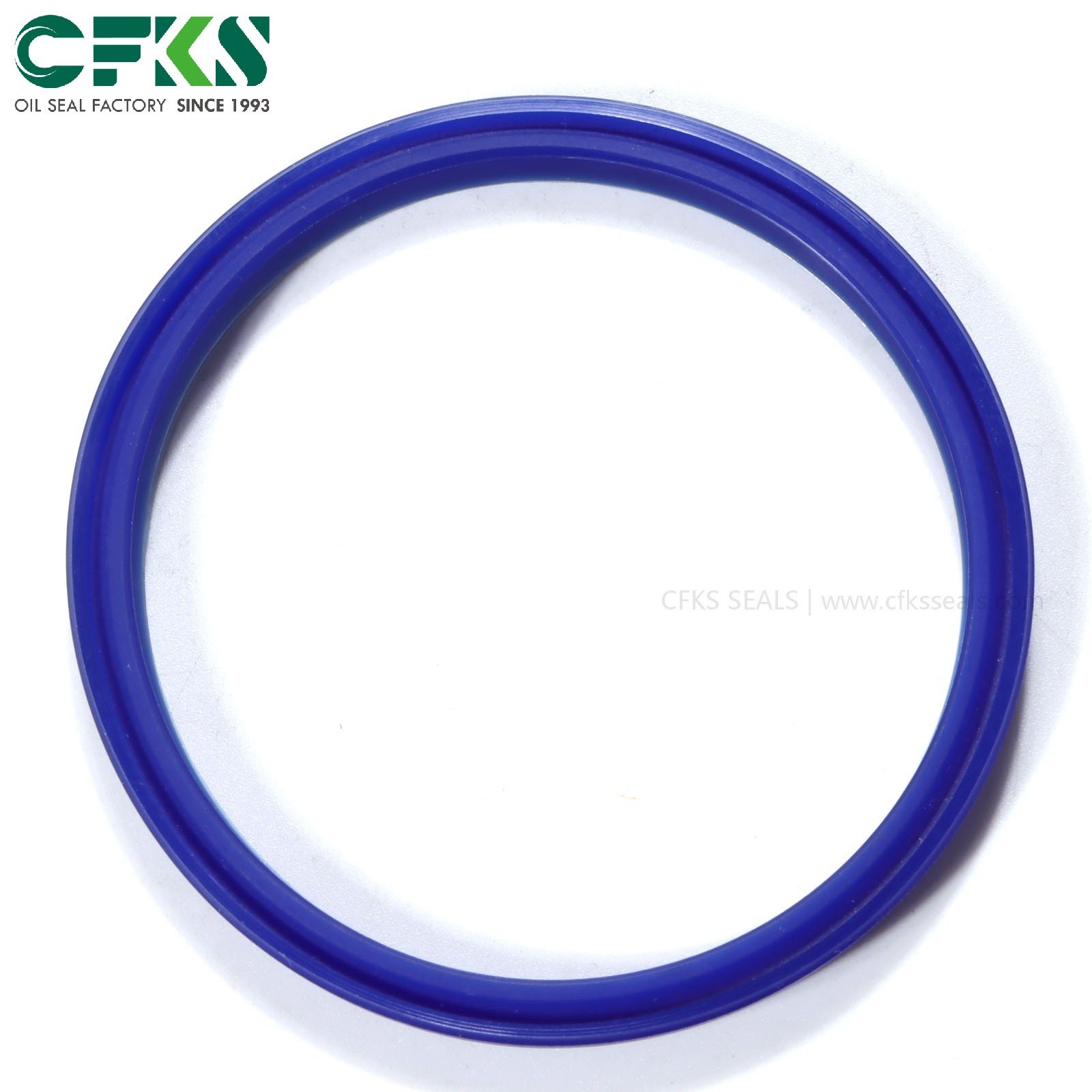
CFKS PU DHS Wiper Seal 65*75*5/6.5 Hydraulic Dust Seal DHS Piston Rod Seal

The CFKS DHS Wiper Seal 65*75*5/6.5 is a premium polyurethane (PU) dust seal engineered to protect hydraulic cylinders from external contaminants. Designed with a precisely engineered lip profile, it effectively scrapes away dirt, dust, and moisture from the reciprocating piston rod, ensuring the longevity of primary sealing elements and reducing unexpected system downtime.

  • Premium PU Resilience: Molded from high-grade polyurethane for superior abrasion resistance and long-term elasticity.

  • Double-Lip Action: Features a sharp scraping lip that blocks external debris while retaining the residual oil film.

  • Dynamic Snug Fit: Optimized geometry ensures stable seating within the groove, preventing axial movement during heavy-duty cycles.

Find your sealing solution with CFKS — contact us for a quote.
Product Name: CFKS PU DHS Wiper Seal 65*75*5/6.5 Specification: Standard 65*75*5/6.5
Material: Premium Polyurethane (PU) / NBR / FKM Feature: High Abrasion Resistance & Superior Dust Proofing
Work Temperature: -20℃ to 220℃ (Material dependent) Hardness: 90-95 Shore A
Type: Hydraulic Dust Seal / Piston Rod Wiper Usage: Excavators, Forging Presses, Agricultural Rams, Mining Jacks, Cylinder Heads


The DHS wiper seal operates on a precise interference-fit engineering principle. Positioned at the outermost section of the hydraulic cylinder head, its primary function is to maintain constant radial pressure against the moving piston rod. As the rod retracts, the sharp, flexible sealing lip acts as a mechanical scraper, shearing off abrasive dust, mud, and water droplets. The secondary heel profile is geometrically optimized to handle the hydrodynamic pressure of the residual oil film, ensuring zero external leakage while minimizing friction-induced heat generation during high-frequency strokes.


Material integrity is paramount in reciprocating hydraulic applications. This DHS seal is manufactured from high-performance PU, a material specifically selected for its exceptional tensile strength and resistance to mechanical wear compared to standard elastomers. In rigorous operating environments, this PU compound resists extrusion and tearing under localized stress. It exhibits outstanding compatibility with mineral-based hydraulic oils, biodegradable fluids, and standard lubricants, maintaining its structural shore hardness and elasticity even when exposed to continuous cycling and fluctuating pressure spikes.

Achieving a leak-free system relies heavily on correct installation. The CFKS DHS profile features a flexible cross-section that allows for effortless snap-in installation into closed grooves without the risk of permanent deformation. Prior to fitting, ensuring the housing is free of burrs and lightly lubricating the seal lip will prevent dry-start wear. Thanks to its high-modulus material composition, this wiper seal offers an extended, low-maintenance service life, drastically reducing stick-slip phenomena and protecting internal rod seals from premature abrasive failure.

Frequently Asked Questions (FAQ)

Why does my CFKS oil seal fail prematurely? Common causes and prevention tips2025-06-26T15:44:39+08:00

Premature oil seal failure can result from improper installation, poor shaft finish, incorrect material selection, or excessive pressure. To prevent this, ensure the shaft surface is smooth and within tolerance, use correct tools during installation, and choose seals made from materials compatible with your media and temperature.

How to correctly install a CFKS industrial oil seal to avoid leakage2025-06-26T16:04:32+08:00

Always clean the shaft and bore before installation. Use appropriate seal drivers to avoid deformation. Lubricate the lip before fitting to reduce friction during the first rotation. Ensure the seal is seated evenly and not tilted to avoid leaks.

What to do when your CFKS hydraulic seal is leaking under pressure2025-05-20T16:33:14+08:00

Check if the pressure exceeds the seal’s rated limit. Examine for wear, hardening, or improper installation. Replace the seal if damaged, and consider upgrading to a high-pressure CFKS seal variant. Also, verify that the housing and shaft are properly aligned.

How to choose the right CFKS oil seal for extreme operating environments2025-05-20T16:34:39+08:00

For high temperatures, aggressive chemicals, or abrasive environments, choose CFKS seals made of FKM, PTFE, or high-performance elastomers. Consider using seals with protective dust lips or metal casing. Our team can recommend the best fit for your application.


MESSAGE

Go to Top