Sealing Excellence, Securing Industry

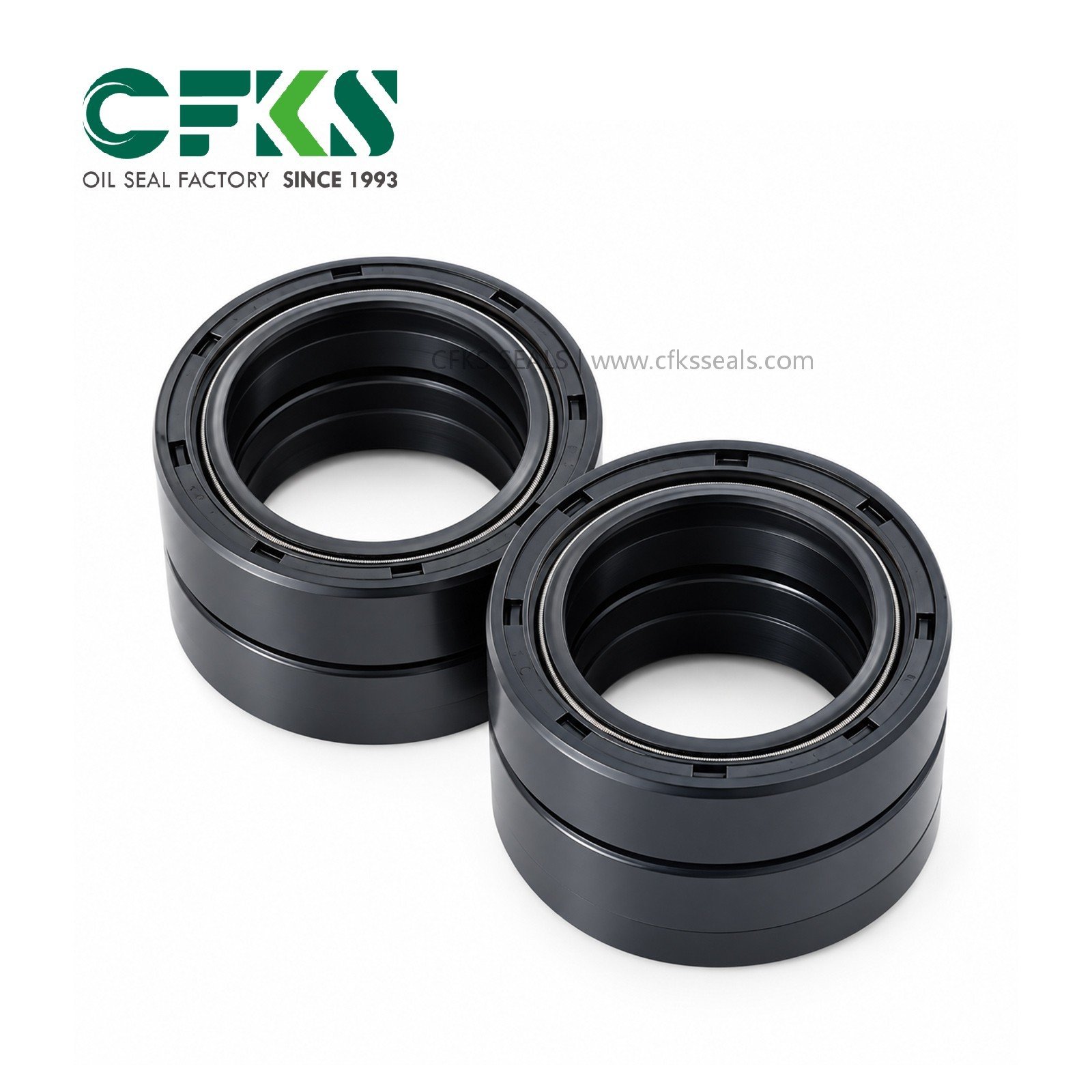
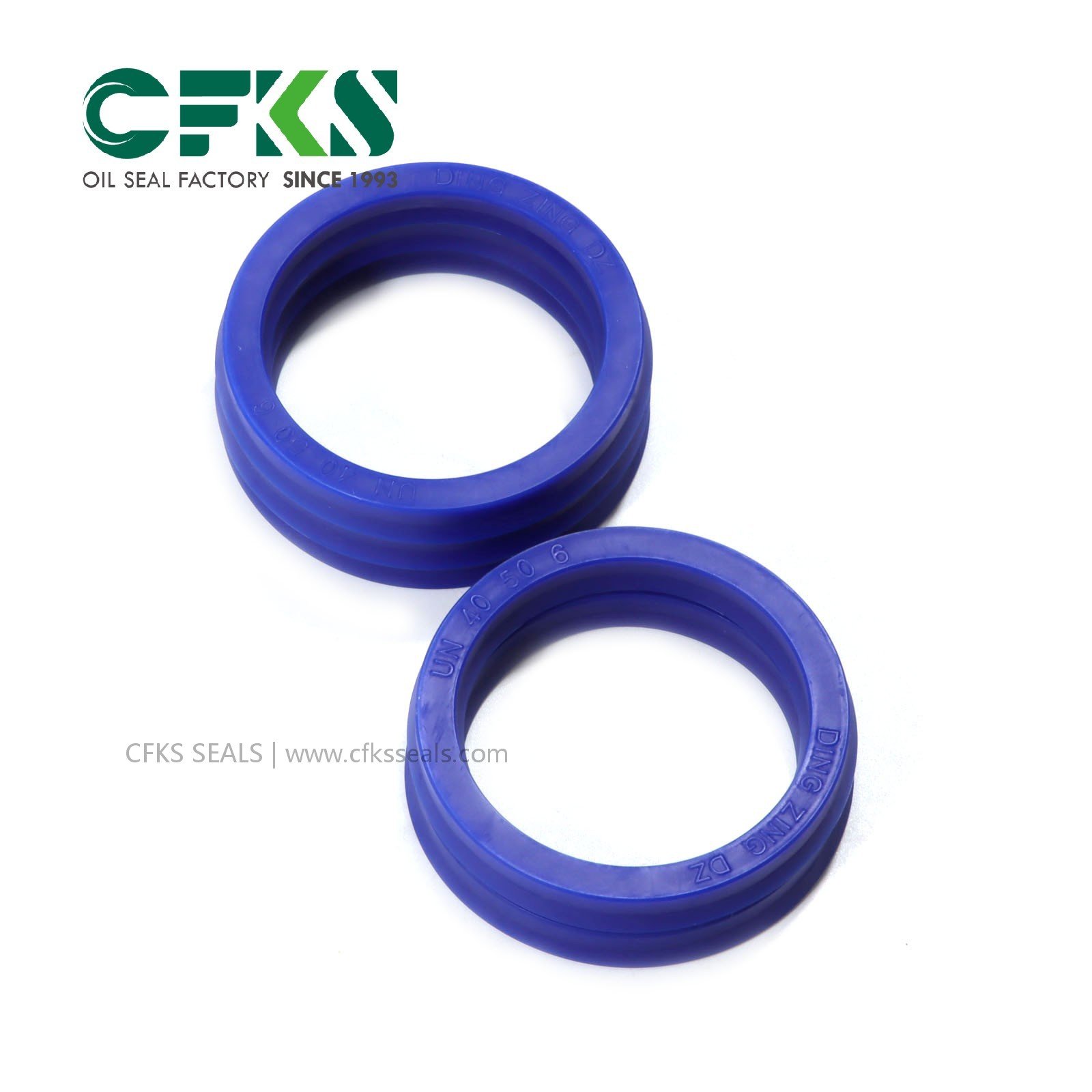
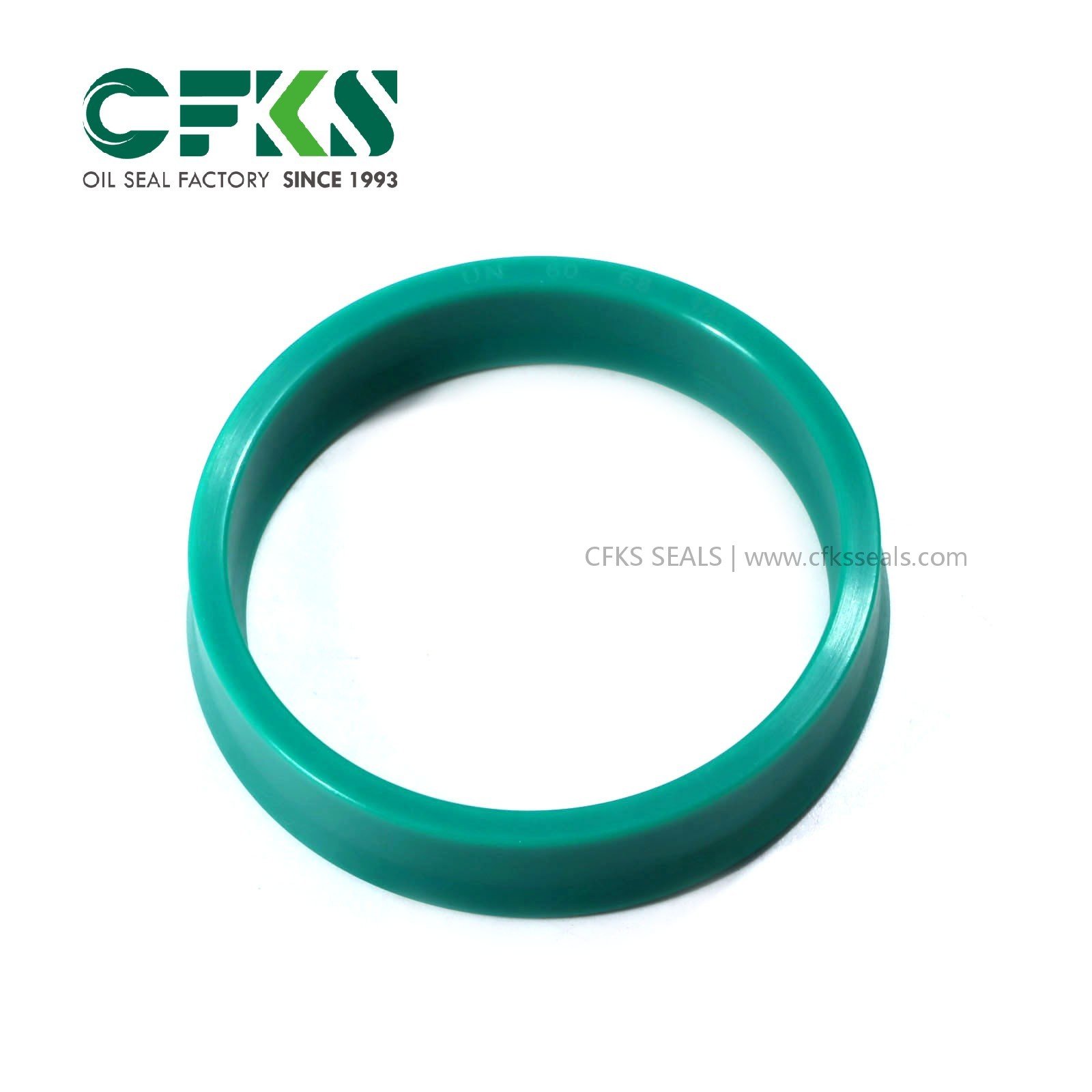
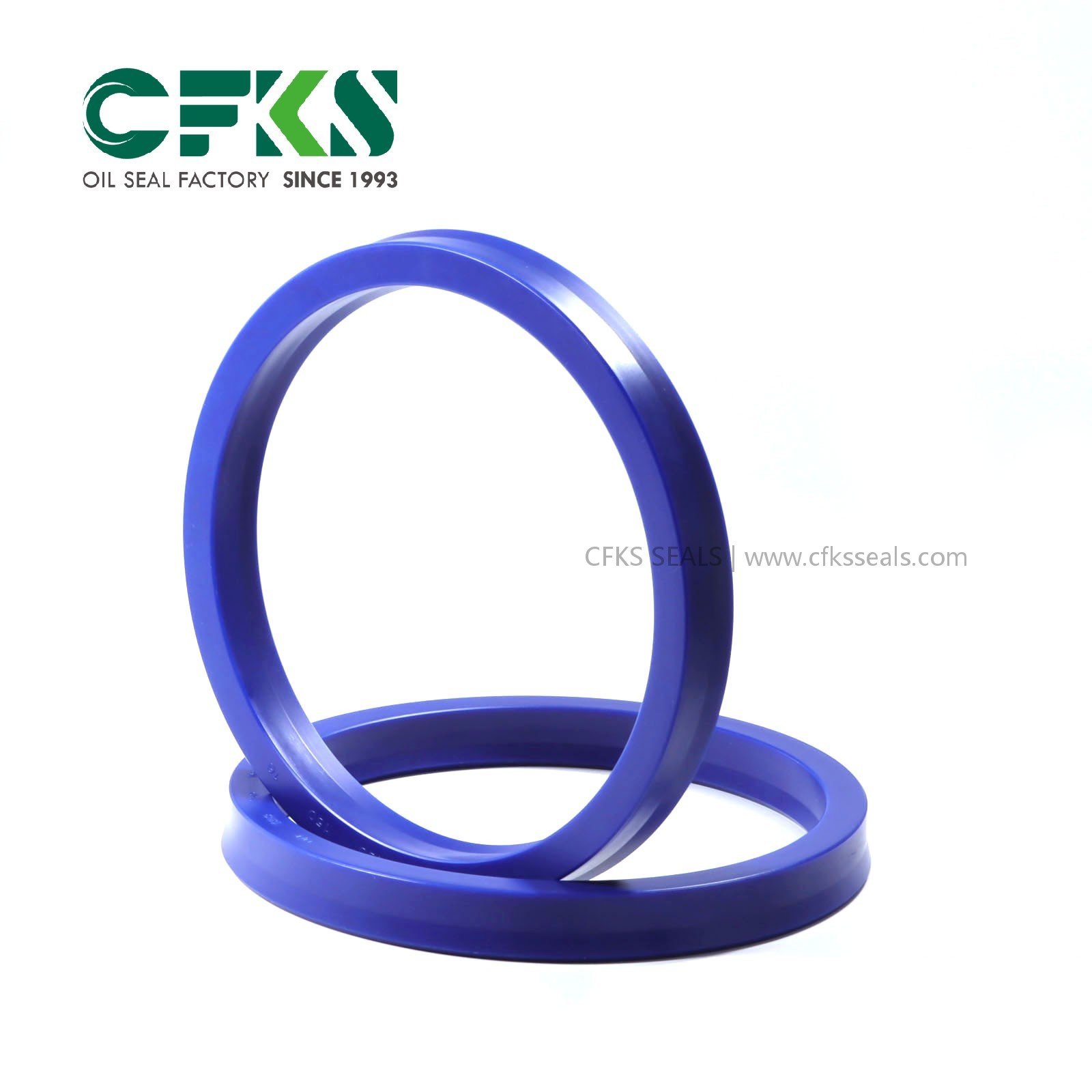
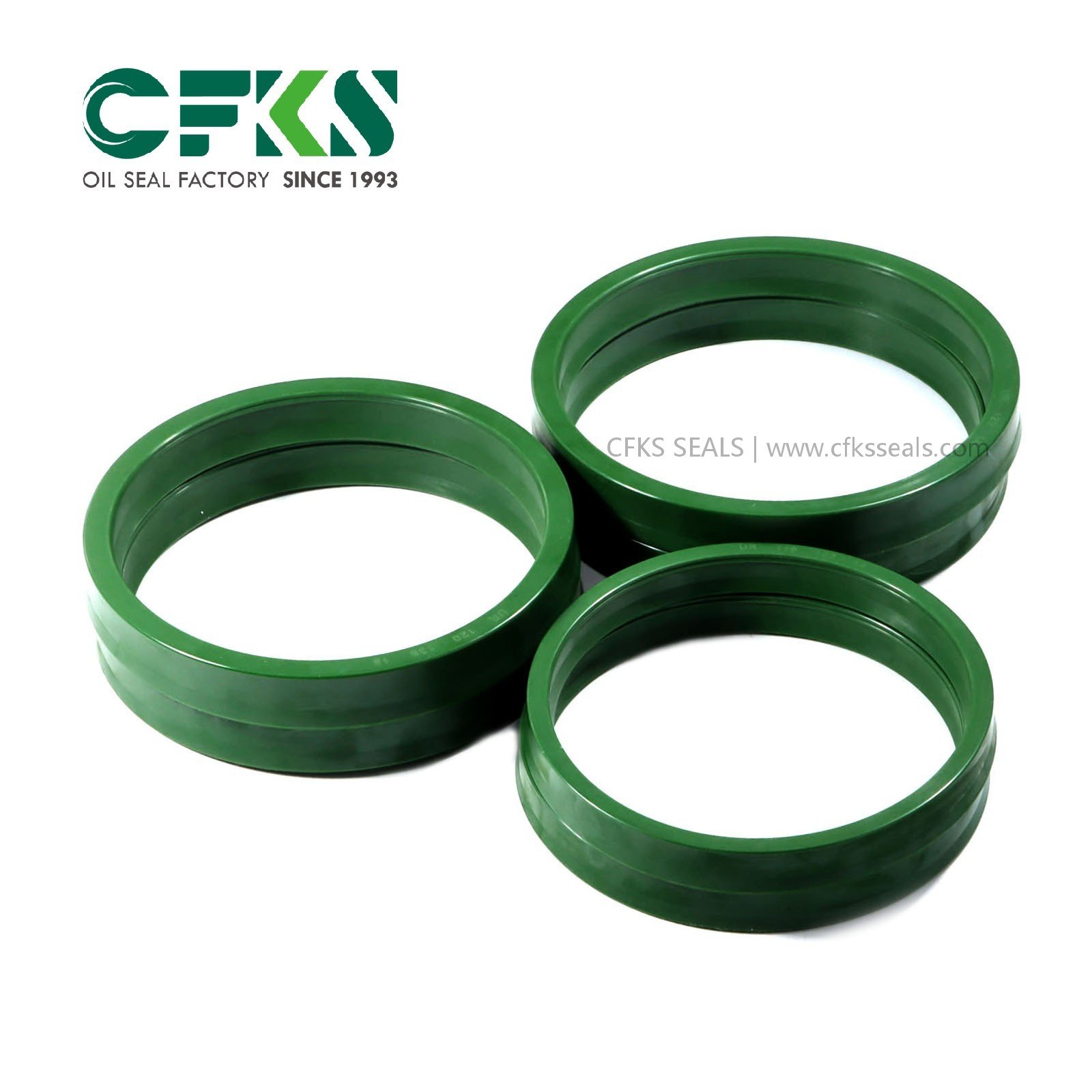
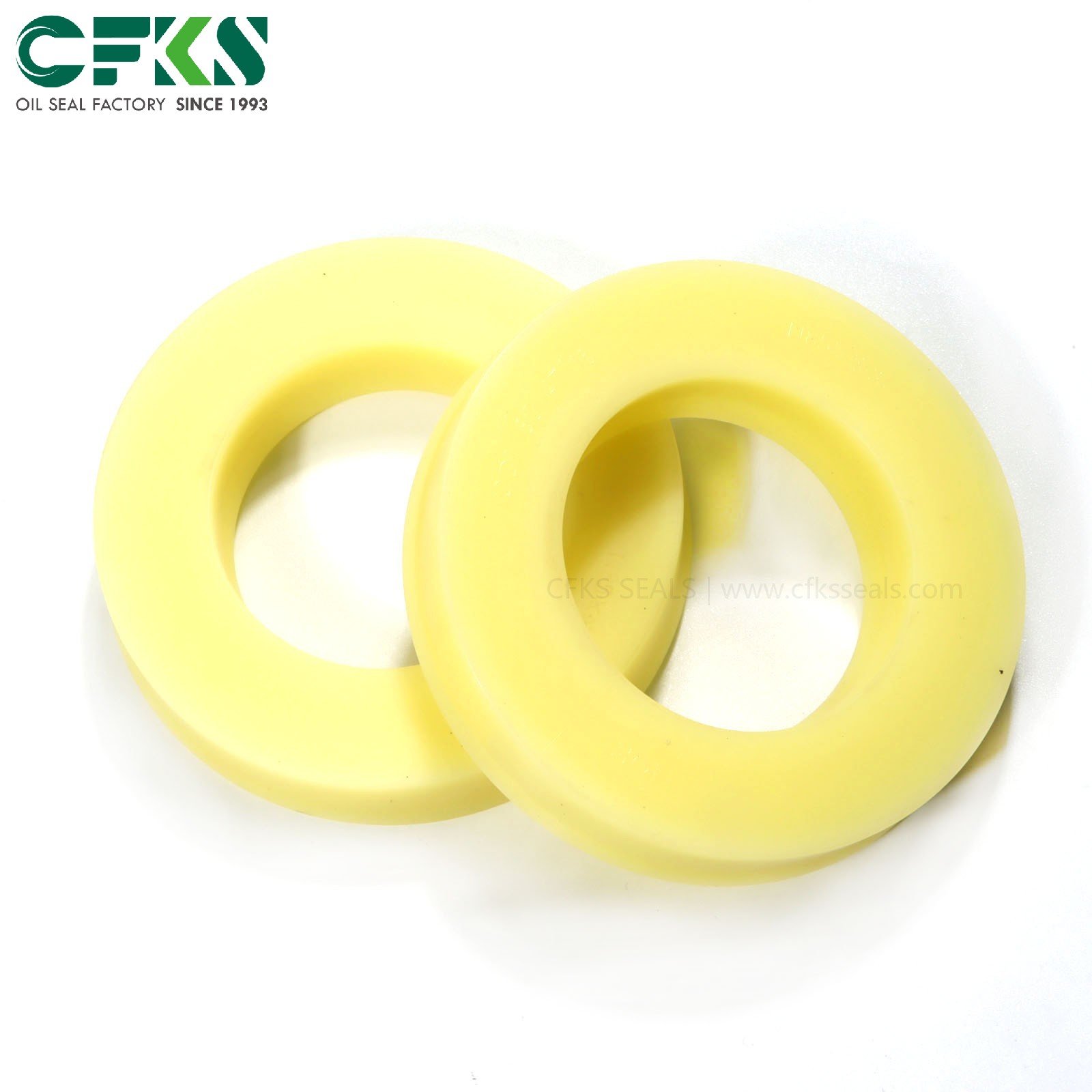
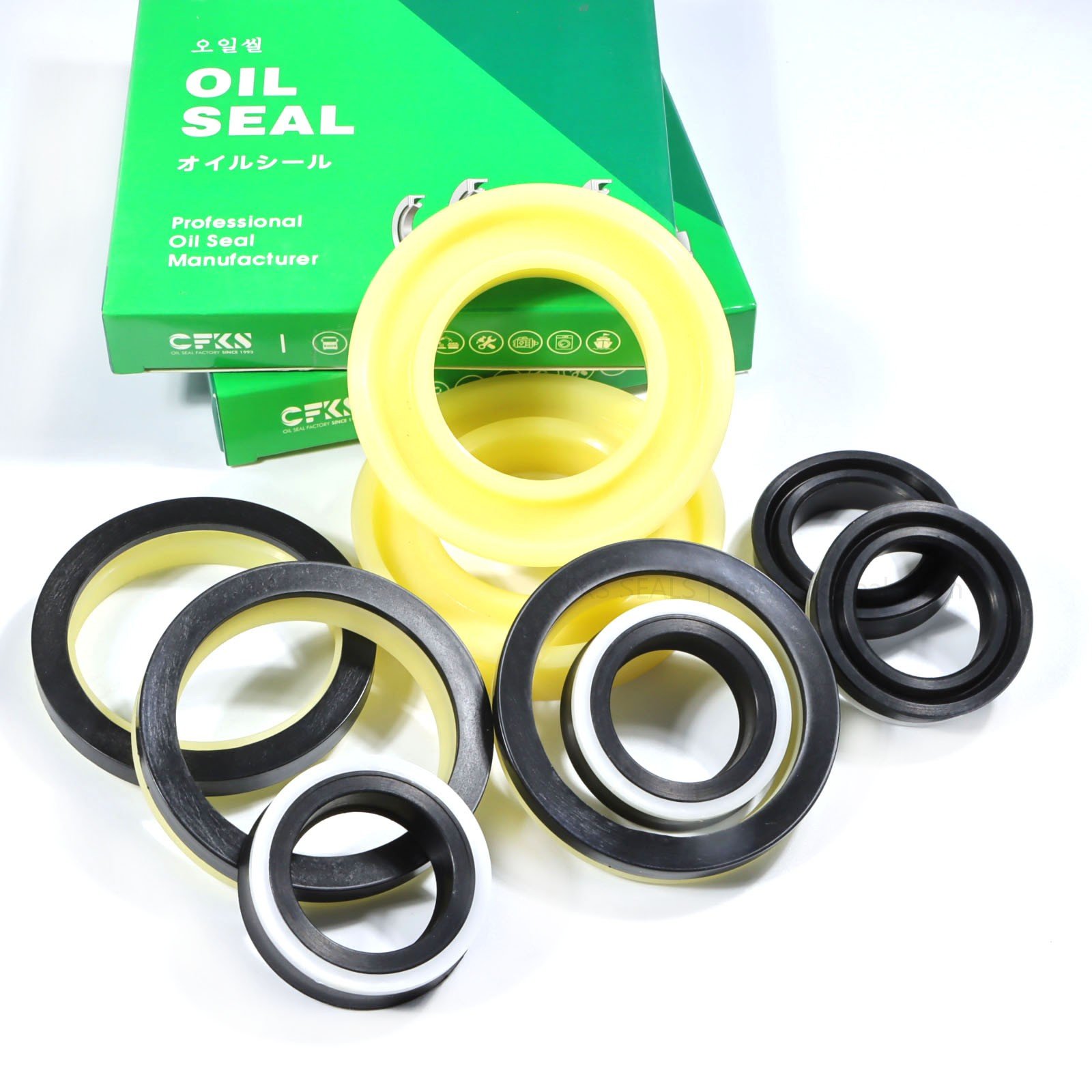
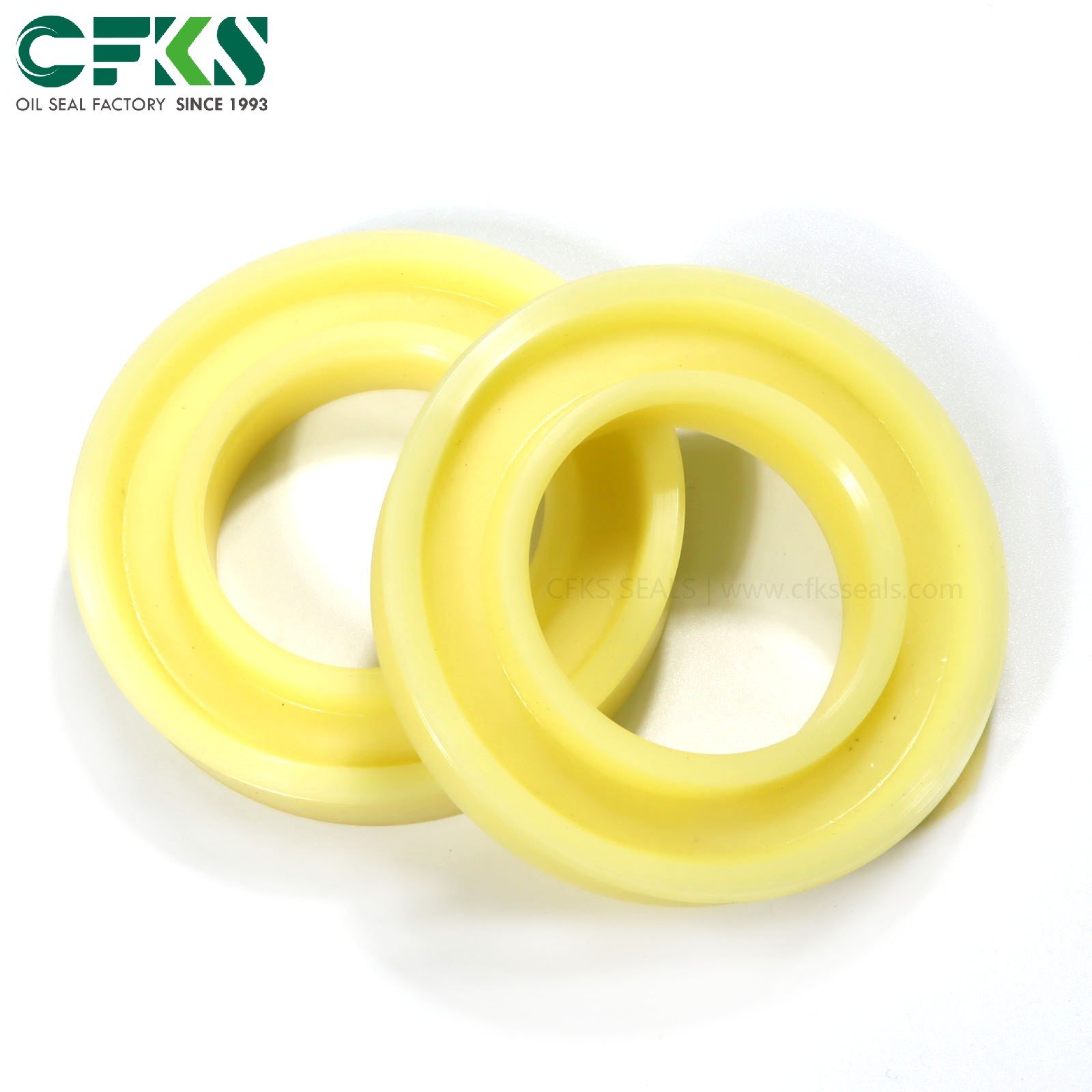
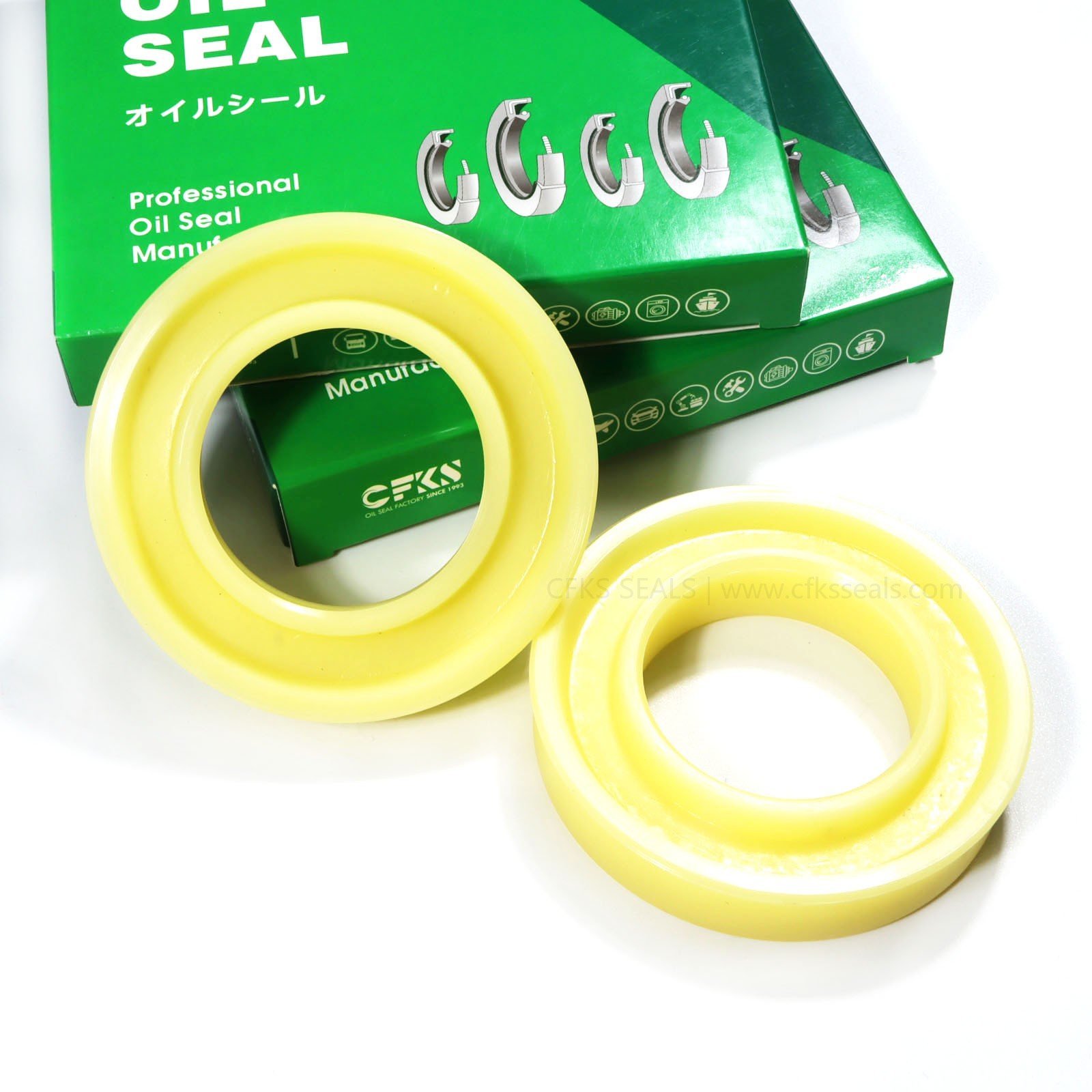
CFKS NBR ODI Rod Seal 80*47*16 Wear-Resistant PU ODI Oil Seal for Excavator

The CFKS ODI Rod Seal is precision-engineered to maintain hydraulic system integrity in the most demanding excavator environments. By utilizing a high-performance profile, this seal ensures effective fluid containment and prevents contamination ingress, significantly extending the service interval of your hydraulic cylinders.

  • Optimized Geometry: Specifically designed for dynamic rod sealing under high-pressure loads.

  • Dimensional Precision: Manufactured to 80*47*16 specifications for seamless integration.

  • Robust Composition: Advanced wear-resistant material minimizes friction and heat generation during continuous operation.

Find your sealing solution with CFKS — contact us for a quote.
Product Name ODI Rod Seal Specification 80*47*16
Material NBR / PU / FKM Feature High Abrasion & Extrusion Resistance
Work Temperature -35℃ to +110℃ Usage Excavator, Loader, Dump Truck, Crane
Hardness 90-95 Shore A Type Single-Acting Rod Seal


The ODI rod seal acts as the primary barrier against high-pressure hydraulic fluid. Its operational principle relies on the specific lip geometry, which utilizes the system’s hydraulic pressure to reinforce the contact force between the lip and the rod surface. As pressure increases within the cylinder, the lip is forced more tightly against the rod, creating a self-energizing seal that prevents leakage. Unlike standard O-rings, the ODI profile is engineered to handle dynamic movement, allowing it to maintain a stable, thin lubrication film that reduces wear while effectively scraping away particulate matter that could otherwise score the rod surface.

In hydraulic excavator applications, material selection is the primary determinant of seal longevity. While standard NBR offers excellent general-purpose performance, we prioritize high-grade Polyurethane for this ODI series. PU provides superior tear strength and abrasion resistance, which is critical when the equipment operates in environments contaminated with silica, sand, or heavy dust. For extreme thermal applications or aggressive hydraulic fluids, we can calibrate the compound to include FKM, ensuring the seal retains its structural integrity and elasticity without hardening or degradation within your specified temperature range.

Proper installation is as vital as the seal quality itself. When replacing your ODI rod seal, ensure the gland housing is free from burrs or metal shards that could damage the sealing lip during insertion. We strongly recommend using a specialized assembly sleeve to bypass sharp edges or threads. Lubricate the seal and the rod with clean hydraulic fluid before installation to prevent “dry starts,” which can cause immediate localized friction. Pragmatically speaking, maintenance should focus on monitoring for microscopic weeping; by ensuring your rod surface remains polished and free of corrosion, you can maximize the operational lifespan of the seal without the need for frequent, labor-intensive cylinder overhauls.

Frequently Asked Questions (FAQ)

Why does my CFKS oil seal fail prematurely? Common causes and prevention tips2025-06-26T15:44:39+08:00

Premature oil seal failure can result from improper installation, poor shaft finish, incorrect material selection, or excessive pressure. To prevent this, ensure the shaft surface is smooth and within tolerance, use correct tools during installation, and choose seals made from materials compatible with your media and temperature.

How to correctly install a CFKS industrial oil seal to avoid leakage2025-06-26T16:04:32+08:00

Always clean the shaft and bore before installation. Use appropriate seal drivers to avoid deformation. Lubricate the lip before fitting to reduce friction during the first rotation. Ensure the seal is seated evenly and not tilted to avoid leaks.

What to do when your CFKS hydraulic seal is leaking under pressure2025-05-20T16:33:14+08:00

Check if the pressure exceeds the seal’s rated limit. Examine for wear, hardening, or improper installation. Replace the seal if damaged, and consider upgrading to a high-pressure CFKS seal variant. Also, verify that the housing and shaft are properly aligned.

How to choose the right CFKS oil seal for extreme operating environments2025-05-20T16:34:39+08:00

For high temperatures, aggressive chemicals, or abrasive environments, choose CFKS seals made of FKM, PTFE, or high-performance elastomers. Consider using seals with protective dust lips or metal casing. Our team can recommend the best fit for your application.


MESSAGE

Go to Top