Sealing Excellence, Securing Industry

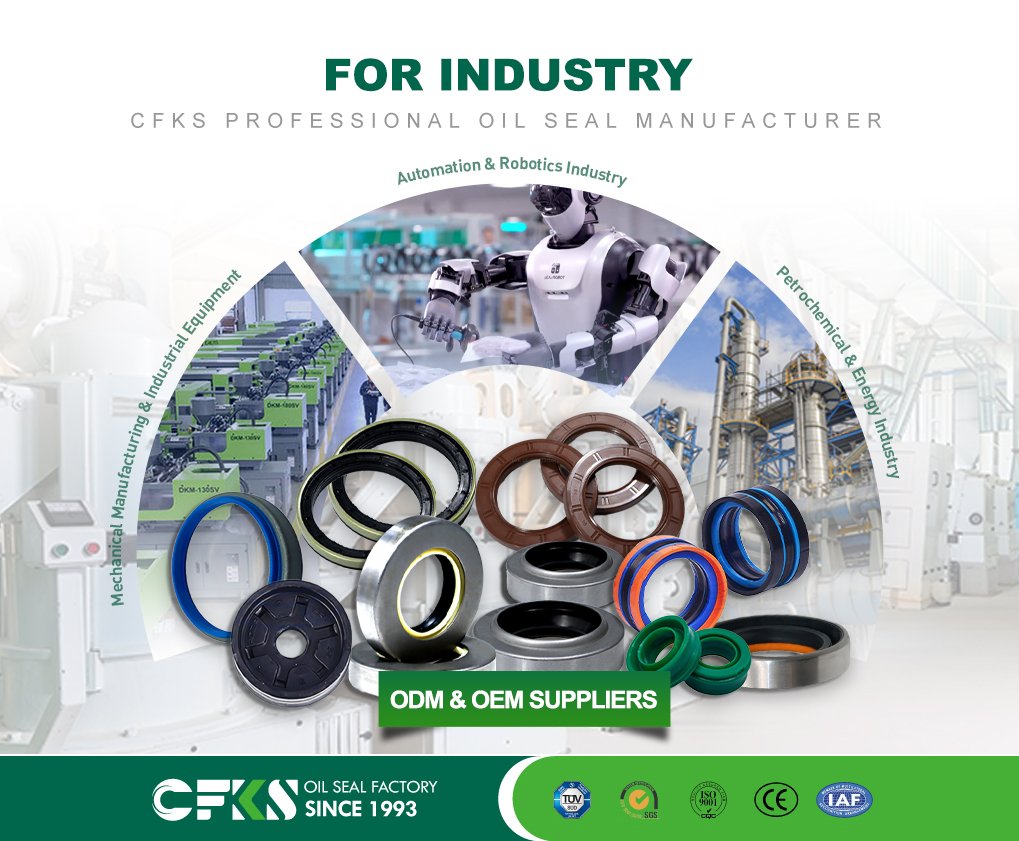
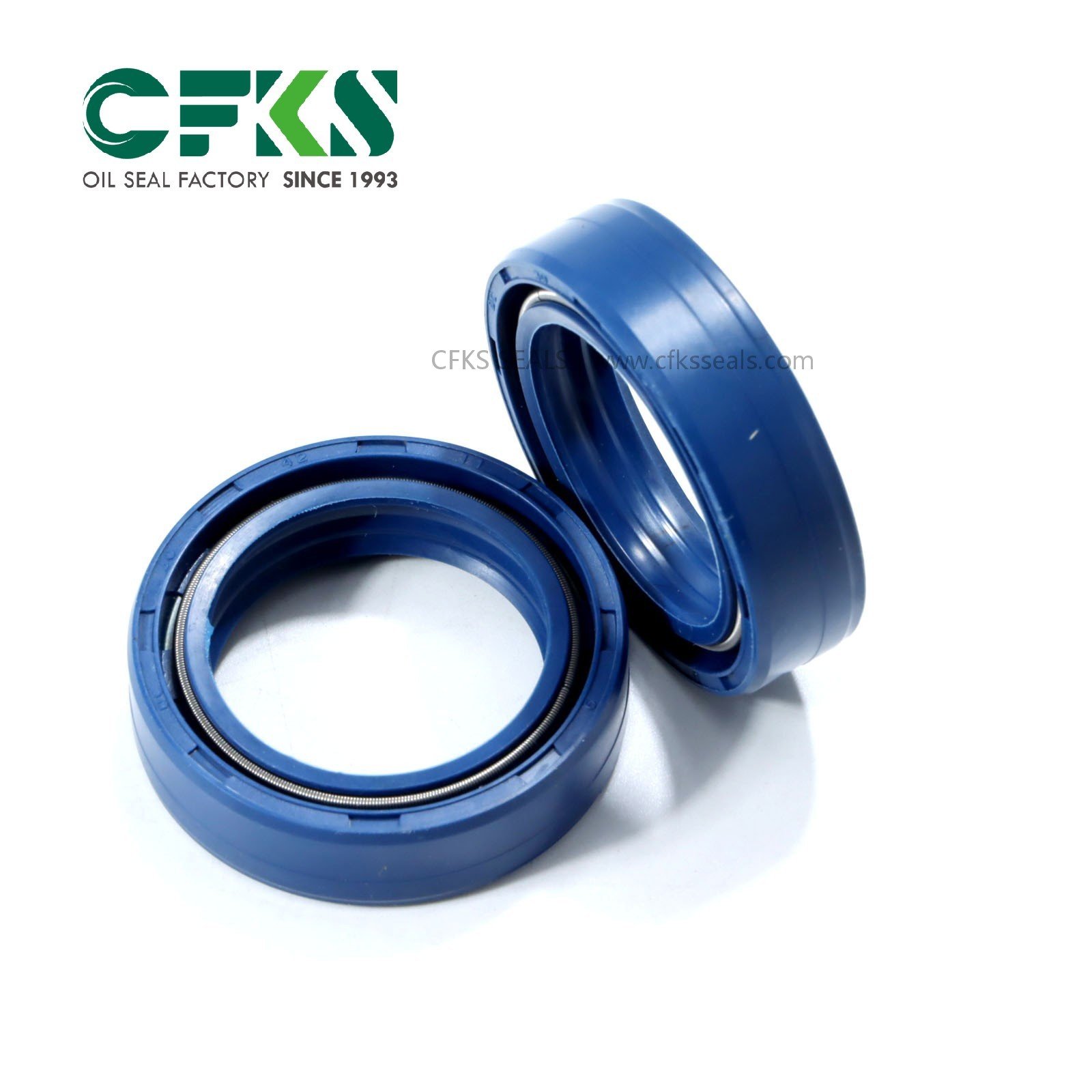
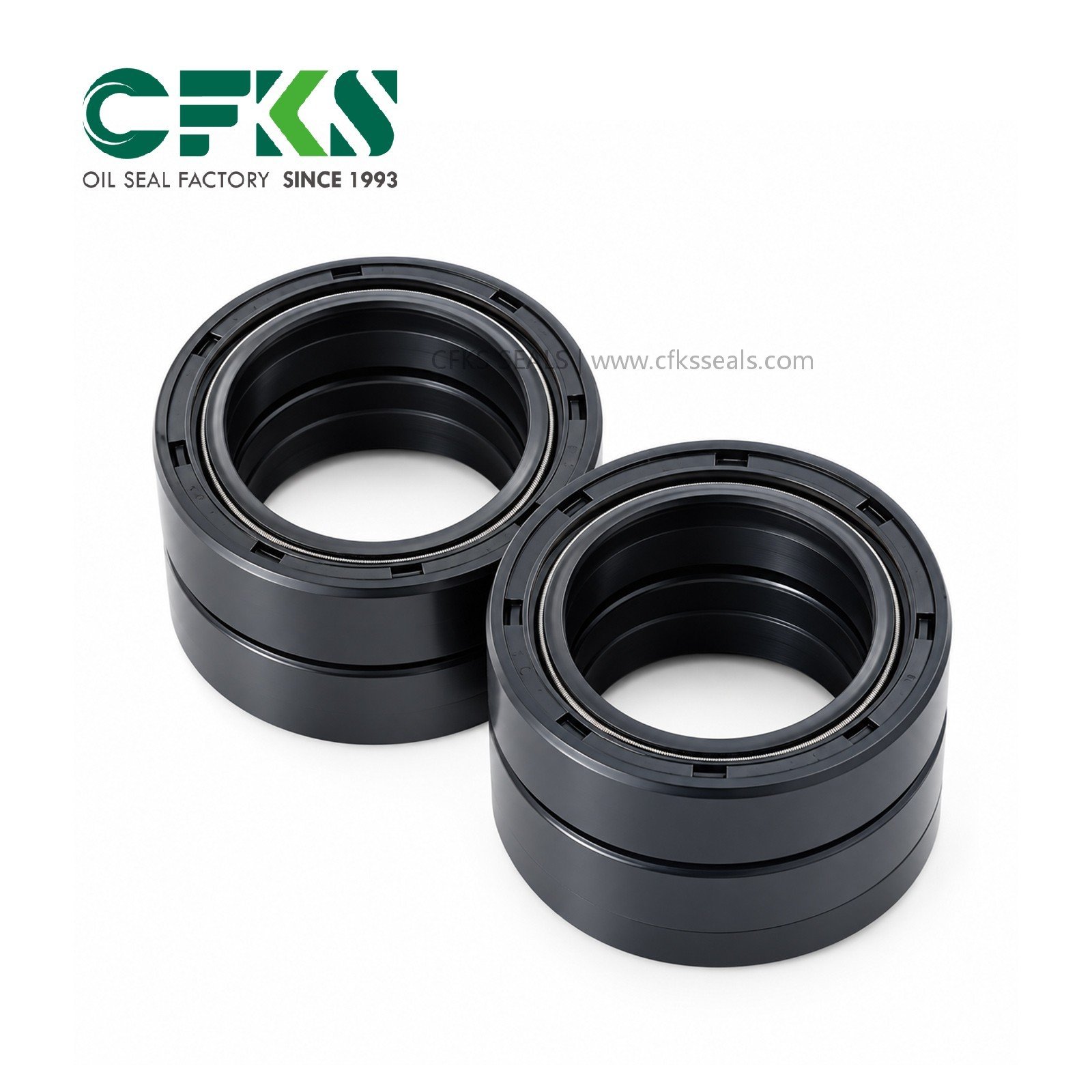
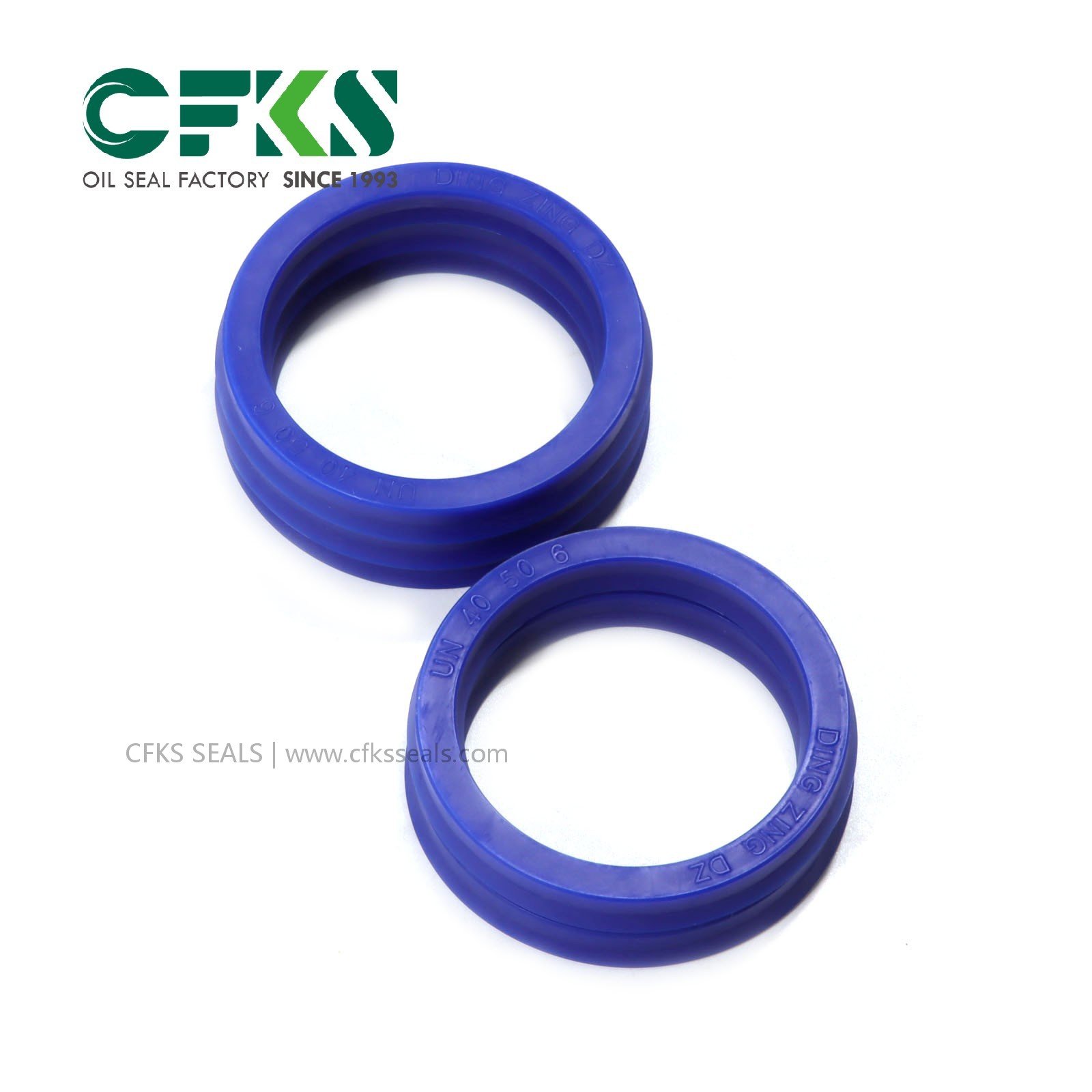
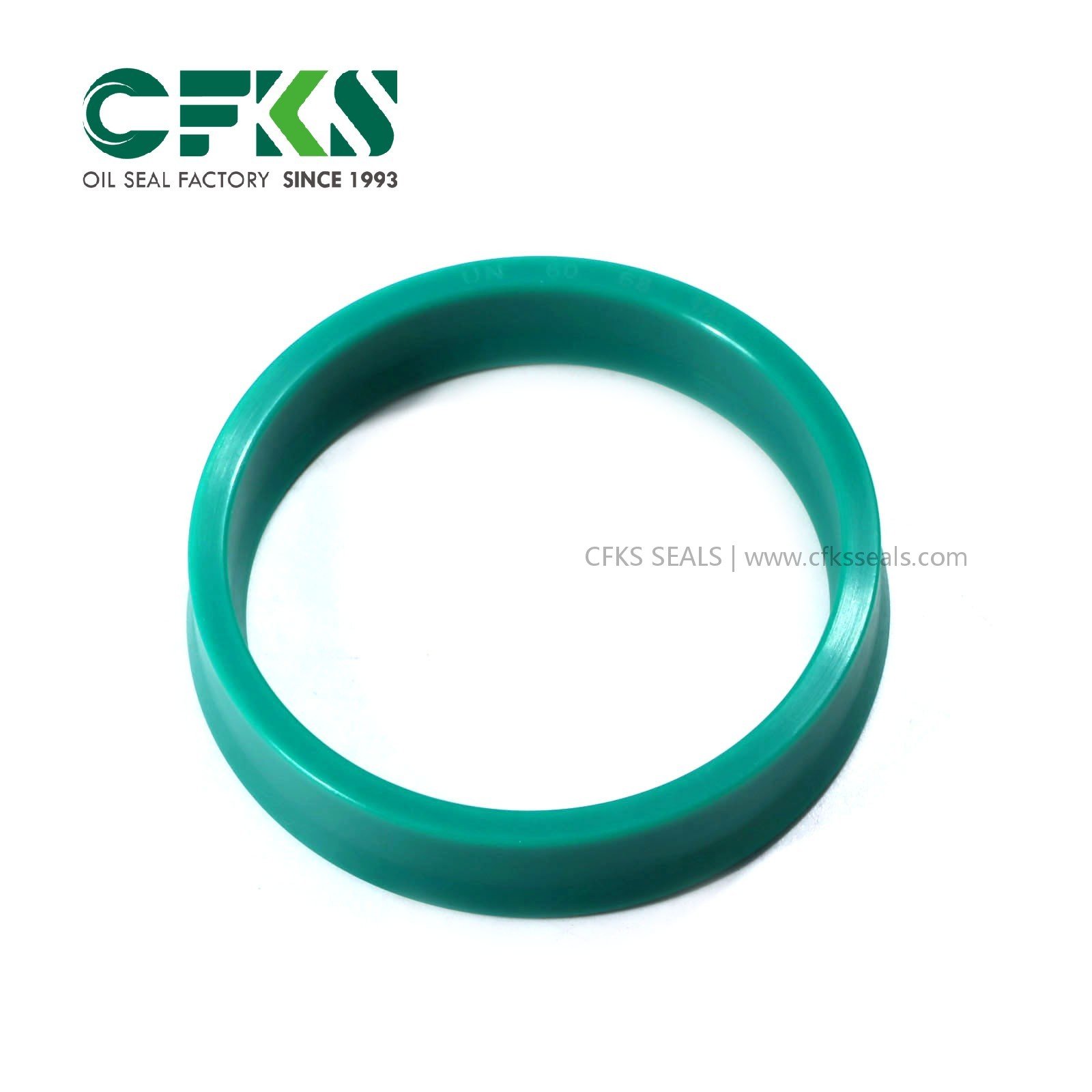
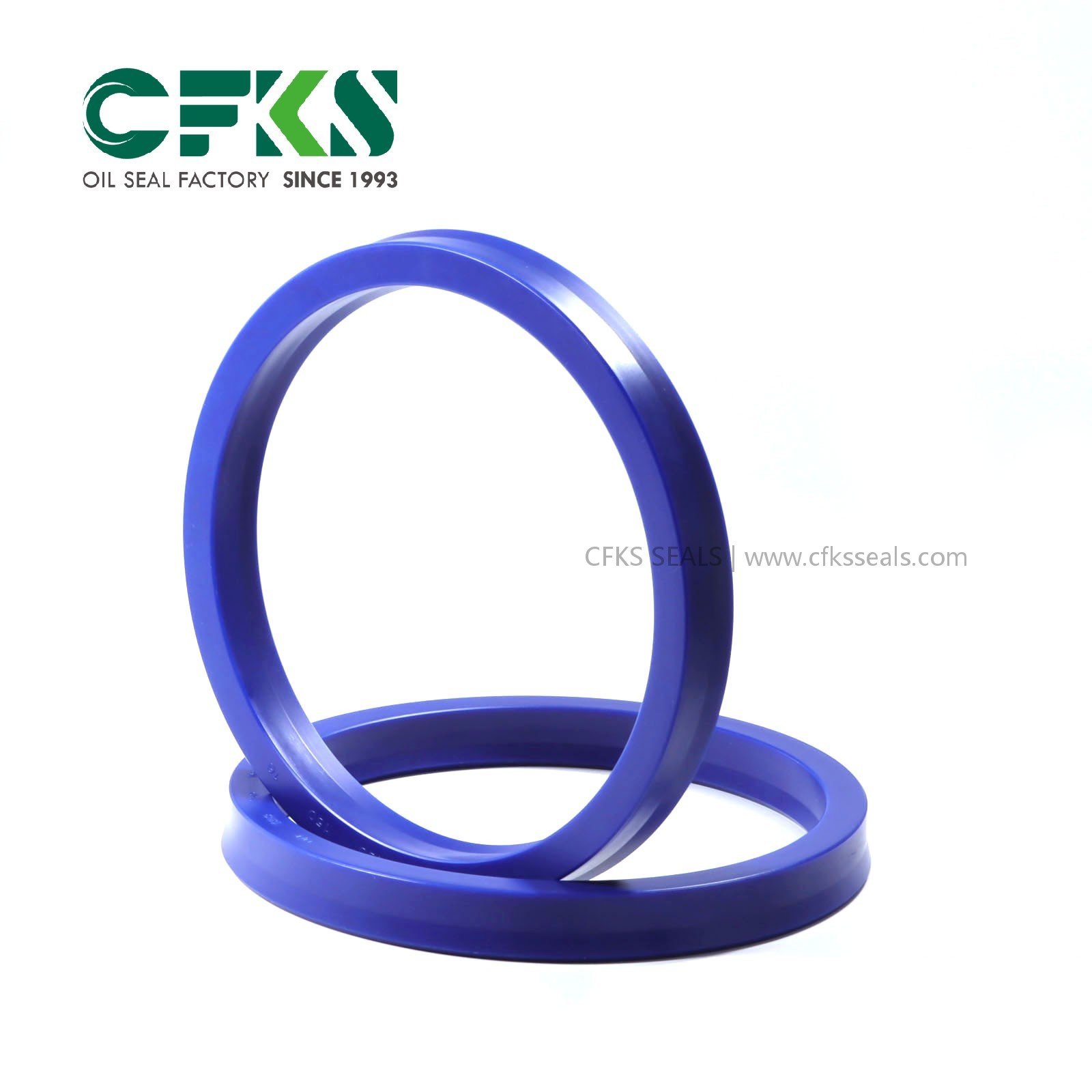
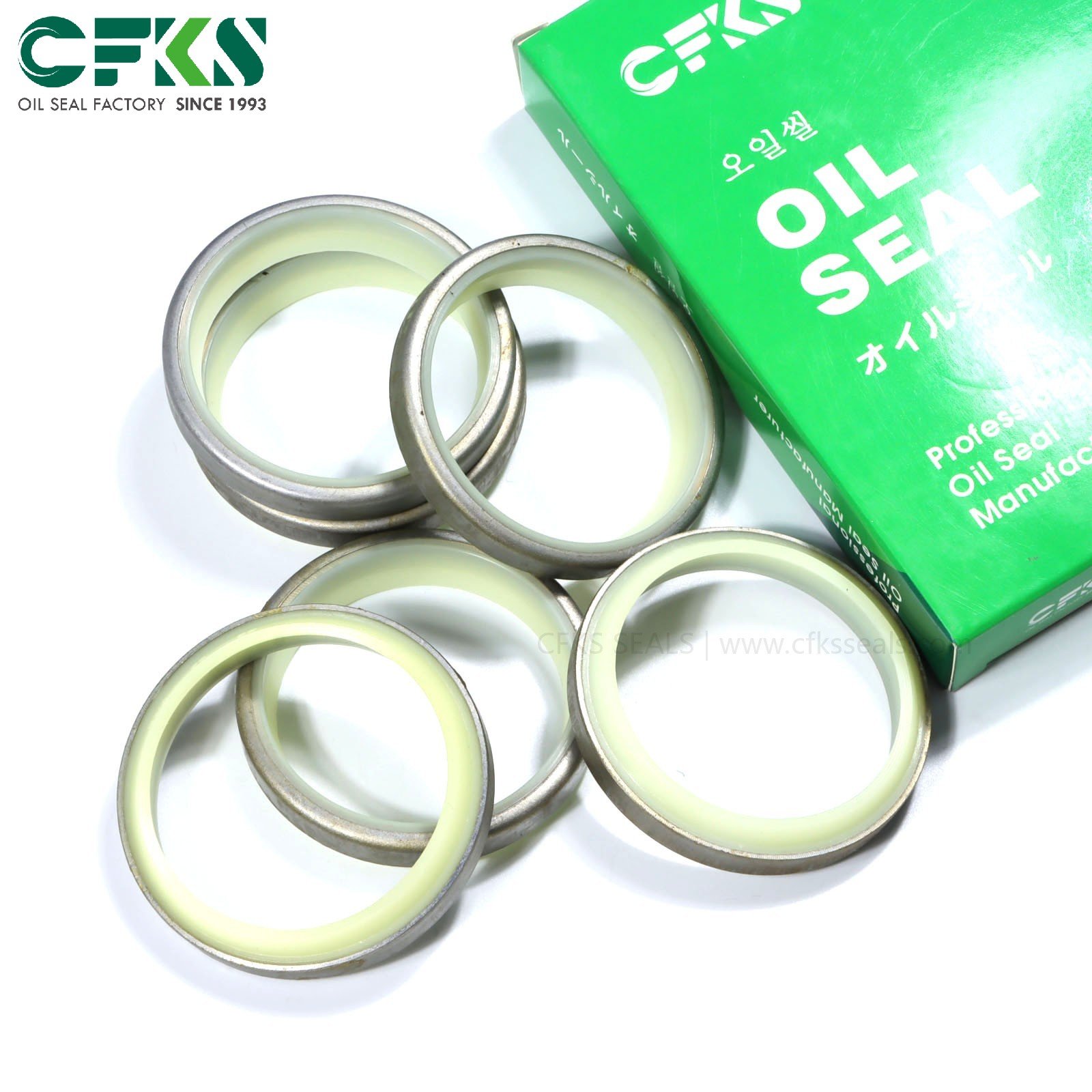
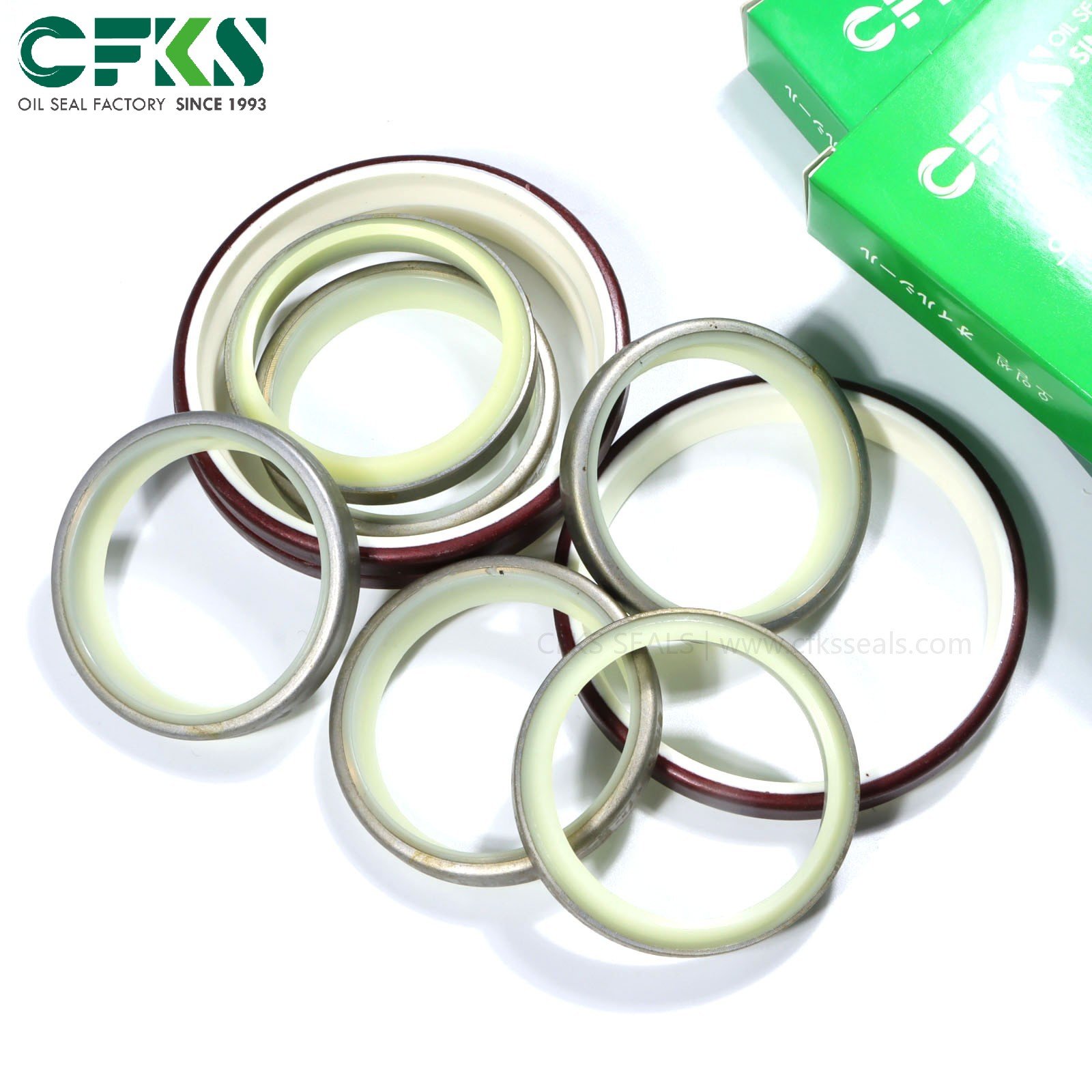
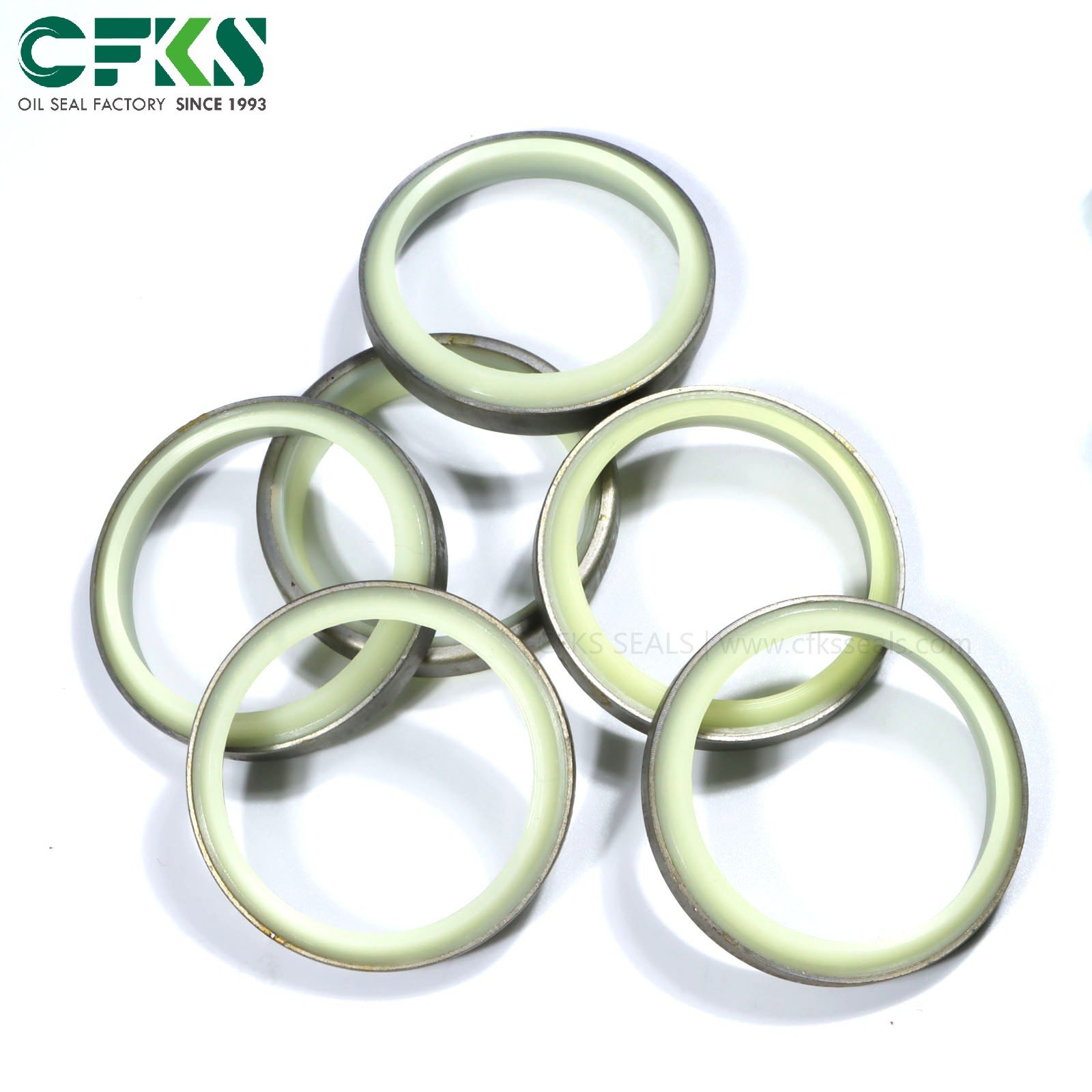
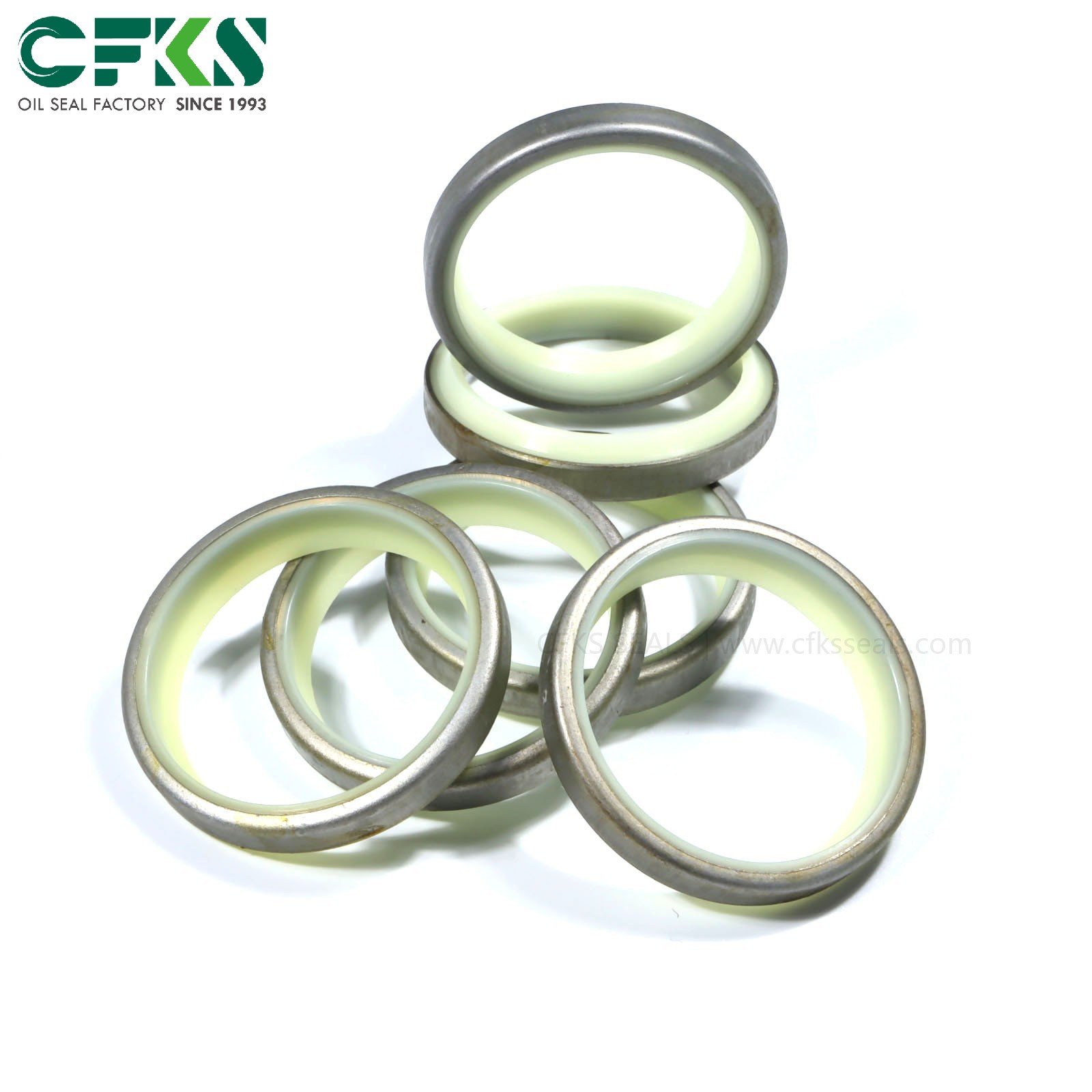
CFKS NBR GA Oil Seal 45*55*7/10 Hydraulic GA Rod Seal for Excavator Cylinder

The CFKS GA Rod Seal is engineered specifically for heavy-duty excavator hydraulic cylinders, providing a robust barrier that contains pressurized fluid while effectively excluding contaminants from the internal system. By utilizing advanced elastomer geometry, this seal ensures smooth piston rod oscillation and significantly extends the service life of your hydraulic components in the most demanding construction environments.

  • High-Pressure Integrity: Optimized lip design maintains a tight seal during peak hydraulic fluctuations.

  • Contaminant Exclusion: Superior scraping ability prevents external debris from damaging the rod surface.

  • Precision Fit: Engineered to strict 45*55*7/10

Find your sealing solution with CFKS — contact us for a quote.
 

The GA profile serves as a primary rod seal in hydraulic applications, specifically designed to withstand the cyclic stress found in heavy machinery. Its functional principle relies on the interaction between the seal lip and the piston rod under variable pressure. When pressurized fluid enters the cylinder, it exerts force against the seal’s internal geometry, energizing the lip and forcing it against the rod surface. This creates a controlled contact patch that minimizes leakage while allowing a microscopic layer of oil to lubricate the movement, thereby reducing the coefficient of friction and preventing thermal degradation.

Material integrity is critical when dealing with hydraulic fluids and varying operating temperatures. Our standard GA seals utilize high-grade NBR, which offers excellent compatibility with mineral-based hydraulic oils and provides high resistance to compression set. For environments involving high-temperature spikes or aggressive chemical agents, we also offer FKM options, which retain structural elasticity and chemical resistance at temperatures exceeding 200°C. Careful selection between these elastomers ensures that the seal remains pliable rather than brittle, preventing the seal extrusion that typically leads to catastrophic hydraulic failure.

Proper installation is paramount to achieving the seal’s rated service life. The GA seal should be installed with the lip facing the pressure side to ensure it self-energizes correctly. During maintenance, avoid using sharp tools that could scratch the rubber lip, as even minute surface imperfections can lead to fluid bypass. Because the CFKS GA seal is designed for low-friction operation, it does not require significant pre-lubrication, though applying a thin film of clean system oil is recommended. Regular inspection of the rod surface for pitting or scoring is advised, as a damaged rod will accelerate wear on even the highest-quality elastomer.

Frequently Asked Questions (FAQ)

Why does my CFKS oil seal fail prematurely? Common causes and prevention tips2025-06-26T15:44:39+08:00

Premature oil seal failure can result from improper installation, poor shaft finish, incorrect material selection, or excessive pressure. To prevent this, ensure the shaft surface is smooth and within tolerance, use correct tools during installation, and choose seals made from materials compatible with your media and temperature.

How to correctly install a CFKS industrial oil seal to avoid leakage2025-06-26T16:04:32+08:00

Always clean the shaft and bore before installation. Use appropriate seal drivers to avoid deformation. Lubricate the lip before fitting to reduce friction during the first rotation. Ensure the seal is seated evenly and not tilted to avoid leaks.

What to do when your CFKS hydraulic seal is leaking under pressure2025-05-20T16:33:14+08:00

Check if the pressure exceeds the seal’s rated limit. Examine for wear, hardening, or improper installation. Replace the seal if damaged, and consider upgrading to a high-pressure CFKS seal variant. Also, verify that the housing and shaft are properly aligned.

How to choose the right CFKS oil seal for extreme operating environments2025-05-20T16:34:39+08:00

For high temperatures, aggressive chemicals, or abrasive environments, choose CFKS seals made of FKM, PTFE, or high-performance elastomers. Consider using seals with protective dust lips or metal casing. Our team can recommend the best fit for your application.

MESSAGE

Go to Top