Sealing Excellence, Securing Industry

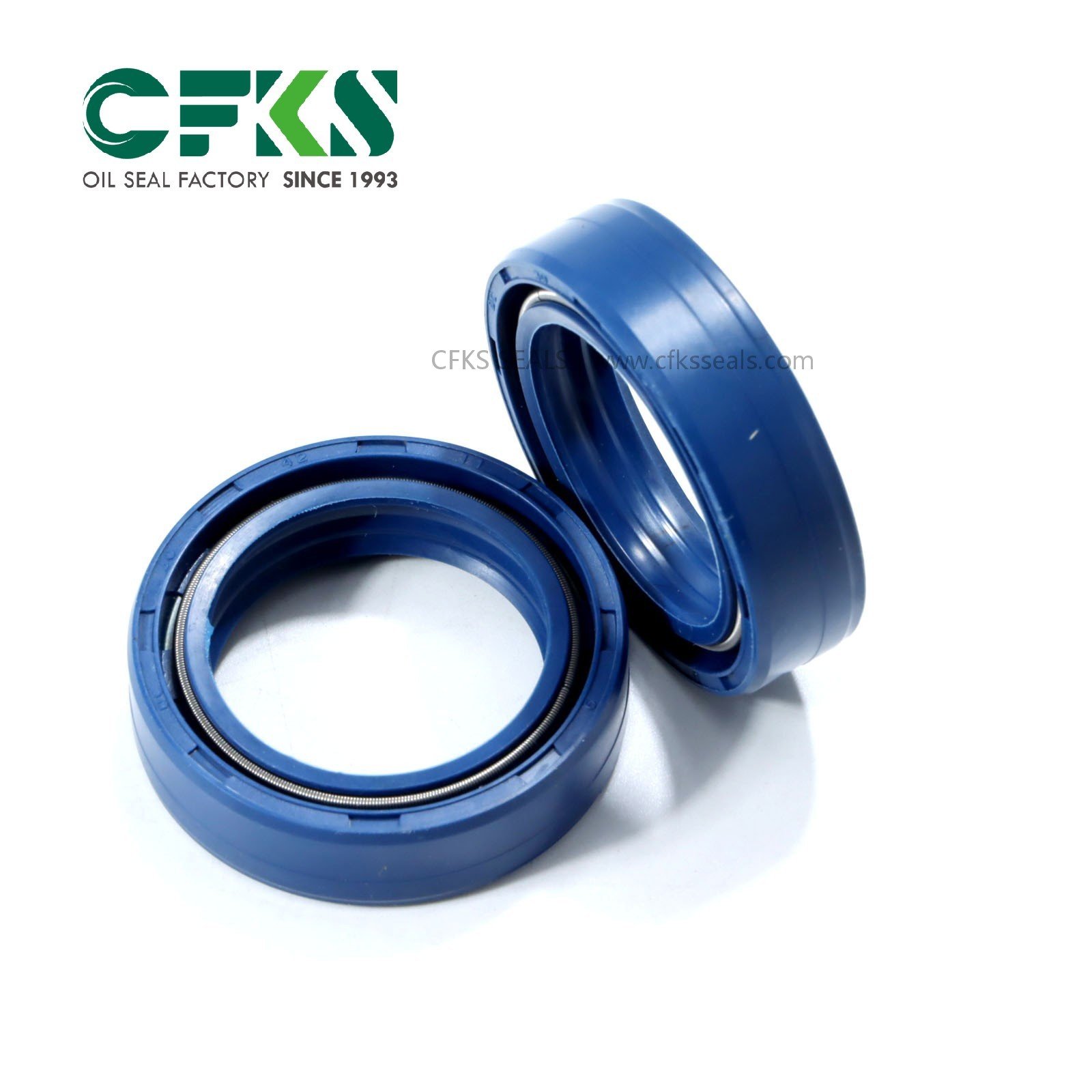
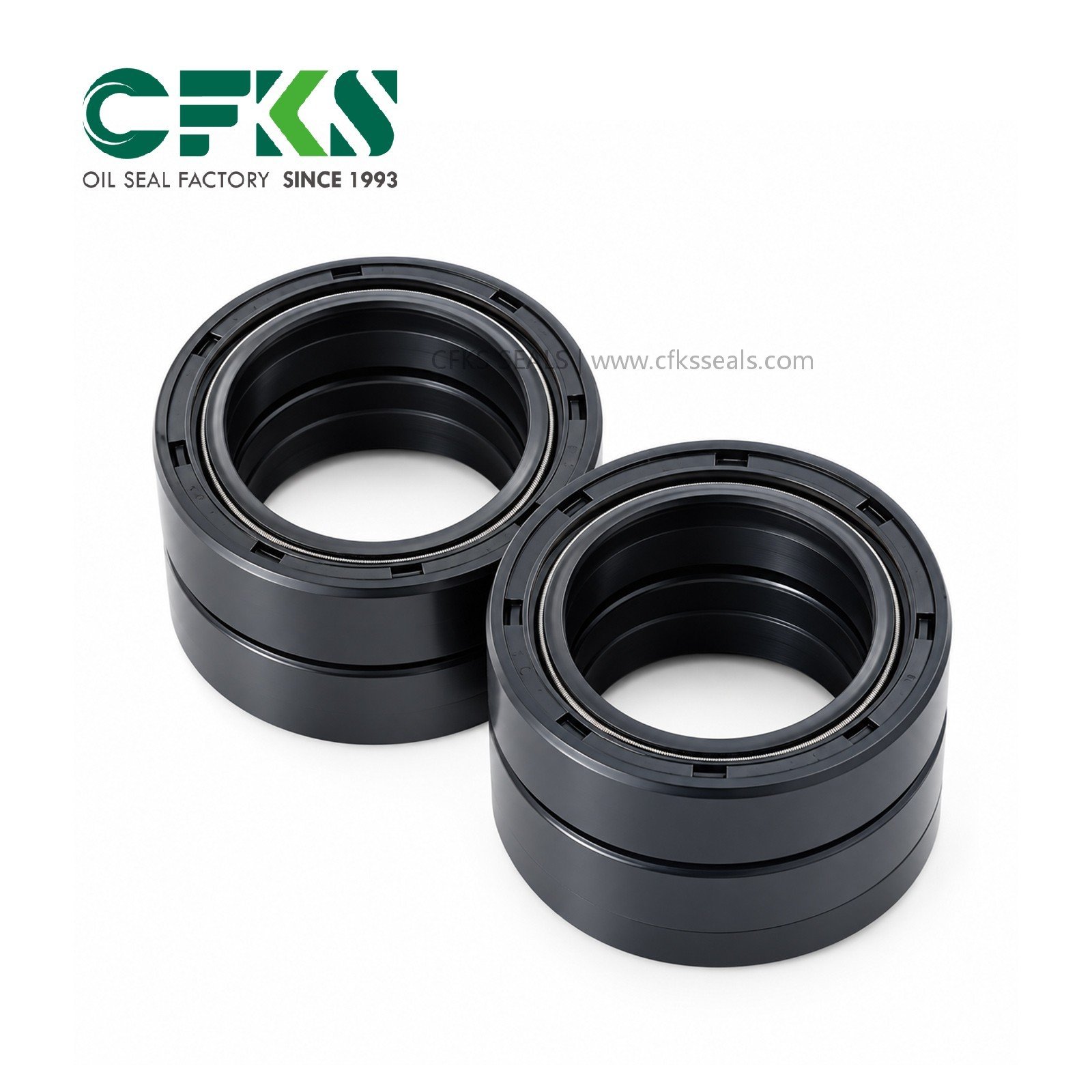
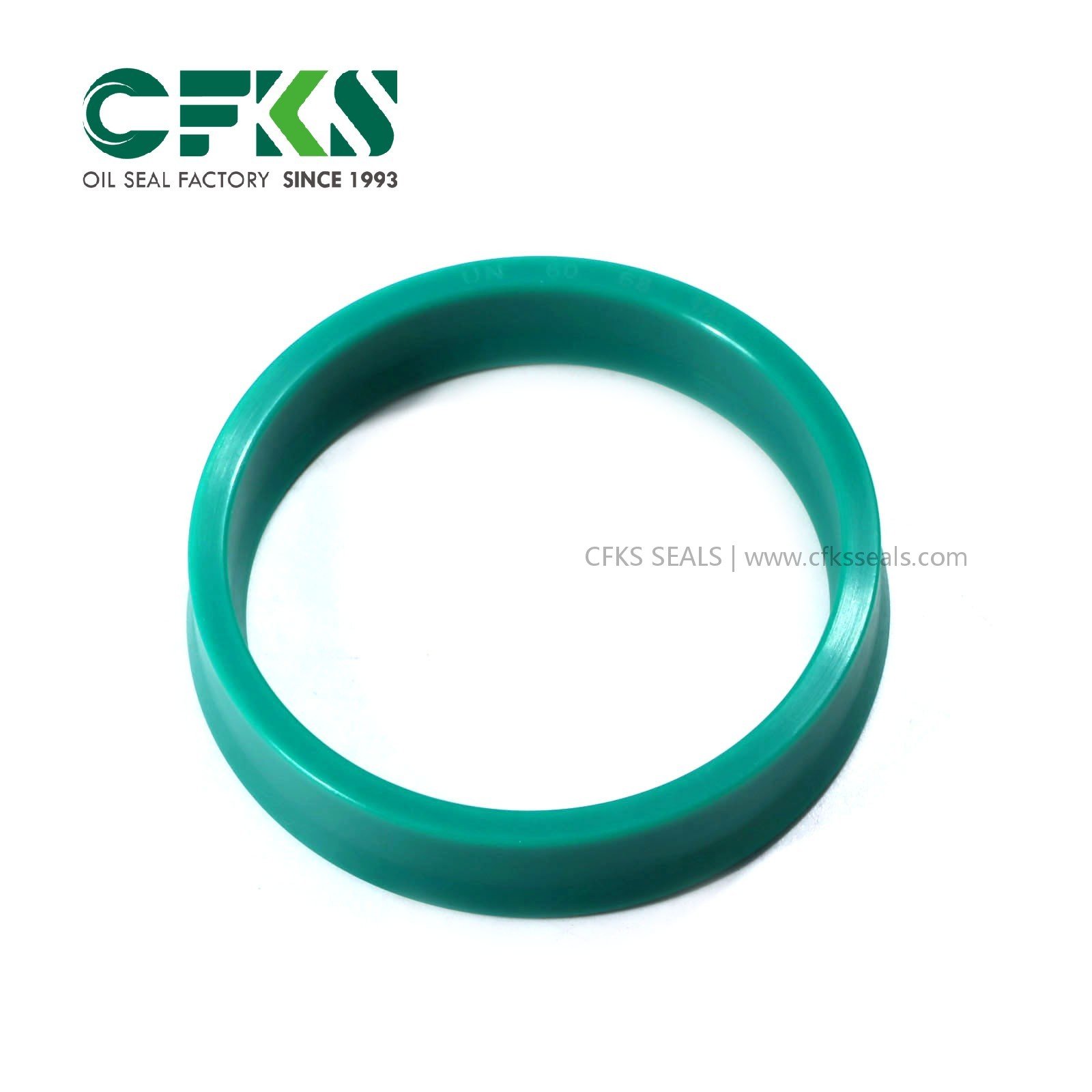
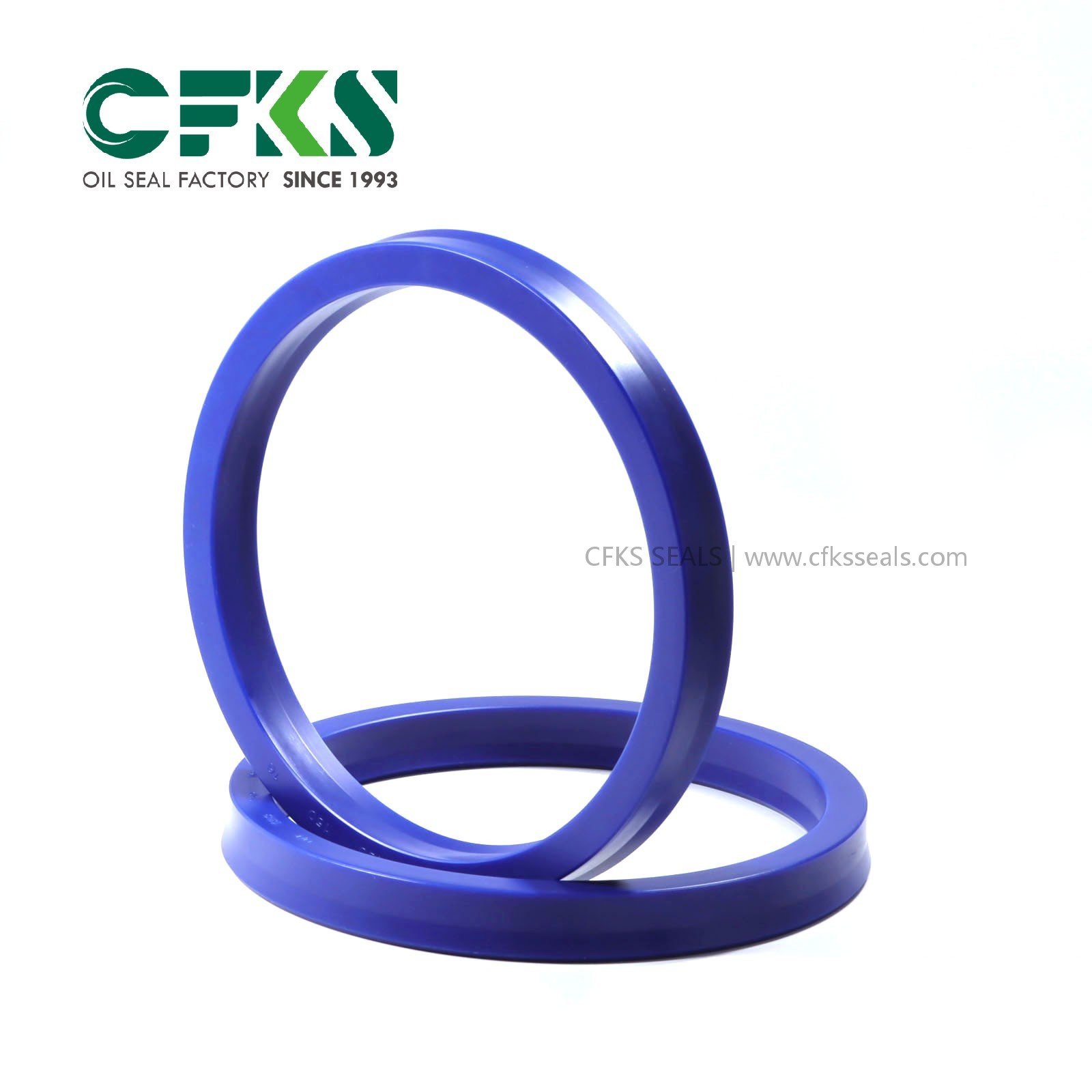
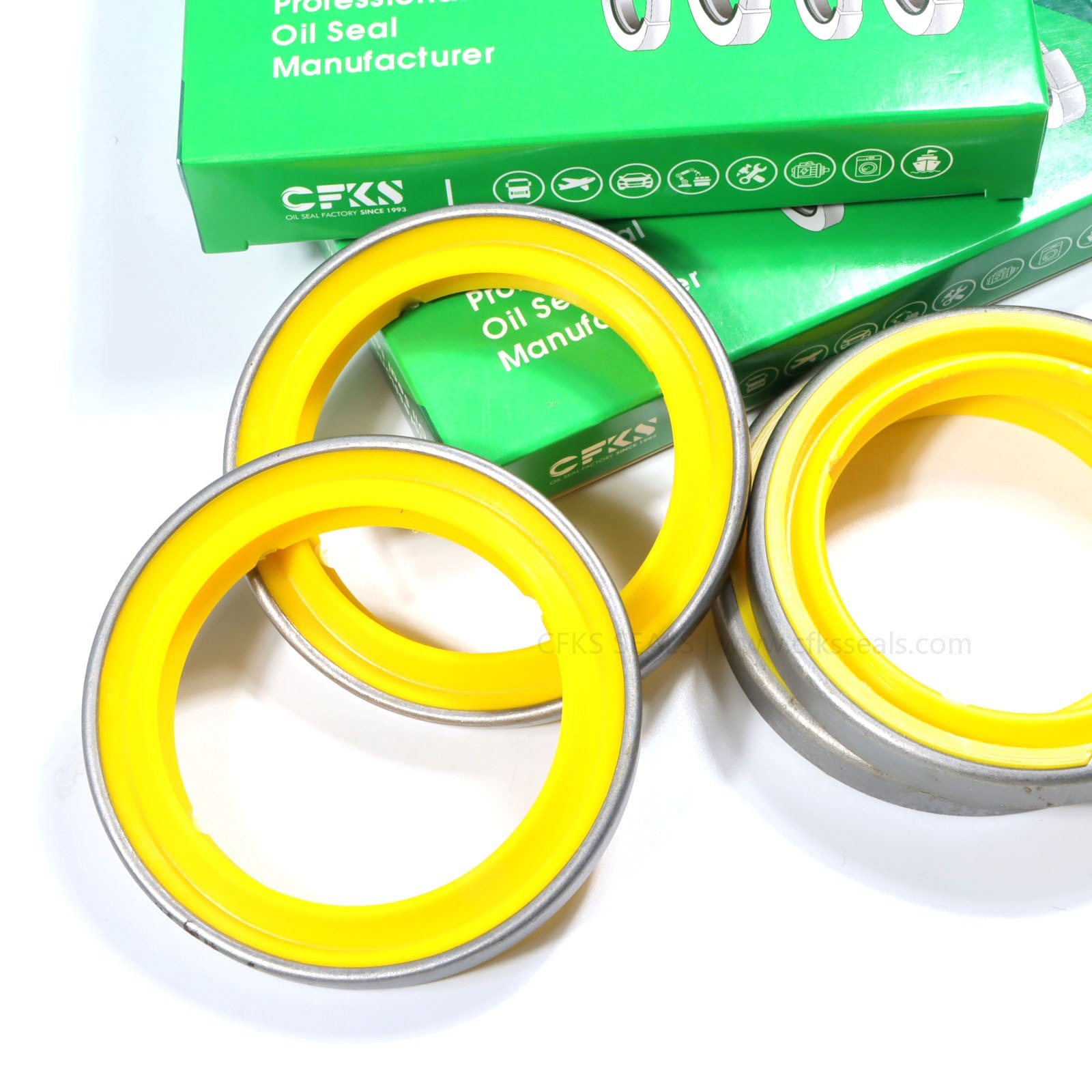
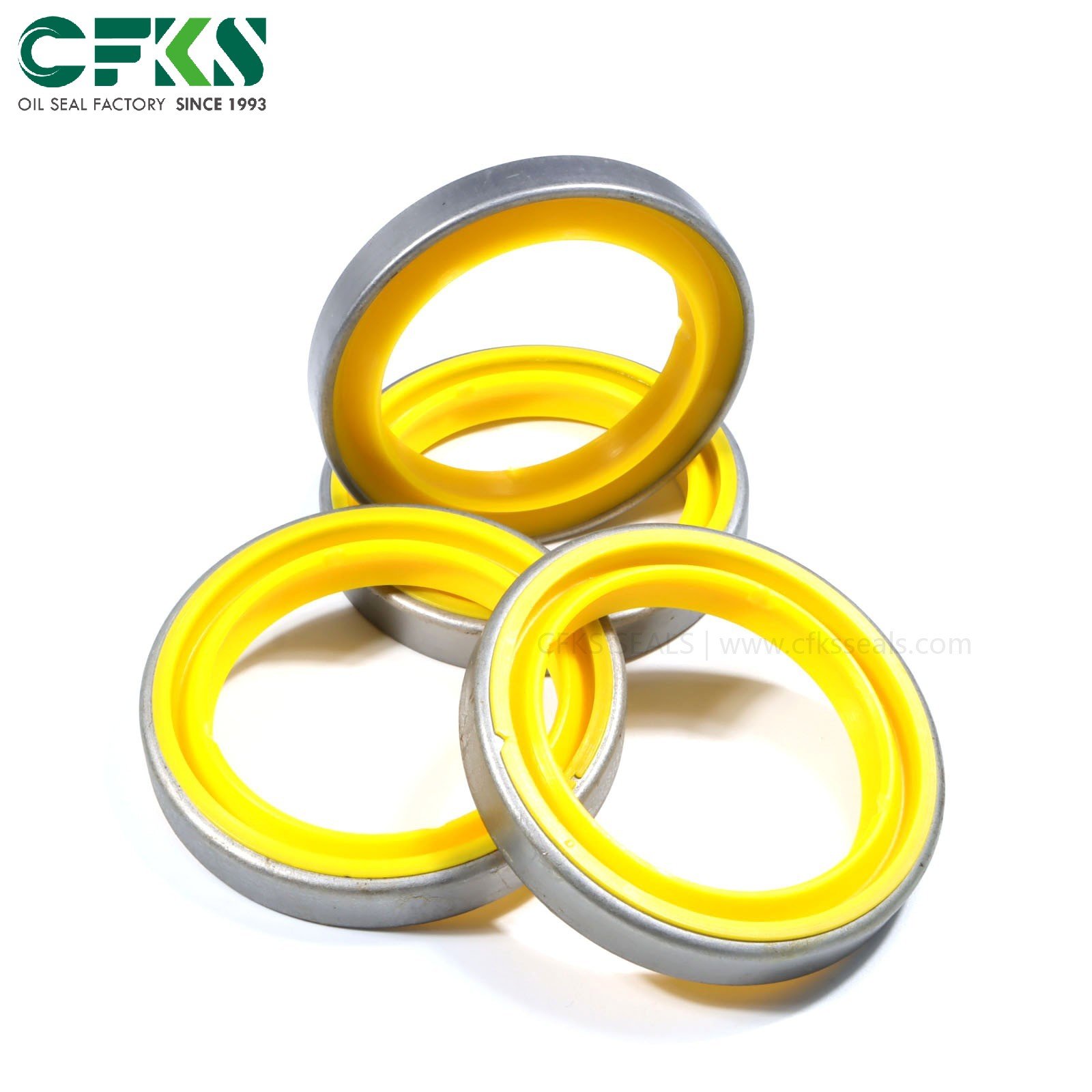
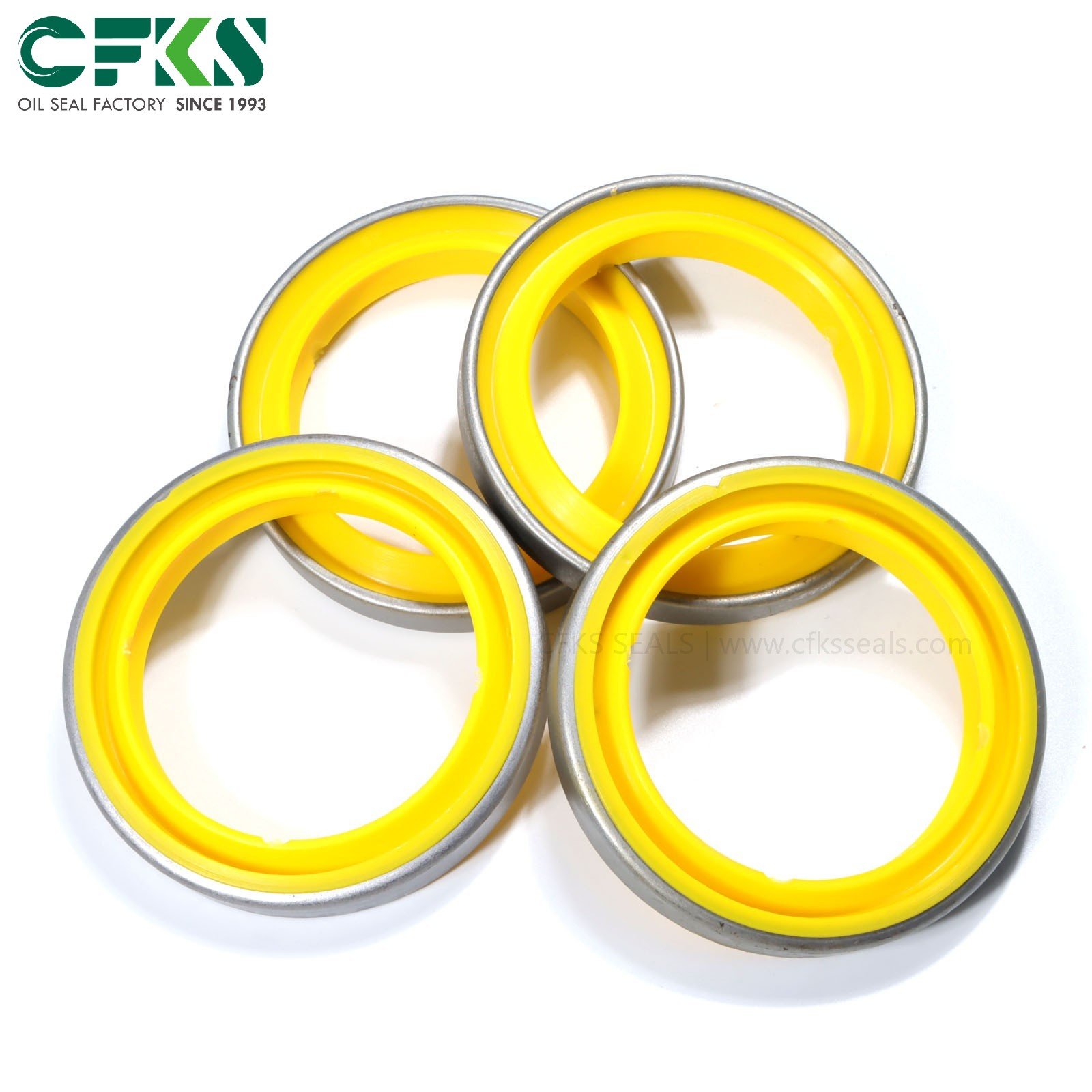
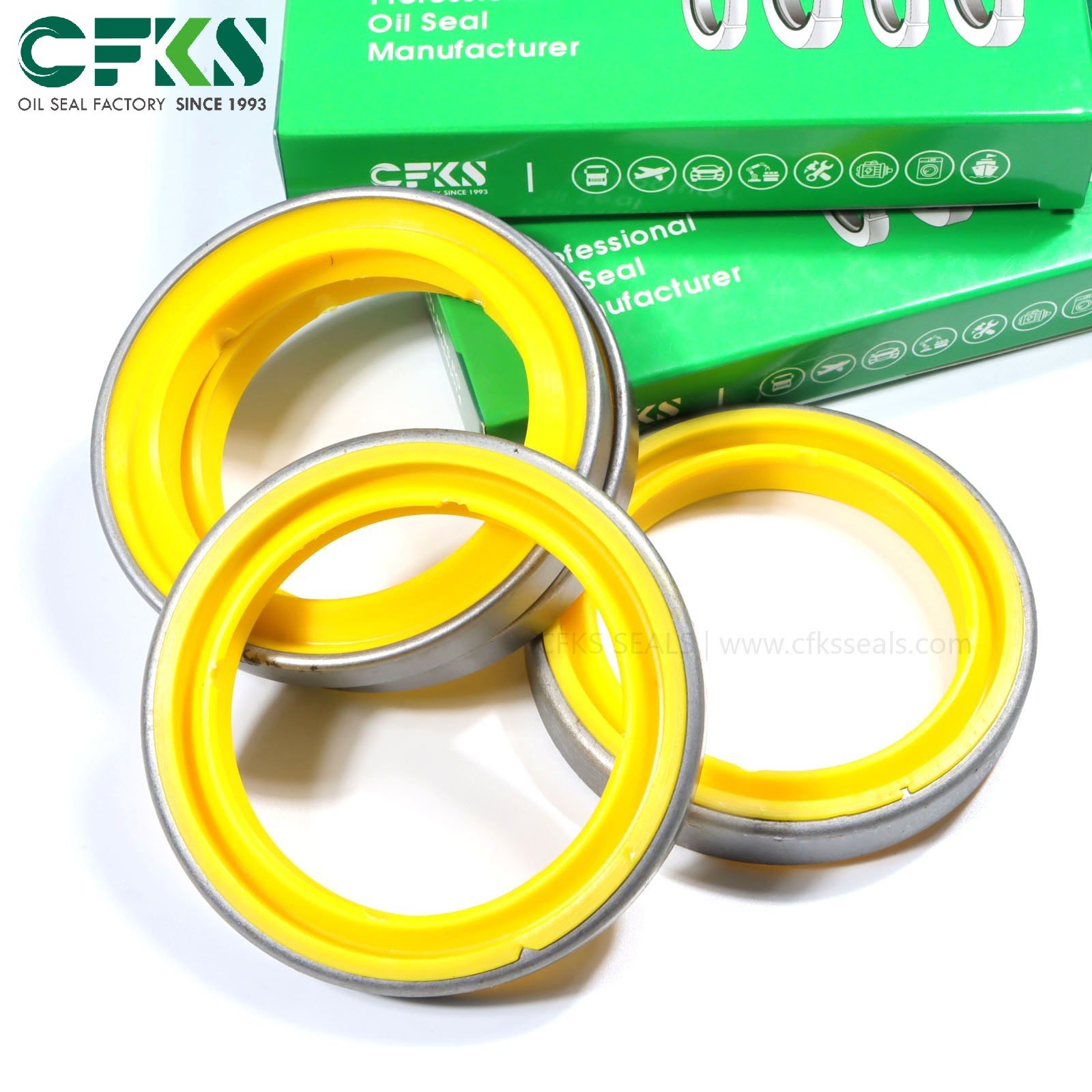
CFKS DWI Double Lip Seal 57.15*76.2*11 FKM DWI Rotary Oil Seal for Hydraulic Pump

Engineered specifically for high-pressure hydraulic pump applications, the CFKS DWI double lip seal provides superior fluid containment and external contamination exclusion. Its precision-molded FKM construction maintains consistent radial force against the shaft, preventing leakage even under aggressive fluid exposure and extreme operational temperatures, thereby maximizing equipment uptime and reducing maintenance frequency.

  • Dual-lip geometry for optimized pressure balance and contamination exclusion.

  • Premium FKM elastomer for enhanced chemical compatibility and thermal stability.

  • Precision manufacturing 57.15*76.2*11 ensuring a perfect seal interface and long service life.

Find your sealing solution with CFKS — contact us for a quote.
Property Specification Property Specification
Product Name CFKS DWI Rotary Seal Specification 57.15*76.2*11
Material FKM Feature High Pressure & Wear Resistant
Hardness 70-85 Shore A Type DWI Double Lip Rotary Seal
Work Temp -20℃ to 220℃ Usage Hydraulic Pump, Motor, Gearbox, Axle, Shaft


The DWI configuration is designed to address the complex tribological challenges of hydraulic rotary equipment. Unlike a standard single-lip seal, the DWI design utilizes a primary lip to retain the pressurized hydraulic fluid while a secondary dust lip excludes particulates. The sealing interface relies on controlled radial load and elastomeric memory to maintain a stable oil film between the lip and the rotating shaft. This film is crucial—it acts as a lubricant to prevent friction-induced heat, while the specific lip geometry uses centrifugal force dynamics to direct any micro-leakage back into the pressure chamber, ensuring a dry-running seal environment.

In hydraulic systems where fluid chemistry and temperature spikes are constant variables, material selection is paramount. While NBR is adequate for standard low-temperature applications, our DWI seals utilize high-grade FKM. FKM offers superior cross-linking density, providing exceptional resistance to synthetic hydraulic fluids, mineral oils, and aggressive additives that often degrade standard elastomers. This material ensures that the seal maintains its structural integrity and “spring-back” capabilities across a wide operating range, effectively mitigating the risk of seal hardening or swelling that leads to premature failure.

Achieving maximum seal life requires meticulous attention to the installation environment. The CFKS DWI seal is designed for interference fit, ensuring a static seal on the outer diameter and a dynamic seal on the inner lip. During installation, it is imperative to use a uniform press tool to prevent damage to the elastomeric lip profile or the metal casing. Because of the FKM material’s high abrasion resistance, these seals are well-suited for systems with minor shaft eccentricity. To ensure longevity, always verify that the shaft surface finish is smooth and free of axial scratches, which could otherwise create bypass paths for the pressurized medium.

Frequently Asked Questions (FAQ)

Why does my CFKS oil seal fail prematurely? Common causes and prevention tips2025-06-26T15:44:39+08:00

Premature oil seal failure can result from improper installation, poor shaft finish, incorrect material selection, or excessive pressure. To prevent this, ensure the shaft surface is smooth and within tolerance, use correct tools during installation, and choose seals made from materials compatible with your media and temperature.

How to correctly install a CFKS industrial oil seal to avoid leakage2025-06-26T16:04:32+08:00

Always clean the shaft and bore before installation. Use appropriate seal drivers to avoid deformation. Lubricate the lip before fitting to reduce friction during the first rotation. Ensure the seal is seated evenly and not tilted to avoid leaks.

What to do when your CFKS hydraulic seal is leaking under pressure2025-05-20T16:33:14+08:00

Check if the pressure exceeds the seal’s rated limit. Examine for wear, hardening, or improper installation. Replace the seal if damaged, and consider upgrading to a high-pressure CFKS seal variant. Also, verify that the housing and shaft are properly aligned.

How to choose the right CFKS oil seal for extreme operating environments2025-05-20T16:34:39+08:00

For high temperatures, aggressive chemicals, or abrasive environments, choose CFKS seals made of FKM, PTFE, or high-performance elastomers. Consider using seals with protective dust lips or metal casing. Our team can recommend the best fit for your application.

MESSAGE

Go to Top