Sealing Excellence, Securing Industry

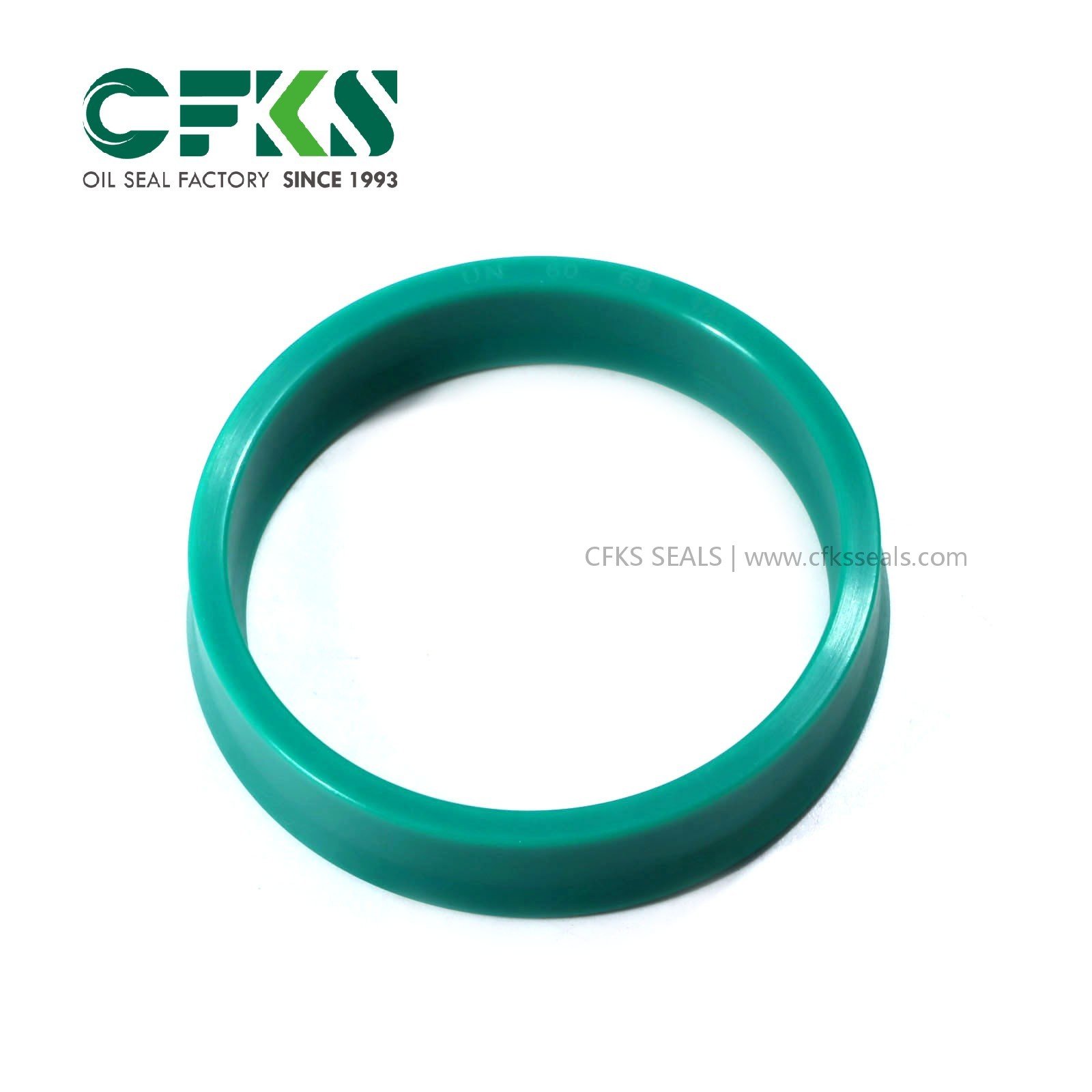
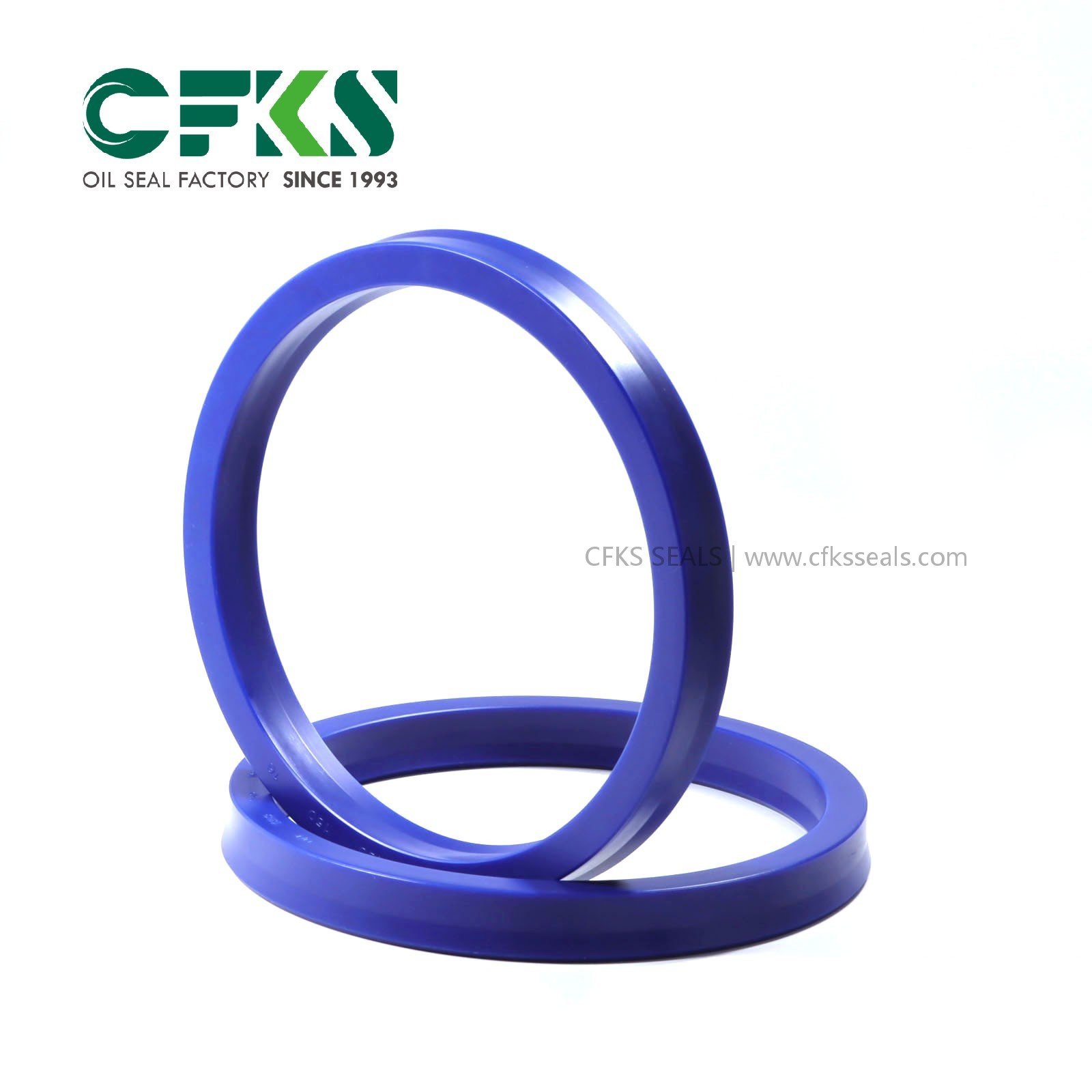
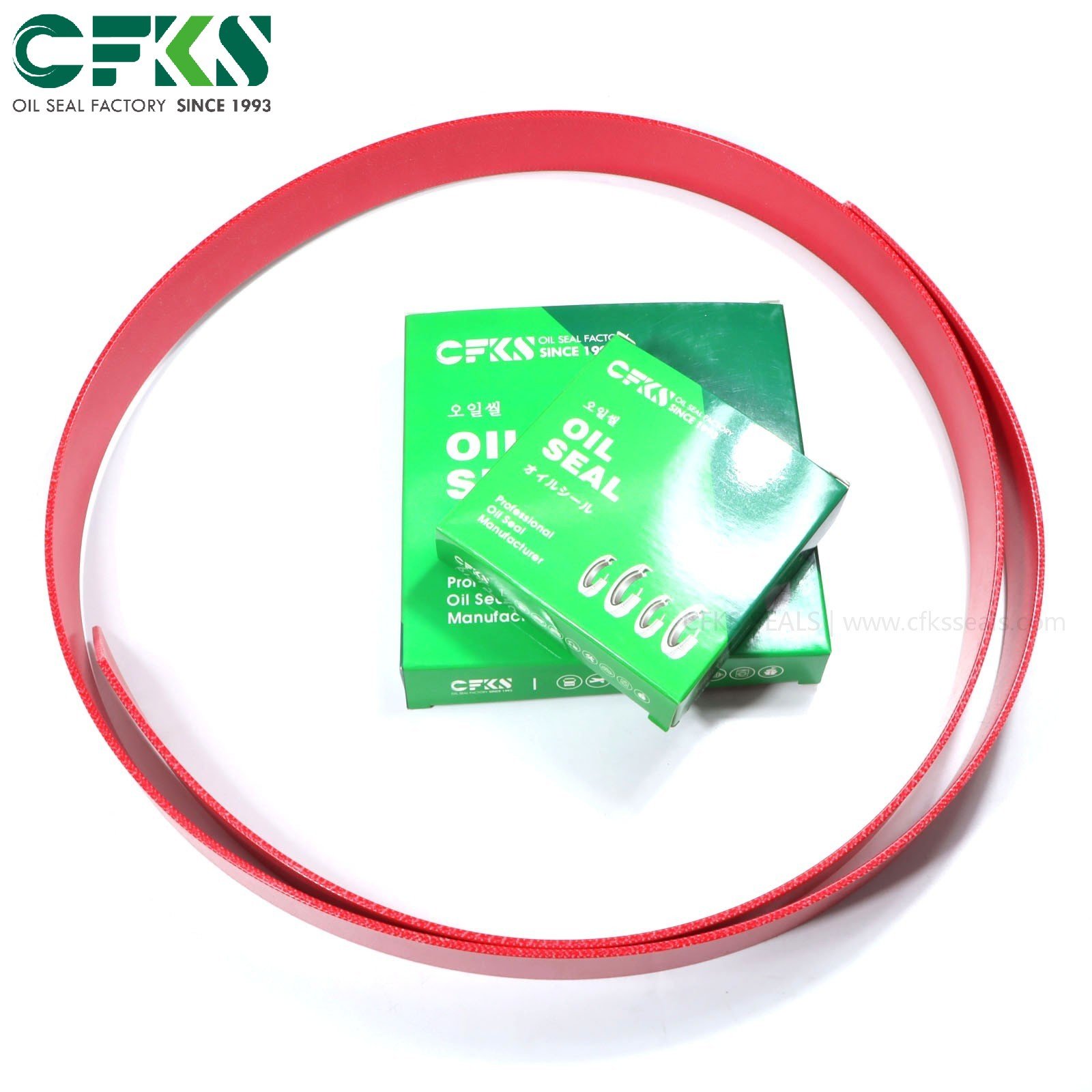
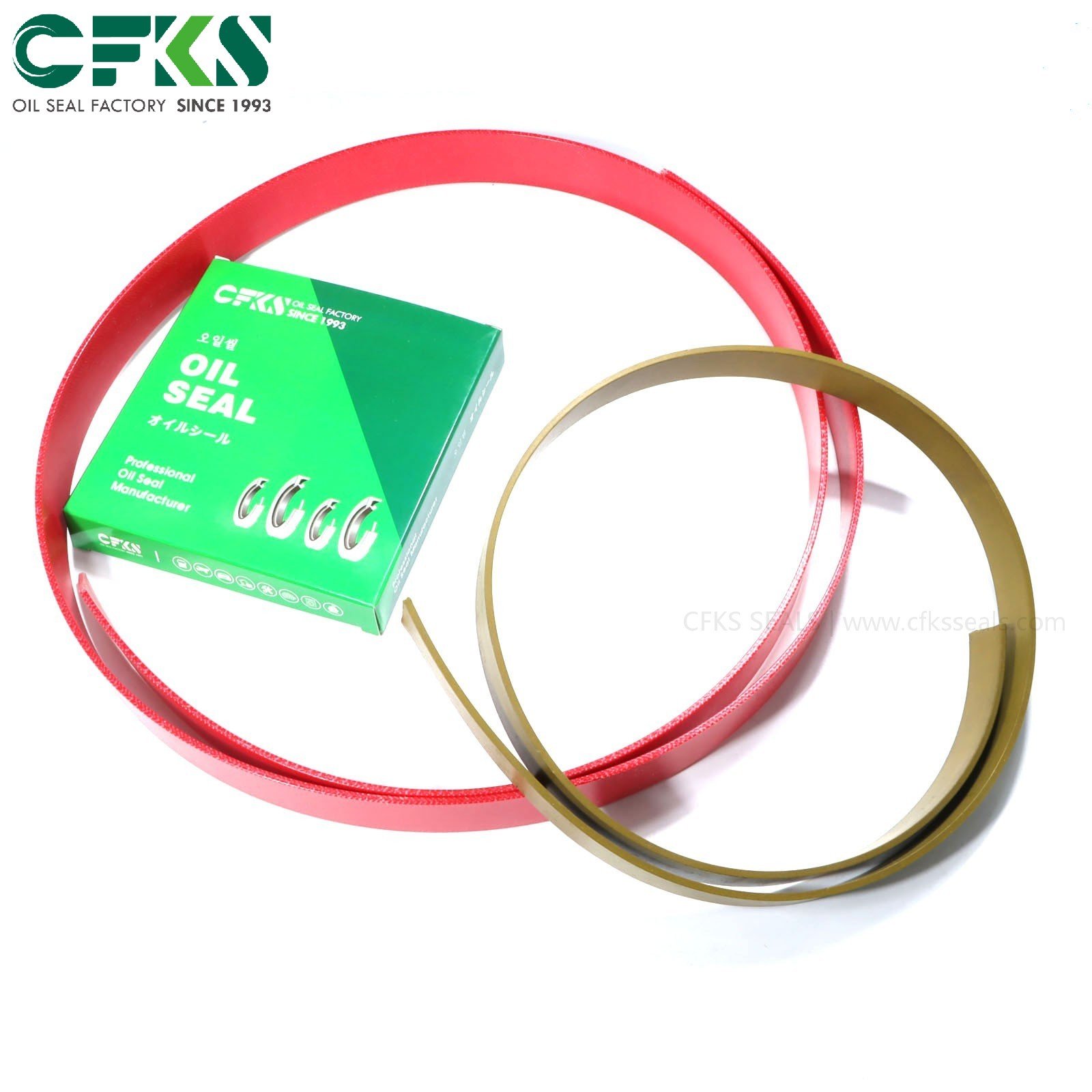
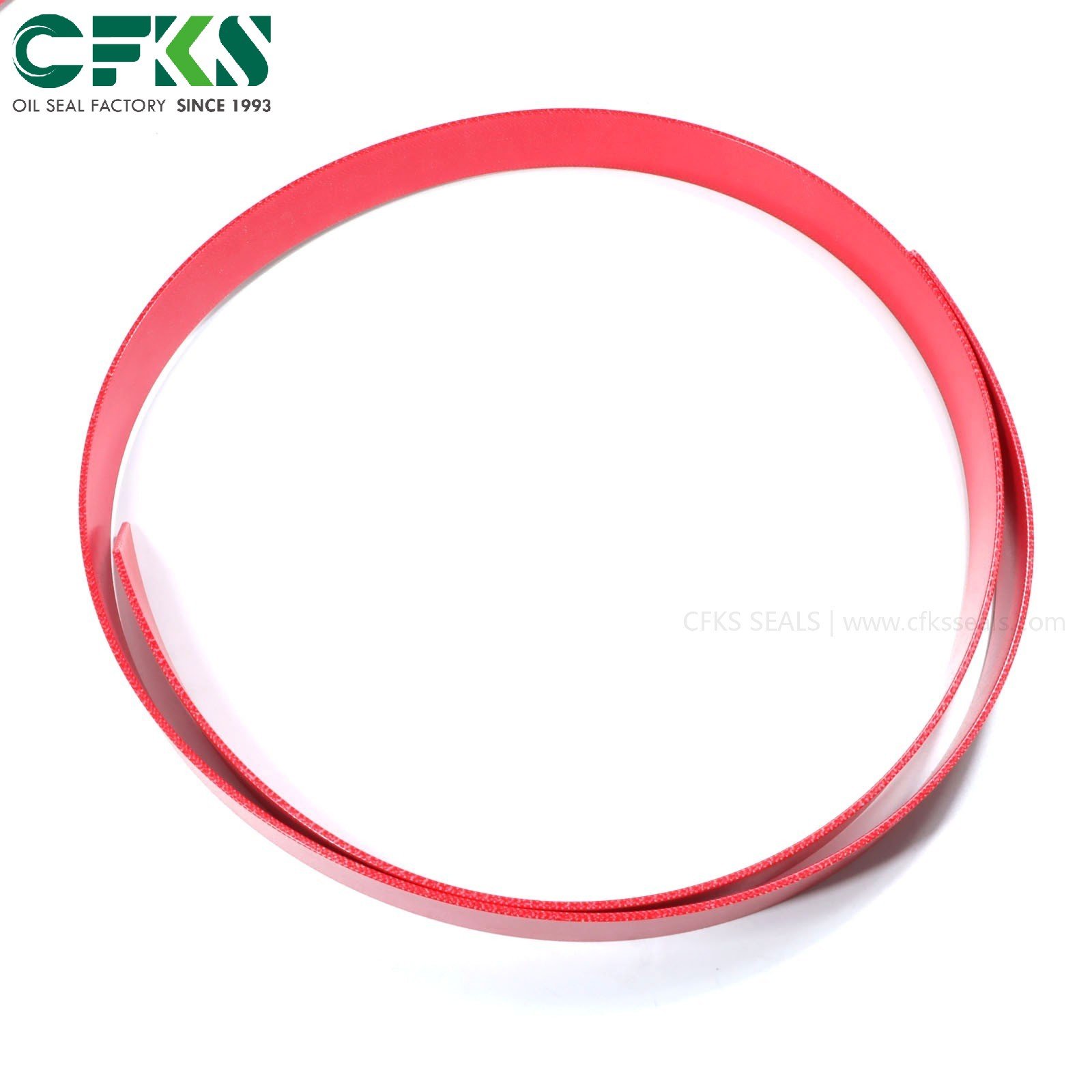
CFKS Wear Resistant PTEF Guide Ring Cylinder Wear Ring Heavy Duty Piston Guide Strip

Engineered for high-load hydraulic and pneumatic cylinders, the CFKS heavy-duty piston guide strip acts as a high-precision sacrificial bearing that prevents metal-to-metal contact between the piston and the cylinder bore. This wear ring is designed to absorb severe radial forces and guarantee perfect linear alignment, protecting your primary seals from uneven wear.

  • High-Modulus PTFE Compound: Reinforced with bronze or carbon filler to eliminate cold flow and resist heavy radial compression without deformation.

  • Anti-Scoring & Low Friction: Drastically lowers the stick-slip effect and breakout torque, ensuring smooth stroke progression at velocities up to 15 m/s.

  • Fluid & Thermal Resilience: Chemically inert construction maintains complete structural integrity across broad thermal ranges and aggressive synthetic fluids.

Find your sealing solution with CFKS — contact us for a quote.
Product Name: Piston Guide Strip / Wear Ring Specification: Standard ISO & Custom Sizes
Material: Filled PTFE (Bronze/Carbon) / PU Feature: High Load Capacity, Anti-Scoring
Work Temperature: -50℃ to 200℃ Usage: Excavators, Presses, Cranes, Rams, Cylinders
Hardness: 60 – 75 Shore D Type: Slotted Strip / Pre-Cut Ring


The CFKS hydraulic guide ring operates on the principle of precise radial load distribution within linear reciprocating systems. Acting as a sacrificial bearing surface, it absorbs the substantial side-loads exerted on the excavator cylinder’s piston and rod. By maintaining strict axial alignment, the wear ring prevents misalignment-induced eccentric wear on the primary pressure seals. Its skive-cut (split) design allows for thermal expansion and fluid bypass, preventing pressure trapping while maintaining continuous, low-friction guidance throughout the entire stroke.


Material selection directly determines the service lifecycle of heavy-duty cylinders. CFKS utilizes advanced, sintered PTFE matrices blended with high-grade bronze or carbon-graphite reinforcement fibers to achieve optimal wear resistance and eliminate extrusion. Our formulations maintain excellent dimensional stability across volatile thermal profiles. Whether exposed to standard mineral oils, water-glycol emulsions, or highly aggressive synthetic lubricants, these compounds exhibit near-zero swelling and high load-bearing capacity. This prevents the material from yielding to cold flow, ensuring the guiding strip remains perfectly seated under continuous load.

Engineered for streamlined field maintenance, our piston guide strips are supplied with precision pre-cut joints (available in angle, straight, or step cuts) that allow for immediate snap-in installation into standard ISO grooves. The high flexibility of the PTFE compound means technicians can perform replacements quickly without requiring complex hydraulic stretching machinery or complete shaft disassembly. Furthermore, the self-lubricating properties of our filled-PTFE guarantee extended service intervals, protecting hard-chromed surfaces from abrasive scoring and significantly lowering total cost of ownership.

Frequently Asked Questions (FAQ)

Why does my CFKS oil seal fail prematurely? Common causes and prevention tips2025-06-26T15:44:39+08:00

Premature oil seal failure can result from improper installation, poor shaft finish, incorrect material selection, or excessive pressure. To prevent this, ensure the shaft surface is smooth and within tolerance, use correct tools during installation, and choose seals made from materials compatible with your media and temperature.

How to correctly install a CFKS industrial oil seal to avoid leakage2025-06-26T16:04:32+08:00

Always clean the shaft and bore before installation. Use appropriate seal drivers to avoid deformation. Lubricate the lip before fitting to reduce friction during the first rotation. Ensure the seal is seated evenly and not tilted to avoid leaks.

What to do when your CFKS hydraulic seal is leaking under pressure2025-05-20T16:33:14+08:00

Check if the pressure exceeds the seal’s rated limit. Examine for wear, hardening, or improper installation. Replace the seal if damaged, and consider upgrading to a high-pressure CFKS seal variant. Also, verify that the housing and shaft are properly aligned.

How to choose the right CFKS oil seal for extreme operating environments2025-05-20T16:34:39+08:00

For high temperatures, aggressive chemicals, or abrasive environments, choose CFKS seals made of FKM, PTFE, or high-performance elastomers. Consider using seals with protective dust lips or metal casing. Our team can recommend the best fit for your application.


MESSAGE

Go to Top