Sealing Excellence, Securing Industry

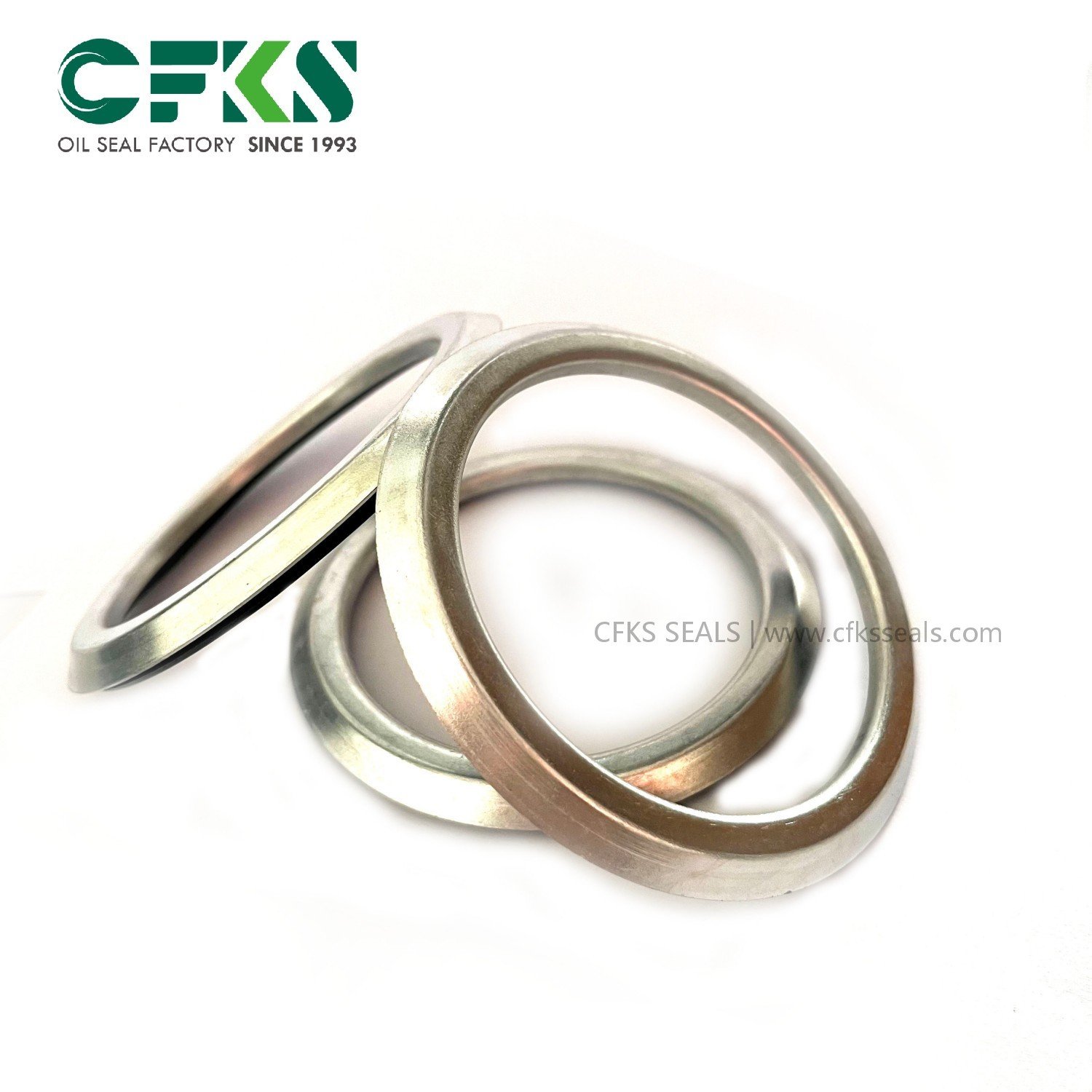
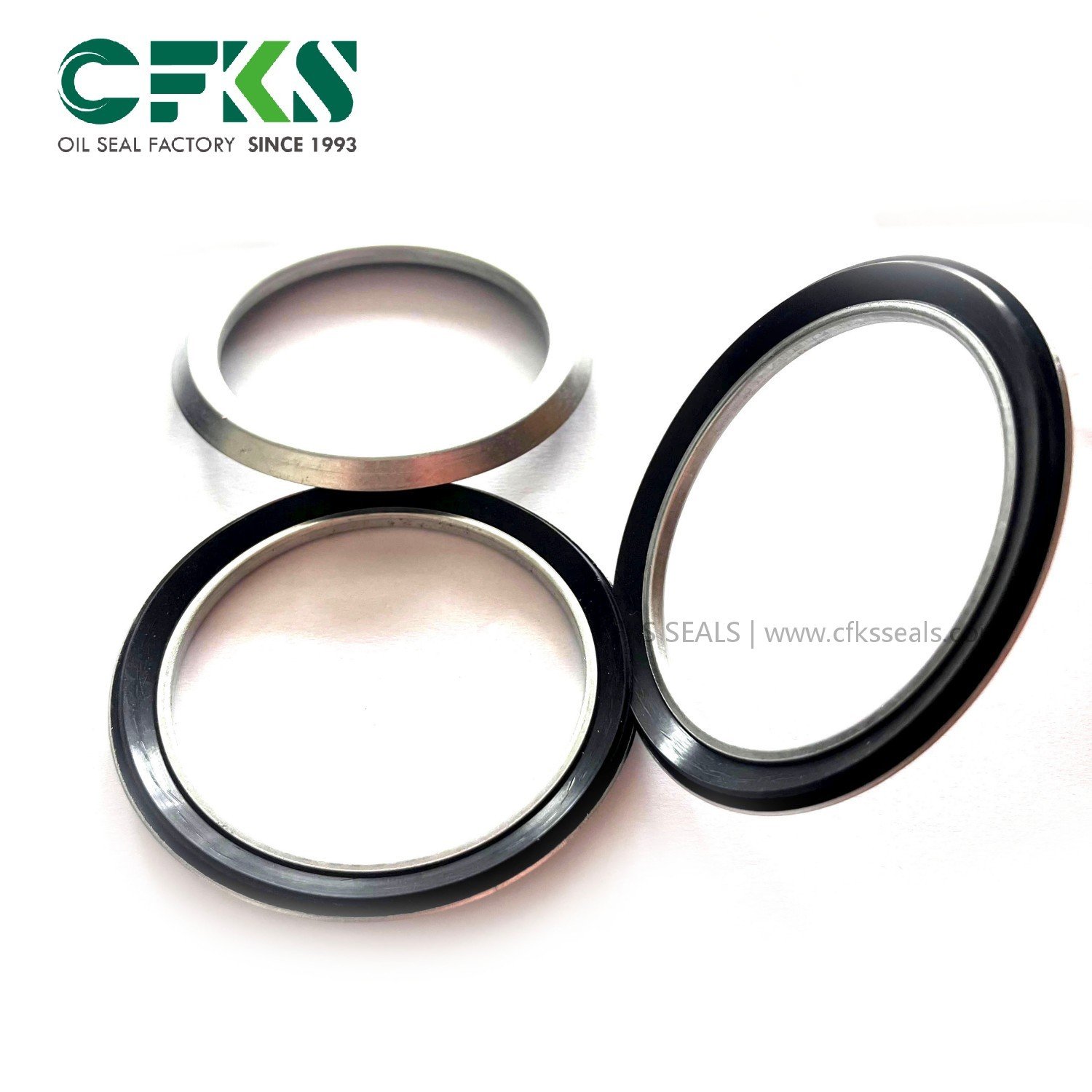
CFKS Rotary Shaft nbr Seal RB Seal 70*90*5.5 Gamma Seal

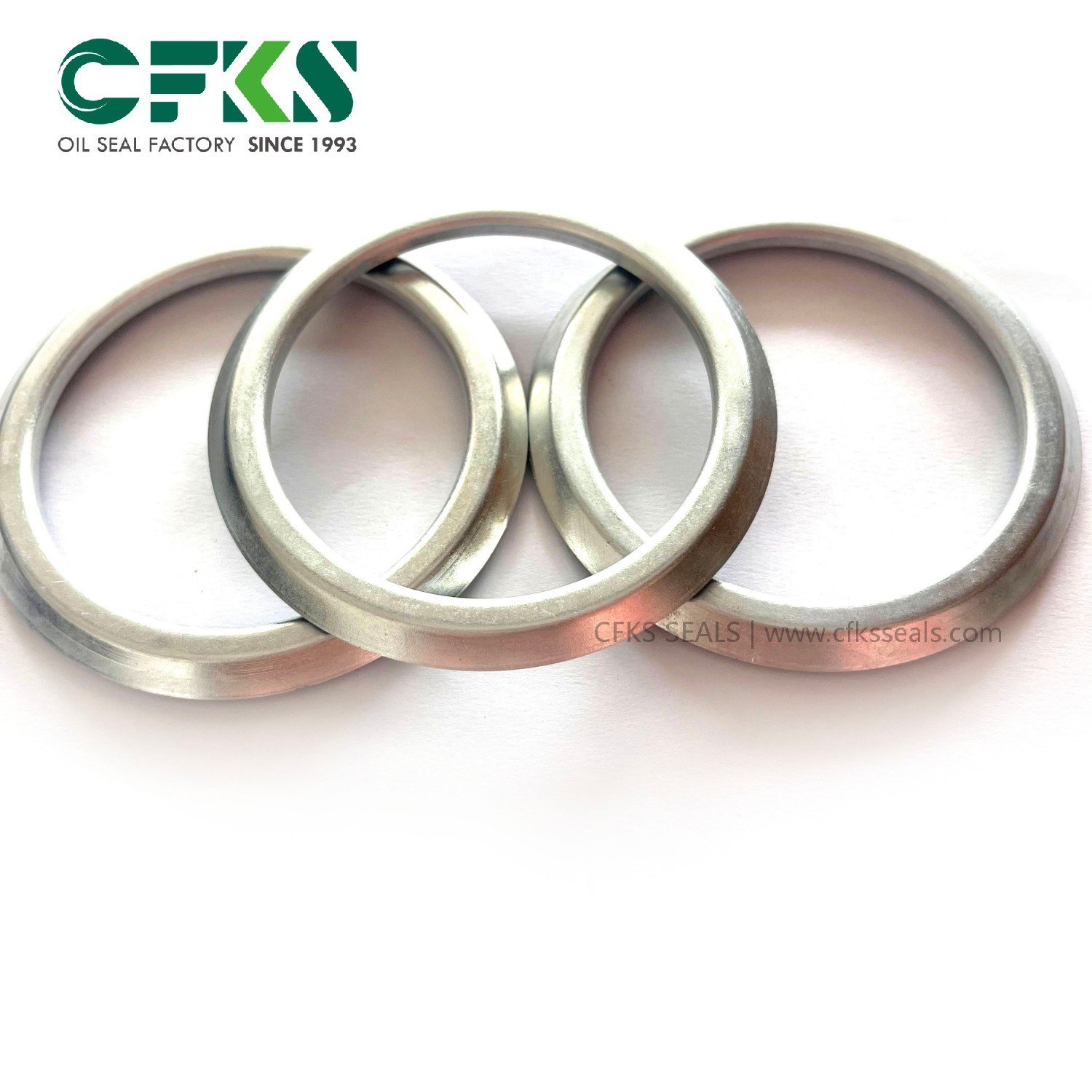
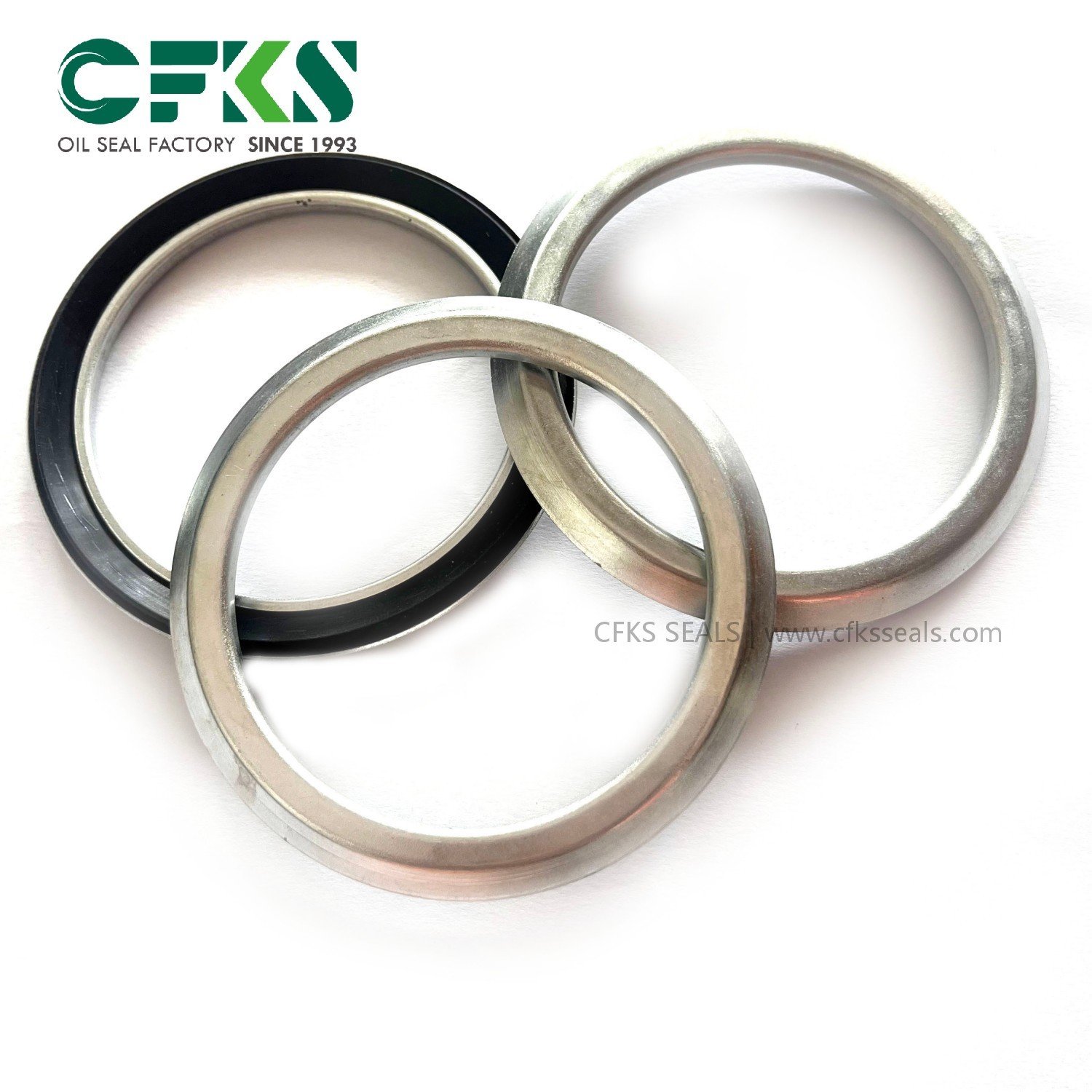
The CFKS RB Type Gamma Seal (70*90*5.5) is a highly efficient axial elastomeric deflector engineered to protect critical rotary components in heavily contaminated environments. By combining a precision-stamped metal casing with a vulcanized sealing lip, it serves as a primary labyrinth barrier against external particulates while effectively retaining bearing lubrication.

  • Dynamic Deflection: Utilizes centrifugal force to actively sling heavy contaminants, dust, and moisture away from the critical bearing interface.

  • Low-Friction Operation: The uniquely profiled elastomer lip maintains light contact, minimizing rotational drag and reducing system thermal buildup.

  • Robust Metal Shielding: The outer metal shell protects the internal elastomer from mechanical impacts and extreme environmental abrasion.

Find your sealing solution with CFKS — contact us for a quote.
Parameter Name Parameter Detail Parameter Name Parameter Detail Parameter Name Parameter Detail
Product Name CFKS RB Gamma Seal Specification 70 × 90 × 5.5 mm (Supports Customization) Material Nitrile Rubber (NBR) / Optional FKM
Feature Dynamic centrifugal deflector Work Temp —30°C to +100°C Hardness 70 – 75 Shore A
Type RB Type Axial Rotary Seal Usage Electric motors, agricultural gearboxes, axles, pumps, industrial mixers, construction drives Brand CFKS

Unlike standard radial shaft seals that grip the circumference of a shaft, the RB Gamma Seal operates on an axial deflection principle. The seal is press-fitted onto the rotating shaft and seals against a perpendicular, stationary counter-face (such as a bearing housing). As the shaft rotates, the elastomer lip maintains dynamic axial contact. This configuration leverages centrifugal force to physically eject water, mud, and abrasive grit away from the joint. Because the lip geometry is designed to flex slightly under high centrifugal loads, it inherently reduces contact pressure at high rotational speeds, maximizing the low-friction life of the component.

The operational longevity of a rotary deflector heavily depends on the elastomer matrix. For the standard 70905.5 configuration, we utilize a premium NBR (Nitrile) compound. NBR offers exceptional tear resistance and is perfectly suited for environments exposing the seal to mineral oils, water, and standard agricultural greases. However, for continuous operation in highly aggressive chemical washdowns or elevated thermal conditions, an FKM (Viton) upgrade is recommended. FKM prevents the elastomer from hardening or vulcanizing prematurely, ensuring the axial lip retains its “spring-back” elasticity even when subjected to synthetic lubricants or extreme heat.

A significant engineering advantage of the Gamma Seal design is its highly forgiving installation tolerance. Because it seals axially, it does not require complex shaft hardening or grinding, and it easily absorbs minor shaft eccentricities or run-out that would destroy a standard radial seal. The seal provides a straightforward press-fit installation onto the shaft. Furthermore, the metal casing acts as a built-in installation tool surface, ensuring the elastomer is never pinched or damaged during assembly. Regular maintenance simply involves ensuring the stationary counter-face remains free of deep scoring, guaranteeing a continuous, low-friction life.

Frequently Asked Questions (FAQ)

Why does my CFKS oil seal fail prematurely? Common causes and prevention tips2025-06-26T15:44:39+08:00

Premature oil seal failure can result from improper installation, poor shaft finish, incorrect material selection, or excessive pressure. To prevent this, ensure the shaft surface is smooth and within tolerance, use correct tools during installation, and choose seals made from materials compatible with your media and temperature.

How to correctly install a CFKS industrial oil seal to avoid leakage2025-06-26T16:04:32+08:00

Always clean the shaft and bore before installation. Use appropriate seal drivers to avoid deformation. Lubricate the lip before fitting to reduce friction during the first rotation. Ensure the seal is seated evenly and not tilted to avoid leaks.

What to do when your CFKS hydraulic seal is leaking under pressure2025-05-20T16:33:14+08:00

Check if the pressure exceeds the seal’s rated limit. Examine for wear, hardening, or improper installation. Replace the seal if damaged, and consider upgrading to a high-pressure CFKS seal variant. Also, verify that the housing and shaft are properly aligned.

How to choose the right CFKS oil seal for extreme operating environments2025-05-20T16:34:39+08:00

For high temperatures, aggressive chemicals, or abrasive environments, choose CFKS seals made of FKM, PTFE, or high-performance elastomers. Consider using seals with protective dust lips or metal casing. Our team can recommend the best fit for your application.


MESSAGE

Go to Top