Sealing Excellence, Securing Industry

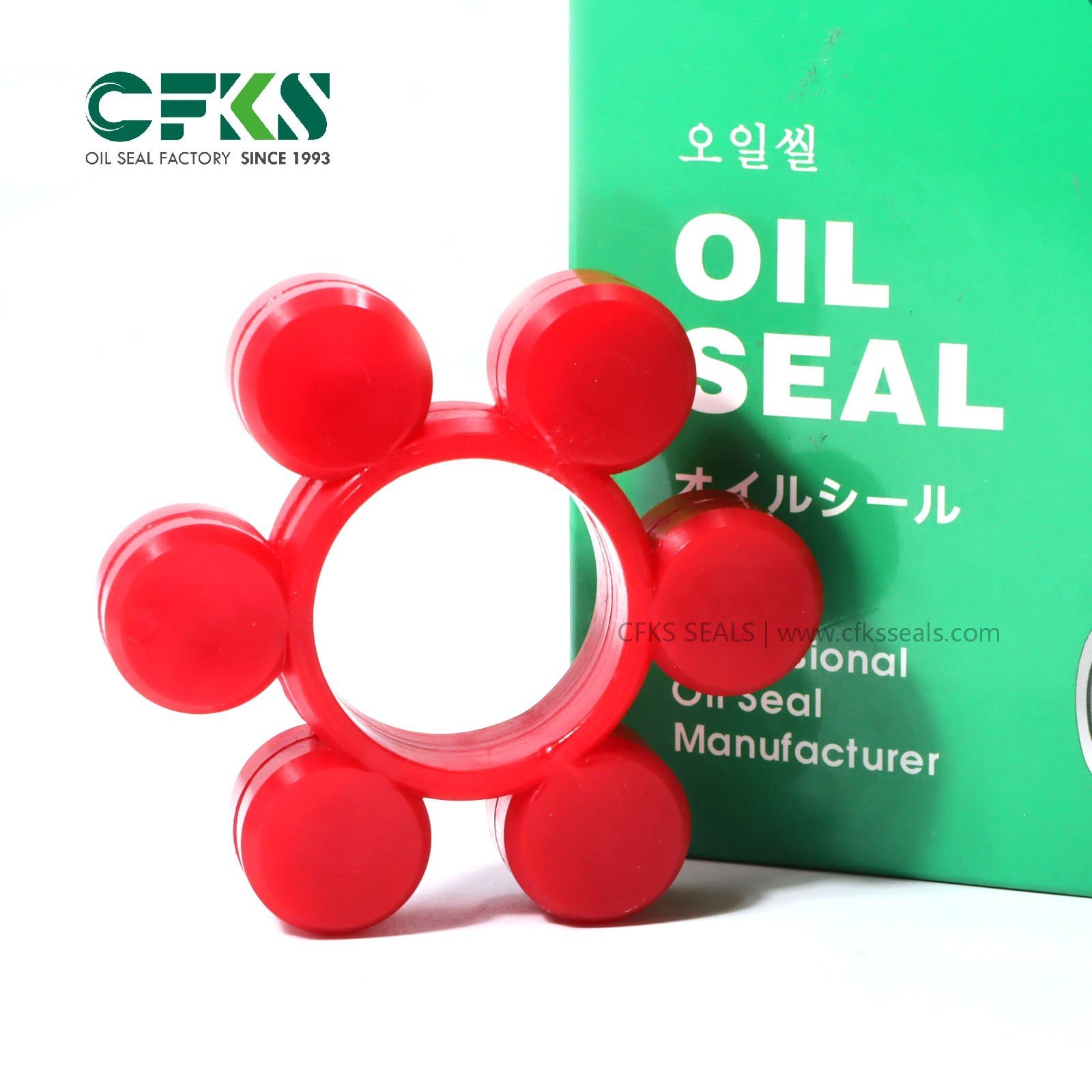
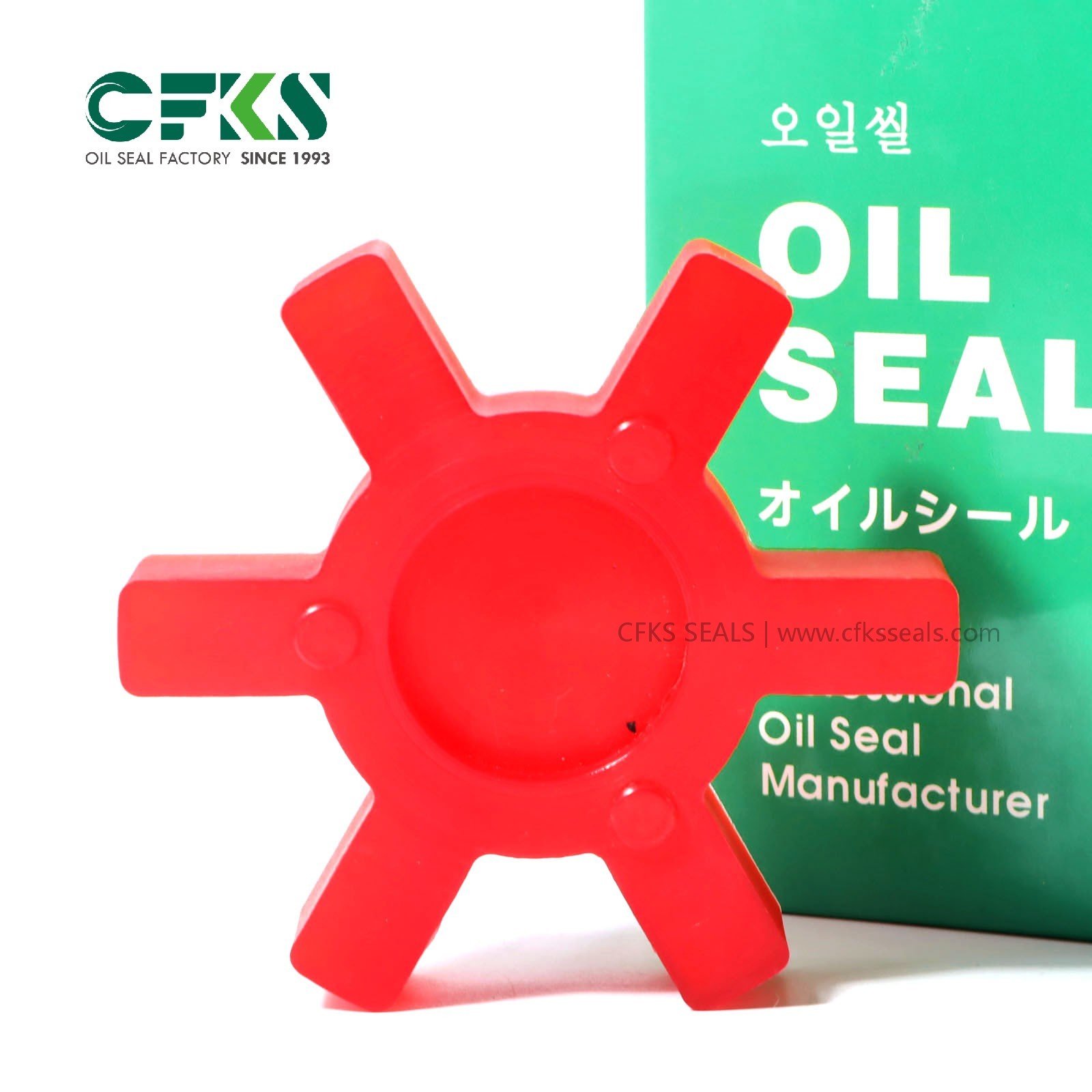
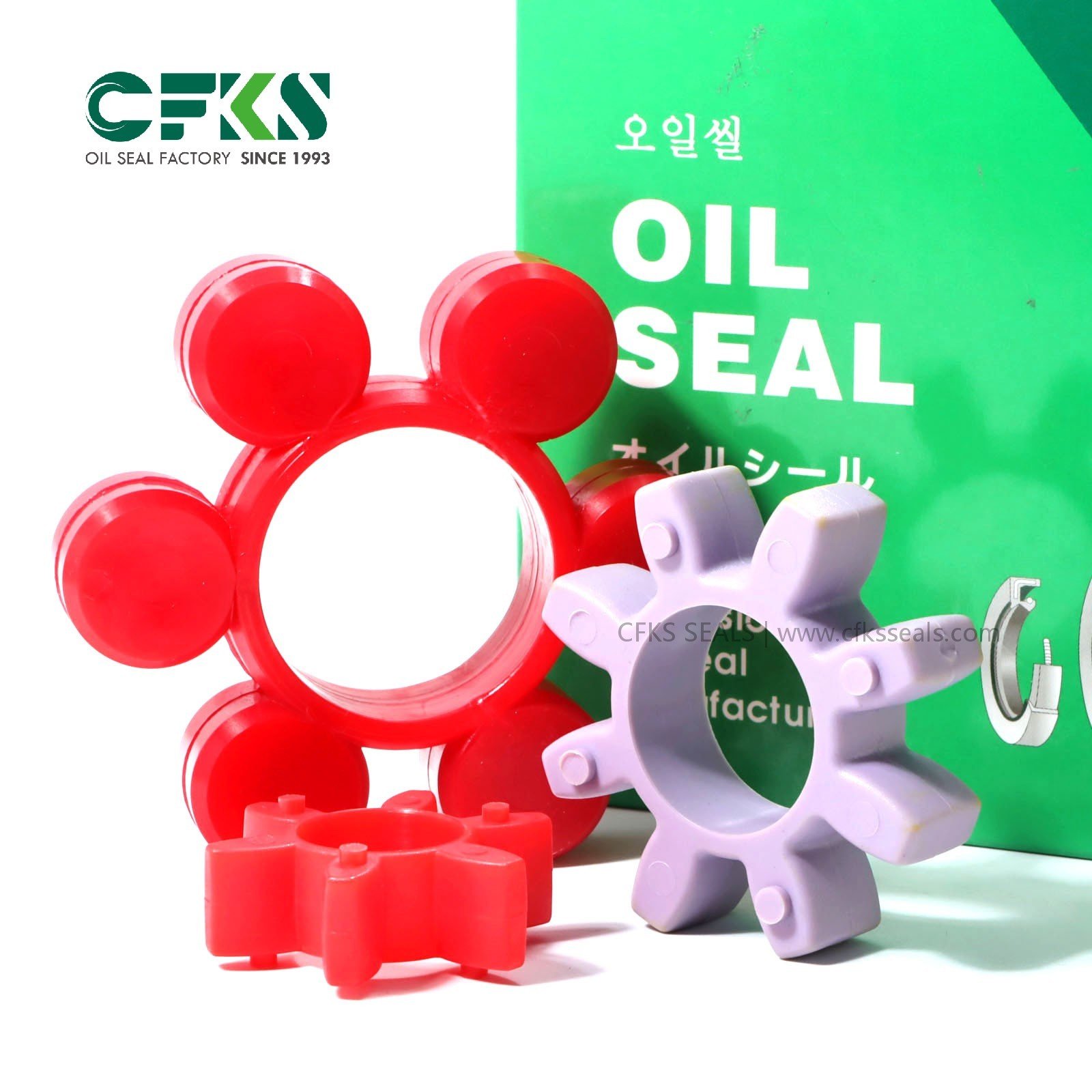
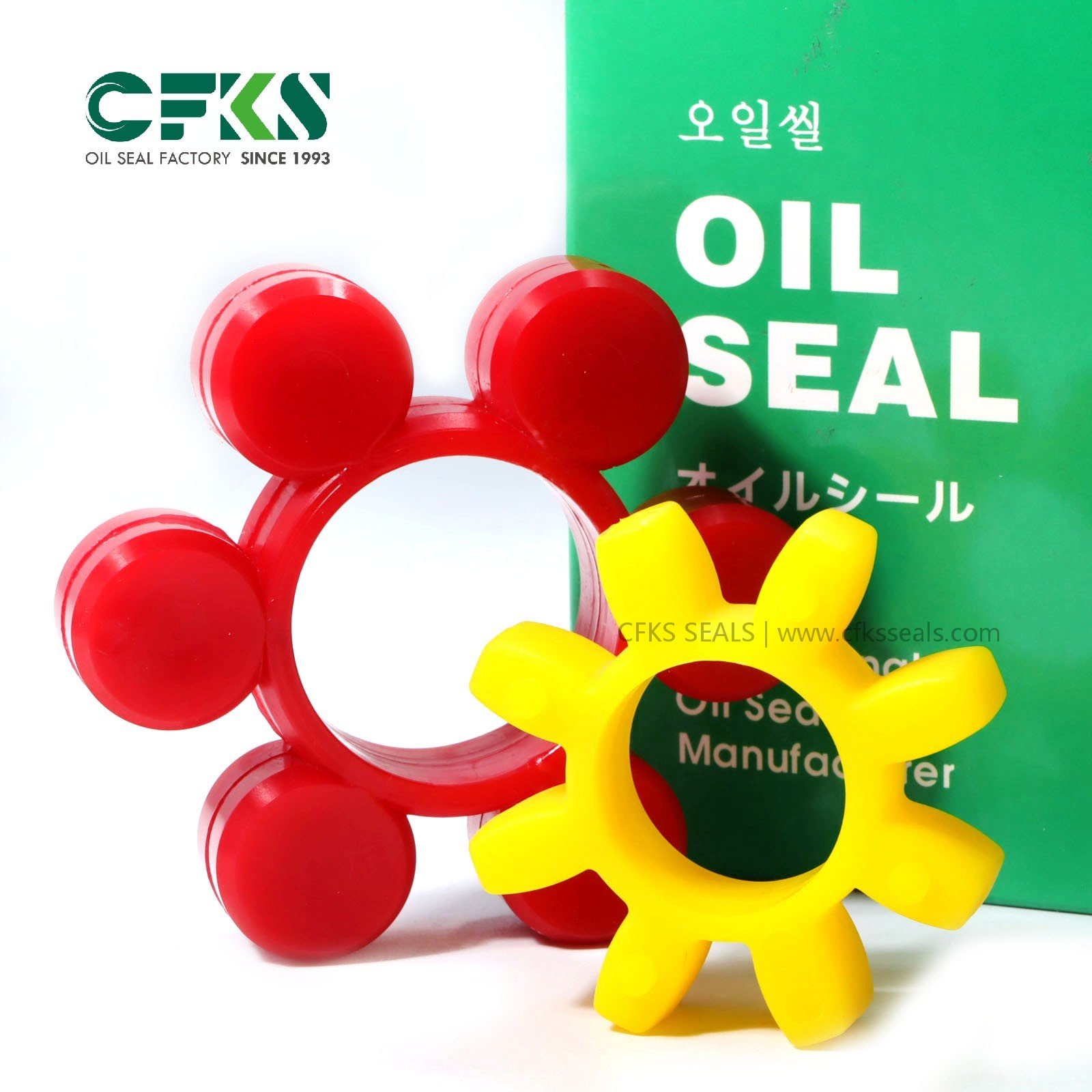
CFKS Flexible Coupling Spider NBR Jaw Coupling Insert Heavy Duty Coupling Spider

Engineered to withstand intense torsional shock and high angular misalignment, the CFKS flexible coupling spider provides the critical elastomeric buffer needed to protect your industrial drivetrains. This heavy-duty insert dampens vibration and minimizes mechanical wear, ensuring smooth torque transmission between driving and driven shafts under demanding operational conditions.

  • High Torsional Elasticity: Absorbs severe shock loads and dampens resonance to protect sensitive motor and gearbox components.

  • Dual-Material Availability: Offered in premium NBR for excellent oil resistance and high-tensile Polyurethane for ultimate load-bearing capacity.

  • Snap-In Alignment Design: Allows for rapid visual inspection and swift replacement without requiring complete disassembly of the coupling hubs.

Find your sealing solution with CFKS — contact us for a quote.
Product Name CFKS Flexible Coupling Spider Specification Standard and Custom Sizes Supported
Material Premium NBR / Heavy-Duty PU Feature High Tensile Strength, Wear & High Pressure Resistant
Work Temperature -40℃ to 120℃ (NBR) / -30℃ to 80℃ (PU) Usage Pumps, Compressors, Conveyors, Fans, Gearboxes
Hardness 75 Shore A to 98 Shore A Type Curved Jaw, Straight Jaw, Snap-Wrap Spiders


1️⃣ NBR Jaw Type Coupling Spider for Stable Power Transmission

The CFKS jaw coupling insert operates on the principle of compression-molded elastomeric dampening. When placed between two interlocking jaw hubs, the curved legs of the spider cushion the mechanical forces during start-up torque and sudden load shifts. Unlike shear-type couplings that fail catastrophically under overload, our jaw coupling spiders remain under compression, allowing the system to maintain a fail-safe torque transmission even in the event of unexpected elastomer degradation. This design accommodates both angular and parallel misalignment while neutralizing destructive axial end-float.

2️⃣ Wear Resistant & Oil Resistant Performance

Operational longevity relies entirely on choosing the correct compound for your environment. For standard industrial applications involving oil, grease, and hydraulic fluids, our high-grade NBR spiders offer reliable resilience and excellent resistance to swelling. For heavy-duty, high-torque machinery prone to intense abrasion and mechanical impact, our premium PU formulations provide exceptional tensile strength and load capacity. PU stands up remarkably well against ozone, heavy friction, and cyclic fatigue, preventing premature structural failure in harsh outdoor or chemical settings.

3️⃣Standard Size for Easy Installation

Minimizing industrial downtime requires components that simplify maintenance routines. The CFKS flexible coupling spider features a snap-fit design that eliminates the need to completely unbolt or reposition heavy heavy-duty motors during installation. Maintenance teams can easily slide the hubs back, extract the worn insert, and snap the new spider into place. Because our elastomeric compounds offer self-lubricating, low-friction operation, they eliminate the need for ongoing grease application, effectively dropping your coupling maintenance costs to zero while extending the overall service life of the adjacent bearings.

Frequently Asked Questions (FAQ)

Why does my CFKS oil seal fail prematurely? Common causes and prevention tips2025-06-26T15:44:39+08:00

Premature oil seal failure can result from improper installation, poor shaft finish, incorrect material selection, or excessive pressure. To prevent this, ensure the shaft surface is smooth and within tolerance, use correct tools during installation, and choose seals made from materials compatible with your media and temperature.

How to correctly install a CFKS industrial oil seal to avoid leakage2025-06-26T16:04:32+08:00

Always clean the shaft and bore before installation. Use appropriate seal drivers to avoid deformation. Lubricate the lip before fitting to reduce friction during the first rotation. Ensure the seal is seated evenly and not tilted to avoid leaks.

What to do when your CFKS hydraulic seal is leaking under pressure2025-05-20T16:33:14+08:00

Check if the pressure exceeds the seal’s rated limit. Examine for wear, hardening, or improper installation. Replace the seal if damaged, and consider upgrading to a high-pressure CFKS seal variant. Also, verify that the housing and shaft are properly aligned.

How to choose the right CFKS oil seal for extreme operating environments2025-05-20T16:34:39+08:00

For high temperatures, aggressive chemicals, or abrasive environments, choose CFKS seals made of FKM, PTFE, or high-performance elastomers. Consider using seals with protective dust lips or metal casing. Our team can recommend the best fit for your application.


MESSAGE

Go to Top