Sealing Excellence, Securing Industry

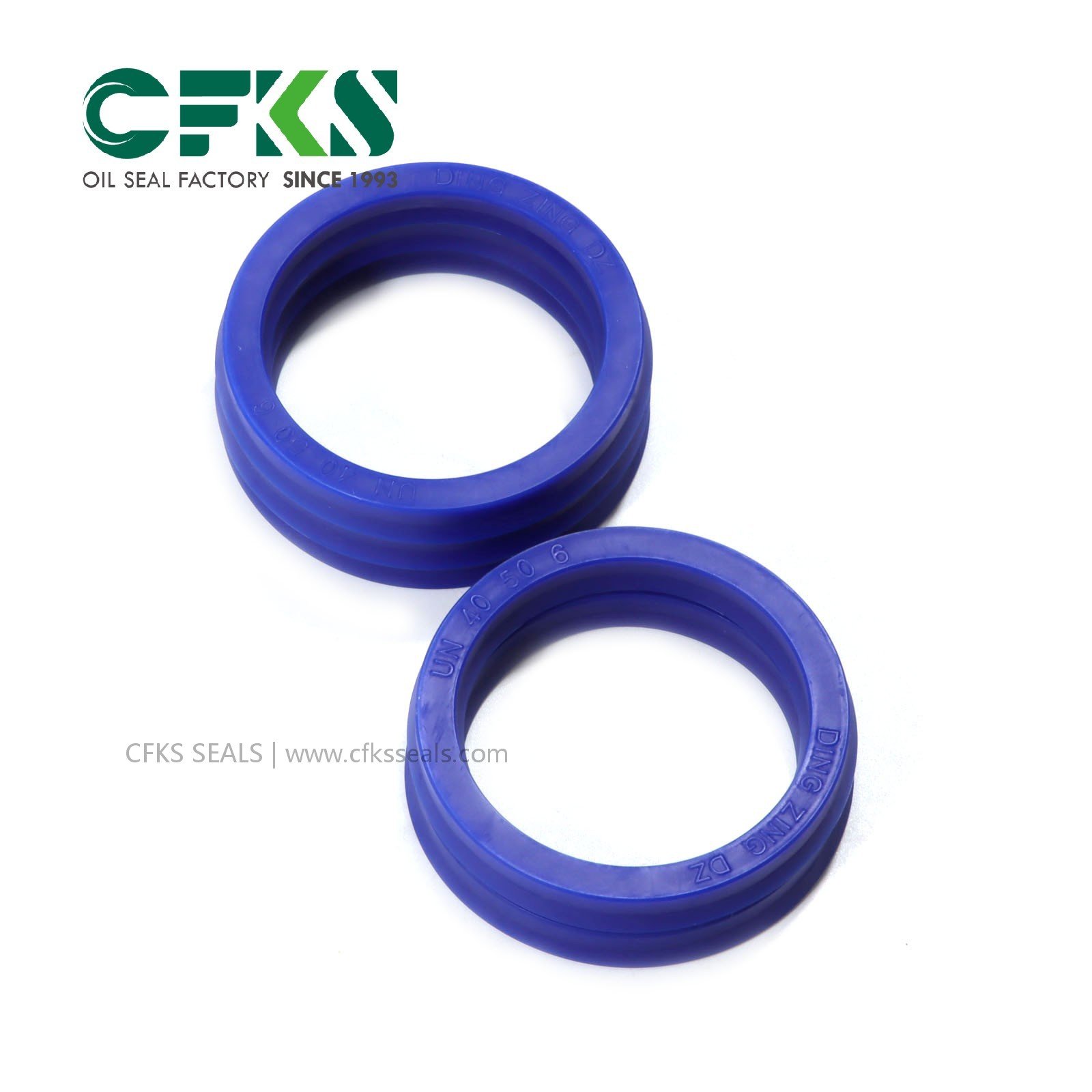
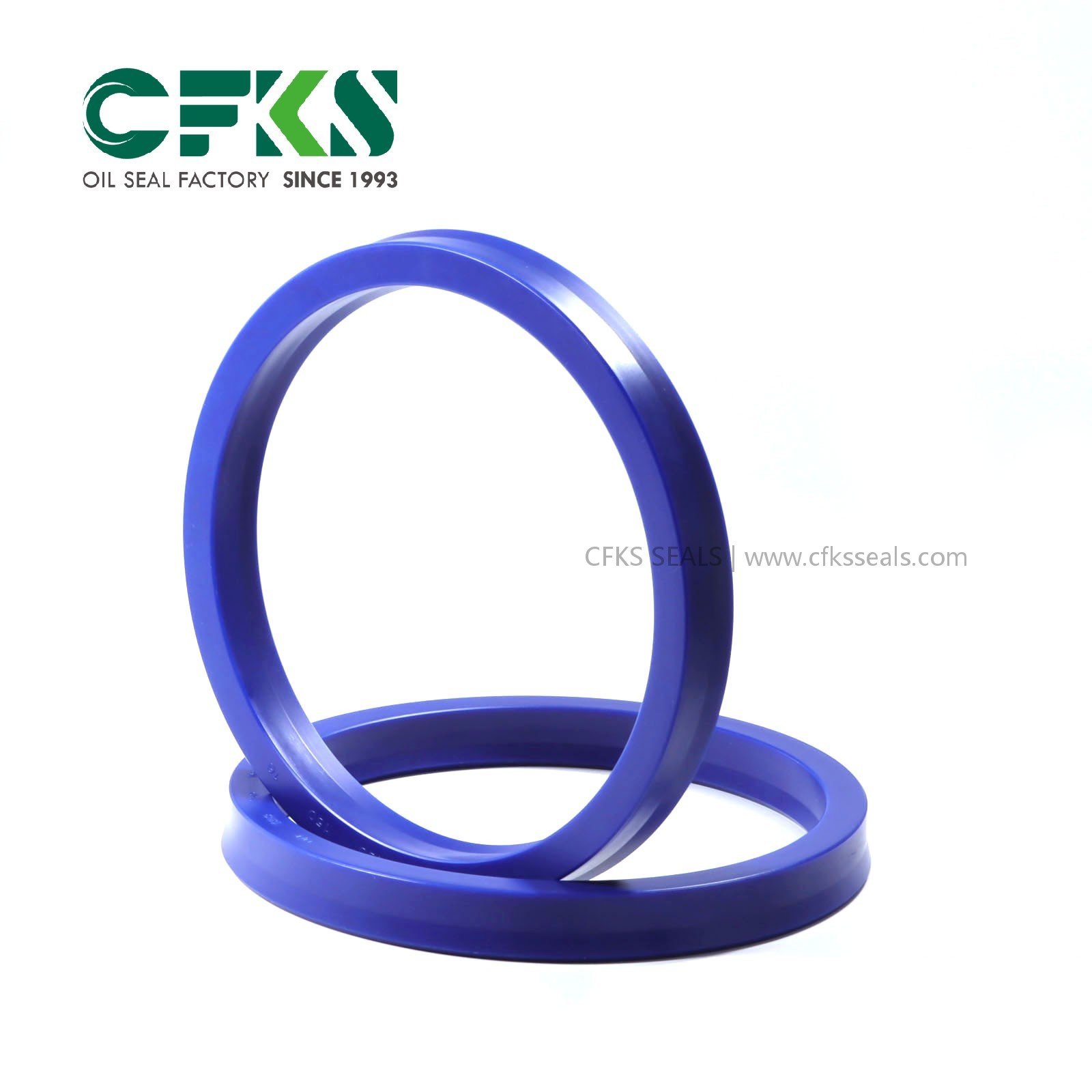
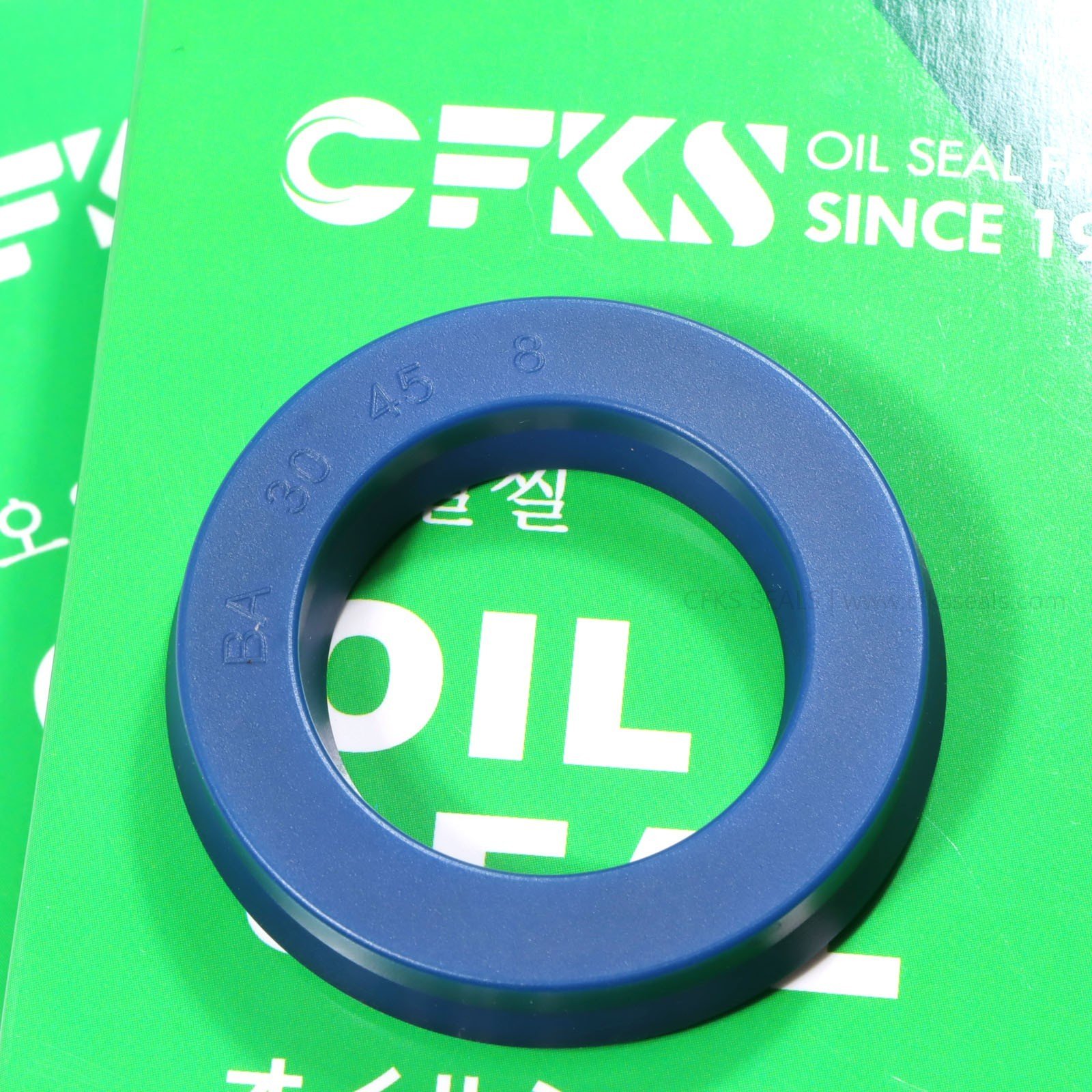
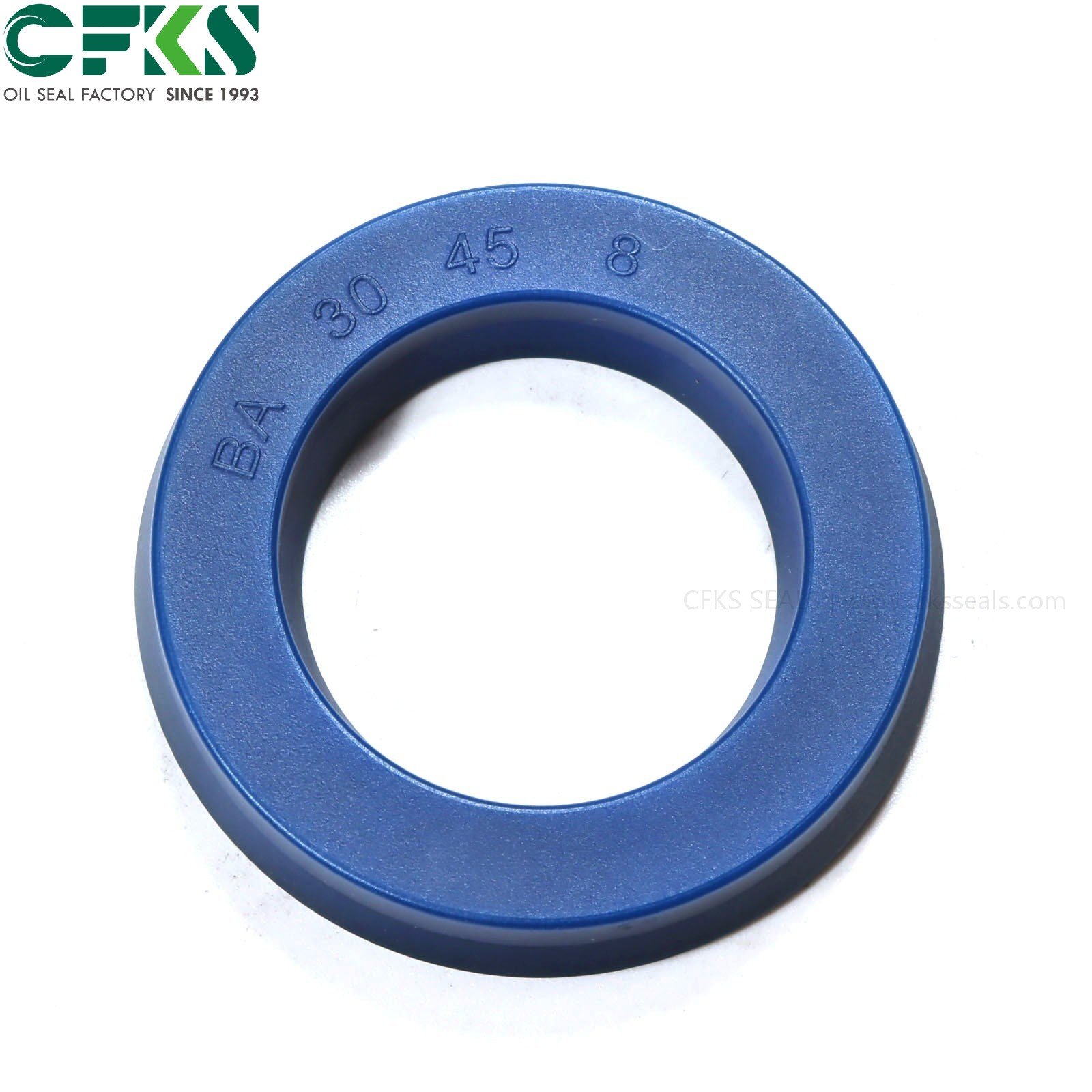
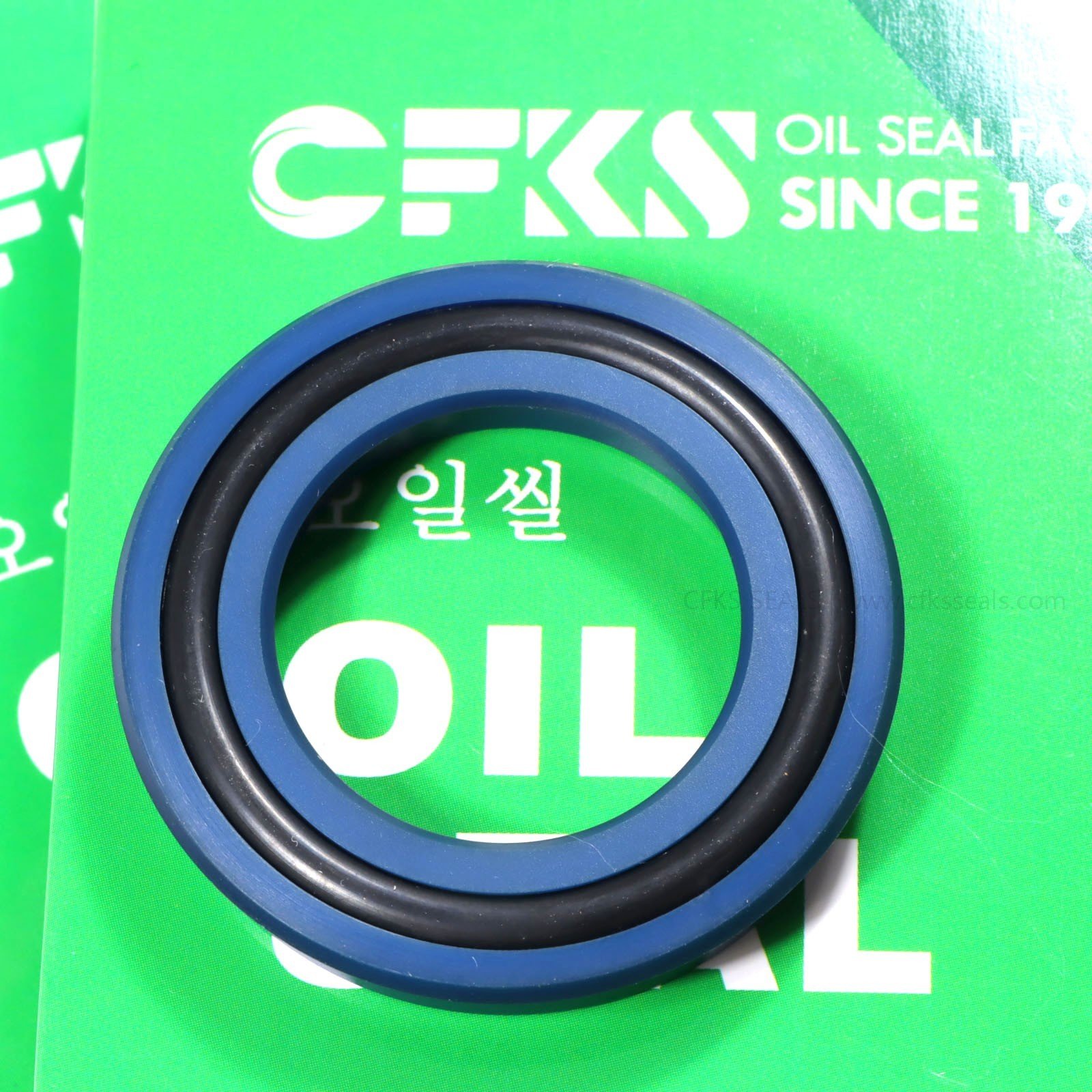
CFKS BA Type Polyurethane 30*45*8 BA Seal Hydraulic Rod Seal with NBR O-Ring

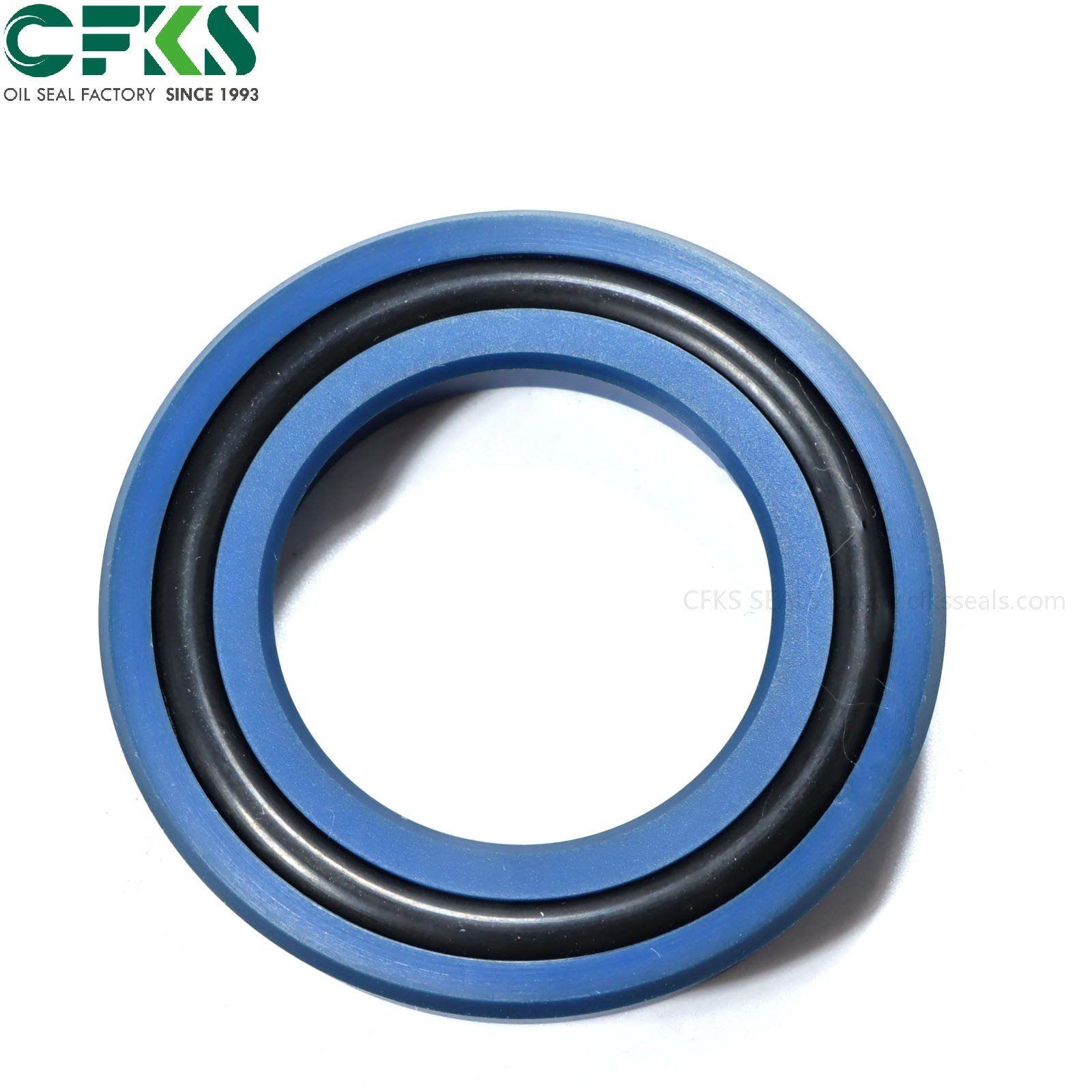
The CFKS BA Type Polyurethane Hydraulic Rod Seal (30*45*8) is a high-performance, asymmetrical composite U-cup engineered for the most demanding reciprocating cylinder applications. By integrating a tough polyurethane shell with a resilient NBR O-ring energizer, this seal guarantees immediate radial sealing force across highly variable pressure states, effectively preventing fluid weeping and extending the operational lifespan of critical hydraulic actuators.

Dual-Component Architecture: Fuses the extreme abrasion resistance of a PU jacket with the rapid elastic recovery of an NBR O-ring energizer.

Low-Pressure Reliability: The internal O-ring provides continuous pre-loading, eliminating the slow fluid bypass common in standard seals during low-pressure cycles.

Streamlined Maintenance: Engineered for precision snap-in fitment within standard closed glands, drastically reducing operational downtime.

Find your sealing solution with CFKS — contact us for a quote.
Parameter Name Parameter Detail Parameter Name Parameter Detail Parameter Name Parameter Detail
Product Name CFKS BA Hydraulic Rod Seal Specification 30 × 45 × 8mm
(Supports Customization)
Material Polyurethane (PU) + NBR O-Ring
Feature High-pressure & abrasion resistant Work Temp -30°C to +100°C Hardness 93 Shore A (PU) / 70 Shore A (NBR)
Type BA Asymmetrical Composite U-Cup Usage Excavators, hydraulic presses, lift cylinders, injection molding, steering cylinders, shock absorbers Brand CFKS

The BA type profile operates on an advanced pressure-energized, asymmetrical sealing principle. Unlike standard symmetrical U-cups, the BA design features a shorter, stiffer dynamic inner lip tailored specifically for reciprocating shafts, and a more robust static outer lip to securely grip the gland housing. The defining engineering upgrade is the integration of an NBR O-ring within the seal’s internal channel. At zero or low system pressure, the mechanically compressed O-ring provides the initial radial force required to prevent weeping. As hydraulic pressure spikes, the fluid compresses the O-ring further. The O-ring acts as a mechanical wedge, forcing the polyurethane lips tightly against the rod to guarantee an absolute, zero-leakage barrier under heavy dynamic loads.

Material compounding dictates the operational envelope of any fluid power component. For this 30 × 45 × 8 mm configuration, the primary dynamic sealing jacket is molded from high-modulus Polyurethane (PU). PU offers unparalleled abrasion and extrusion resistance, drastically outperforming traditional elastomers in harsh mineral oil environments. The integrated energizer is manufactured from standard Nitrile Butadiene Rubber (NBR). This dual-material synergy is critical: the PU withstands the severe mechanical friction and high-pressure extrusion forces, while the highly elastic NBR ensures the seal lips remain energized and highly responsive, preventing the detrimental “stick-slip” phenomenon.

A primary engineering advantage of the CFKS BA Type seal is its ability to deliver a predictable, low-friction life without requiring complex structural modifications to the cylinder. The seal is engineered for snap-in installation into closed or stepped rod glands. To maximize the operational lifespan and ensure the PU dynamic lip seats correctly without premature wear, the hydraulic rod must be polished to a surface finish of Ra 0.1 to 0.4 µm. Proper lubrication with clean system fluid during assembly is mandatory to prevent dry-running damage upon initial start-up. Once properly seated, its robust composite profile actively resists twisting and rolling, providing long-term reliability.

Frequently Asked Questions (FAQ)

Why does my CFKS oil seal fail prematurely? Common causes and prevention tips2025-06-26T15:44:39+08:00

Premature oil seal failure can result from improper installation, poor shaft finish, incorrect material selection, or excessive pressure. To prevent this, ensure the shaft surface is smooth and within tolerance, use correct tools during installation, and choose seals made from materials compatible with your media and temperature.

How to correctly install a CFKS industrial oil seal to avoid leakage2025-06-26T16:04:32+08:00

Always clean the shaft and bore before installation. Use appropriate seal drivers to avoid deformation. Lubricate the lip before fitting to reduce friction during the first rotation. Ensure the seal is seated evenly and not tilted to avoid leaks.

What to do when your CFKS hydraulic seal is leaking under pressure2025-05-20T16:33:14+08:00

Check if the pressure exceeds the seal’s rated limit. Examine for wear, hardening, or improper installation. Replace the seal if damaged, and consider upgrading to a high-pressure CFKS seal variant. Also, verify that the housing and shaft are properly aligned.

How to choose the right CFKS oil seal for extreme operating environments2025-05-20T16:34:39+08:00

For high temperatures, aggressive chemicals, or abrasive environments, choose CFKS seals made of FKM, PTFE, or high-performance elastomers. Consider using seals with protective dust lips or metal casing. Our team can recommend the best fit for your application.


MESSAGE

Go to Top