Sealing Excellence, Securing Industry

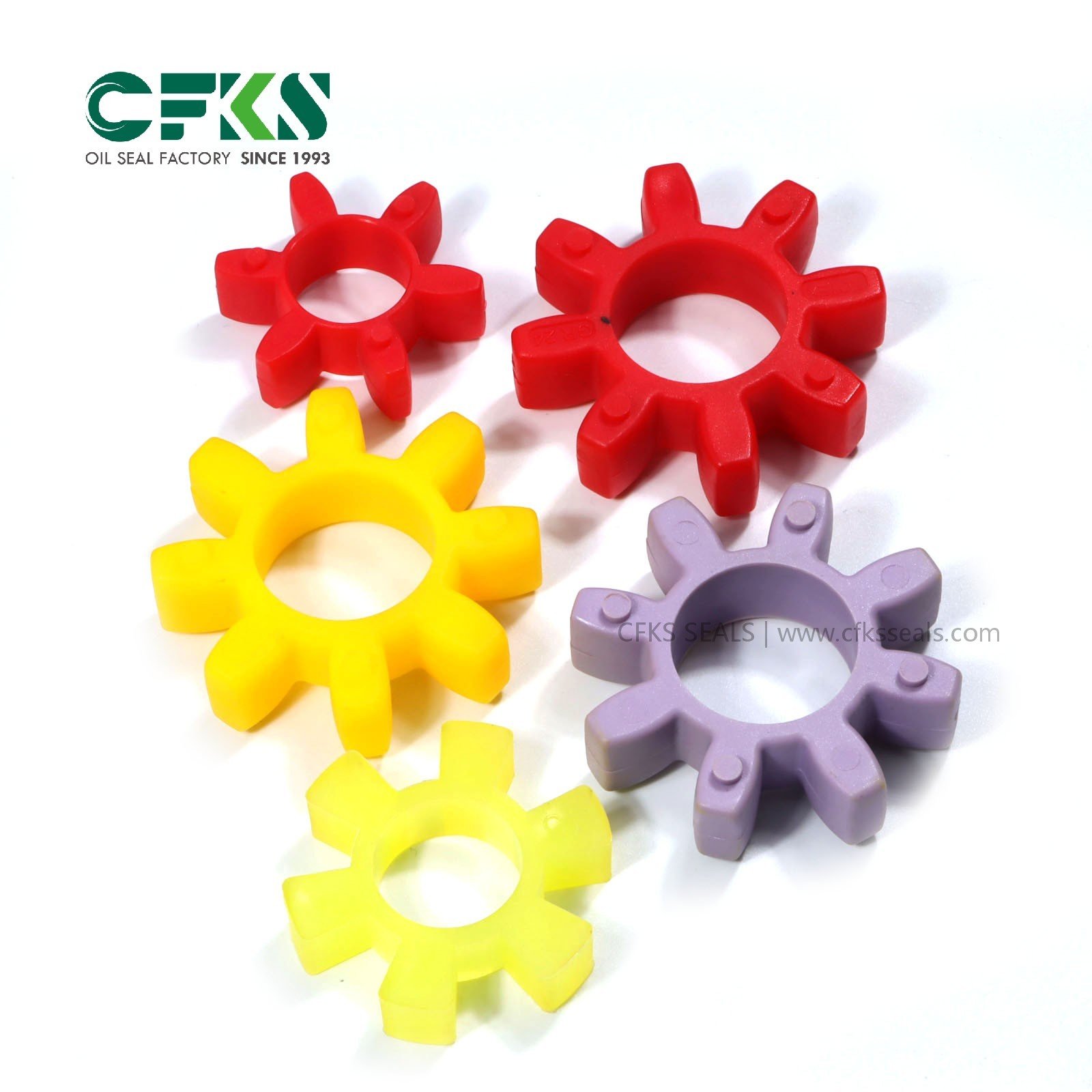
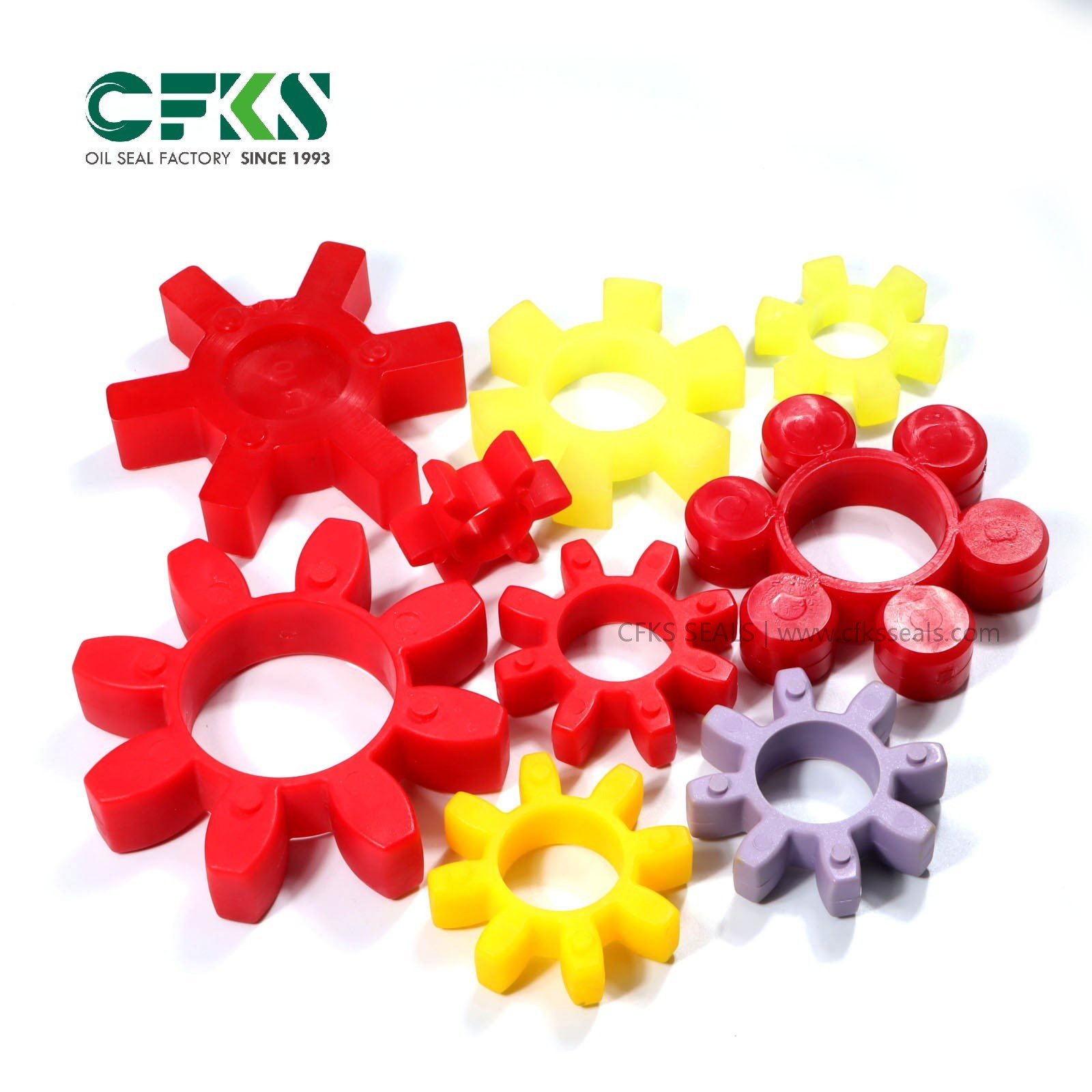
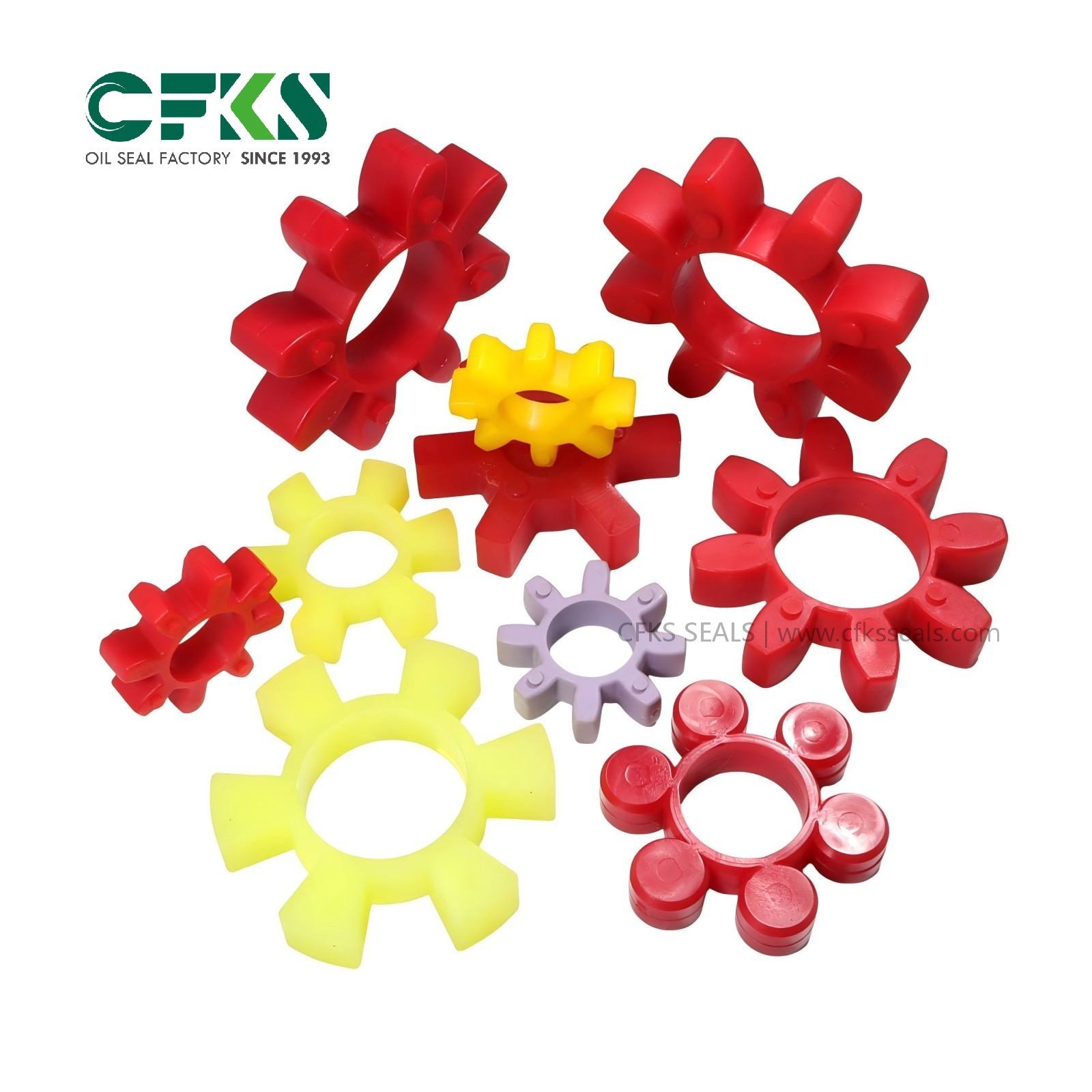
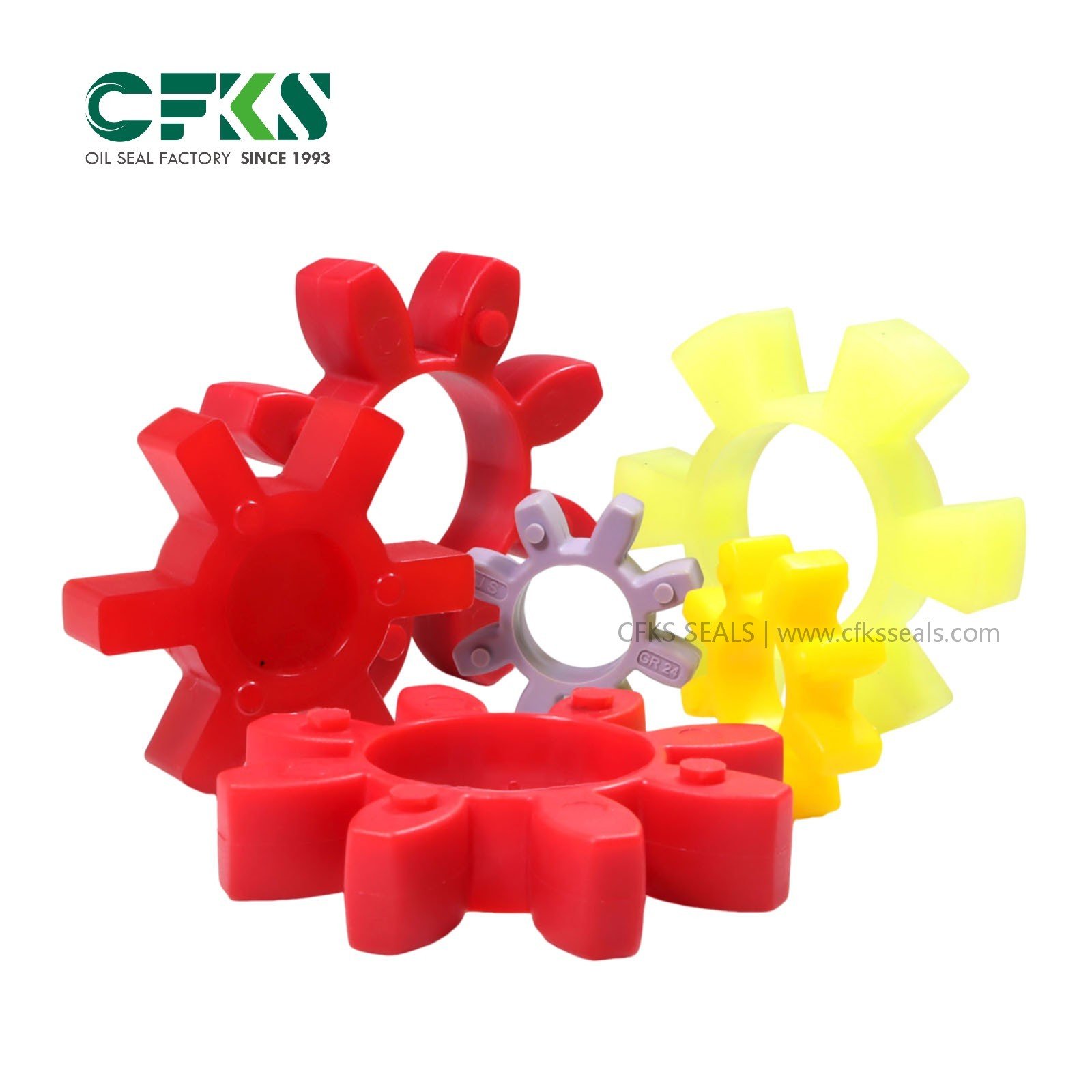
CFKS Coupling Spider High Torque Flexible Jaw Coupling Replacement Servo Motor Shaft Connector

Engineered for high-demand motion control, this flexible jaw coupling features a precision-molded elastomer spider that absorbs shock loads and dampens vibration. It ensures zero-backlash torque transmission between servo motors and driven shafts, protecting sensitive components from premature wear.

  • High Torque Density: Maximizes power transmission within a compact footprint, ideal for servo motor configurations.

  • Advanced Vibration Dampening: Polyurethane insert minimizes resonance to safeguard encoder and bearing life.

  • Torsional Elasticity: Compensates for angular, parallel, and axial misalignments without losing positional accuracy.

Find your sealing solution with CFKS — contact us for a quote.
Product Name High Torque Flexible Jaw Coupling Specification Standard and customized bores available
Material Premium Aluminum/Steel Hubs + PU/NBR/FKM Feature High torque density, zero backlash, wear-resistant
Work Temperature -40°C to 120°C (Up to 200°C with FKM) Hardness 92 Shore A / 98 Shore A / 64 Shore D
Type Clamp Type / Set Screw Type / Keyway Usage CNC routers, servo drives, conveyor systems, pumps, fans


1️⃣ NBR Jaw Type Coupling Spider for Stable Power Transmission

The flexible jaw coupling operates on a fail-safe, curved-jaw design where torque is transmitted through a pre-compressed elastomer spider insert. When torque is applied, the raised jaws of the aluminum or steel hubs press against the curved limbs of the spider. This pre-compression eliminates backlash, ensuring the high torsional stiffness required for precise servo motor indexing. As centrifugal force increases during high-speed rotation, the curved profile prevents the elastomer from expanding outward, maintaining consistent structural integrity, lowering axial loads, and isolating structural vibrations across connected shafts.

2️⃣ Wear Resistant & Oil Resistant Performance

The longevity of a curved jaw coupling relies heavily on the material matrix of its spider insert. By default, 92 Shore A (Yellow) and 98 Shore A PU compounds provide exceptional resistance to abrasive wear, mineral oils, and hydraulic fluids. For extreme operating environments involving aggressive chemical exposure or elevated temperatures, specialized NBR or FKM spider variants are utilized. NBR offers dependable resistance to petroleum-based lubricants, while FKM ensures chemical inertness and prevents thermal degradation under continuous high-torque cycling.

3️⃣Standard Size for Easy Installation

Designed for rapid deployment, this jaw coupling features a three-piece, blind-assembly design that allows for effortless “slip-on” installation. Maintenance engineers can perform a complete spider replacement by simply sliding the equipment hubs axially apart, completely eliminating the need to fully dismantle shafts or disturb heavy motor alignments. The non-lubricated elastomer interface operates with zero friction wear between metal components, creating a completely maintenance-free connection that reduces long-term operational overhead and prevents unexpected catastrophic system failures.

Frequently Asked Questions (FAQ)

Why does my CFKS oil seal fail prematurely? Common causes and prevention tips2025-06-26T15:44:39+08:00

Premature oil seal failure can result from improper installation, poor shaft finish, incorrect material selection, or excessive pressure. To prevent this, ensure the shaft surface is smooth and within tolerance, use correct tools during installation, and choose seals made from materials compatible with your media and temperature.

How to correctly install a CFKS industrial oil seal to avoid leakage2025-06-26T16:04:32+08:00

Always clean the shaft and bore before installation. Use appropriate seal drivers to avoid deformation. Lubricate the lip before fitting to reduce friction during the first rotation. Ensure the seal is seated evenly and not tilted to avoid leaks.

What to do when your CFKS hydraulic seal is leaking under pressure2025-05-20T16:33:14+08:00

Check if the pressure exceeds the seal’s rated limit. Examine for wear, hardening, or improper installation. Replace the seal if damaged, and consider upgrading to a high-pressure CFKS seal variant. Also, verify that the housing and shaft are properly aligned.

How to choose the right CFKS oil seal for extreme operating environments2025-05-20T16:34:39+08:00

For high temperatures, aggressive chemicals, or abrasive environments, choose CFKS seals made of FKM, PTFE, or high-performance elastomers. Consider using seals with protective dust lips or metal casing. Our team can recommend the best fit for your application.


MESSAGE

Go to Top