Sealing Excellence, Securing Industry

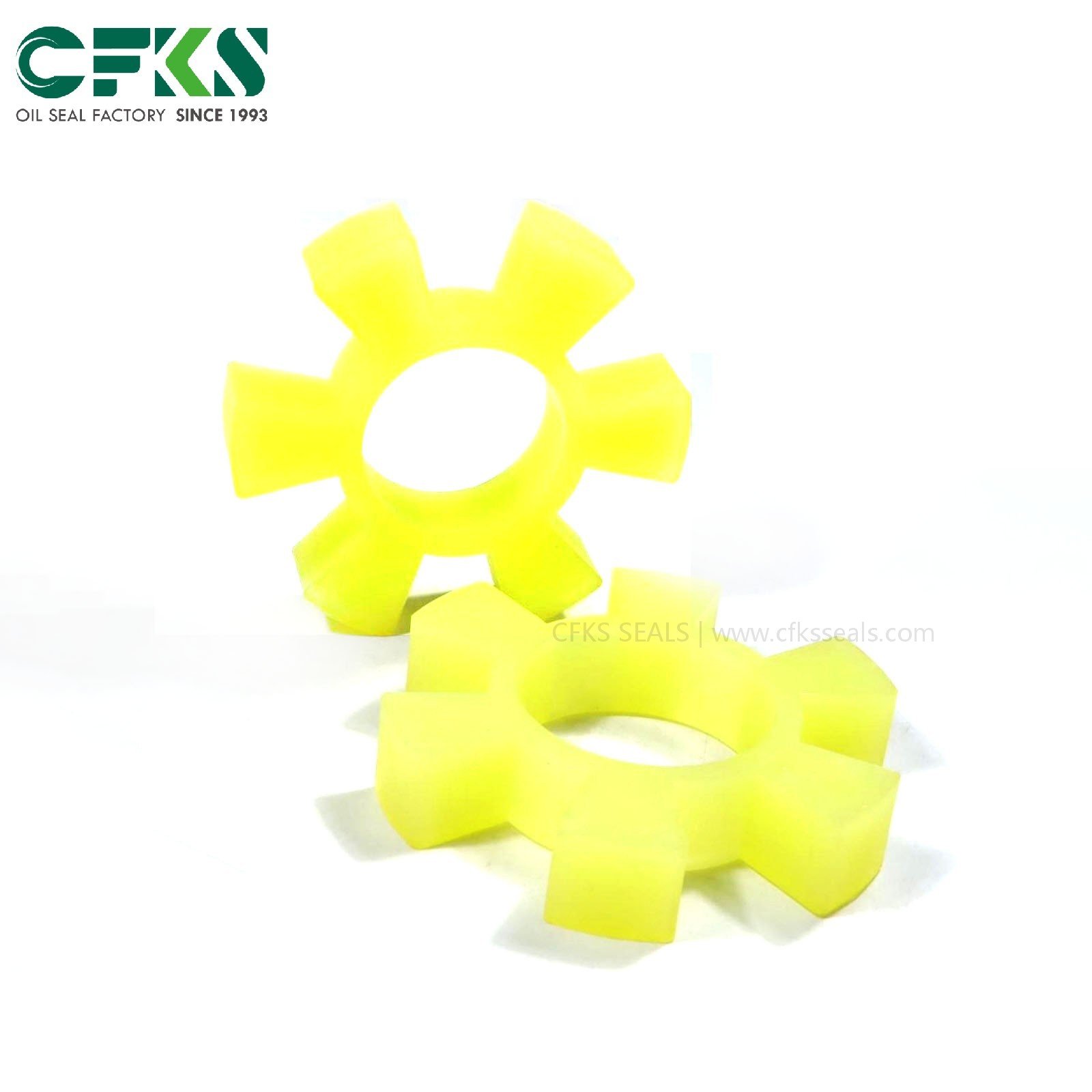
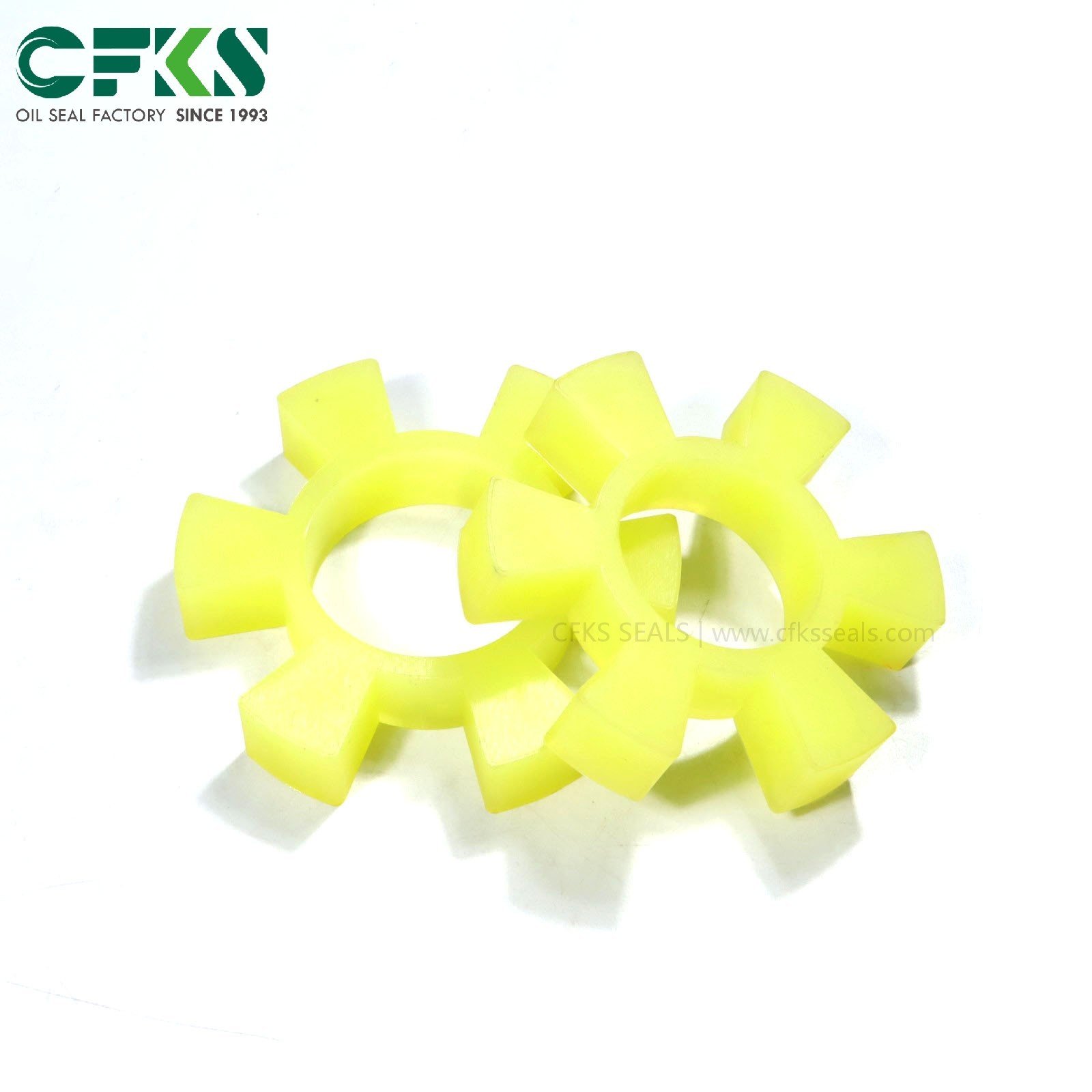
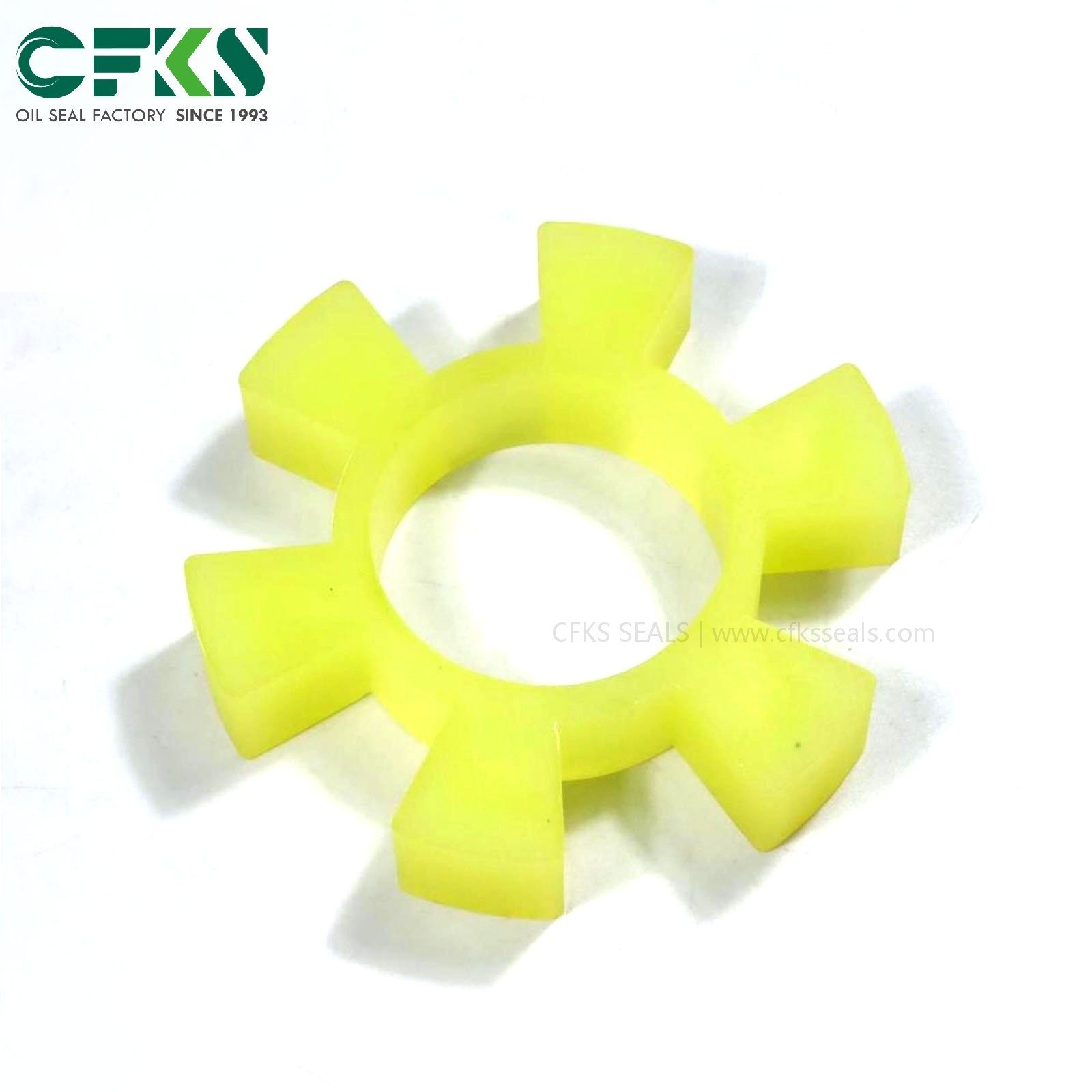
CFKS Flexible Coupling Spider PU Rubber Coupling Spider Jaw Type Coupling Spider

Engineered for high-torque transmission, the CFKS Flexible Coupling Spider utilizes advanced polyurethane elastomers to dampen shock loads and compensate for unavoidable shaft misalignments. These high-performance “jaw-type” inserts act as the sacrificial wear element, protecting your expensive motor and pump components from catastrophic failure.

  • Precision Dampening: High Shore hardness PU absorbs 95% of operational vibrations.

  • Snap-In Installation: Open-center design allows for rapid replacement without hub disassembly.

  • Chemical Resistance: Specifically formulated to resist hydrolysis, mineral oils, and greases.

Find your sealing solution with CFKS — contact us for a quote.
Parameter Value Parameter Value
Product Name: Flexible Coupling Spider Specification: Standard & Custom Support
Material: PU / NBR / FKM Feature: High Elasticity & Wear Resistance
Work Temp: -40℃ to 120℃ (PU) Usage: Pumps, Fans, Gearboxes, Compressors
Hardness: 90-95 Shore A Type: MT, GR, HRC, L-Series


1️⃣ NBR Jaw Type Coupling Spider for Stable Power Transmission

The “Spider” serves as the critical interface in a Jaw Type Coupling assembly. Operating on the principle of compression, the PU legs are squeezed between the interlocking metal jaws of the coupling hubs. This design ensures that power is transmitted through the elastomer rather than metal-to-metal contact, effectively neutralizing centrifugal forces and preventing torsional resonance that can lead to bearing fatigue in rotary systems.

2️⃣ Wear Resistant & Oil Resistant Performance

While standard rubber inserts often succumb to ozone degradation and oil swelling, our CFKS spiders utilize high-grade Polyurethane. In environments involving hydraulic fluids or extreme mechanical friction, PU offers superior tensile strength and abrasion resistance compared to NBR. For specialized high-temperature applications or aggressive chemical exposure, we offer custom FKM variants that maintain structural integrity where standard polymers would liquefy or crack.

3️⃣Standard Size for Easy Installation

One of the primary advantages of the CFKS coupling spider is its “low-maintenance” profile. During installation, the flexible nature of the polyurethane allows the spider to accommodate angular, parallel, and axial offsets. Because the spider is designed as a wear part, its visible degradation serves as a predictive maintenance indicator. Replacing the spider before total failure prevents metal-on-metal “jaw clashing,” significantly extending the lifespan of the entire drive assembly.

Frequently Asked Questions (FAQ)

Why does my CFKS oil seal fail prematurely? Common causes and prevention tips2025-06-26T15:44:39+08:00

Premature oil seal failure can result from improper installation, poor shaft finish, incorrect material selection, or excessive pressure. To prevent this, ensure the shaft surface is smooth and within tolerance, use correct tools during installation, and choose seals made from materials compatible with your media and temperature.

How to correctly install a CFKS industrial oil seal to avoid leakage2025-06-26T16:04:32+08:00

Always clean the shaft and bore before installation. Use appropriate seal drivers to avoid deformation. Lubricate the lip before fitting to reduce friction during the first rotation. Ensure the seal is seated evenly and not tilted to avoid leaks.

What to do when your CFKS hydraulic seal is leaking under pressure2025-05-20T16:33:14+08:00

Check if the pressure exceeds the seal’s rated limit. Examine for wear, hardening, or improper installation. Replace the seal if damaged, and consider upgrading to a high-pressure CFKS seal variant. Also, verify that the housing and shaft are properly aligned.

How to choose the right CFKS oil seal for extreme operating environments2025-05-20T16:34:39+08:00

For high temperatures, aggressive chemicals, or abrasive environments, choose CFKS seals made of FKM, PTFE, or high-performance elastomers. Consider using seals with protective dust lips or metal casing. Our team can recommend the best fit for your application.


MESSAGE

Go to Top