Sealing Excellence, Securing Industry

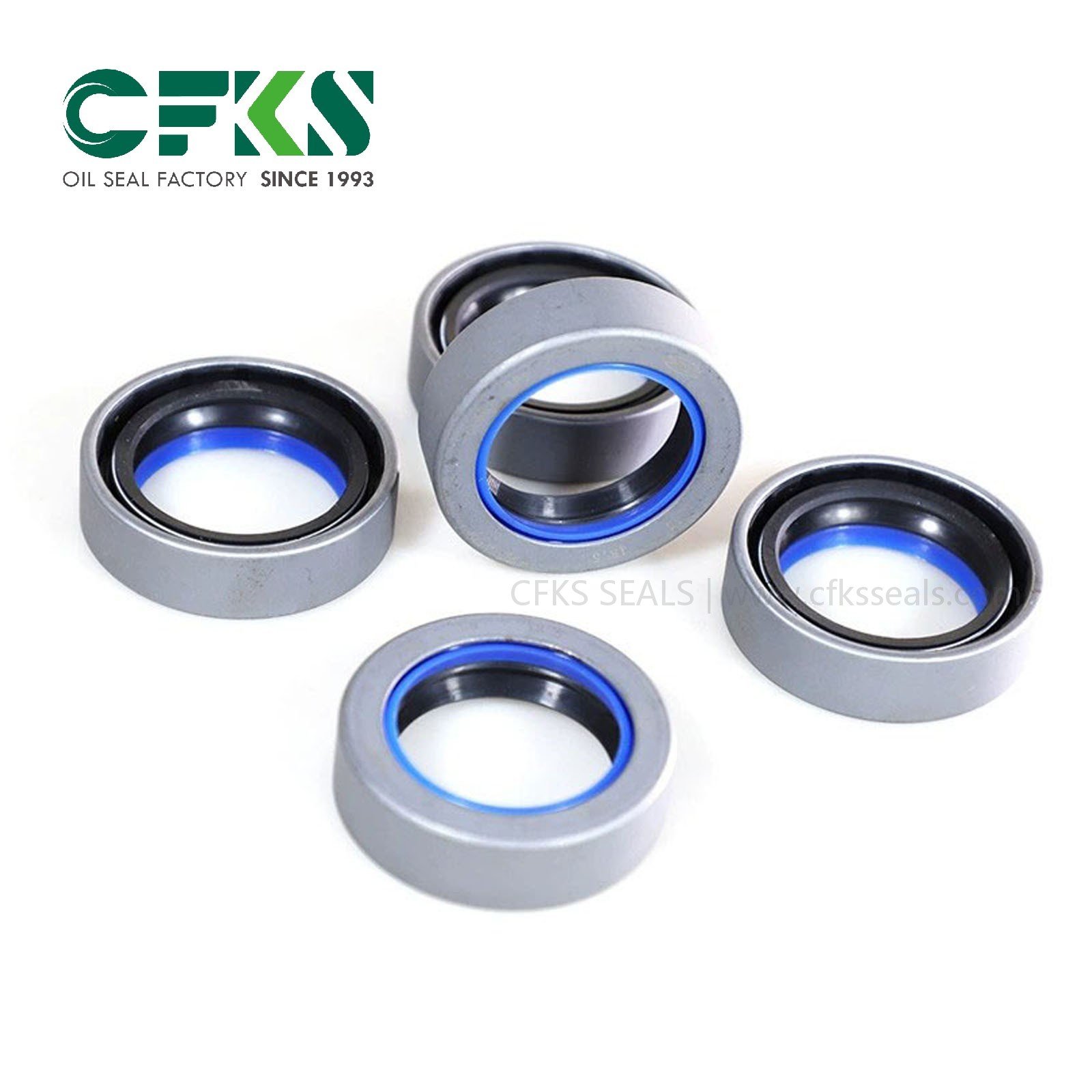
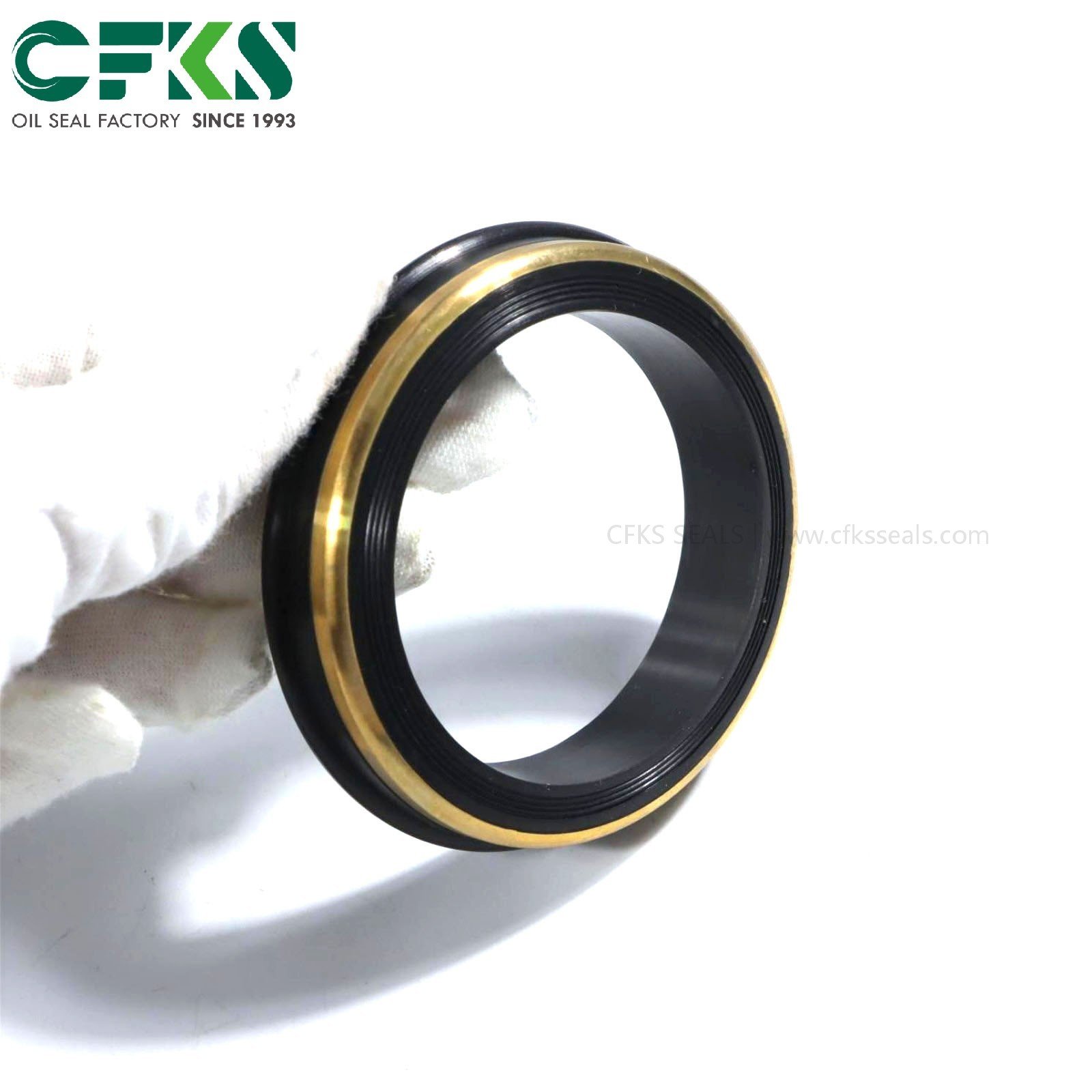
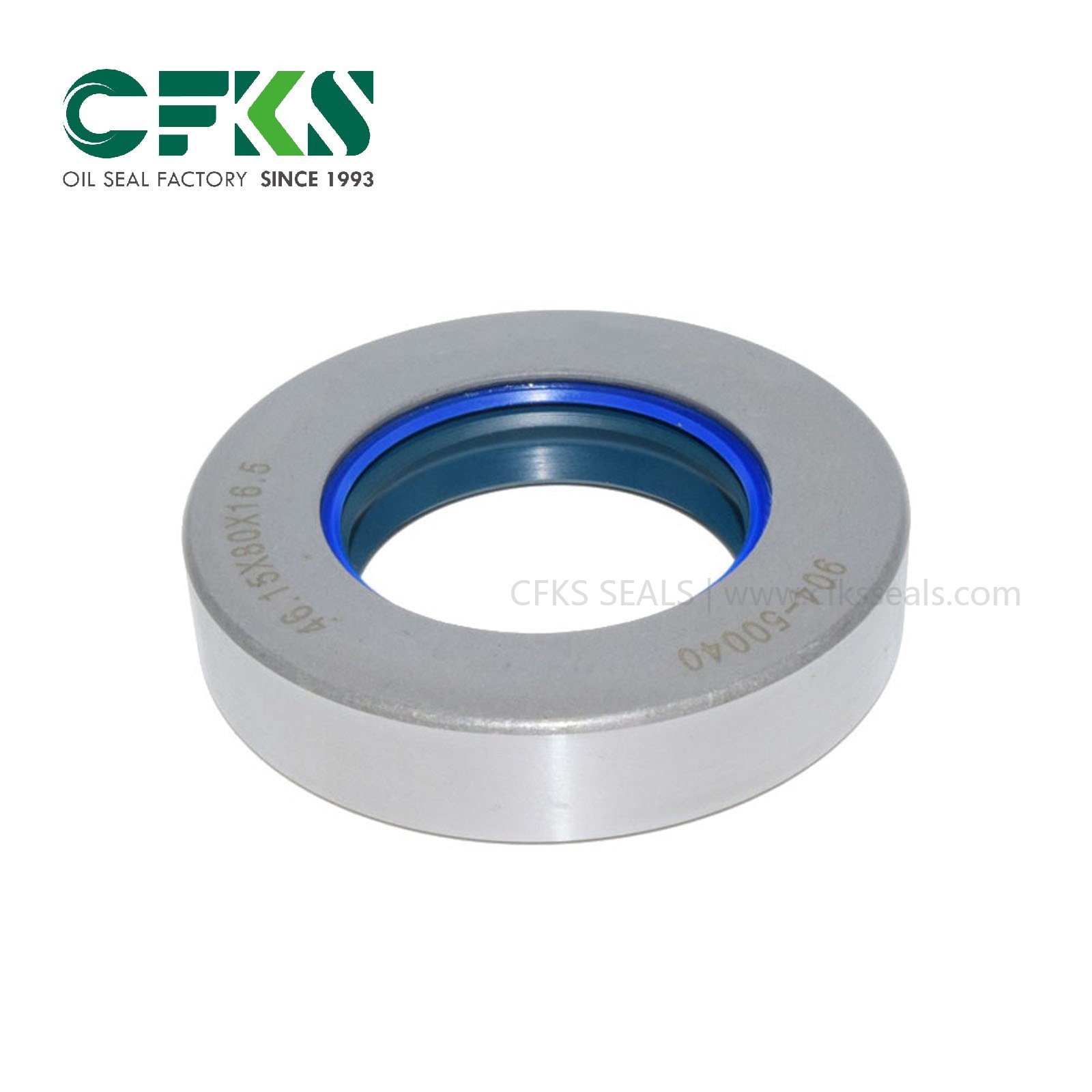
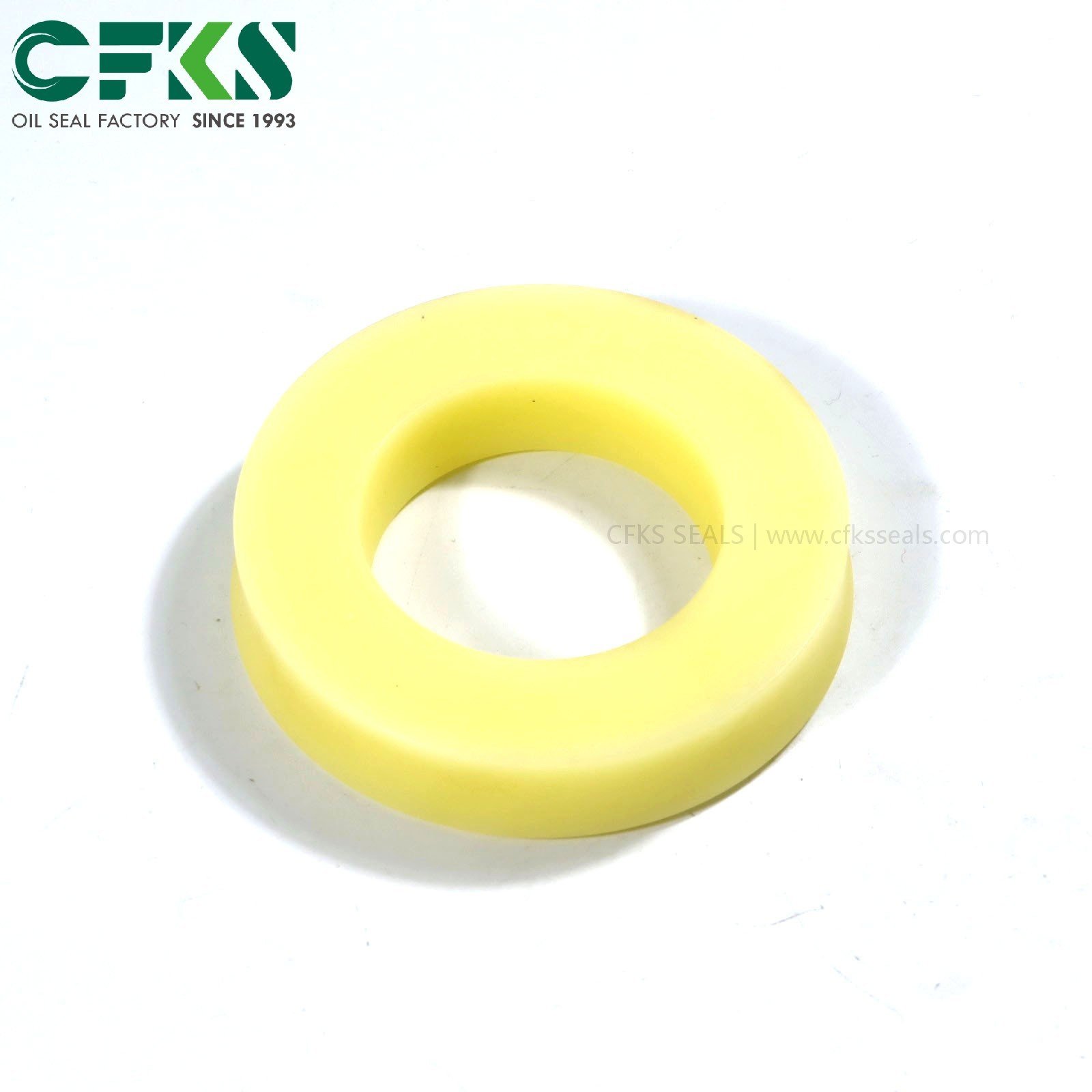
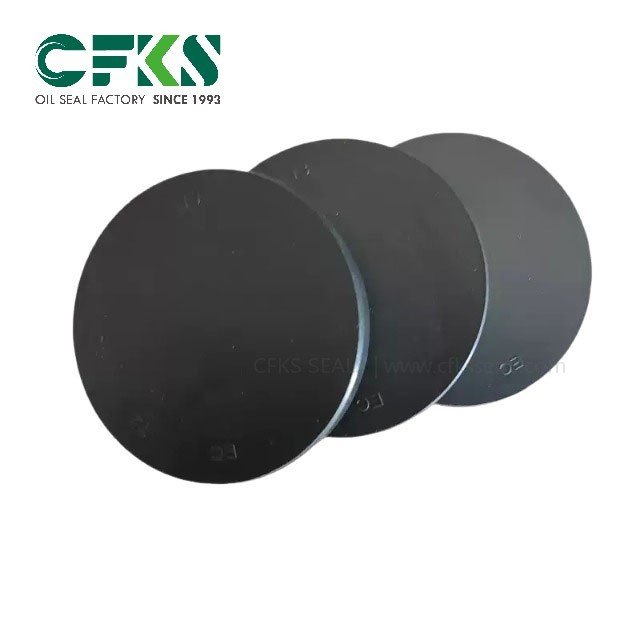
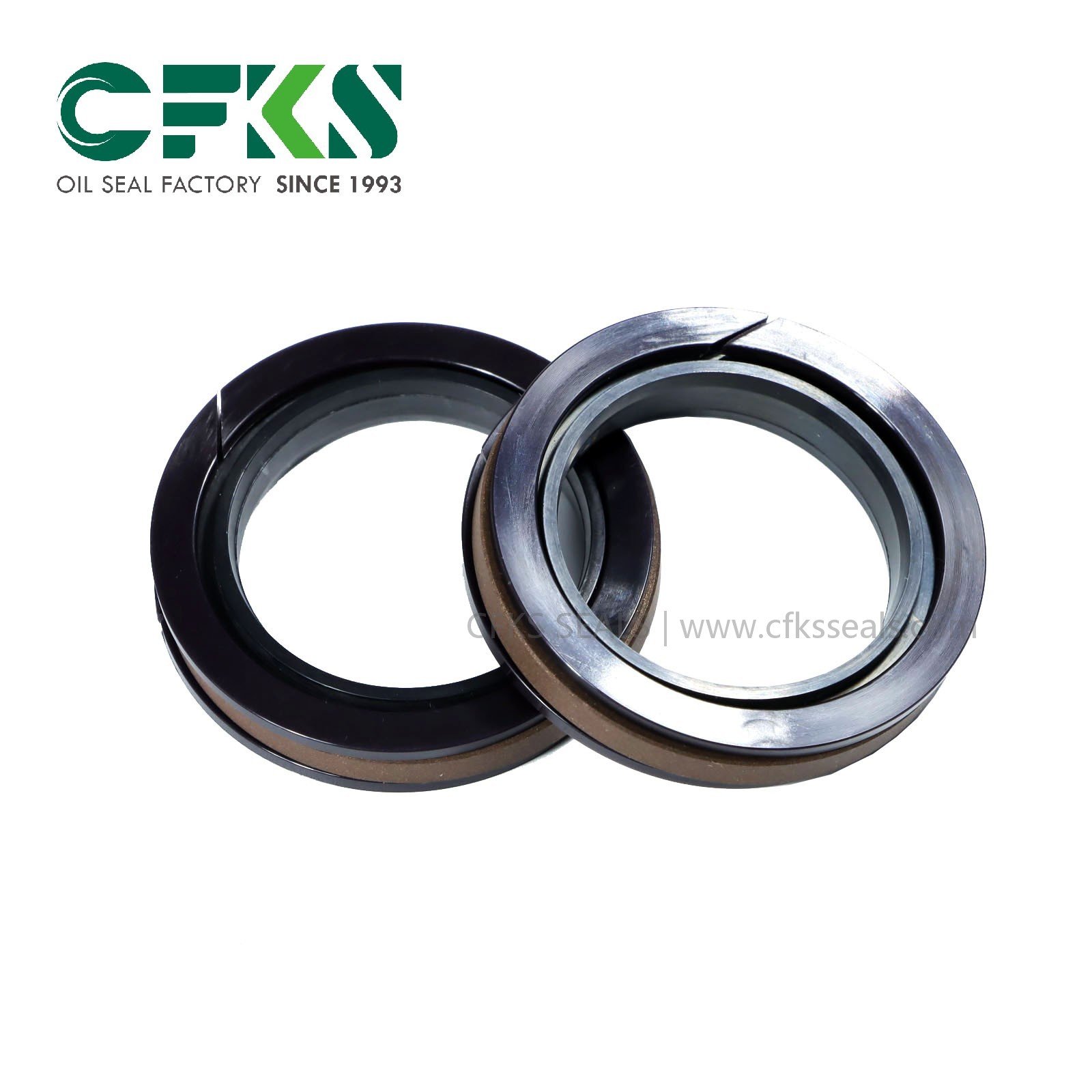
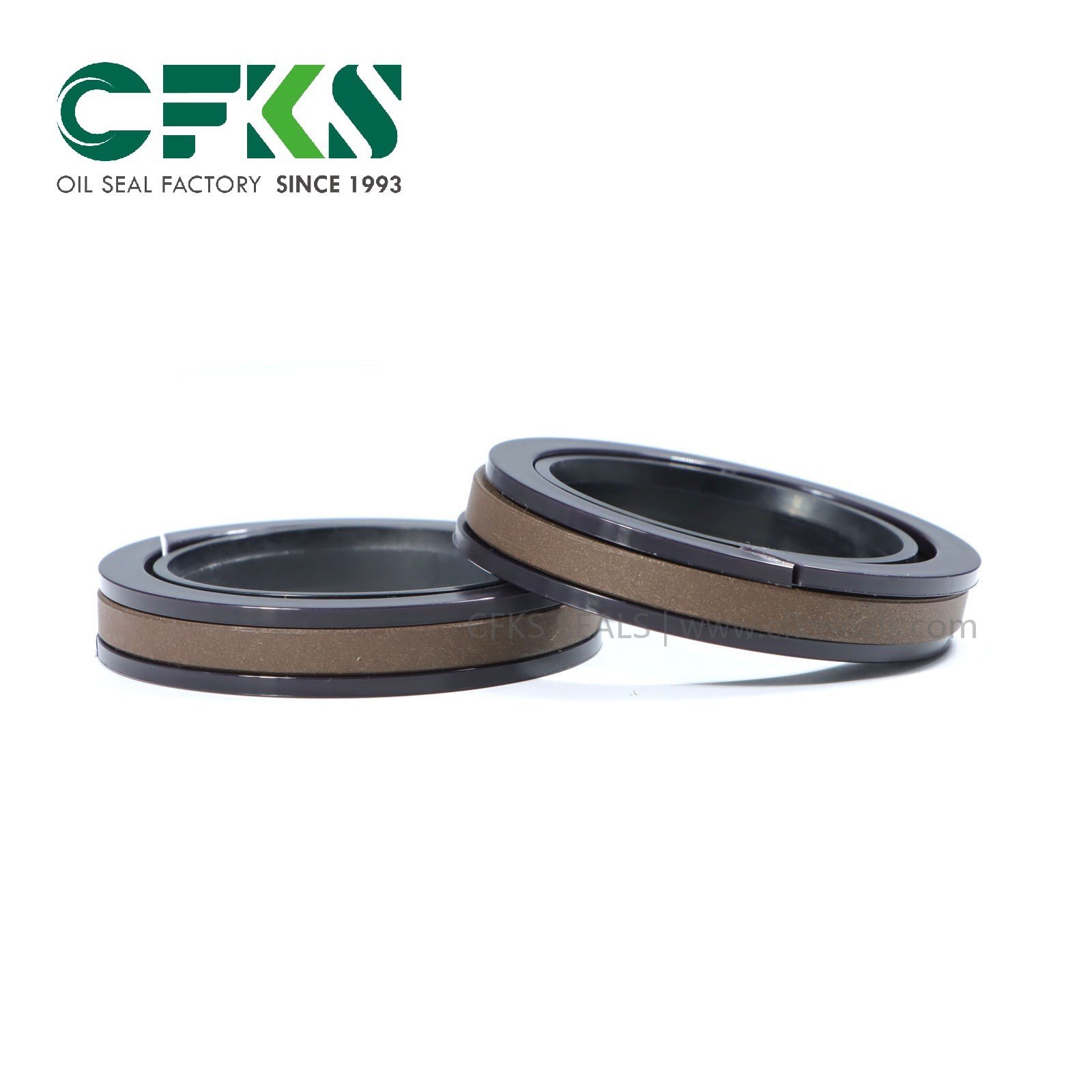
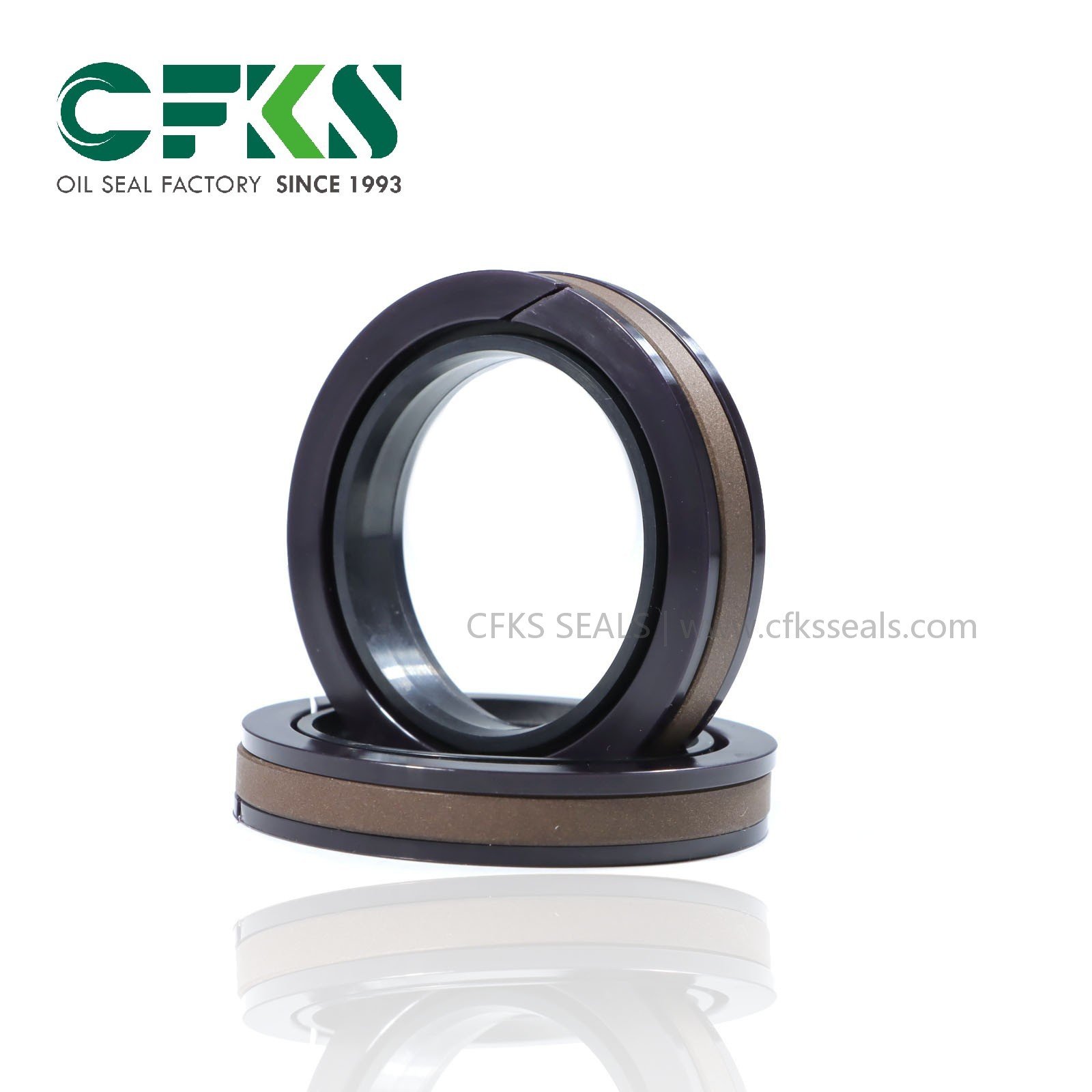
CFKS Heavy Duty Hydraulic Double Acting PTFE Piston SPGW Seal Excavator SPGW Glide Ring

The CFKS Heavy Duty SPGW Piston Seal is a high-performance, double-acting composite glide ring engineered exclusively for the extreme environments of heavy mobile fluid power. Specifically designed for excavator boom, arm, and bucket cylinders, this 4-piece sealing system completely eliminates fluid bypass under massive shock loads. By combining a low-friction PTFE glide ring with a rubber energizer and rigid anti-extrusion backups, the SPGW profile delivers unparalleled durability in high-pressure bidirectional hydraulic applications.

  • Extreme Extrusion Resistance: Integrated POM (Polyacetal) back-up rings actively bridge the hardware clearance gap, preventing seal extrusion during 400+ Bar (5,800 PSI) pressure spikes.

  • Zero “Stick-Slip” Operation: The bronze-filled PTFE dynamic face ensures hyper-smooth piston actuation, providing precise operator control during delicate grading or heavy trenching operations.

  • Double-Acting Architecture: A single SPGW assembly provides perfect bidirectional sealing, allowing for compact, heavy-duty piston designs.

Find your sealing solution with CFKS — contact us for a quote.
Brand Name CFKS OEM  Accpetable
Material NBR FKM Silicone  Features  wear resistance
Dimensions Customized Certificate  ISO9001/TS16949
Type Split Rotary Shaft Seal  Packing 1 pc per bag


At the core is an elastomeric NBR energizer ring. As system pressure builds, this rubber core physically expands, forcing the outer PTFE (Teflon) glide ring directly against the honed cylinder barrel to maintain a leak-proof hydrodynamic boundary. Flanking both sides of the seal are rigid, L-shaped POM back-up rings. When digging forces generate massive hydraulic shock waves, these back-up rings are pushed outward against the cylinder wall, completely closing the extrusion gap and protecting the internal PTFE and NBR components from being sheared or destroyed.

The performance envelope of the SPGW glide ring is dictated by its specialized material composite, designed for continuous operation in aggressive construction and mining environments.

  • Dynamic Glide Ring (Bronze-Filled PTFE): Pure PTFE is too soft for heavy hydraulics. We compound our glide rings with high-density Bronze powder. This provides exceptional compressive strength, massive wear resistance, and high thermal conductivity to pull friction-generated heat away from the seal face.

  • Anti-Extrusion Rings (POM / Nylon): Polyoxymethylene (POM) is a highly rigid engineering thermoplastic. It easily handles the immense shear forces generated by a heavy-duty excavator piston pushing against high-pressure hydraulic fluid.

  • Static Energizer (High-Density NBR): The square-profiled NBR core provides permanent “memory” and radial force, ensuring the seal maintains boundary contact even at zero system pressure.

To ensure a factory-perfect installation, technicians must first heat the PTFE ring in clean hydraulic oil or water to approximately 80°C – 100°C to soften the material. It should then be carefully expanded over the piston using an installation cone. Once seated over the NBR energizer and flanked by the POM back-ups, the stretched PTFE will be loose. You must use a mechanical sizing sleeve (calibration tool) to compress the PTFE back to its precise operating diameter before inserting the piston assembly into the cylinder barrel. Failure to properly resize the ring will cause the PTFE to catch and shear on the cylinder chamfer during insertion.

Frequently Asked Questions (FAQ)

Why does my CFKS oil seal fail prematurely? Common causes and prevention tips2025-06-26T15:44:39+08:00

Premature oil seal failure can result from improper installation, poor shaft finish, incorrect material selection, or excessive pressure. To prevent this, ensure the shaft surface is smooth and within tolerance, use correct tools during installation, and choose seals made from materials compatible with your media and temperature.

How to correctly install a CFKS industrial oil seal to avoid leakage2025-06-26T16:04:32+08:00

Always clean the shaft and bore before installation. Use appropriate seal drivers to avoid deformation. Lubricate the lip before fitting to reduce friction during the first rotation. Ensure the seal is seated evenly and not tilted to avoid leaks.

What to do when your CFKS hydraulic seal is leaking under pressure2025-05-20T16:33:14+08:00

Check if the pressure exceeds the seal’s rated limit. Examine for wear, hardening, or improper installation. Replace the seal if damaged, and consider upgrading to a high-pressure CFKS seal variant. Also, verify that the housing and shaft are properly aligned.

How to choose the right CFKS oil seal for extreme operating environments2025-05-20T16:34:39+08:00

For high temperatures, aggressive chemicals, or abrasive environments, choose CFKS seals made of FKM, PTFE, or high-performance elastomers. Consider using seals with protective dust lips or metal casing. Our team can recommend the best fit for your application.


MESSAGE

Go to Top