Sealing Excellence, Securing Industry

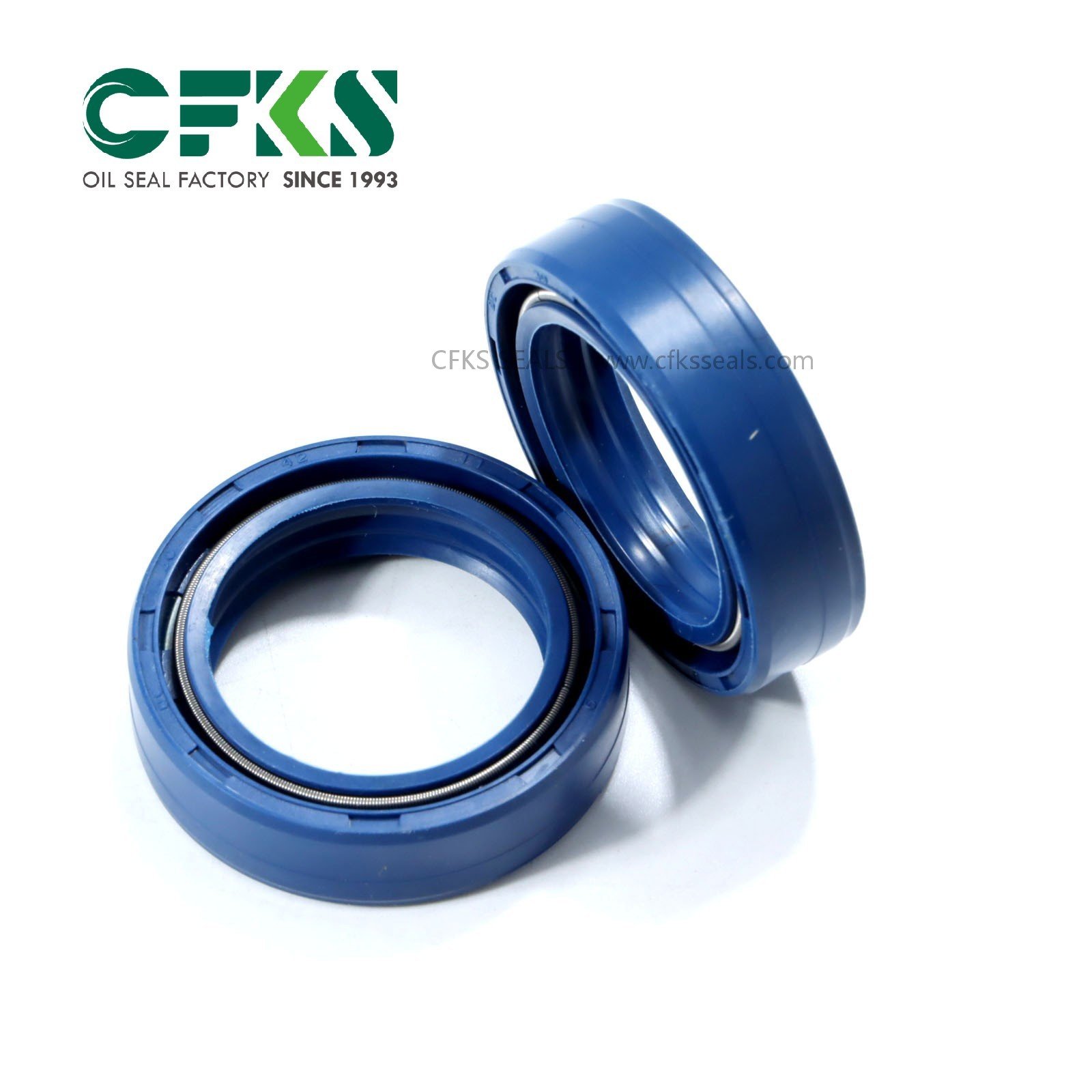
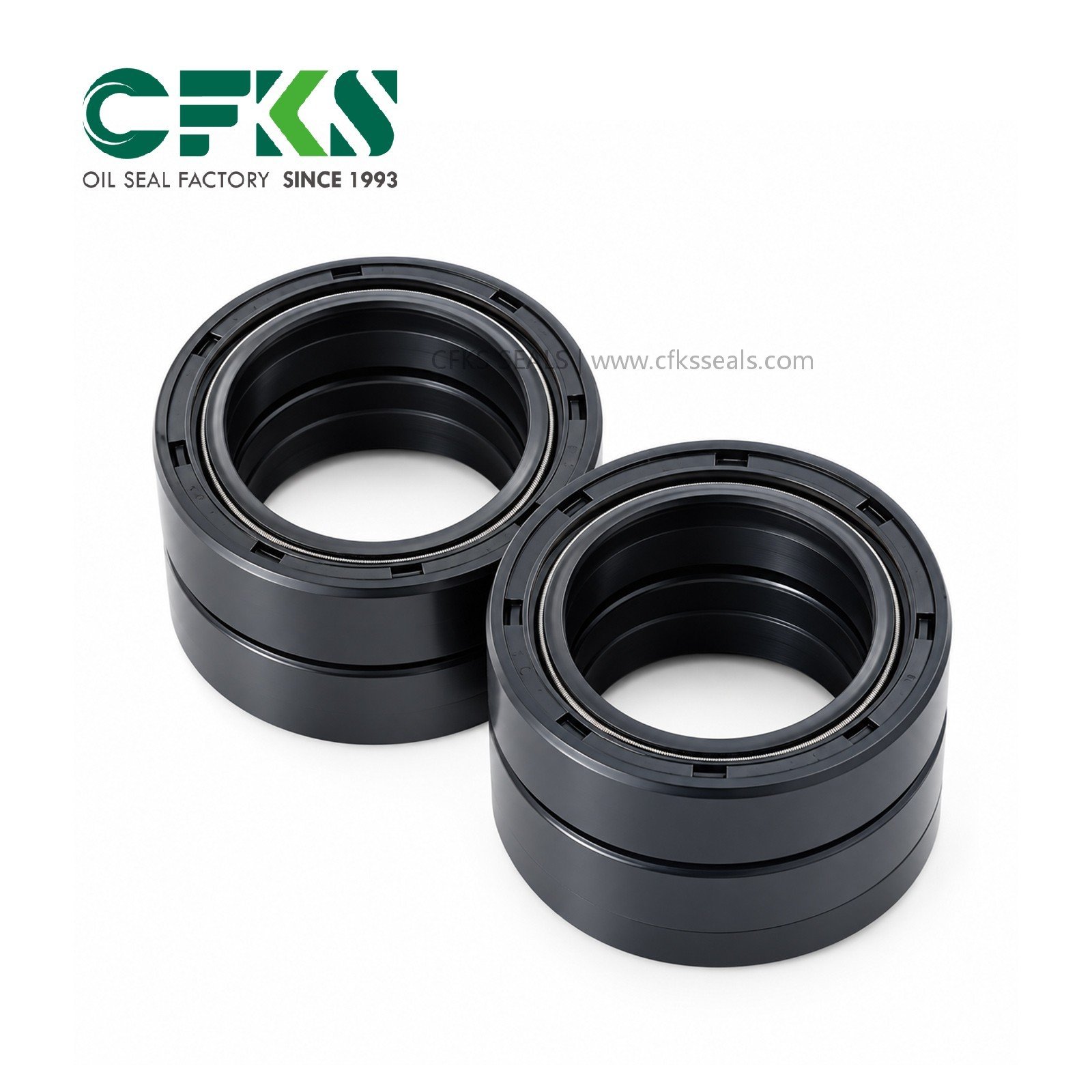
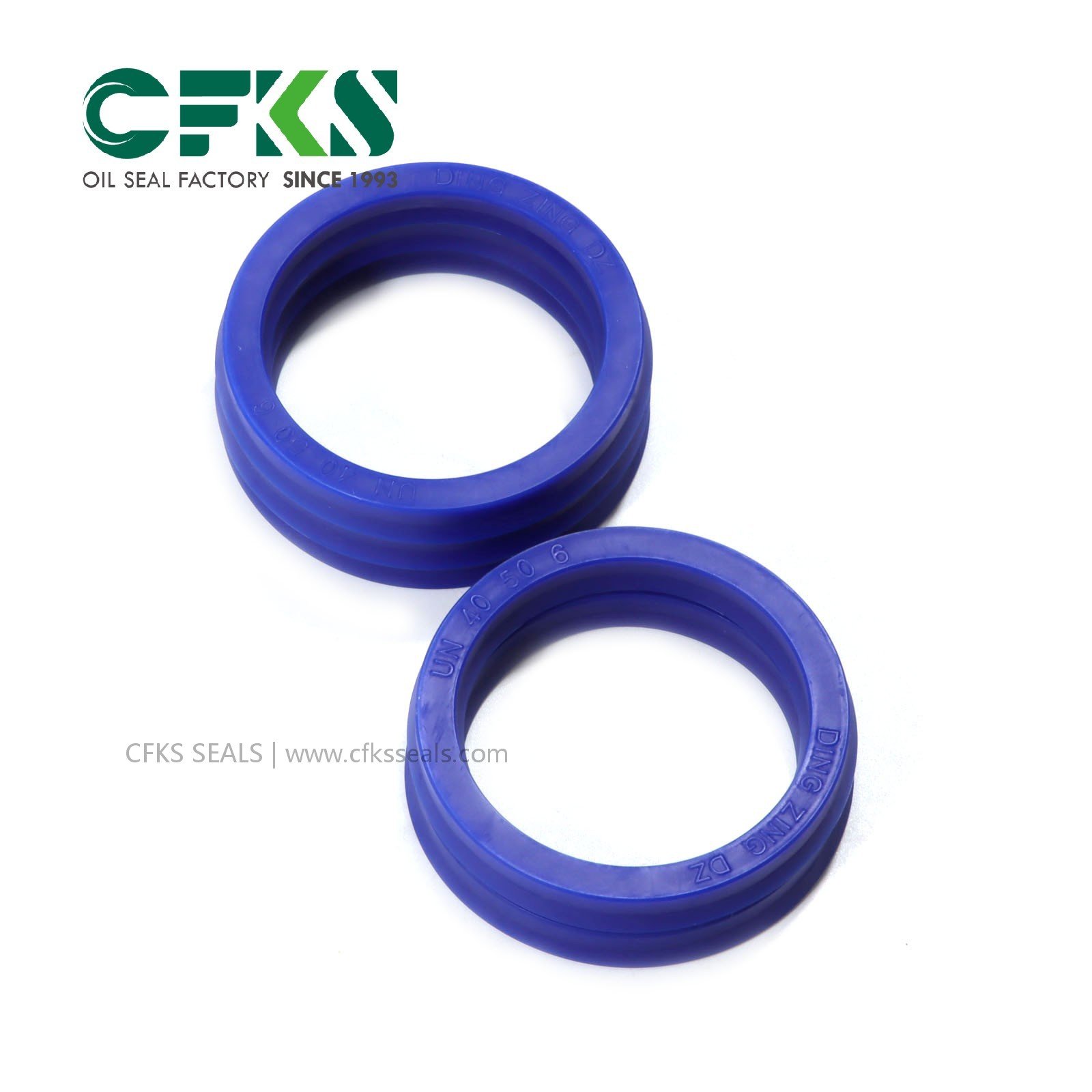
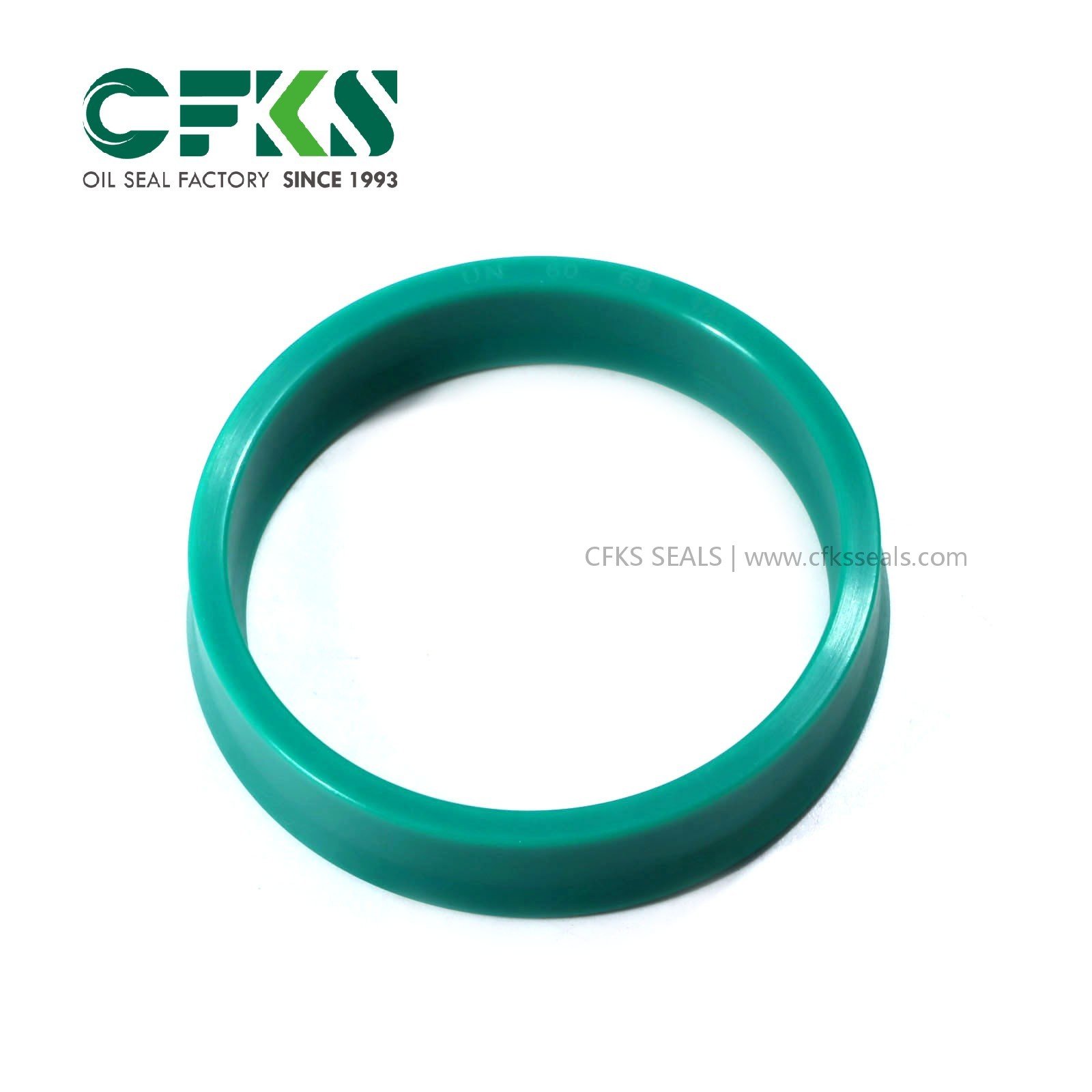
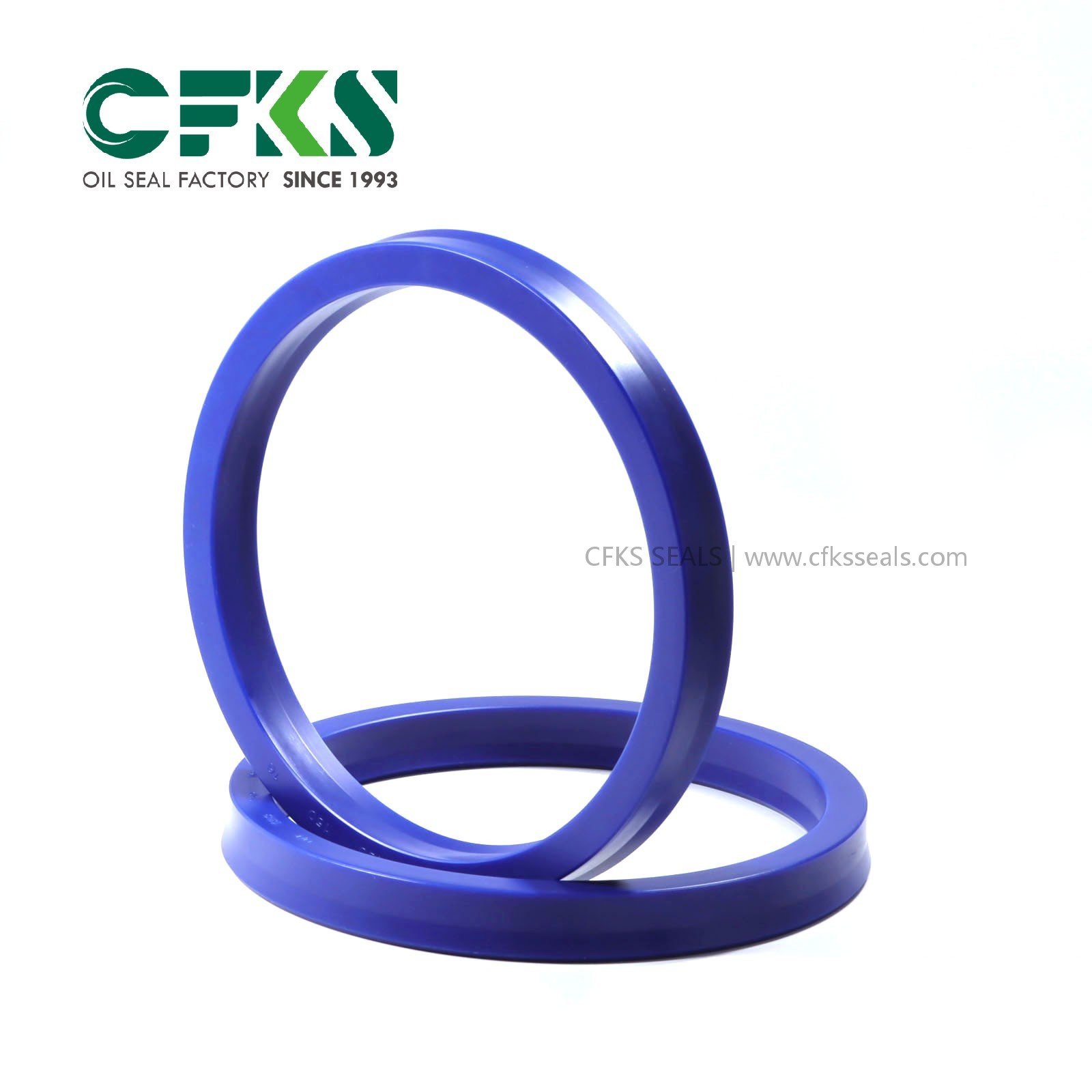
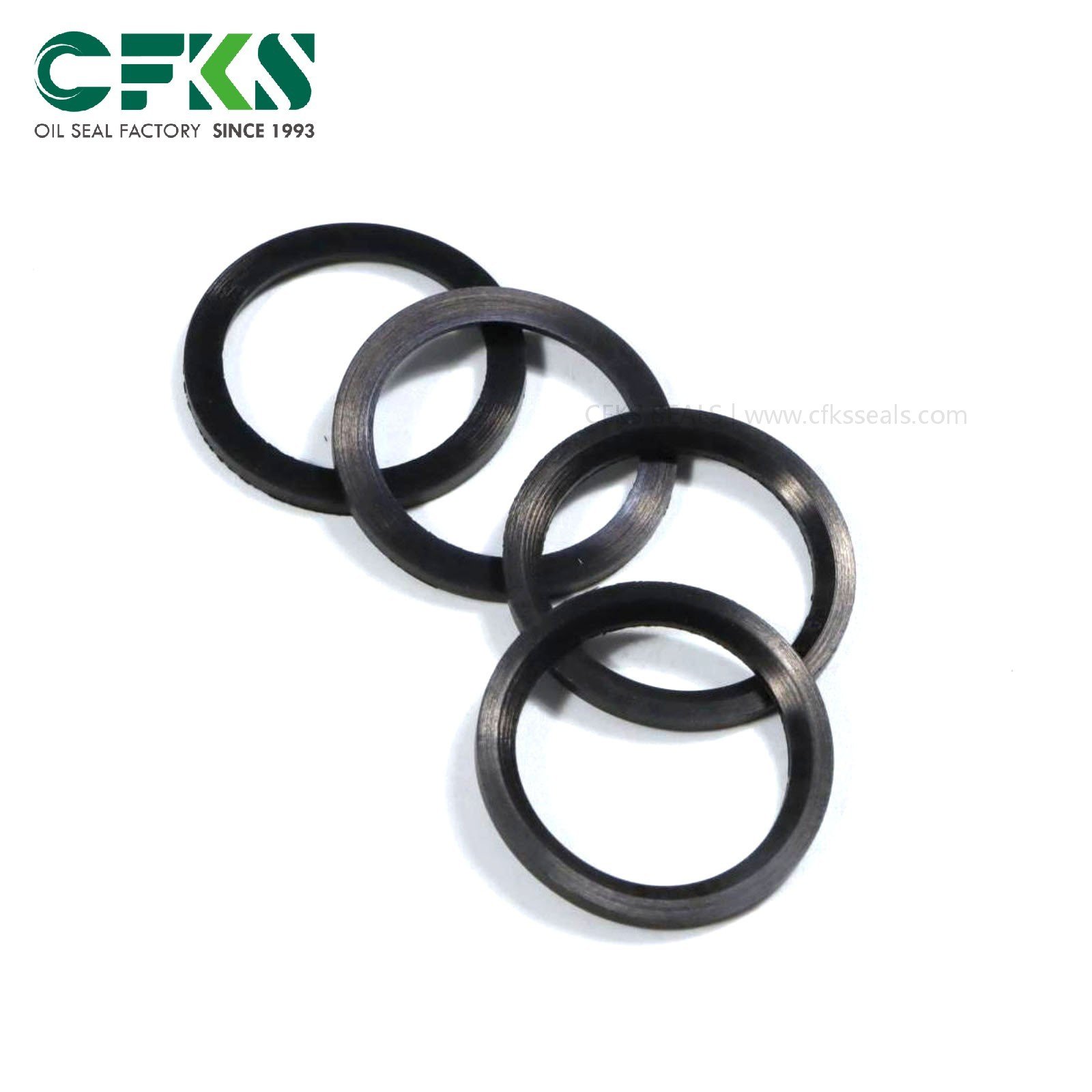
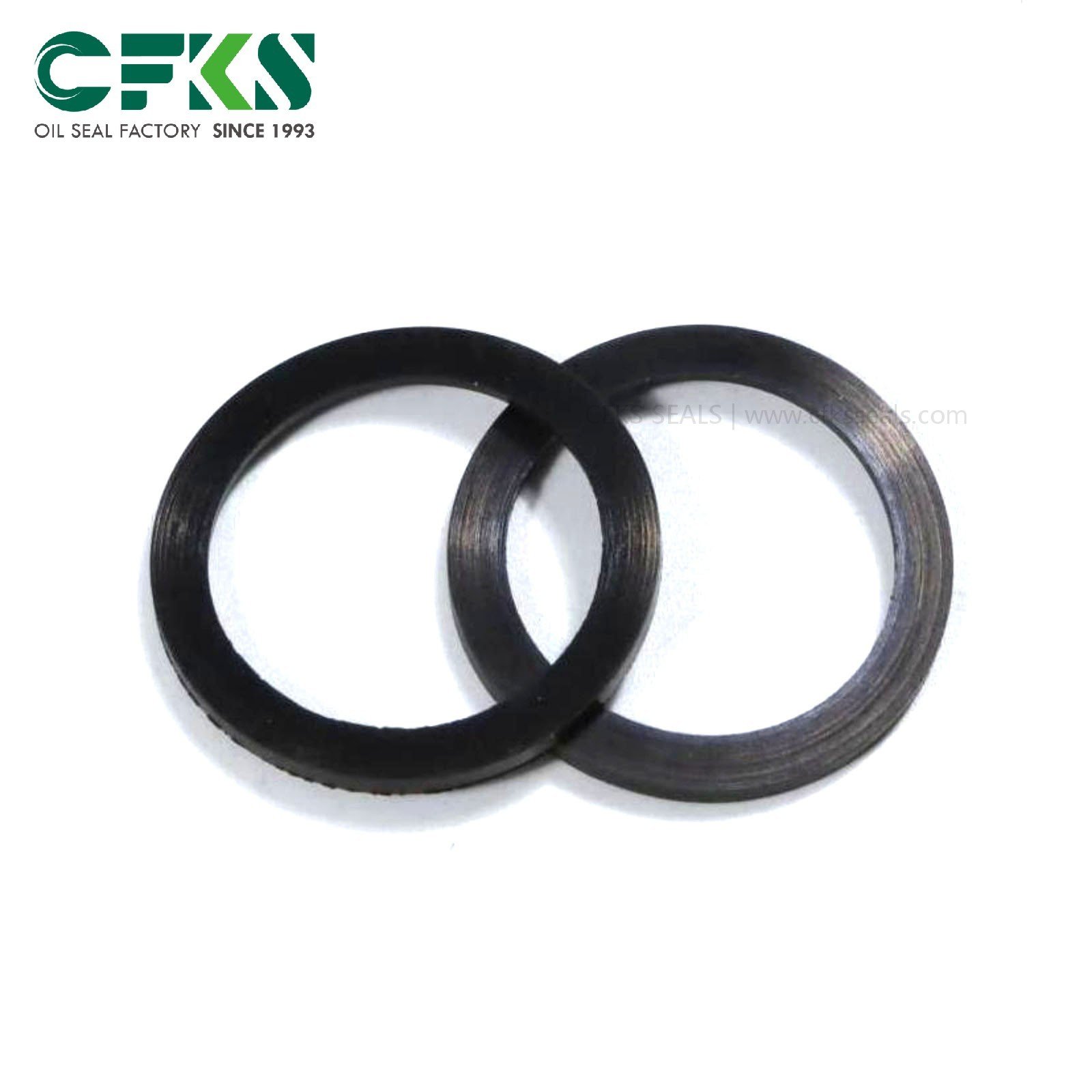
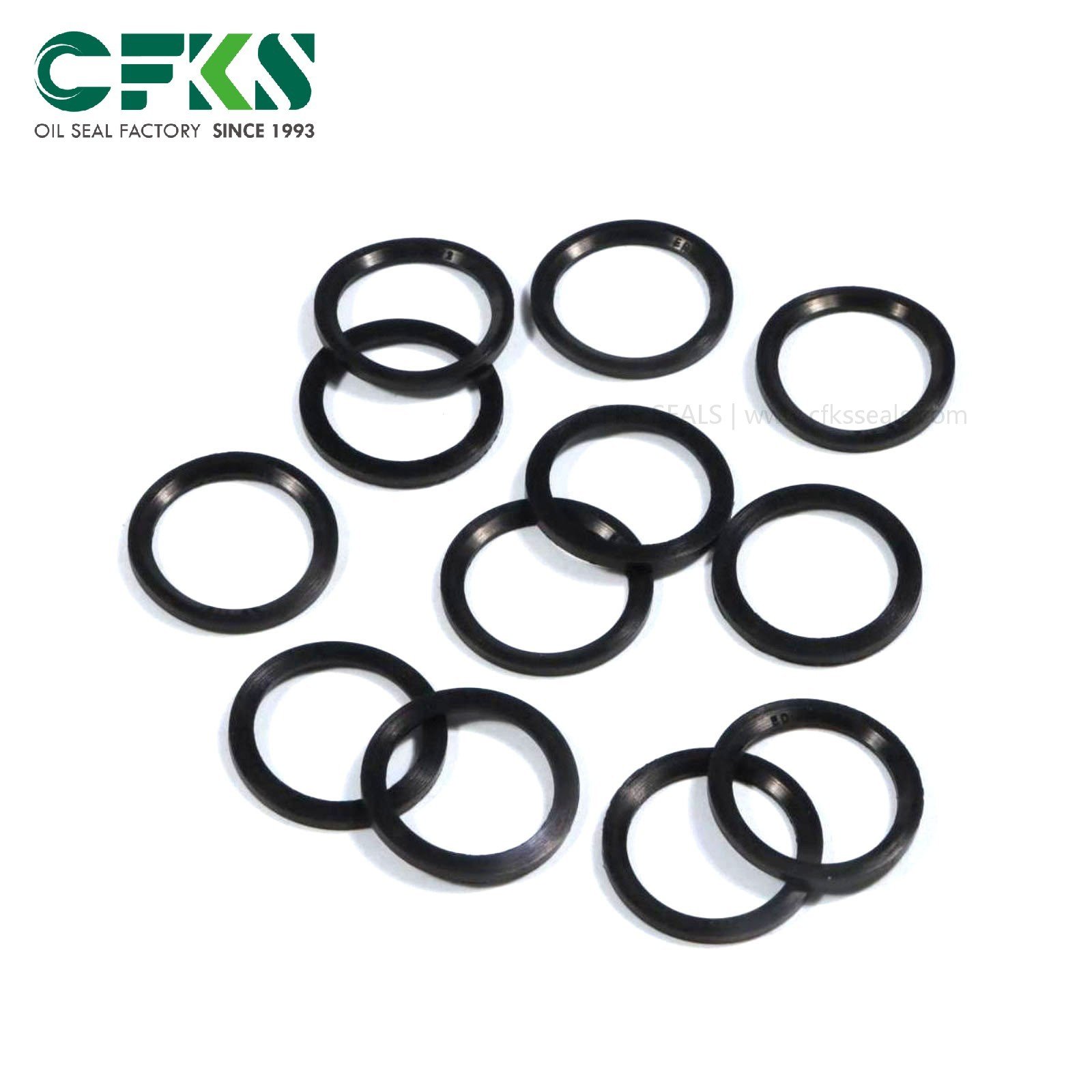
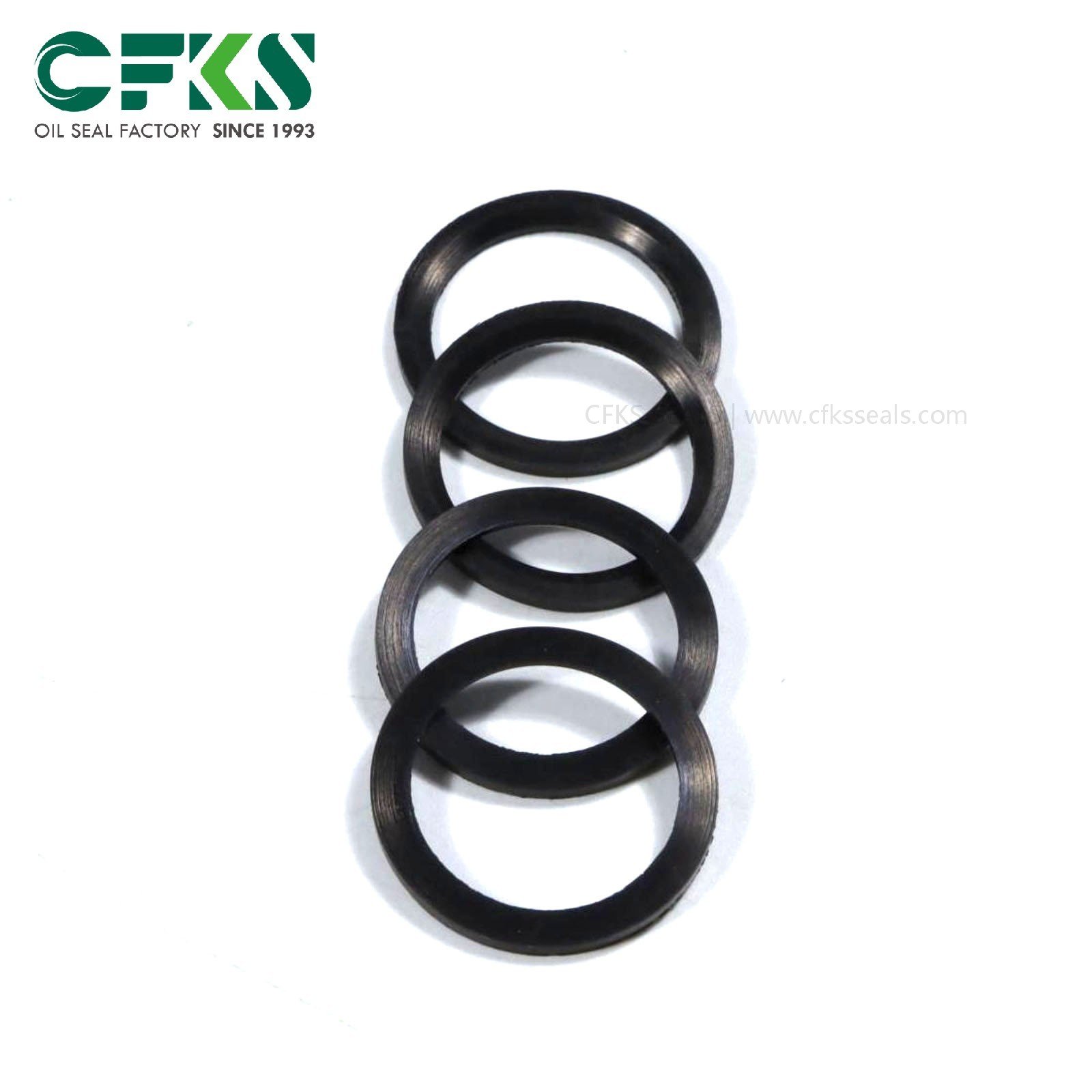
CFKS ED Ring Seal DIN 3869 NBR FKM Hydraulic Axial Static Seal Threaded Port Seal

The CFKS ED Ring Seal, engineered specifically to DIN 3869 standards, provides a highly dependable axial static sealing solution for threaded ports and fluid connectors. By utilizing controlled elastomer deformation, this seal effectively bridges micro-clearances, completely preventing fluid bypass even under extreme pressure fluctuations and systemic vibration.

Exceptional Geometric Stability: Engineered cross-section prevents extrusion and rolling in heavy-duty, high-pressure hydraulic circuits.

Broad Chemical Compatibility: Available in premium NBR and FKM elastomers to safely handle aggressive media and extreme thermal loads.

Drop-In Assembly Profile: Designed for straightforward, twist-free seating within standard undercut grooves, reducing installation errors.

Find your sealing solution with CFKS — contact us for a quote.
Product Name CFKS ED Ring Seal DIN 3869 Material NBR / FKM / PU Type Axial Static Profile Seal
Specification DIN 3869 (Customization Supported) Feature High-Pressure & Extrusion Resistant Hardness 70 to 90 Shore A
Work Temperature -20°C to 220°C Usage Threaded Ports, Valves, Fittings, Flanges, Plugs, Cylinders Standard Compliance DIN EN ISO 1179-2
Pressure Limit Up to 600 bar Fluid Media Hydraulic Oils, Water, Emulsions Installation Style Direct Port Undercut Insert


Engineering Principle: Axial Static Sealing Dynamics
As engineers, we recognize that high-vibration threaded connections are notorious for micro-leakage and pressure drops. While traditional rotational VA-type seals rely on centrifugal force and dynamic lip contact, the ED ring operates on a strictly controlled axial static compression principle. When the threaded fitting is torqued, the elastomer undergoes calculated volumetric deformation, completely filling the housing cavity. This structural interference creates a robust barrier across the cross-section, dynamically compensating for manufacturing tolerances and pressure-induced hardware expansion without risking extrusion.

Material Selection & Durability: NBR vs. FKM Performance
Elastomer integrity dictates the longevity of your entire hydraulic system. For standard mineral-based hydraulic oils and lubricants, our NBR (Nitrile Butadiene Rubber) profile delivers excellent mechanical wear resistance and low-friction seating. However, when confronting aggressive media—such as phosphate ester fluids, synthetic lubricants, or elevated thermal operating environments—FKM (Fluoroelastomer) is the undeniable choice. FKM maintains its polymer matrix and resists chemical degradation, ensuring dimensional stability where standard compounds would rapidly vulcanize, swell, or degrade.

Installation & Maintenance: Effortless Assembly & Longevity
In industrial environments, maintenance efficiency is critical for minimizing system downtime. The inherent geometry of the DIN 3869 ED seal allows for a simple, direct insertion into threaded ports without the complex shaft-disassembly procedures often required by traditional radial lip seals. Its pre-defined profile ensures it seats securely within the fitting groove, entirely mitigating the risk of pinching, biting, or spiral failure during torque application. This translates to an exceptionally long service life with virtually zero friction-induced wear, keeping your fluid power systems running reliably and maintenance-free.

Frequently Asked Questions (FAQ)

Why does my CFKS oil seal fail prematurely? Common causes and prevention tips2025-06-26T15:44:39+08:00

Premature oil seal failure can result from improper installation, poor shaft finish, incorrect material selection, or excessive pressure. To prevent this, ensure the shaft surface is smooth and within tolerance, use correct tools during installation, and choose seals made from materials compatible with your media and temperature.

How to correctly install a CFKS industrial oil seal to avoid leakage2025-06-26T16:04:32+08:00

Always clean the shaft and bore before installation. Use appropriate seal drivers to avoid deformation. Lubricate the lip before fitting to reduce friction during the first rotation. Ensure the seal is seated evenly and not tilted to avoid leaks.

What to do when your CFKS hydraulic seal is leaking under pressure2025-05-20T16:33:14+08:00

Check if the pressure exceeds the seal’s rated limit. Examine for wear, hardening, or improper installation. Replace the seal if damaged, and consider upgrading to a high-pressure CFKS seal variant. Also, verify that the housing and shaft are properly aligned.

How to choose the right CFKS oil seal for extreme operating environments2025-05-20T16:34:39+08:00

For high temperatures, aggressive chemicals, or abrasive environments, choose CFKS seals made of FKM, PTFE, or high-performance elastomers. Consider using seals with protective dust lips or metal casing. Our team can recommend the best fit for your application.


MESSAGE

Go to Top