Sealing Excellence, Securing Industry

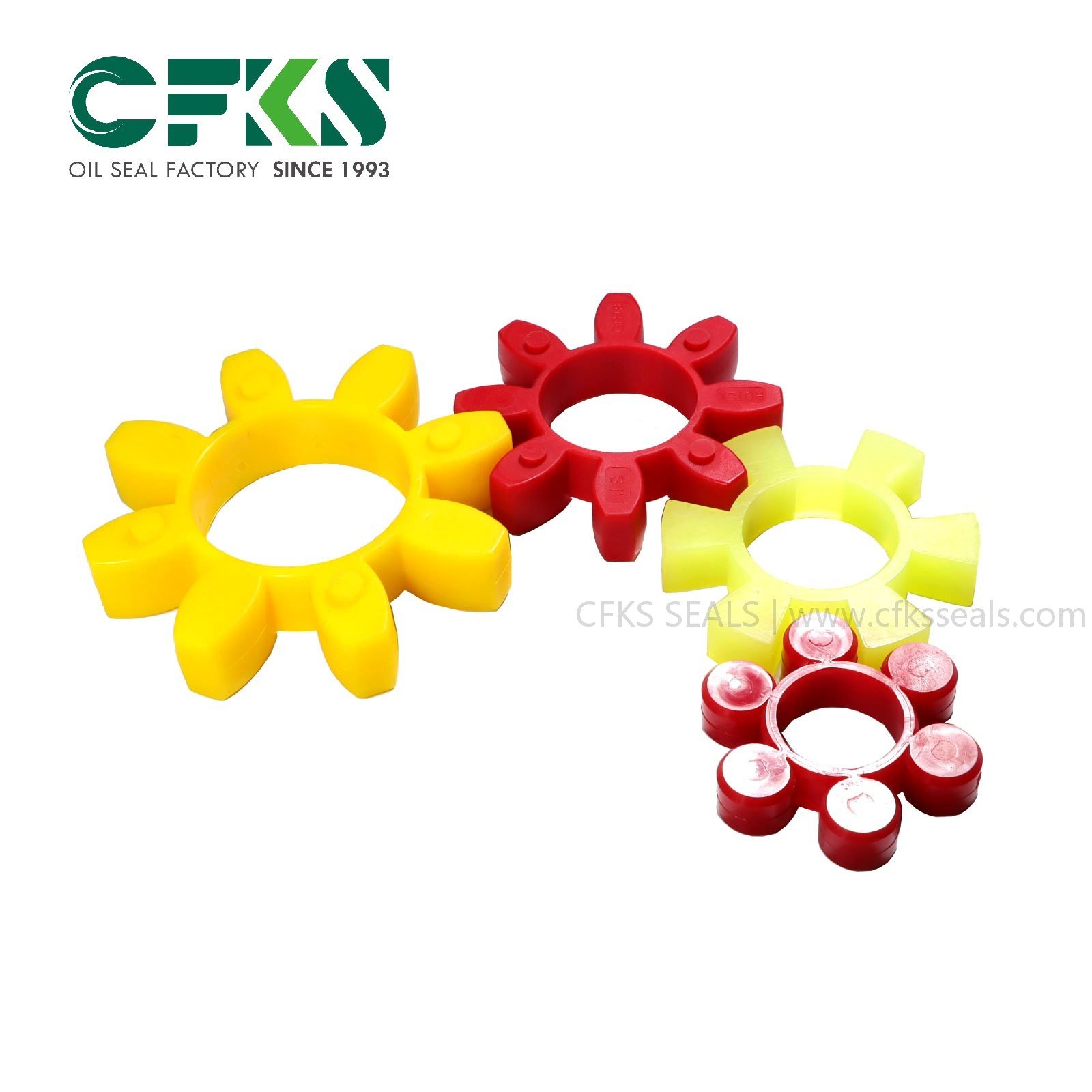
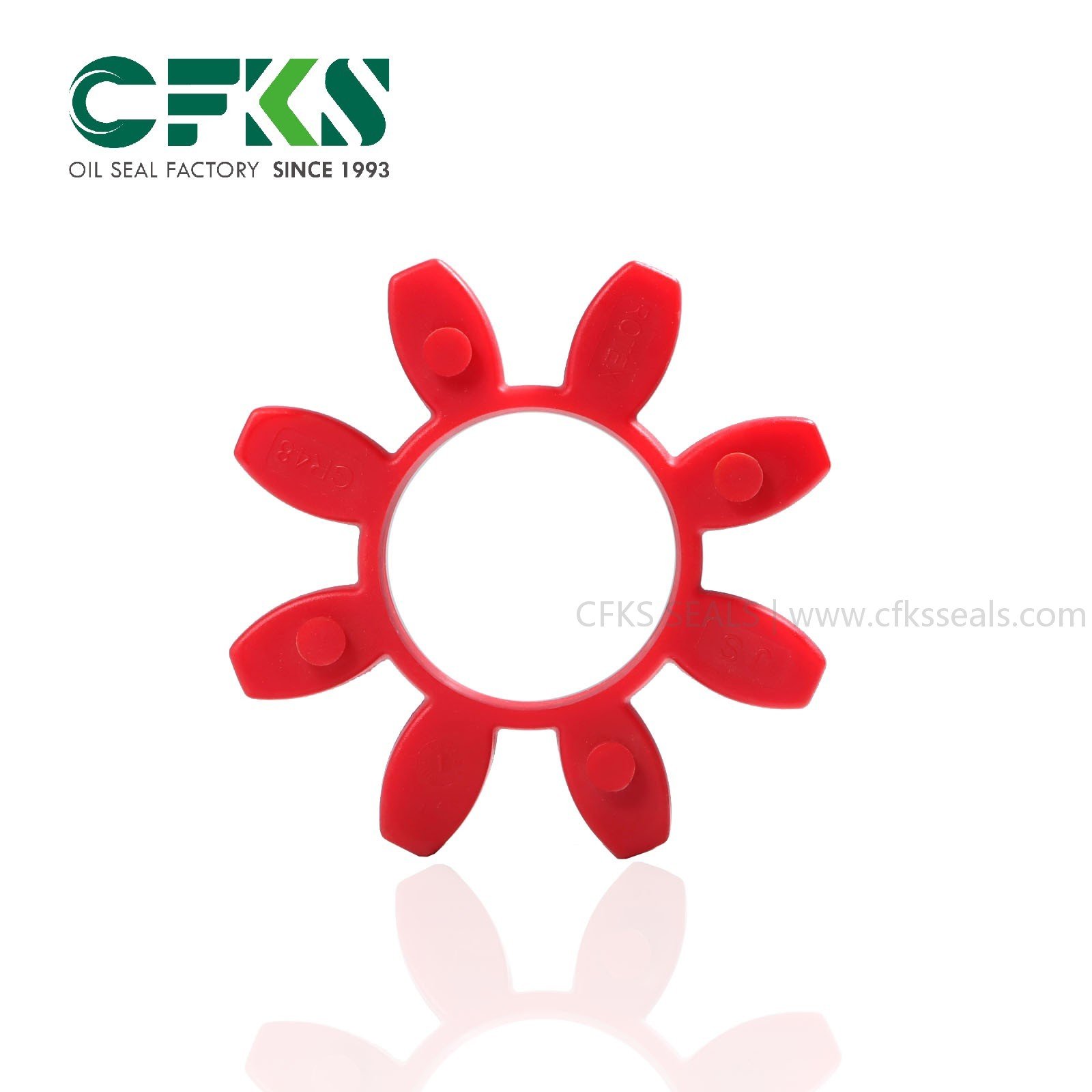
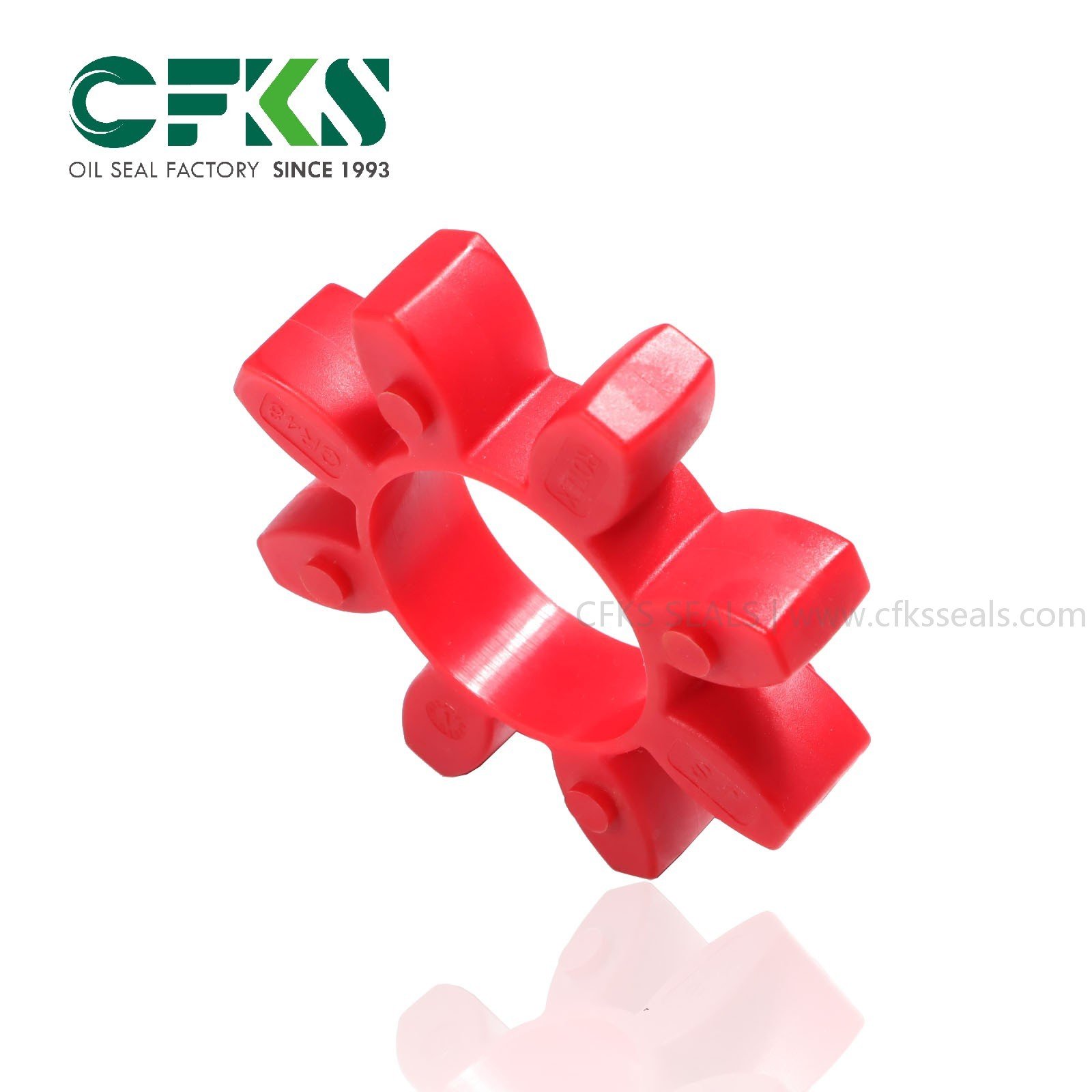
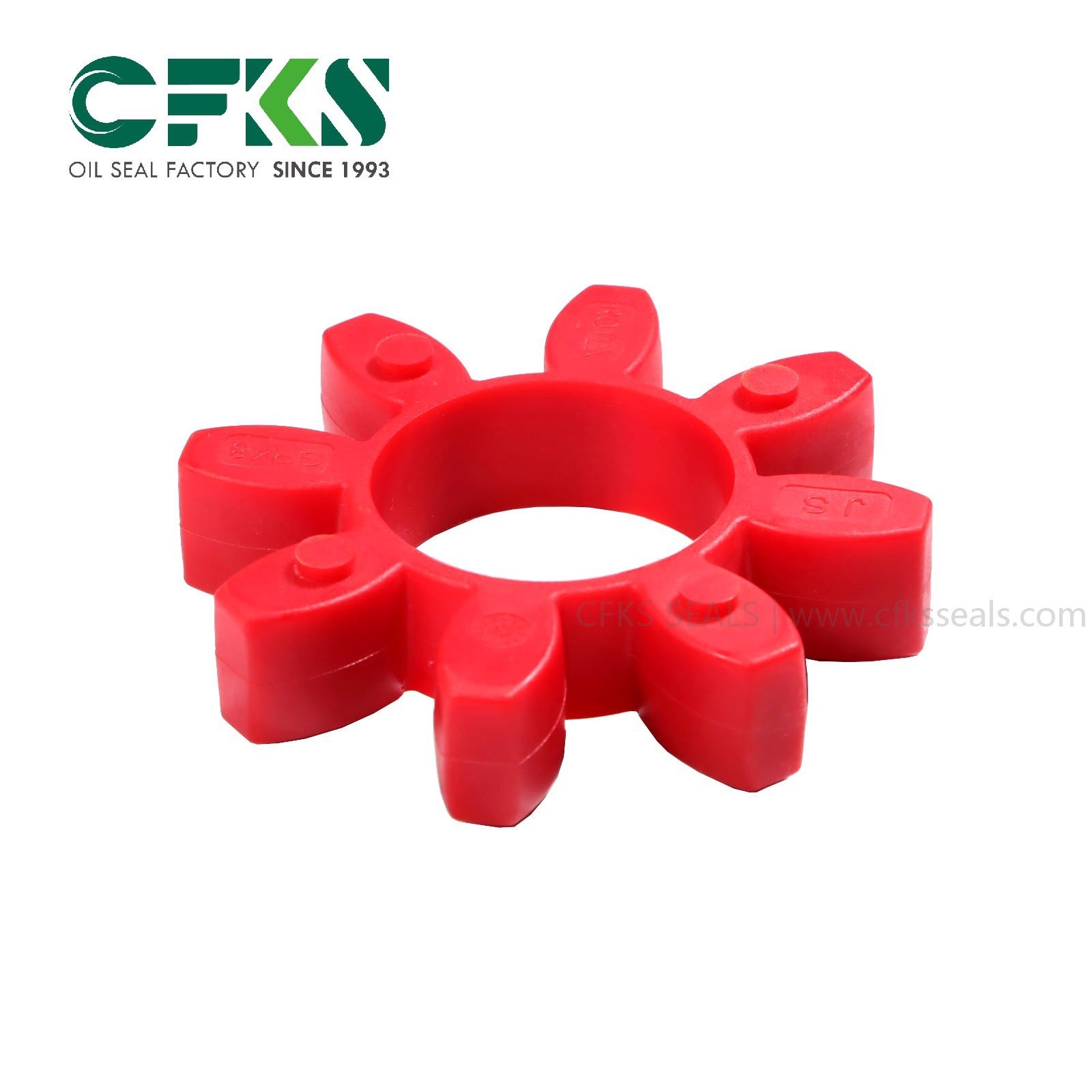
CFKS PU Coupling Spider GR 48 Insert Hydraulic Pump Jaw Flexible Coupling

The CFKS GR 48 Polyurethane Spider is a heavy-duty elastomeric insert engineered for jaw-style flexible couplings. Designed specifically to connect electric motors to high-pressure hydraulic pumps, this crucial driveline component absorbs torsional shock loads and compensates for unavoidable shaft misalignments, thereby protecting sensitive pump bearings and seals from premature mechanical failure.

  • Torsional Vibration Damping: Effectively isolates drivetrain resonance and reduces operational noise in hydraulic systems.

  • High Wear Resistance: Premium polyurethane compound withstands continuous compressive forces and petroleum-based fluids.

  • Fail-Safe Operation: Interlocking hub design ensures continuous power transmission even if the elastomeric element fails under extreme overload.

Find your sealing solution with CFKS — contact us for a quote.
Brand Name CFKS OEM  Accpetable
Material NBR FKM Silicone  Features  wear resistance
Dimensions Customized Certificate  ISO9001/TS16949
Type Coupling Spider  Packing 1 pc per bag


1️⃣ NBR Jaw Type Coupling Spider for Stable Power Transmission

The CFKS GR 48 elastomeric insert operates on the principle of compressive force transmission. Positioned between two interlocking metallic hubs, the spider transmits rotational energy purely through the compression of its involute-shaped lobes, entirely avoiding destructive shear stress. When the driving motor starts or experiences sudden load spikes from the hydraulic pump, these lobes deform elastically. This controlled deformation converts destructive kinetic shockwaves into minor thermal energy, effectively dampening drivetrain resonance and preventing torsional vibration from fracturing rigid metal components down the line.

2️⃣ Wear Resistant & Oil Resistant Performance

In heavy-duty fluid power applications, standard rubber (NBR) inserts rapidly degrade due to mechanical fatigue and oil saturation. Our GR 48 flexible inserts are injection-molded from a specialized Polyurethane (PU) elastomer. This advanced polymer matrix provides a dynamic load-bearing capacity that bridges the gap between rubber and plastic. More importantly, it is highly impervious to the hydraulic oils, synthetic lubricants, and environmental ozone frequently present in pump stations, ensuring the lobes do not swell, soften, or shear under continuous high-torque operation.

3️⃣Standard Size for Easy Installation

From a maintenance engineering perspective, the jaw coupling architecture offers unparalleled operational security and ease of service. The CFKS GR 48 spider allows for “blind assembly,” meaning the motor and hydraulic pump can be mated horizontally without requiring visual alignment of the internal components. This is a strictly dry-running system that completely eliminates the need for periodic grease lubrication. Crucially, the system features a built-in fail-safe: in the rare event of a catastrophic overload that destroys the polyurethane element, the metal jaws of the driving and driven hubs will physically interlock to maintain pump rotation, preventing a sudden, dangerous loss of system pressure.

Frequently Asked Questions (FAQ)

Why does my CFKS oil seal fail prematurely? Common causes and prevention tips2025-06-26T15:44:39+08:00

Premature oil seal failure can result from improper installation, poor shaft finish, incorrect material selection, or excessive pressure. To prevent this, ensure the shaft surface is smooth and within tolerance, use correct tools during installation, and choose seals made from materials compatible with your media and temperature.

How to correctly install a CFKS industrial oil seal to avoid leakage2025-06-26T16:04:32+08:00

Always clean the shaft and bore before installation. Use appropriate seal drivers to avoid deformation. Lubricate the lip before fitting to reduce friction during the first rotation. Ensure the seal is seated evenly and not tilted to avoid leaks.

What to do when your CFKS hydraulic seal is leaking under pressure2025-05-20T16:33:14+08:00

Check if the pressure exceeds the seal’s rated limit. Examine for wear, hardening, or improper installation. Replace the seal if damaged, and consider upgrading to a high-pressure CFKS seal variant. Also, verify that the housing and shaft are properly aligned.

How to choose the right CFKS oil seal for extreme operating environments2025-05-20T16:34:39+08:00

For high temperatures, aggressive chemicals, or abrasive environments, choose CFKS seals made of FKM, PTFE, or high-performance elastomers. Consider using seals with protective dust lips or metal casing. Our team can recommend the best fit for your application.


MESSAGE

Go to Top