Sealing Excellence, Securing Industry

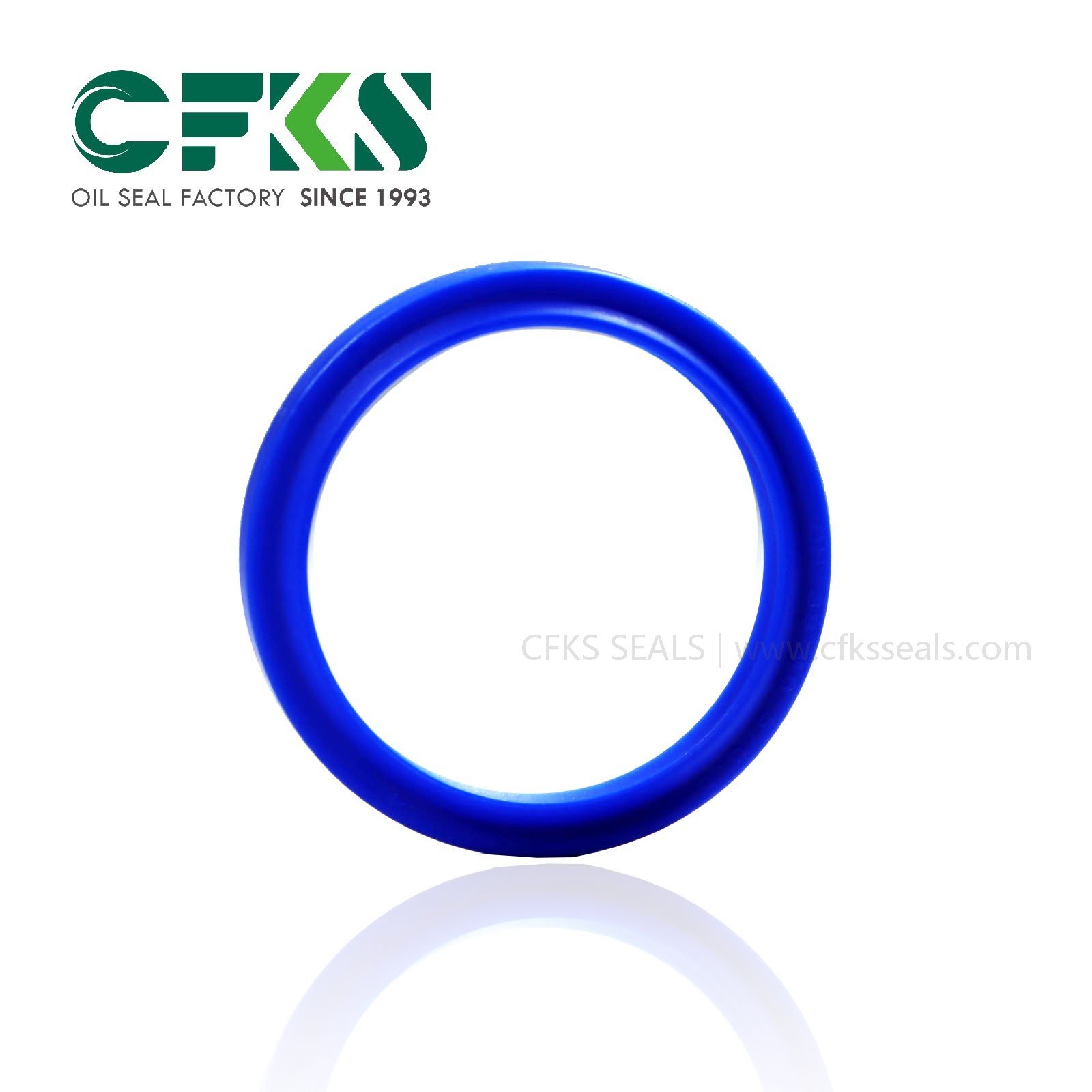
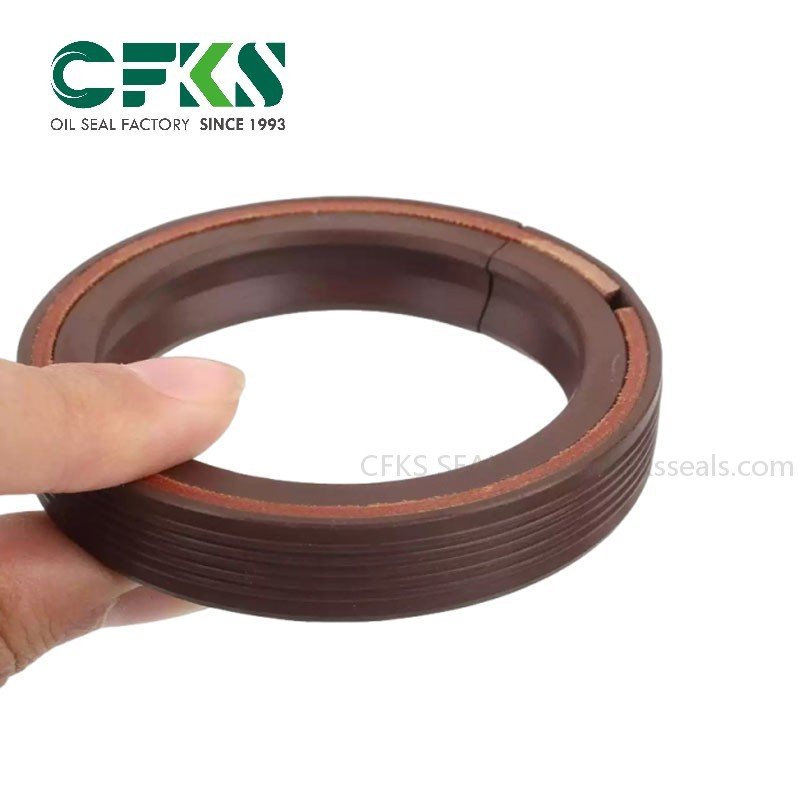
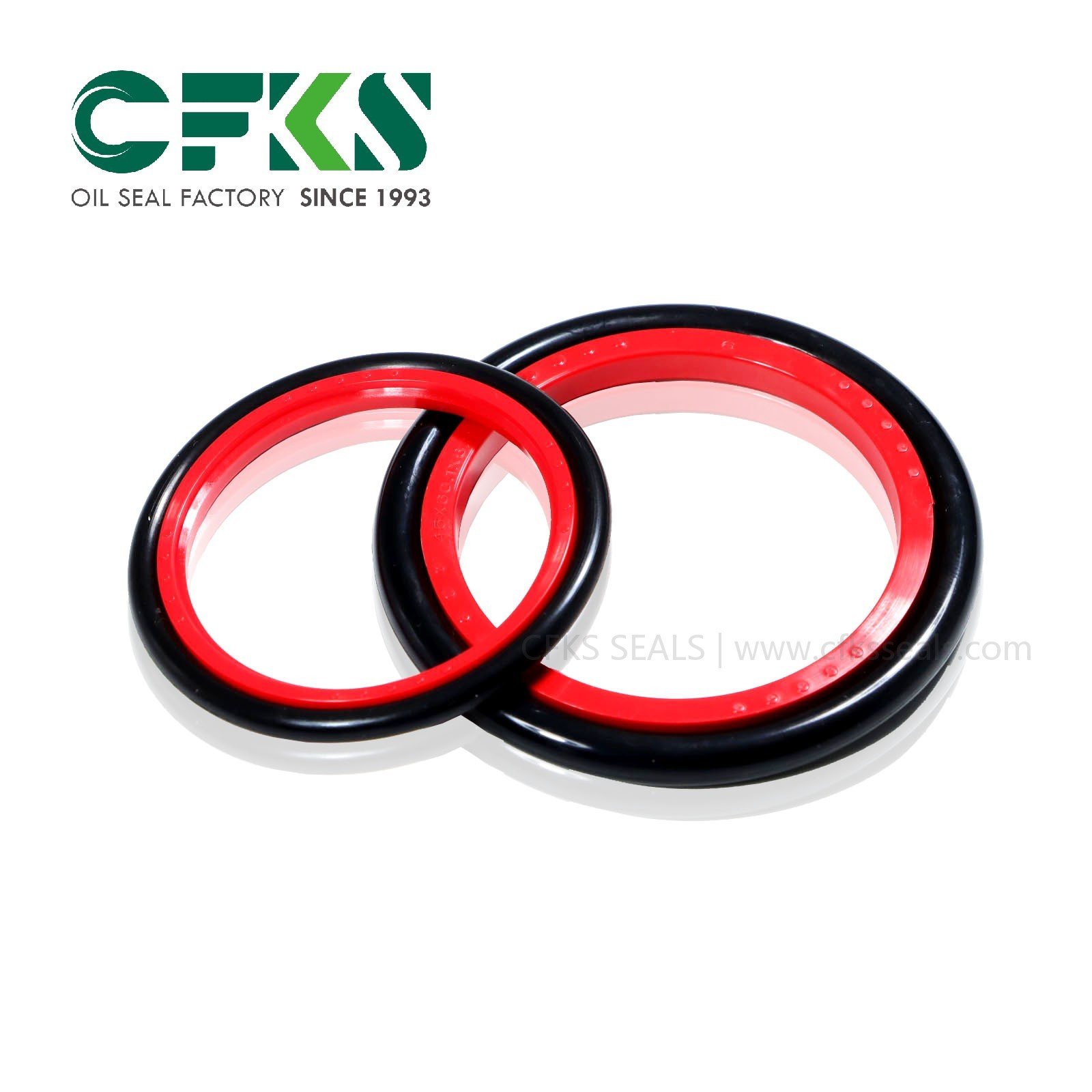
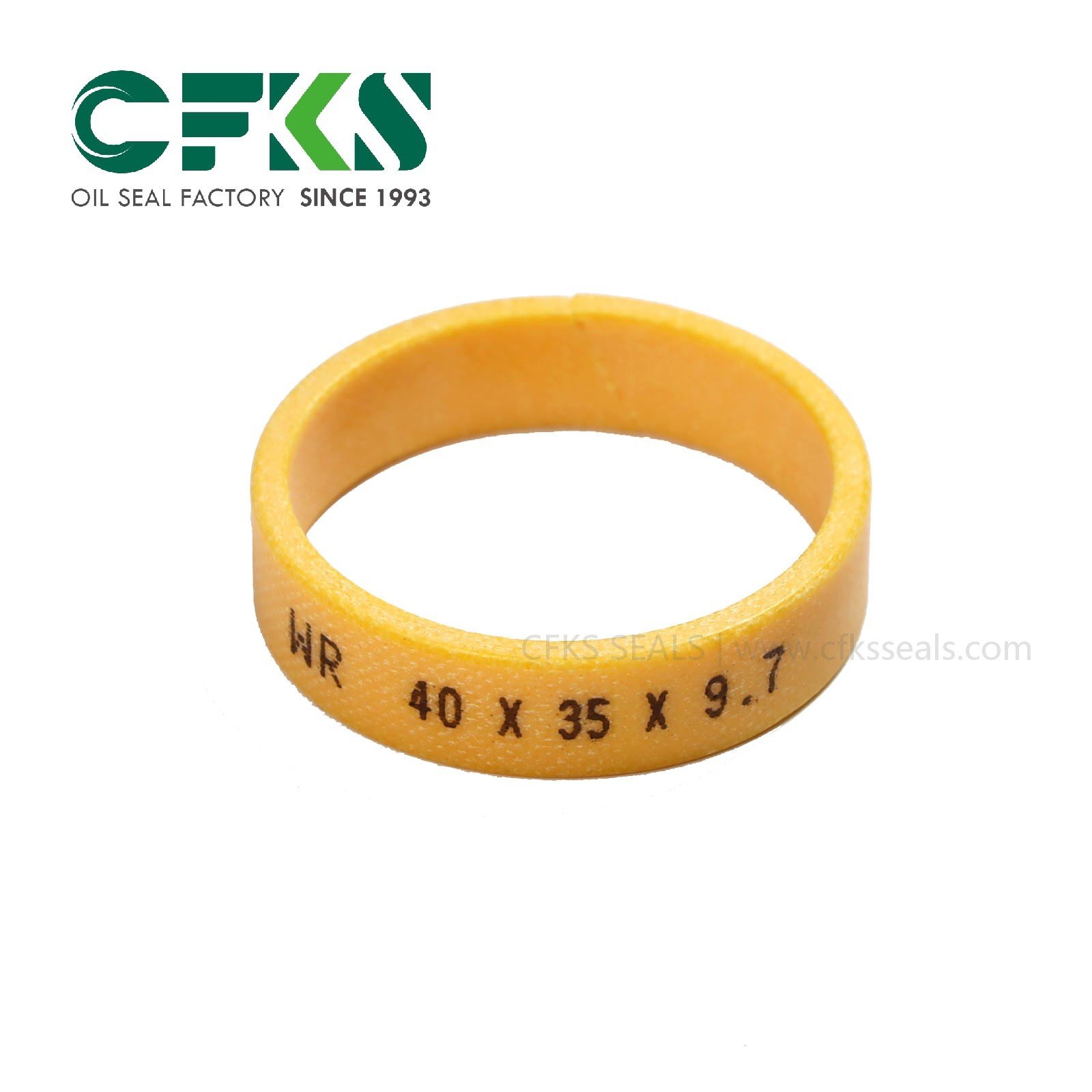
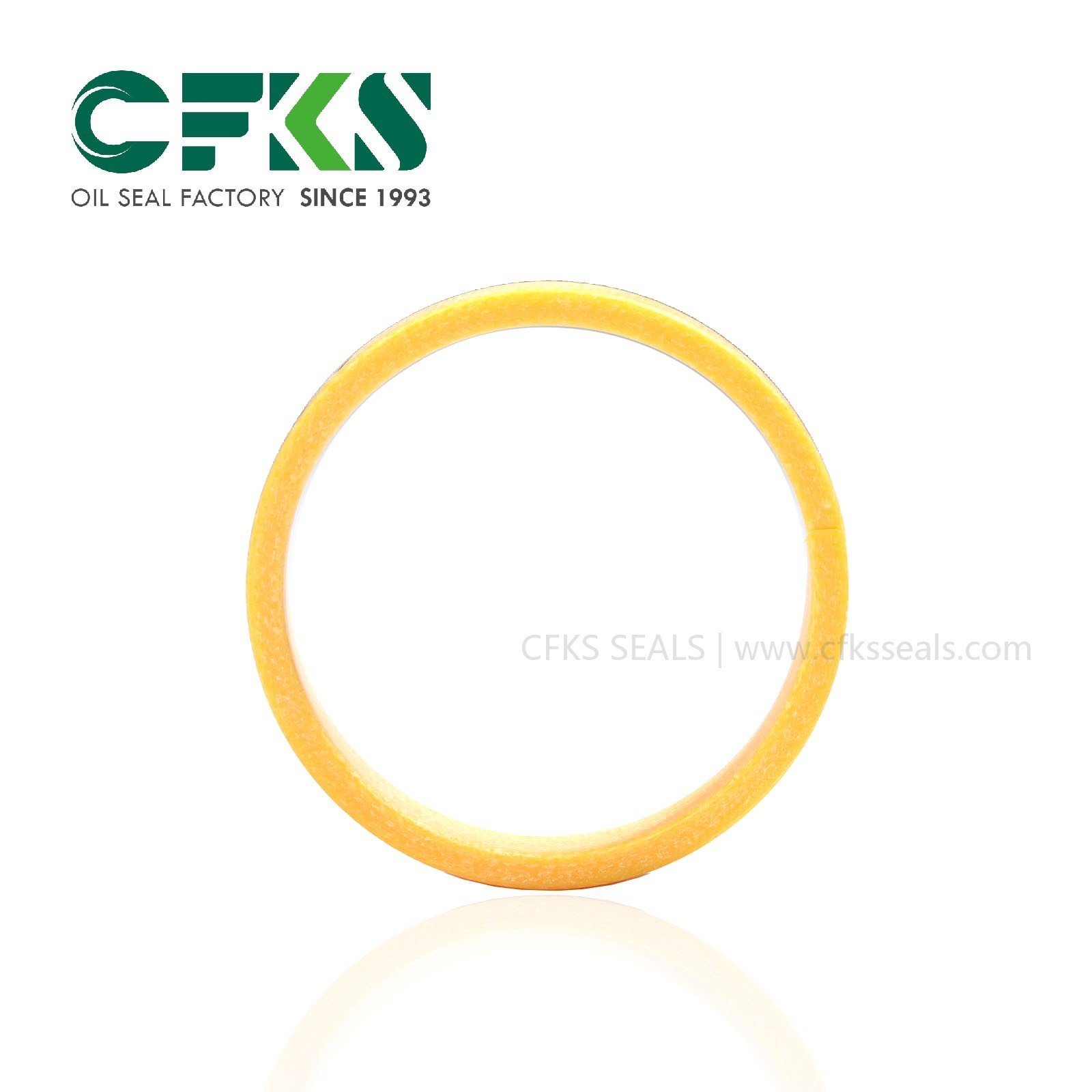
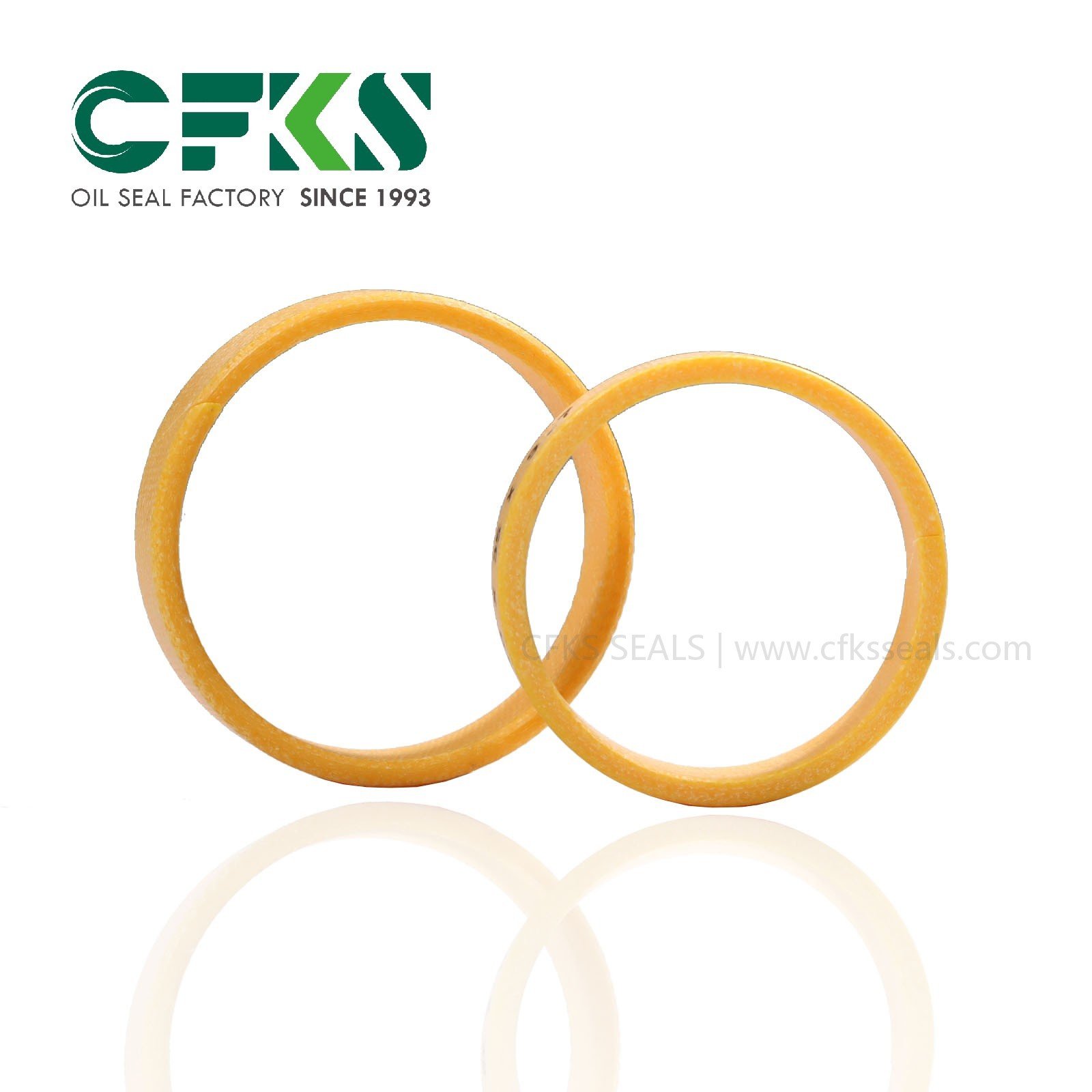
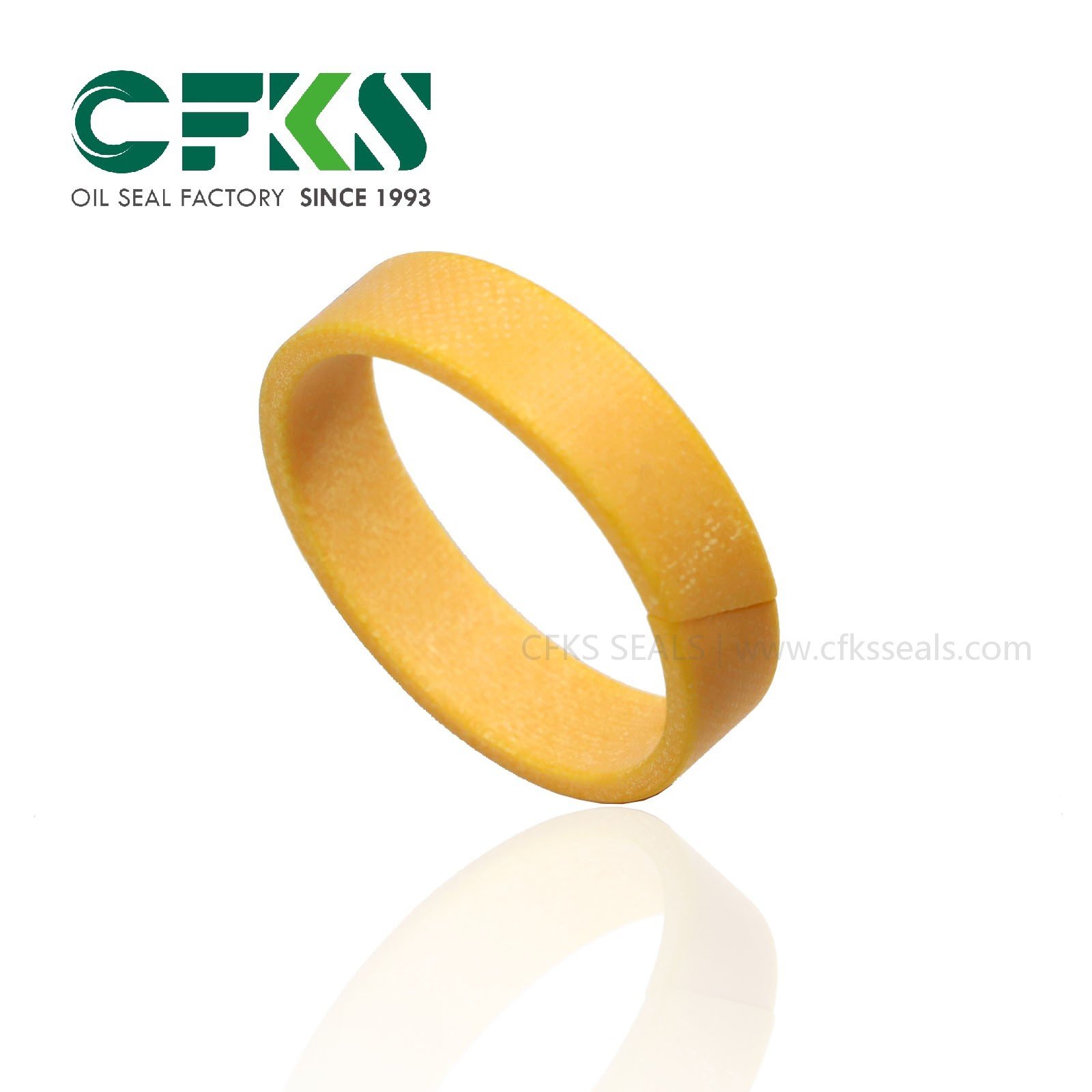
CFKS Hydraulic Phenolic Wear Ring 45*35*9.7 PTFE Guide Ring for Excavator Repair

The CFKS 45x35x9.7 Hydraulic Phenolic Wear Ring is a critical precision-engineered guiding element designed to absorb extreme transverse forces in heavy-duty hydraulic cylinders. By providing a highly durable, low-friction bearing surface between the sliding components, this composite guide ring ensures optimal concentricity, protecting your primary seals and preventing catastrophic damage to the cylinder bore or rod.

  • Extreme Load Capacity: Fabric-reinforced phenolic composite withstands severe radial shock loads typical in excavator boom and bucket cylinders.

  • Friction & Wear Reduction: Embedded with self-lubricating compounds to minimize dry-run friction and localized heat generation.

  • Precision 9.7mm Profile: Custom-machined for standard $45 \times 35$mm hardware, guaranteeing strict clearance tolerances and rapid drop-in replacement.

Find your sealing solution with CFKS — contact us for a quote.
Brand Name CFKS OEM  Accpetable
Material NBR FKM Silicone  Features  wear resistance
Dimensions Customized Certificate  ISO9001/TS16949
Type Guide Ring  Packing 1 pc per bag


The primary engineering function of the CFKS Phenolic Wear Ring is to act as a sacrificial bearing that isolates the piston from the cylinder wall (or the rod from the gland). In heavy mobile machinery like excavators, cylinders are frequently subjected to severe lateral side loads. If left unguided, these transverse forces would cause the piston to tilt, leading to asymmetric compression on the primary step seals and immediate fluid bypass. By distributing this mechanical stress over its broad 9.7mm surface area, the guide ring maintains strict concentricity, ensuring that the primary dynamic seals operate within their engineered extrusion gaps at all times.


While pure PTFE guide rings offer exceptionally low friction, they are highly susceptible to “cold flow” (deformation) under the high-impact shock loads generated by earth-moving equipment. To solve this, our heavy-duty wear rings utilize a thermosetting Phenolic Resin reinforced with synthetic fabric mesh. This composite structure provides a compressive strength that vastly outperforms standard plastics or PTFE composites. It remains dimensionally stable in hot hydraulic oil up to +120°C and resists the embedment of micro-contaminants, preventing the ring itself from becoming an abrasive tool against the polished cylinder barrel.

From a maintenance engineering perspective, replacing a wear ring is infinitely more cost-effective than honing a deeply scored cylinder tube. The CFKS 45x35x9.7 guide ring features a pre-calculated split design (typically an angled cut). This gap is not a defect; it allows the rigid ring to be easily snapped open and installed over closed piston flanges without special tools. Operationally, the split accommodates thermal expansion of the phenolic material and prevents the buildup of trapped hydrodynamic pressure between tandem sealing sets, ensuring your excavator returns to the field with zero-leakage performance.

Frequently Asked Questions (FAQ)

Why does my CFKS oil seal fail prematurely? Common causes and prevention tips2025-06-26T15:44:39+08:00

Premature oil seal failure can result from improper installation, poor shaft finish, incorrect material selection, or excessive pressure. To prevent this, ensure the shaft surface is smooth and within tolerance, use correct tools during installation, and choose seals made from materials compatible with your media and temperature.

How to correctly install a CFKS industrial oil seal to avoid leakage2025-06-26T16:04:32+08:00

Always clean the shaft and bore before installation. Use appropriate seal drivers to avoid deformation. Lubricate the lip before fitting to reduce friction during the first rotation. Ensure the seal is seated evenly and not tilted to avoid leaks.

What to do when your CFKS hydraulic seal is leaking under pressure2025-05-20T16:33:14+08:00

Check if the pressure exceeds the seal’s rated limit. Examine for wear, hardening, or improper installation. Replace the seal if damaged, and consider upgrading to a high-pressure CFKS seal variant. Also, verify that the housing and shaft are properly aligned.

How to choose the right CFKS oil seal for extreme operating environments2025-05-20T16:34:39+08:00

For high temperatures, aggressive chemicals, or abrasive environments, choose CFKS seals made of FKM, PTFE, or high-performance elastomers. Consider using seals with protective dust lips or metal casing. Our team can recommend the best fit for your application.


MESSAGE

Go to Top