Sealing Excellence, Securing Industry

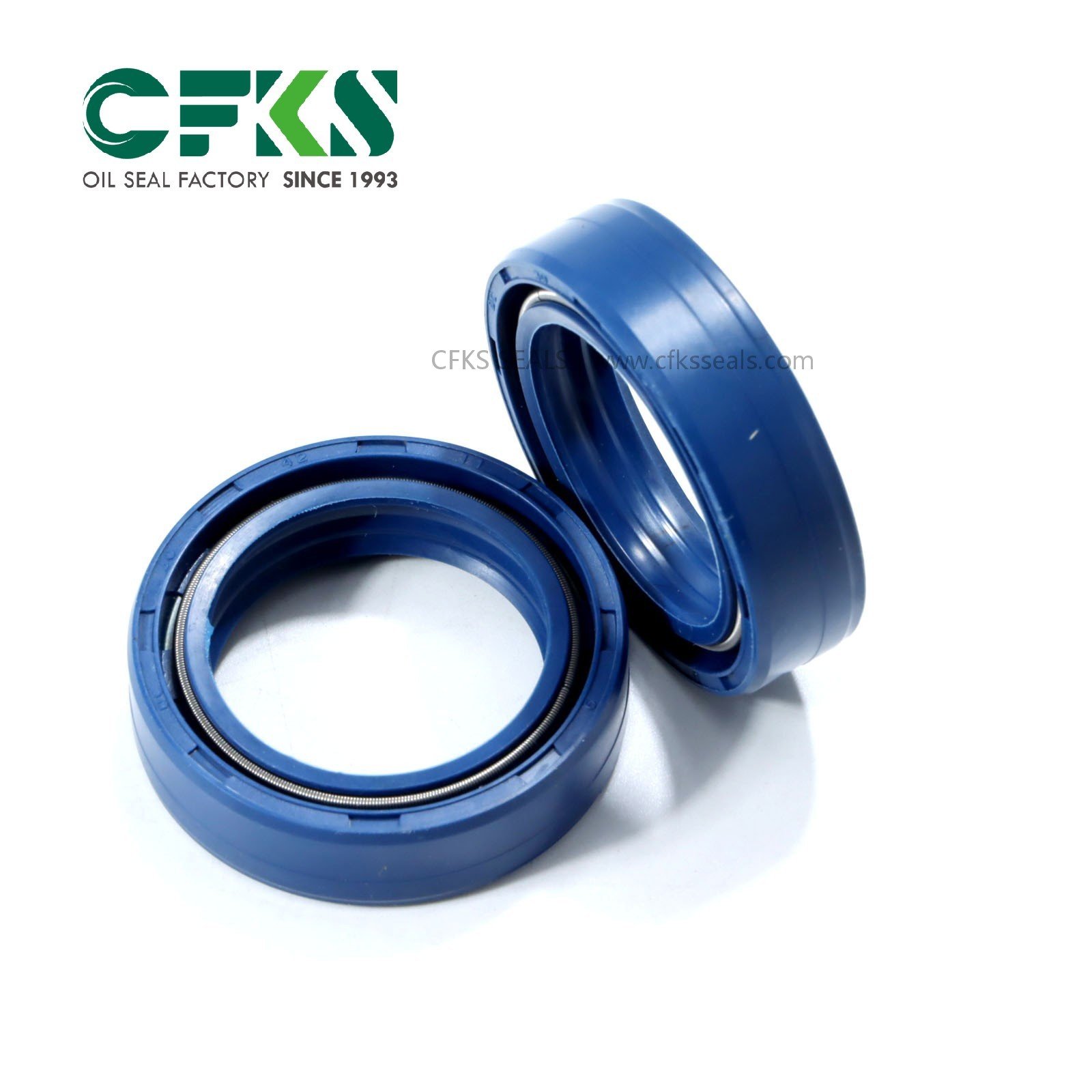
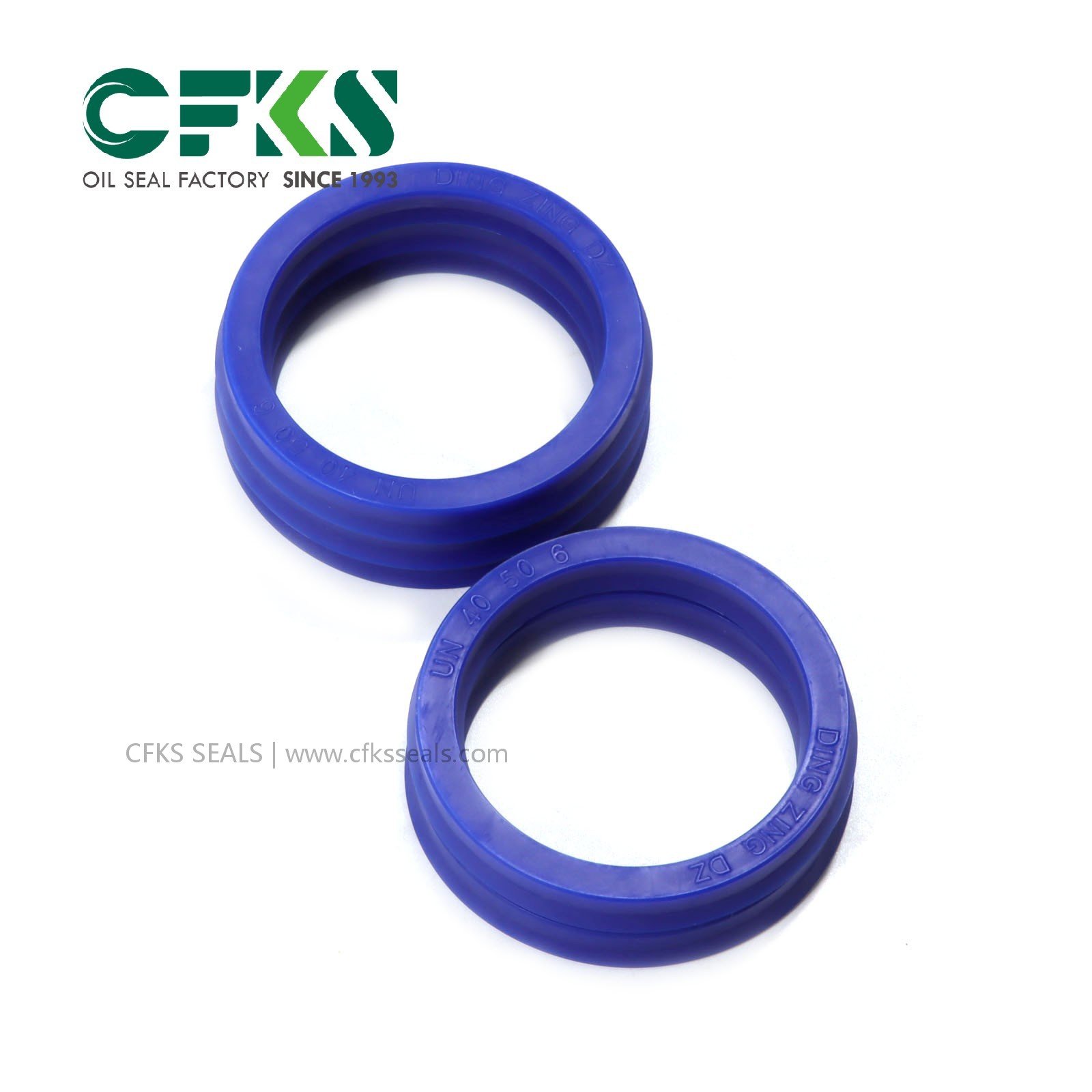
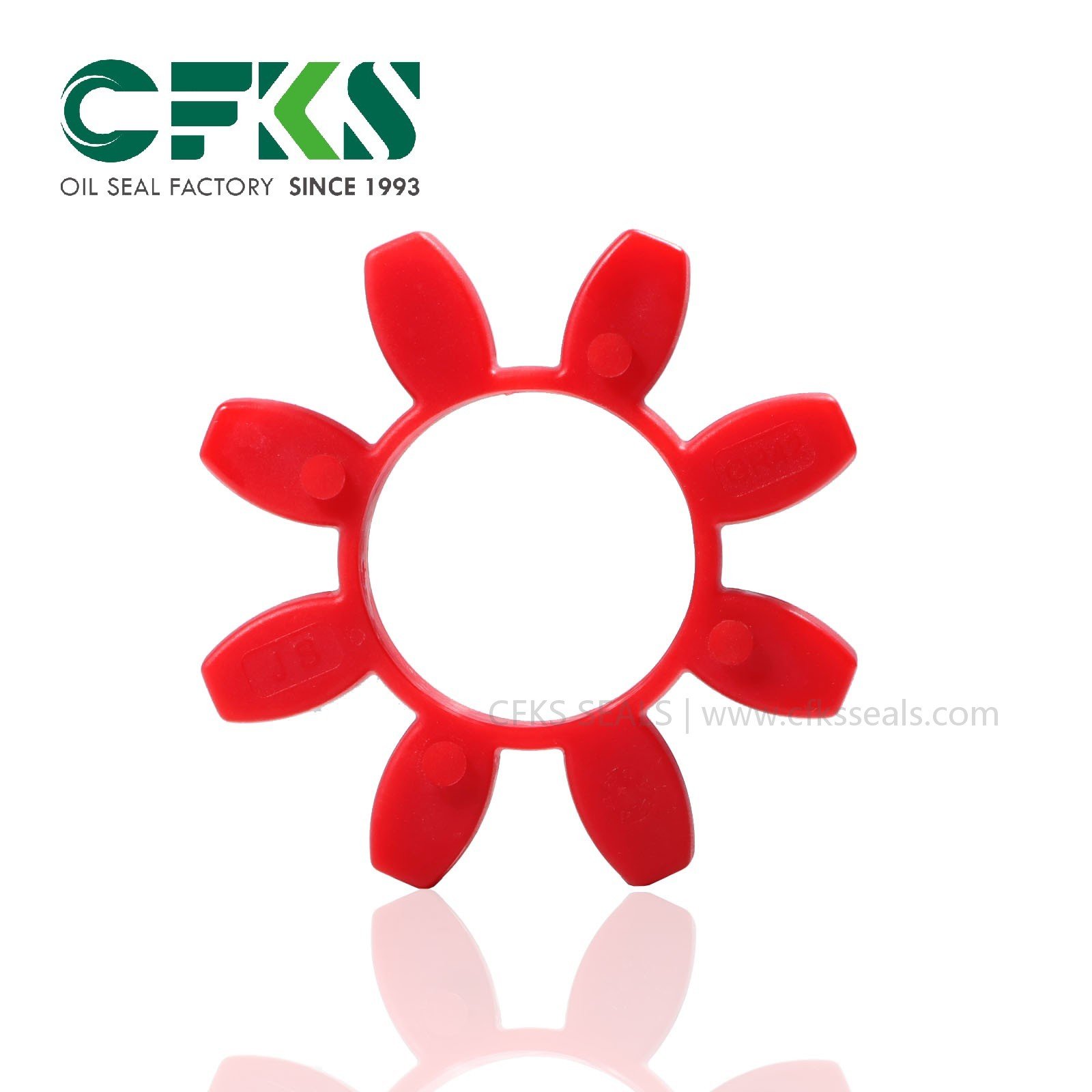
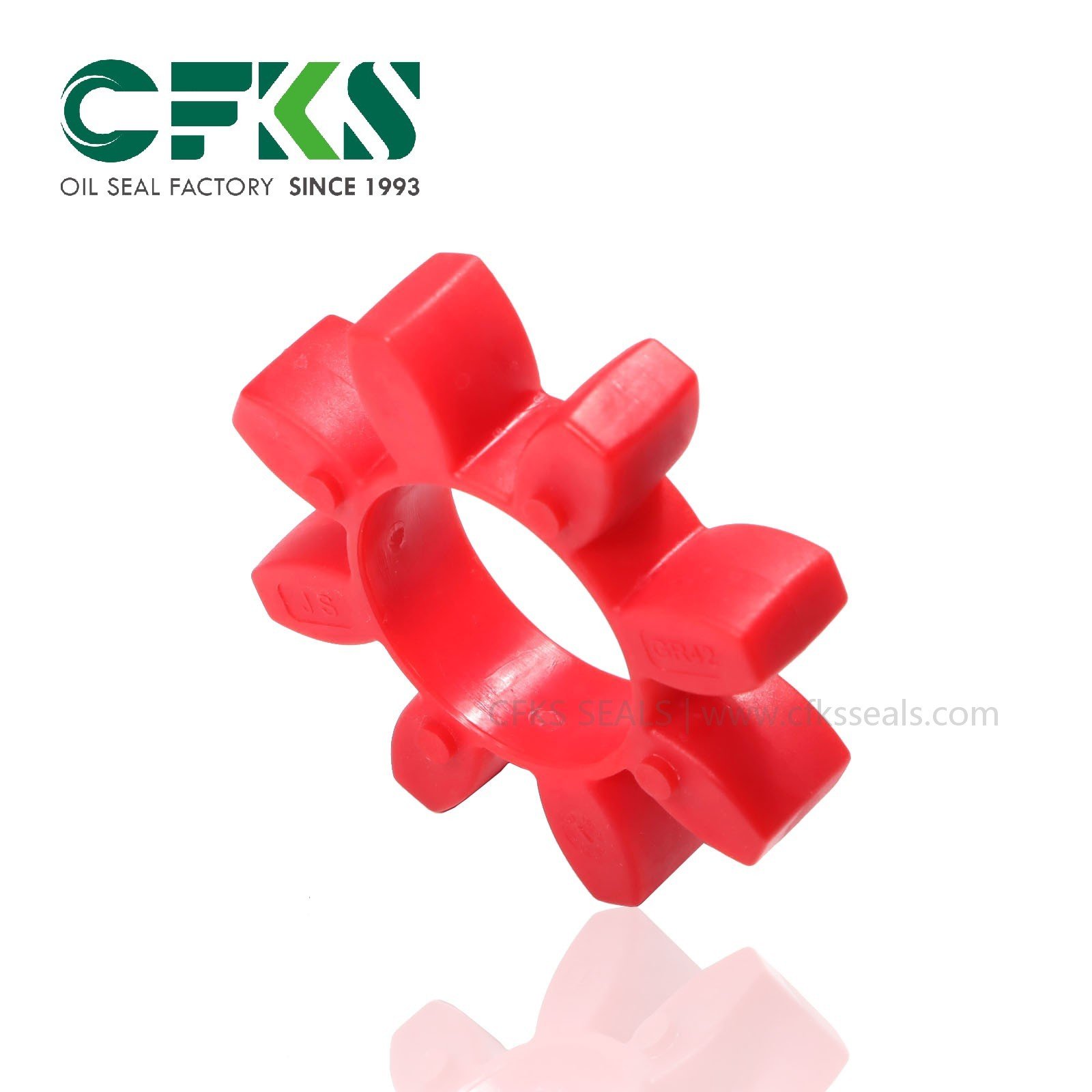
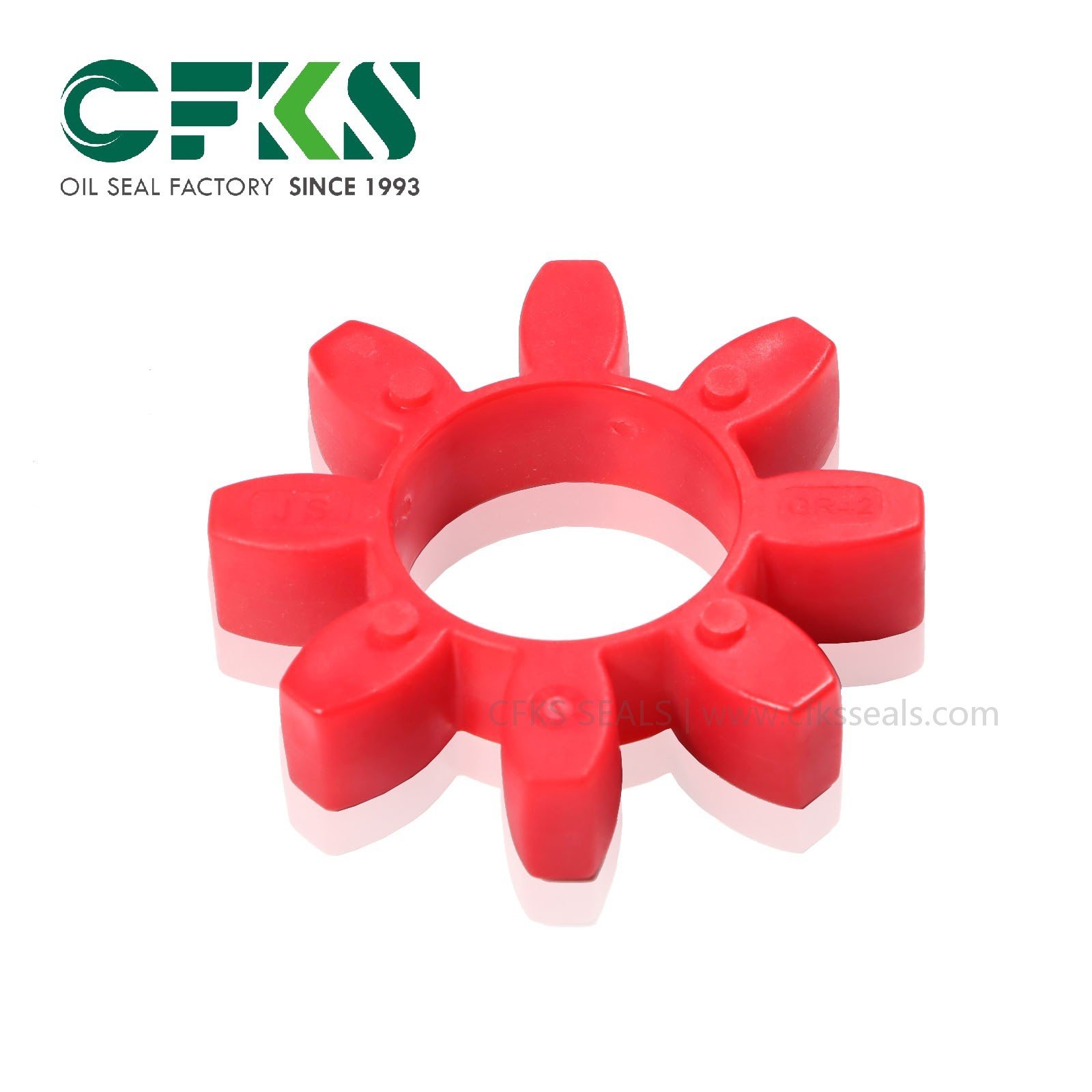
CFKS Coupling Spider GR 42 Flexible Polyurethane Spider Coupling Jaw Coupling Spider

The CFKS Coupling Spider GR 42 is a flexible polyurethane jaw coupling spider designed for power transmission systems. It offers excellent wear resistance, strong elasticity, and superior vibration damping performance. This PU coupling spider ensures stable torque transmission, reduced noise, and long service life in gearboxes, motors, pumps, and industrial machinery.

Find your sealing solution with CFKS — contact us for a quote.
Brand Name CFKS OEM  Accpetable
Material NBR FKM Silicone  Features  wear resistance
Dimensions Customized Certificate  ISO9001/TS16949
Type Coupling Spider GR 42  Packing 1 pc per bag


1️⃣ Flexible Polyurethane Coupling Spider for Smooth Power Transmission

The CFKS Coupling Spider GR 42 is made from high-quality polyurethane material, offering excellent flexibility and elastic recovery. This jaw coupling spider is designed to transmit torque smoothly while compensating for shaft misalignment in motors and gearbox systems.

2️⃣ Excellent Wear Resistance & Shock Absorption Performance

This GR 42 polyurethane coupling spider features outstanding resistance to abrasion, oil, and fatigue. Its flexible jaw coupling structure effectively absorbs vibration and impact, reduces noise, and protects rotating equipment from mechanical damage.

3️⃣ Accurate GR 42 Size for Easy Replacement & Stable Operation

With precise GR 42 dimensions, the CFKS coupling spider ensures a perfect fit for standard jaw couplings and quick installation. It is widely used in gearboxes, pumps, compressors, fans, and industrial power transmission equipment.

Frequently Asked Questions (FAQ)

Why does my CFKS oil seal fail prematurely? Common causes and prevention tips2025-06-26T15:44:39+08:00

Premature oil seal failure can result from improper installation, poor shaft finish, incorrect material selection, or excessive pressure. To prevent this, ensure the shaft surface is smooth and within tolerance, use correct tools during installation, and choose seals made from materials compatible with your media and temperature.

How to correctly install a CFKS industrial oil seal to avoid leakage2025-06-26T16:04:32+08:00

Always clean the shaft and bore before installation. Use appropriate seal drivers to avoid deformation. Lubricate the lip before fitting to reduce friction during the first rotation. Ensure the seal is seated evenly and not tilted to avoid leaks.

What to do when your CFKS hydraulic seal is leaking under pressure2025-05-20T16:33:14+08:00

Check if the pressure exceeds the seal’s rated limit. Examine for wear, hardening, or improper installation. Replace the seal if damaged, and consider upgrading to a high-pressure CFKS seal variant. Also, verify that the housing and shaft are properly aligned.

How to choose the right CFKS oil seal for extreme operating environments2025-05-20T16:34:39+08:00

For high temperatures, aggressive chemicals, or abrasive environments, choose CFKS seals made of FKM, PTFE, or high-performance elastomers. Consider using seals with protective dust lips or metal casing. Our team can recommend the best fit for your application.


MESSAGE

Go to Top